Japan · 5 DAYS

Central Japan Cultural Essence

Nagoya → Gifu → Ishikawa Prefecture → Fukui → Mino

Explore Japan's Chubu countryside to experience traditional culture and natural beauty. Visit the fairy-tale village of Shirakawa-go and wander through the 'Little Kyoto' of Kanazawa.

5 daysCulture & natureItinerary idea

Request this itinerary

Leave your details, and our travel specialists will get in touch by email or your preferred contact method.

Your specialist will confirm the itinerary, pricing and availability with you.

How we use your information

Your inquiry is sent to info@jasperlimo.com so our team can respond. Please do not include passport or payment details.

JOURNEY HIGHLIGHTS

Japan, made personal.

[Central Japan Culture & Craft Tour] World Heritage, Artisan Crafts, Gujo Hachiman Dance & Washi Paper Experience - 5 Days

Day 1 starts in Nagoya. International airfare is arranged separately.

  • 01Explore Japan's Chubu countryside to experience traditional culture and natural beauty.
  • 02Visit the fairy-tale village of Shirakawa-go and wander through the 'Little Kyoto' of Kanazawa.

Your journey, day by day

01

Nagoya

Day 1 counts from arrival in Nagoya. Local itinerary and accommodations arranged based on actual arrival time; international flights not included. Airport transfers can be arranged separately; inclusion subject to confirmation.

AI-rendered illustration

Day 1 counts from arrival in Nagoya. Local itinerary and accommodations arranged based on actual arrival time; international flights not included. Airport transfers can be arranged separately; inclusion subject to confirmation.

Breakfast: at your own expense. Lunch: at your own expense. Dinner: at your own expense.

Tokugawa GardenAI-rendered illustration

Tokugawa Garden

Tokugawa Garden is a Japanese stroll garden built by the second Owari Tokugawa lord remodeling his residence. Known spots include Ryumon Waterfall, Meifukei Stream, Ryusen Lake, Kansenkaku Pavilion, Kosen Bridge, Shisuian Hermitage, and Zuiryutei Teahouse. Kansenkaku Pavilion offers the best views of the garden and houses a restaurant and shop. A combined ticket for Tokugawa Garden, Tokugawa Art Museum, and Hozo Bunko Library is available. The Tokugawa Art Museum is more like a small museum with more national treasures than Atsuta Shrine.

Atsuta Shrine

Atsuta Shrine is one of Japan’s oldest shrines, believed to have been established by Emperor Keiko in the 2nd century AD, with a history of 1900 years. The main hall enshrines five deities including Takehiko no Mikoto, Miyatsuhime, Amaterasu Omikami, Susanoo no Mikoto, and Ukanomitama no Mikoto. The shrine has been highly revered throughout Japanese history and holds great authority among the people. Successive rulers, including Toyotomi Hideyoshi and Tokugawa Ieyasu, have extensively renovated it. Recently, the Japanese Emperor and Empress have also paid visits.

02

Nagoya → Gifu

Morning: Travel to Gifu to visit the Monet Pond, nestled in the Chubu forests with 4K-like vibrant pond colors that gently ease your worries away. Afternoon: Tour Shirakawa-go Gassho Village, a UNESCO World Heritage Site since 1995, beautiful especially under winter snow illuminated on quiet nights. Evening: Experience the hot springs of Gero Onsen.

AI-rendered illustration

Morning: Travel to Gifu to visit the Monet Pond, nestled in the Chubu forests with 4K-like vibrant pond colors that gently ease your worries away. Afternoon: Tour Shirakawa-go Gassho Village, a UNESCO World Heritage Site since 1995, beautiful especially under winter snow illuminated on quiet nights. Evening: Experience the hot springs of Gero Onsen.

Breakfast: at the hotel. Lunch: at your own expense. Dinner: at the hotel.
Monet's Pond (Nendo Shrine)AI-rendered illustration

Monet's Pond (Nendo Shrine)

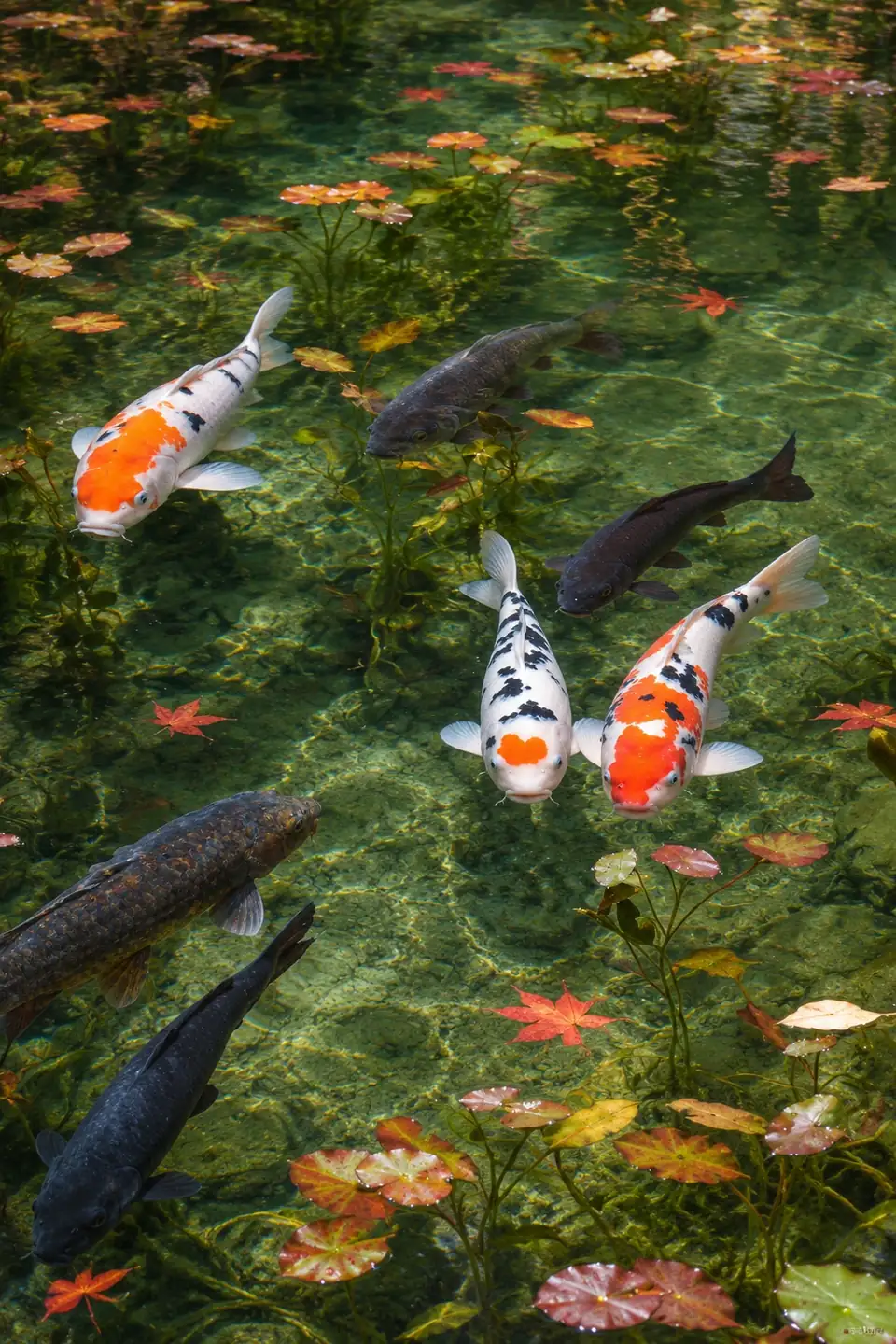
Near Nendo Shrine in Gifu Prefecture lies an unnamed pond with an impressionistic, dreamlike appearance. Filled with lotuses and koi, its clear water appears almost transparent under the sunlight, making it hard to tell there’s water inside. When water lilies bloom, it creates a serene and beautiful scene reminiscent of Monet’s famous works, earning it the name "Monet’s Water Lily Pond."

Takayama Jinya

Takayama Jinya is located in Takayama, known as "Little Kyoto." It was originally one of the residences of the Kanamori lords of Takayama Castle, preserving elegant and nostalgic architecture. Built in 1615 with over 400 years of history, only the storehouse remains from the original, the rest reconstructed to match the original style. The interior retains original layouts including the interrogation room with bamboo-crafted restraints, still used as the interrogation site. From the Meiji era, it served as prefectural and district government offices, making it Japan's only preserved local government building.

Shirakawa-go Gassho Village

Shirakawa-go is a tranquil mountain village surrounded by mountains, with rice paddies and rivers running through. The village’s traditional gassho-style thatched houses number over 110, grouped together, and were designated a UNESCO World Cultural Heritage site in 1995. At the open-air museum, the Gassho Village Heritage Park, 25 gassho houses from across Shirakawa-go have been relocated and preserved. The park also features temple replicas, waterwheel huts, charcoal kilns, and stables built in the style of old rural villages. Traditional crafts such as dyeing and weaving are demonstrated, and visitors can experience them hands-on.
03

Gifu → Ishikawa Prefecture → Fukui

Morning: Head to the Kaga region to explore the Japanese Handicraft Village, source of many traditional Japanese crafts. Afternoon: Proceed to Fukui to enjoy panoramic views of the Sea of Japan’s western cliffs and admire a variety of handmade bamboo dolls showcasing Japanese artisans' skill.

Morning: Head to the Kaga region to explore the Japanese Handicraft Village, source of many traditional Japanese crafts. Afternoon: Proceed to Fukui to enjoy panoramic views of the Sea of Japan’s western cliffs and admire a variety of handmade bamboo dolls showcasing Japanese artisans' skill.

Breakfast: at the hotel. Lunch: at your own expense. Dinner: at the hotel.

Kaga Traditional Craft Village - Yunokuni Forest

Kaga Traditional Craft Village - Yunokuni Forest

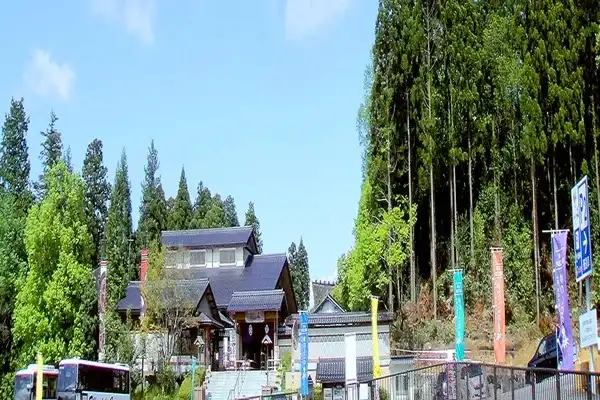
Set in a vast natural forest of 130,000 tsubo, this area features clustered traditional Japanese buildings showcasing various styles. These buildings introduce visitors to traditional crafts and Kaga culture. Visitors interested can try hands-on craft creation, experiencing centuries-old skills and exquisite traditional crafts. The village includes experience centers like gold leaf, tea ceremony, Japanese sweets, Wajima lacquerware, Japanese paper making, Echizen pottery, and glass crafts. Enjoy the creative process amid a natural oxygen-rich environment.

Tojinbo Cliffs

Located in northern Fukui Prefecture along the Sea of Japan coast near Ishikawa Prefecture, Tojinbo is a steep rocky cliff formed by basalt columns shaped through years of sea wave erosion. These columnar jointed pyroxene andesite pillars are rare globally with only three such formations. The Tojinbo Bay, known as Tojinbo Great Pool, features cliffs up to 50 meters high and waters 17 meters deep. Visitors can view this dramatic landscape from the cliffs, sightseeing boats, or atop the 54.7-meter Tojinbo Tower.

Echizen Bamboo Doll Village

Echizen Bamboo Doll Village specializes in selling bamboo-crafted dolls. Inside, visitors can watch artisans make these dolls. It is the only place in Japan to view the works of renowned doll maker 'Reimei.' The museum also offers crafts and specialties from Japan's Hokuriku region, providing a comprehensive bamboo-themed experience for viewing, purchasing, and sampling.

04

Fukui → Mino → Nagoya

Today travel to Mino. Morning: Experience one of Japan's traditional dance shows, the Gujo Hachiman Dance. Afternoon: Discover traditional paper-making, one of China's four great inventions continued in Japan, with a hands-on washi paper-making session.

Today travel to Mino. Morning: Experience one of Japan's traditional dance shows, the Gujo Hachiman Dance. Afternoon: Discover traditional paper-making, one of China's four great inventions continued in Japan, with a hands-on washi paper-making session.

Breakfast: at the hotel. Lunch: at your own expense. Dinner: at your own expense.

Oyada Shrine

Oyada Shrine

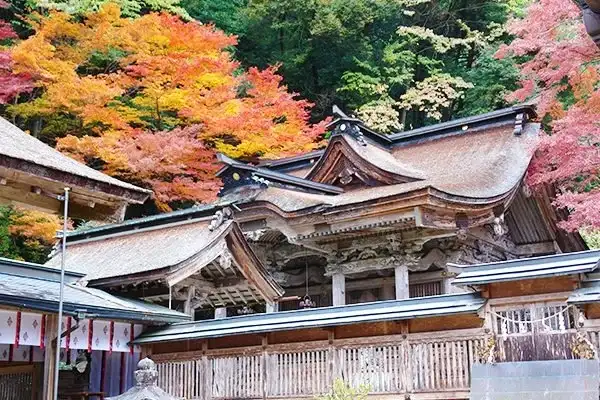
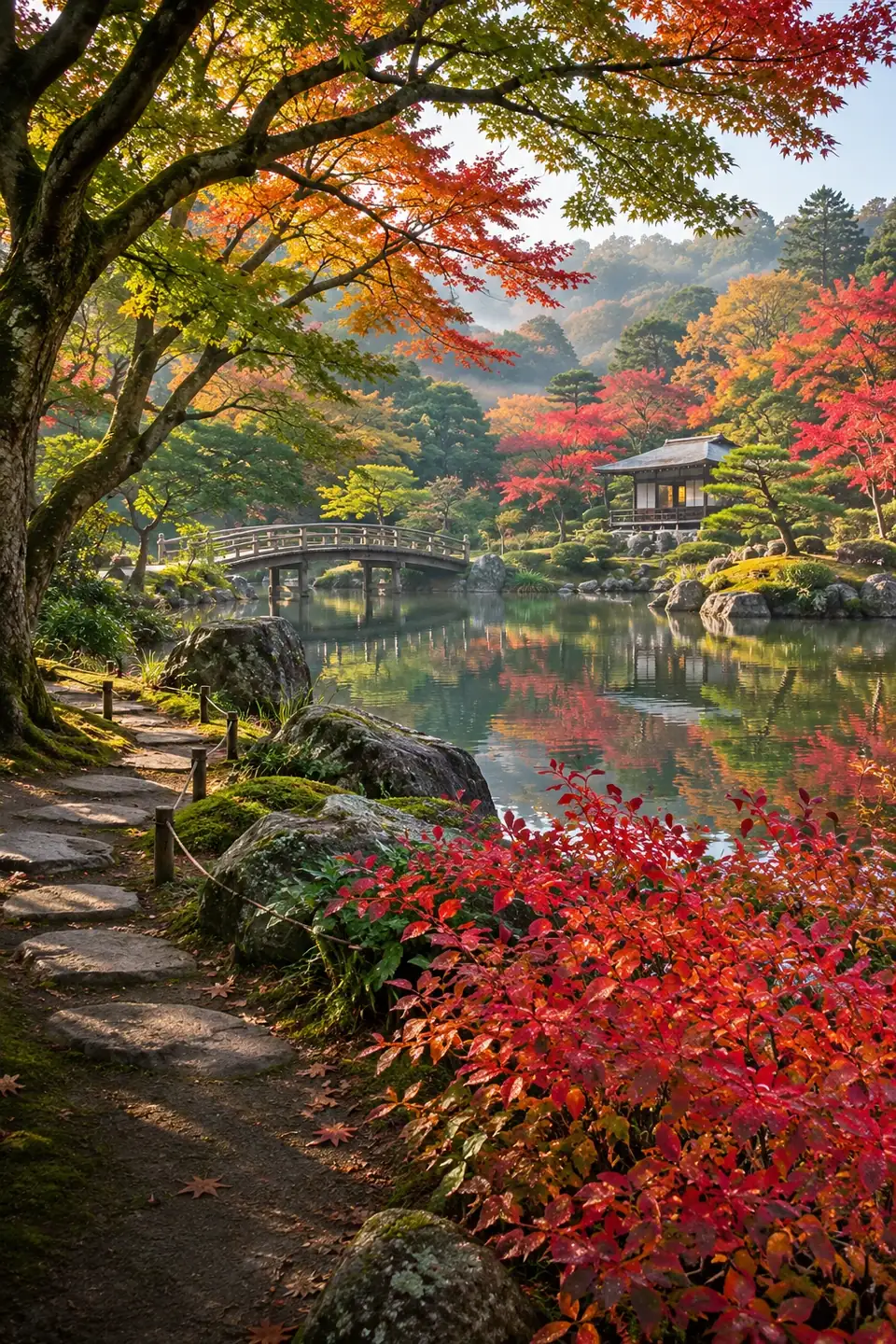
Oyada Shrine grounds boast approximately 3,000 Japanese maple trees that turn red in autumn. Built in the 17th century, the main hall provides a striking contrast to the layered red foliage. In November, a Maple Leaf Festival features local specialties like Gohei mochi rice cakes.

Gujo Hachiman Museum (Gujo Hachiman Dance)

The Gujo Hachiman Museum is housed in a building originally constructed in Taisho 9 (1920) as a tax office. Exhibits relate to the local culture and environment, themed around the blessings of water, history, and traditional crafts. It also features live performances of the Gujo dance, a traditional folk dance with over 400 years of history, recognized as one of Japan's three major folk dances.

Katashi Gorge

A scenic gorge with river origins from Mt. Hyono, the highest peak in Mino City. During dry seasons, this river uniquely maintains water flow and stays clear even during floods. Highlights include numerous distinctive rock formations like Senjoiwa and Kayakusa Waterfall. Visitors can enjoy vibrant spring greenery, autumn foliage, and changing seasonal landscapes along a 2 km riverside trail. Katashi Gorge is part of the Oku-Nagara River Prefectural Natural Park.

05

Nagoya

Planned visits today: Toyota Commemorative Industry and Technology Museum, Osu Shopping Street. The itinerary ends locally in Nagoya; airport transfers can be arranged based on actual flight schedules. International return flights and the day you arrive home are not included.

AI-rendered illustration

Planned visits today: Toyota Commemorative Industry and Technology Museum, Osu Shopping Street. The itinerary ends locally in Nagoya; airport transfers can be arranged based on actual flight schedules. International return flights and the day you arrive home are not included.

Breakfast: at the hotel. Lunch: at your own expense. Dinner: at your own expense.

Toyota Commemorative Museum of Industry and Technology

This museum is the birthplace of Toyota’s industry. In 1918, Sakichi Toyoda built the brick factory still preserved today as the exhibition hall. The museum has two main sections: one displaying Toyota automobiles, the other showing textile machinery, reflecting Toyota’s origins in the textile industry.

Osu Shopping StreetAI-rendered illustration

Osu Shopping Street

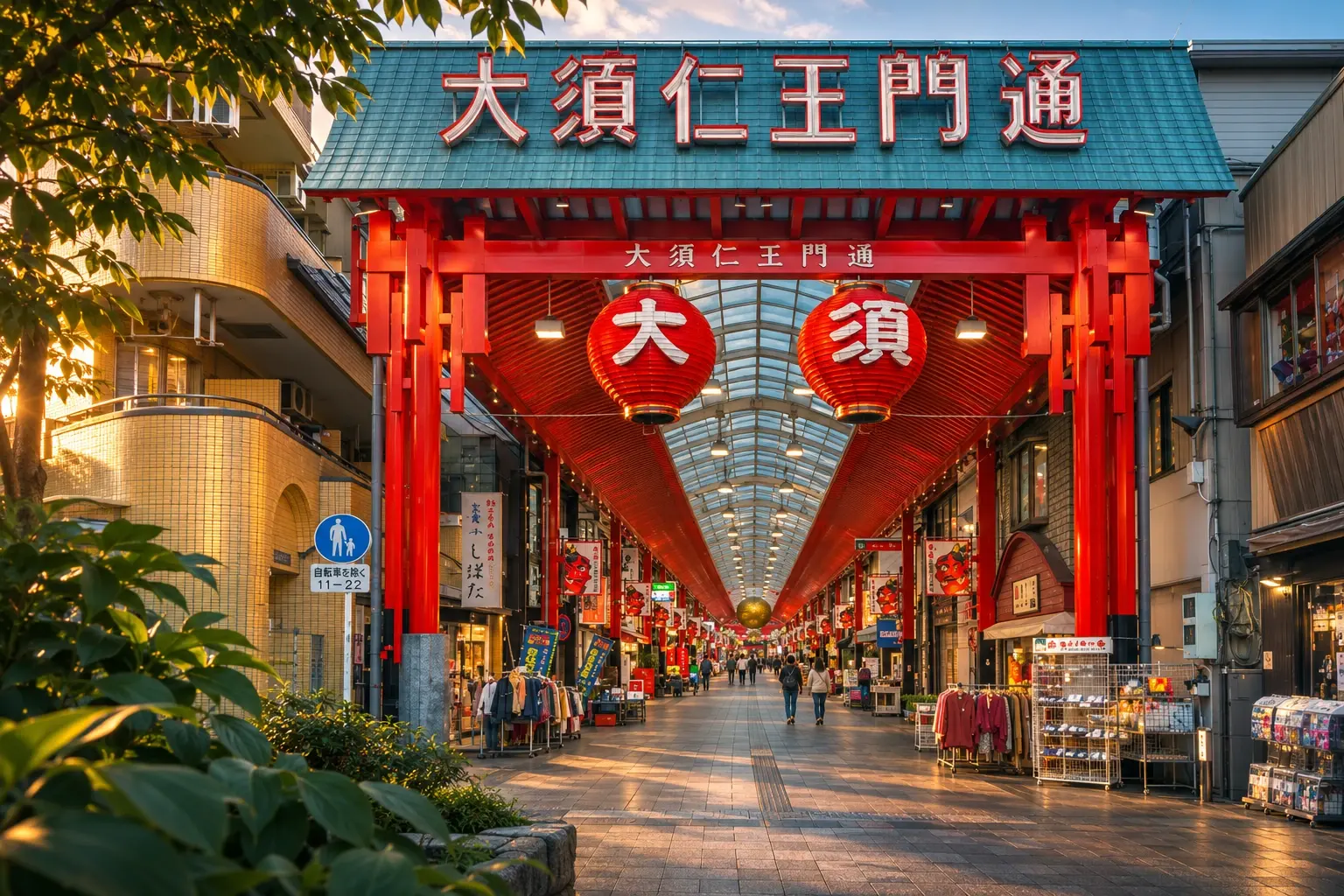
Osu is located in central Nagoya City. It features the historic Osu Shopping District, densely packed with about 1,200 various shops, making it a great shopping destination in Nagoya. The district spans Osu 2-chome to 3-chome and is bordered by four main streets: Wakamiya Odori, Fushimi Dori, Osu Dori, and Minami Otsu Dori. Conveniently situated between Osu Kannon and Kamimaezu stations on the Tsurumai Line for easy access.

YOUR ROUTE

Know the shape of your journey.

Starts in
Nagoya
Ends in
Nagoya
Local itinerary
5 days

A proposal shaped around you

Use this route as a starting point. Tell us your dates, pace and accommodation preferences.

Your quote will specify accommodation, guiding, transport, activities, meals and any optional arrangements before you book. International flights and airport transfers are discussed separately.

TRAVEL IN COMFORT

The right vehicle for your group.

Toyota Alphard

Up to 6 passengers

Toyota HiAce

Up to 9 passengers

Our main touring vehicles. We recommend a vehicle based on your group size and luggage. Maximum seating capacity does not guarantee room for all bags when every seat is occupied. Vehicle availability is confirmed for your destination.

More to discover

Monet's Pond (Nendo Shrine)

Near Nendo Shrine in Gifu Prefecture lies an unnamed pond with an impressionistic, dreamlike appearance. Filled with lotuses and koi, its clear water appears almost transparent under the sunlight, making it hard to tell there’s water inside. When water lilies bloom, it creates a serene and beautiful scene reminiscent of Monet’s famous works, earning it the name "Monet’s Water Lily Pond."

Shirakawa-go Gassho Village

Shirakawa-go is a tranquil mountain village surrounded by mountains, with rice paddies and rivers running through. The village’s traditional gassho-style thatched houses number over 110, grouped together, and were designated a UNESCO World Cultural Heritage site in 1995. At the open-air museum, the Gassho Village Heritage Park, 25 gassho houses from across Shirakawa-go have been relocated and preserved. The park also features temple replicas, waterwheel huts, charcoal kilns, and stables built in the style of old rural villages. Traditional crafts such as dyeing and weaving are demonstrated, and visitors can experience them hands-on.

Gujo Hachiman Museum (Gujo Hachiman Dance)

The Gujo Hachiman Museum is housed in a building originally constructed in Taisho 9 (1920) as a tax office. Exhibits relate to the local culture and environment, themed around the blessings of water, history, and traditional crafts. It also features live performances of the Gujo dance, a traditional folk dance with over 400 years of history, recognized as one of Japan's three major folk dances.

Mino Washi Paper Museum (Traditional Paper Making Experience)

Founded in 1994, the Mino Washi Paper Museum preserves paper-making techniques dating back over 1,300 years. Though we use paper daily, few know its origins. Here, visitors can try traditional paper-making with a roughly 20-minute session resulting in a finished product about 33 cm by 45 cm. It's a hands-on craft experience (fee approximately 32 RMB per person).

Before you go

This journey starts at the destination. Seasonal experiences, service inclusions and availability are confirmed with your personalized proposal.

Original source & photography · 6renyou ↗

Image credits and illustrations

BEFORE YOU PLAN

Travel planning, clearly explained.

OpenEast brings together Japan and South Korea itinerary ideas for travelers from North America, with China also part of our destination plans. Start with the local route, then consider flights and airport transfers around it.

When does Day 1 begin?

Day 1 begins at the destination. International departure-only and return flight days are not counted as destination days. Plan your flights around the local itinerary dates.

Are flights and airport transfers included?

International flights and airport transfers are confirmed separately. Do not assume they are included in a suggested itinerary.

Are these confirmed departures?

These routes are itinerary ideas. Dates, hotels, admissions, seasonal activities, prices and availability need confirmation in a personalized proposal before booking.

Can I book or send an inquiry here?

Use the inquiry form to contact our team. A submission confirmation appears only when the email service accepts your request. An inquiry does not reserve a service or take payment.

Explore Japan itineraries → · Explore South Korea itineraries →

1 / 4

Let’s plan your journey.

[Central Japan Culture & Craft Tour] World Heritage, Artisan Crafts, Gujo Hachiman Dance & Washi Paper Experience - 5 Days

Leave your details, and our travel specialists will get in touch by email or your preferred contact method.

Your specialist will confirm the itinerary, pricing and availability with you.

How we use your information

Your inquiry is sent to info@jasperlimo.com so our team can respond. Please do not include passport or payment details.

Start planning