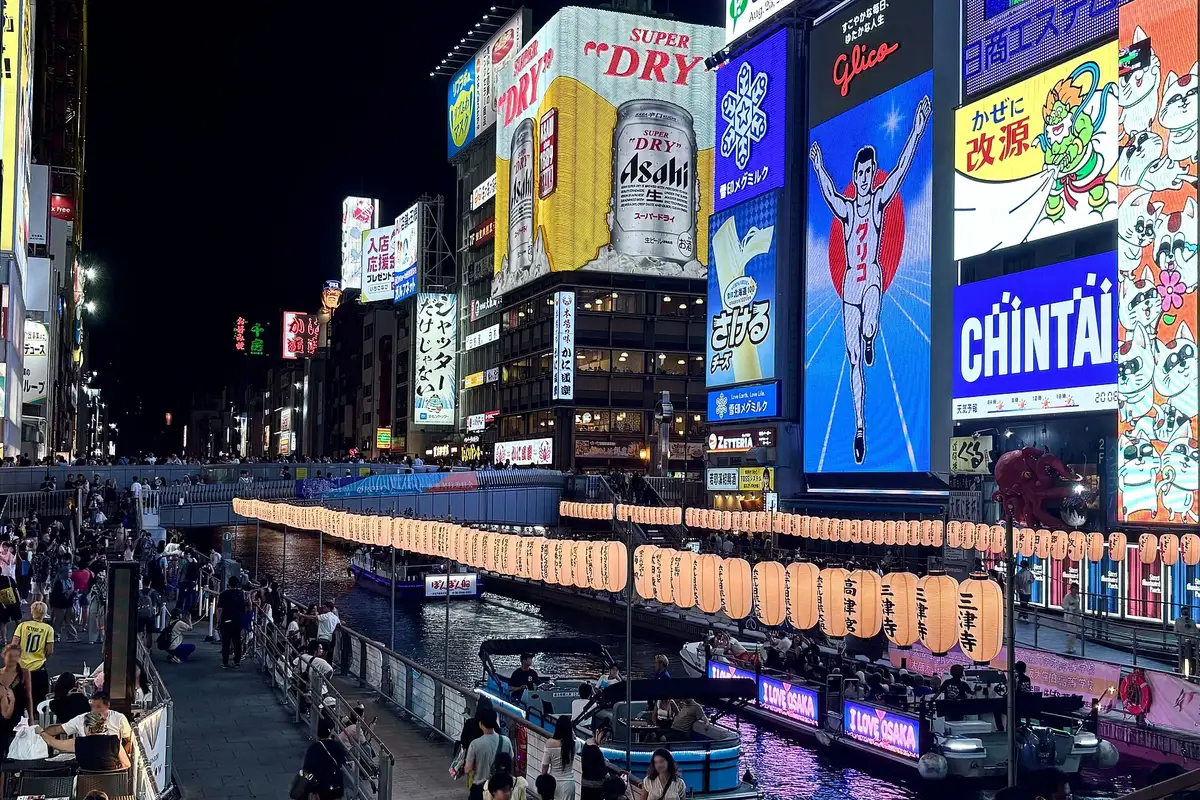
World Cultural Heritage under Cherry Blossoms
Today explore Kyoto's ancient shrines and experience Japanese culture.
Morning: Visit Fushimi Inari Taisha, dedicated to the deity of prosperous business, Inari, famous for the iconic 'Thousand Torii Gates,' a signature Kyoto attraction.
Afternoon: Visit Kiyomizu-dera, a World Cultural Heritage site, Kyoto's oldest temple alongside Kinkaku-ji and Nijo Castle. About 1,500 cherry trees surround the temple, providing an immersive spring atmosphere.
(Tip: Best cherry blossom viewing at Kiyomizu-dera is late March to early April.)
Evening: Stroll along the atmospheric sloped streets of Sannenzaka and Ninenzaka, then visit the traditional bustling district of Gion to savor Japanese cuisine and enjoy traditional performances.
Special activity options (optional and not included):
1. Kimono dress-up
2. Geisha performance
3. Tea ceremony experience
Breakfast: at the hotel. Lunch: at your own expense. Dinner: at your own expense.
Fushimi Inari Taisha
At the foot of Mount Inari in southern Kyoto, this historic shrine honors Inari, associated with harvests and prosperity in business. Beyond the main buildings, thousands of vermilion torii gates form paths up the mountain. The roughly four-kilometer circuit takes about two to three hours on foot and is one of Kyoto's best-known landscapes.
Kiyomizu-dera in Autumn
Founded in 778 in Kyoto's Higashiyama district, Kiyomizu-dera occupies extensive grounds and has been rebuilt several times after fires. Its projecting wooden stage is part of the National Treasure main hall. Trees surround the temple, bringing seasonal color, including spring cherry blossoms and autumn foliage.
Ninenzaka & Sannenzaka
Ninenzaka and Sannenzaka are historic lanes in Kyoto lined with old wooden buildings and traditional shops. Ninenzaka is said to date to 807. These streets connect the area around Kiyomizu-dera with Nene-no-Michi and Kodai-ji.
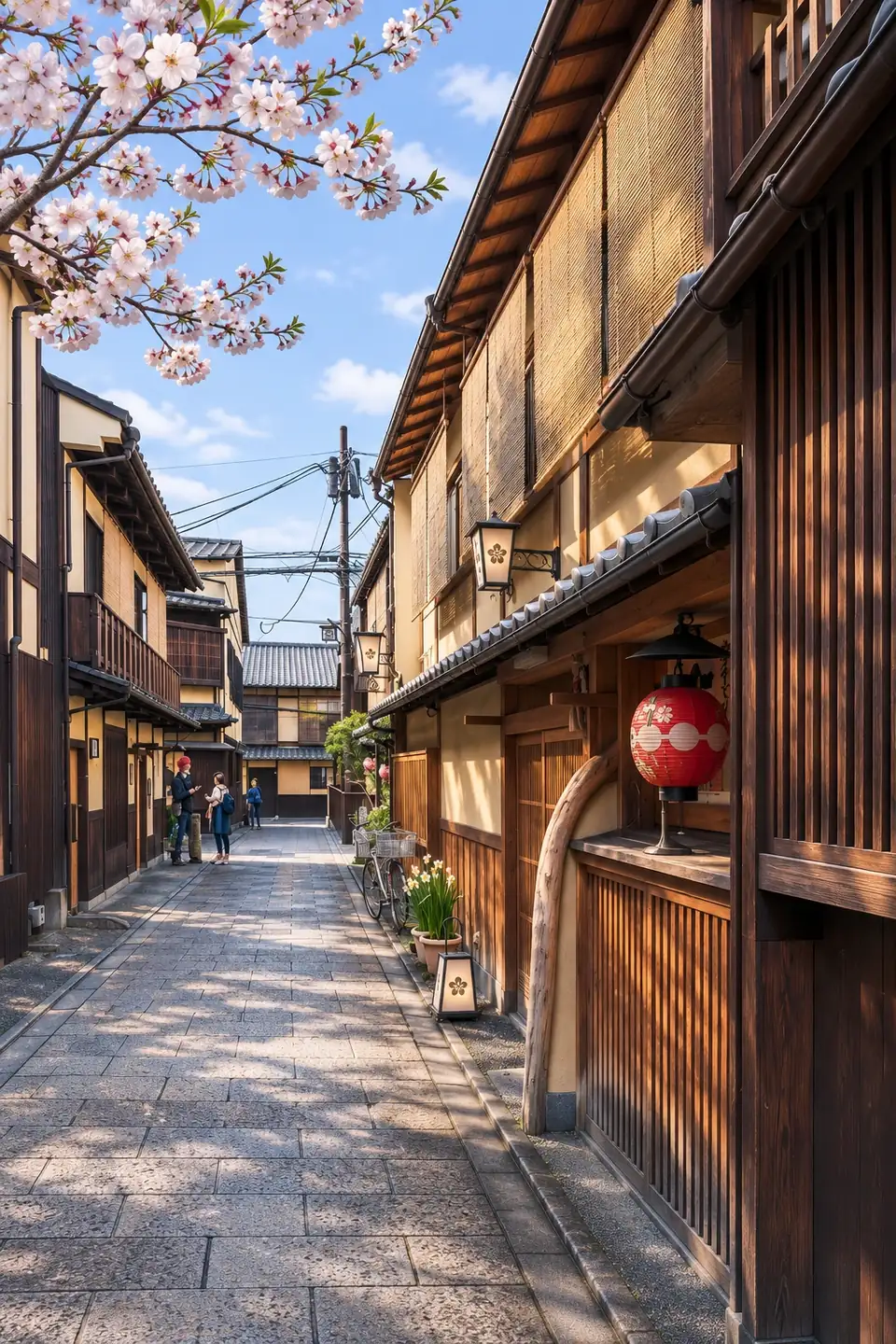 AI-rendered illustration
Gion
Gion is Kyoto's traditional entertainment district around Yasaka Shrine, the Kamo River and Higashioji-dori. It is known for its geiko and maiko culture, particularly in Gion Kobu and around Hanamikoji. Teahouses, restaurants, traditional buildings and small shops reward a leisurely visit. Kimono and yukata rentals are available, and the summer Gion Matsuri is a celebrated local festival.
Hanamikoji
Hanamikoji is one of Gion's most atmospheric historic streets. Associated with Kyoto's traditional entertainment culture since the Edo period, it remains a place where geiko and maiko may be seen on their way to engagements.
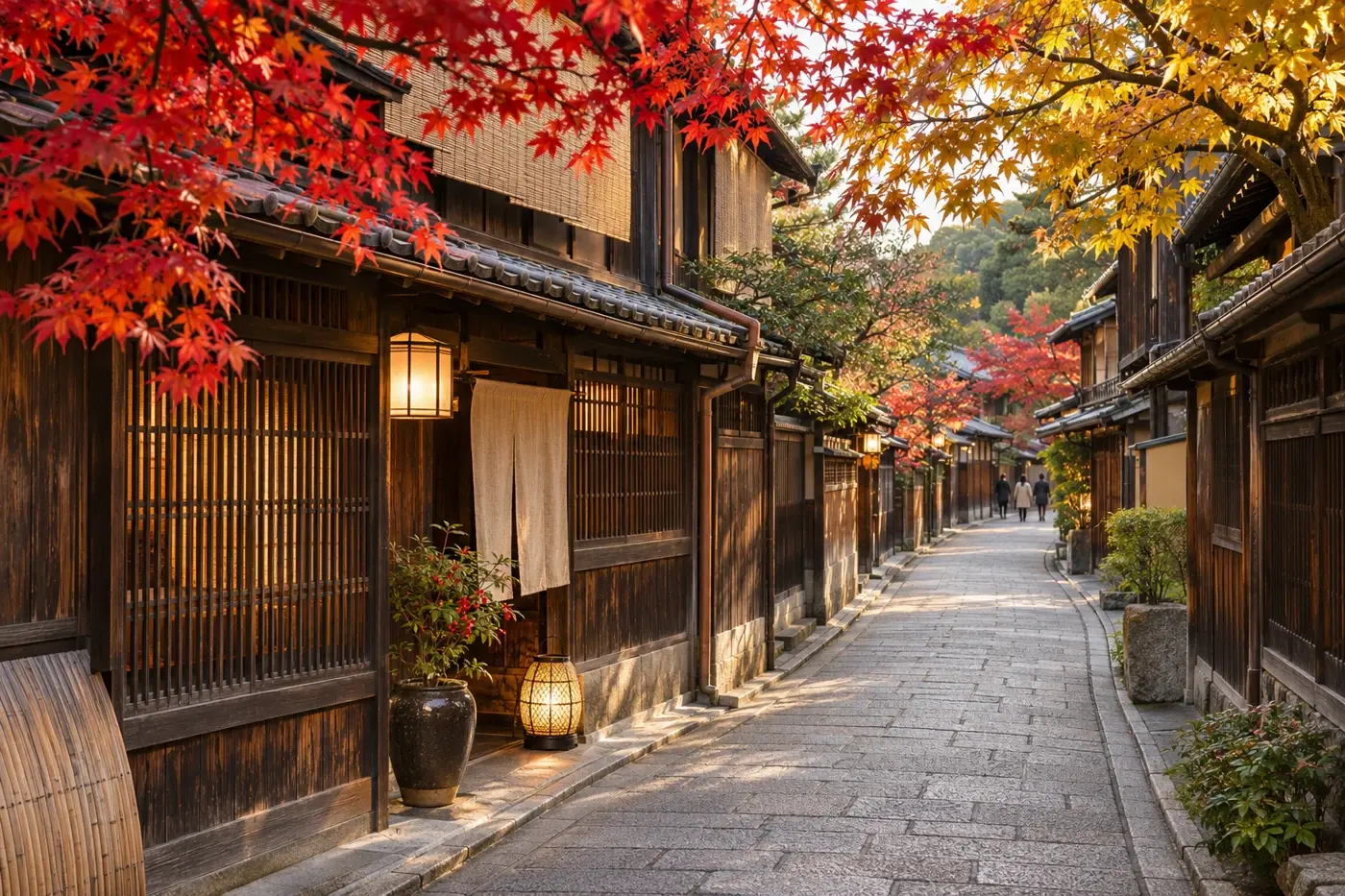
 AI-rendered illustration
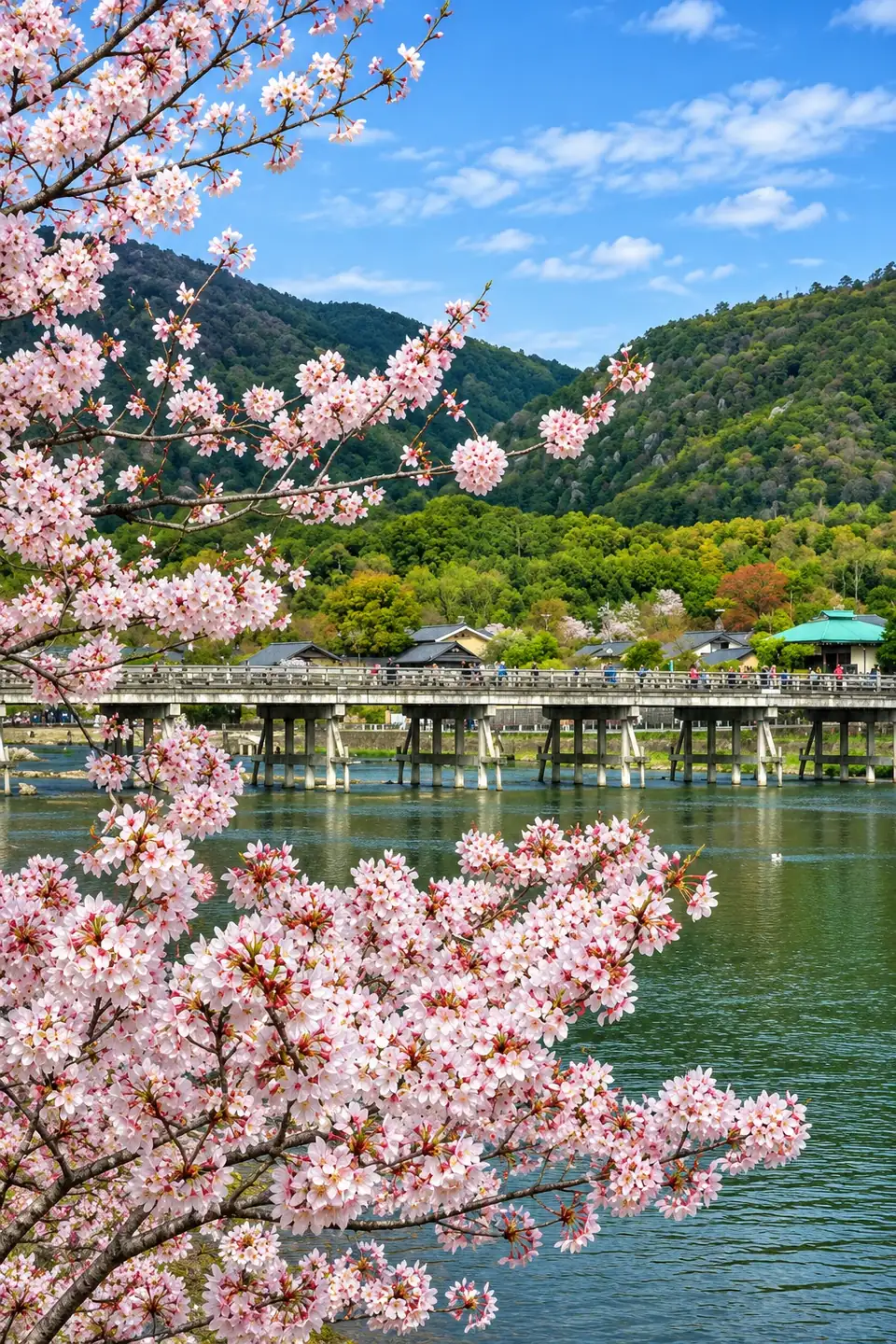
 AI-rendered illustration