Japan · 6 DAYS

Japanese Elegance & Ancient Capitals 6-Day Tour

Osaka → Kyoto → Kobe

Features temple Zen meditation, tea ceremony, flower arranging, matcha and sake tasting, full Japanese hot spring experience. Tour highlights lesser-known cultural spots in ancient capitals, savor refined Japanese elegance.

6 daysCulture & natureItinerary idea

Request this itinerary

Leave your details, and our travel specialists will get in touch by email or your preferred contact method.

Your specialist will confirm the itinerary, pricing and availability with you.

How we use your information

Your inquiry is sent to info@jasperlimo.com so our team can respond. Please do not include passport or payment details.

JOURNEY HIGHLIGHTS

Japan, made personal.

[Japanese Elegance & Ancient Capitals Tour - 6 Days] One week Japanese culture experience: tea ceremony, flower arrangement, gourmet food, Zen meditation, hot springs

Day 1 starts in Osaka → Kyoto. International airfare is arranged separately.

  • 01Features temple Zen meditation, tea ceremony, flower arranging, matcha and sake tasting, full Japanese hot spring experience.
  • 02Tour highlights lesser-known cultural spots in ancient capitals, savor refined Japanese elegance.
  • 03Explore Japanese dining traditions, including sukiyaki and fugu cuisine. Restaurant suggestions, reservations and any additional costs will be confirmed before booking.

Your journey, day by day

01

Osaka → Kyoto

Day 1 begins on arrival in Osaka. Local sightseeing and hotel check-in depend on your arrival time; international departure and flight days are not included. Continue locally from Osaka to Kyoto. Airport transfers can be arranged separately; inclusion depends on your confirmed proposal.

Day 1 begins on arrival in Osaka. Local sightseeing and hotel check-in depend on your arrival time; international departure and flight days are not included. Continue locally from Osaka to Kyoto. Airport transfers can be arranged separately; inclusion depends on your confirmed proposal.

Breakfast: at your own expense. Lunch: at your own expense. Dinner: at your own expense.

02

Kyoto

Morning: Visit World Heritage [Shimogamo Shrine], then enjoy [Kimono Dressing] experience. Afternoon: Head to [Kodaiji Temple] for [Zen Meditation]. Evening: Visit [Gion] corner stage for [Geisha Performance]. Recommended Dinner: Mishimatei - century-old sukiyaki restaurant.

AI-rendered illustration

Morning: Visit World Heritage [Shimogamo Shrine], then enjoy [Kimono Dressing] experience. Afternoon: Head to [Kodaiji Temple] for [Zen Meditation]. Evening: Visit [Gion] corner stage for [Geisha Performance]. Recommended Dinner: Mishimatei - century-old sukiyaki restaurant.

Breakfast: at the hotel. Lunch: at your own expense. Dinner: at your own expense.

Shimogamo Shrine

Shimogamo Shrine, officially Kamo Mioya Shrine, founded in the 8th century, is Kyoto’s oldest shrine and a UNESCO World Heritage Site. The verdant Tadasu no Mori forest before it is ancient woodland. The east and west main halls (honden) are prime examples of the nagare-zukuri style. Nearby Kamogawa Park is popular for cherry blossom viewing.

Kodaiji Temple

Located at the foot of Higashiyama Ryozen northeast of Yasaka Pagoda, officially Kodaiju Shozen Zen Temple, founded July 1624 with founder monk San'kō from Kennin-ji Temple. Existing buildings including Main Hall, Reijo Mausoleum, Umbrella Pavilion, Shigure Tea House, Front Gate, and Moon Viewing Platform are nationally designated cultural assets. Toyotomi Hideyoshi and his wife Nene are enshrined at Reijo, with Nene’s tomb beneath. The altar and Buddhist shrine feature exquisite lacquering with gold dust known as Kodaiji lacquerware, a famous Momoyama period art form.

GionAI-rendered illustration

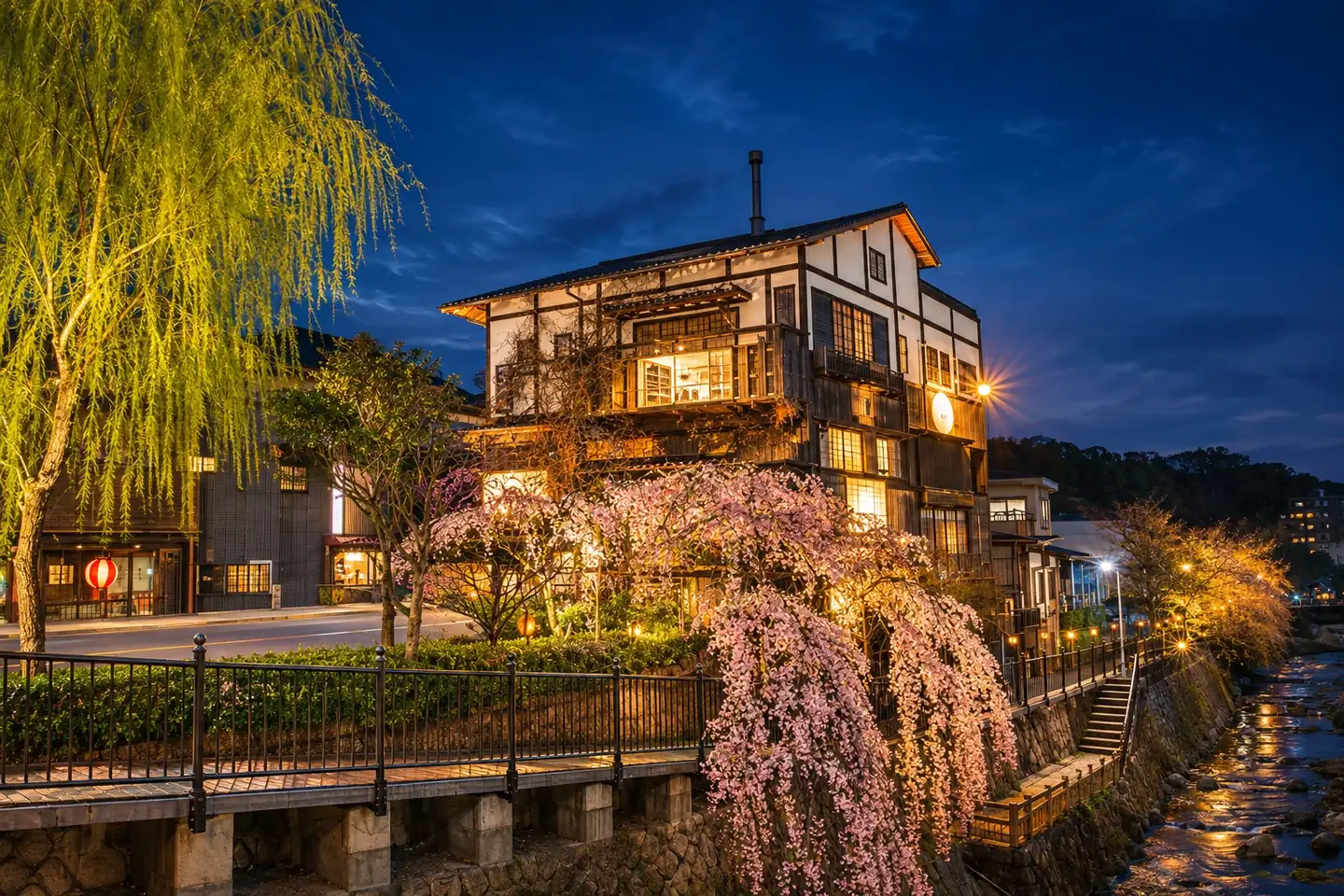
Gion

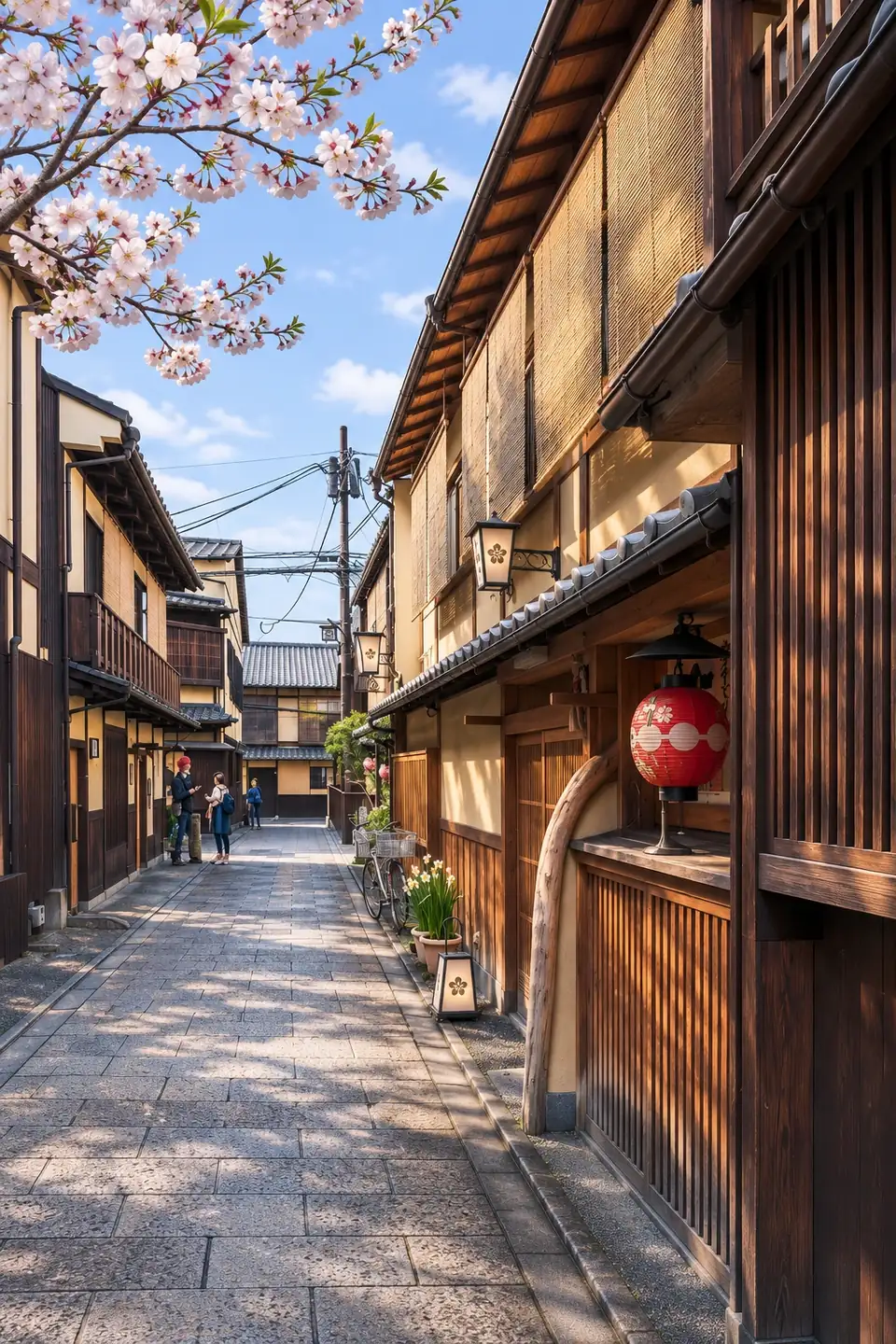
Gion is Kyoto's traditional entertainment district around Yasaka Shrine, the Kamo River and Higashioji-dori. It is known for its geiko and maiko culture, particularly in Gion Kobu and around Hanamikoji. Teahouses, restaurants, traditional buildings and small shops reward a leisurely visit. Kimono and yukata rentals are available, and the summer Gion Matsuri is a celebrated local festival.

03

Kyoto

Morning: Transfer to [Arashiyama], enjoy [Rickshaw Ride] and view the [Sagano Bamboo Forest]. Afternoon: Continue to Uji, visit the Byodoin Temple featured on Japan’s 10-yen coin. Then go to [Sanmi-en] Kanbayashi Sanin main store, a 500-year-old tea shop founded by the shogun’s official tea master, to experience [Matcha Making].

AI-rendered illustration

Morning: Transfer to [Arashiyama], enjoy [Rickshaw Ride] and view the [Sagano Bamboo Forest]. Afternoon: Continue to Uji, visit the Byodoin Temple featured on Japan’s 10-yen coin. Then go to [Sanmi-en] Kanbayashi Sanin main store, a 500-year-old tea shop founded by the shogun’s official tea master, to experience [Matcha Making].

Breakfast: at the hotel. Lunch: at your own expense. Dinner: at your own expense.

Arashiyama

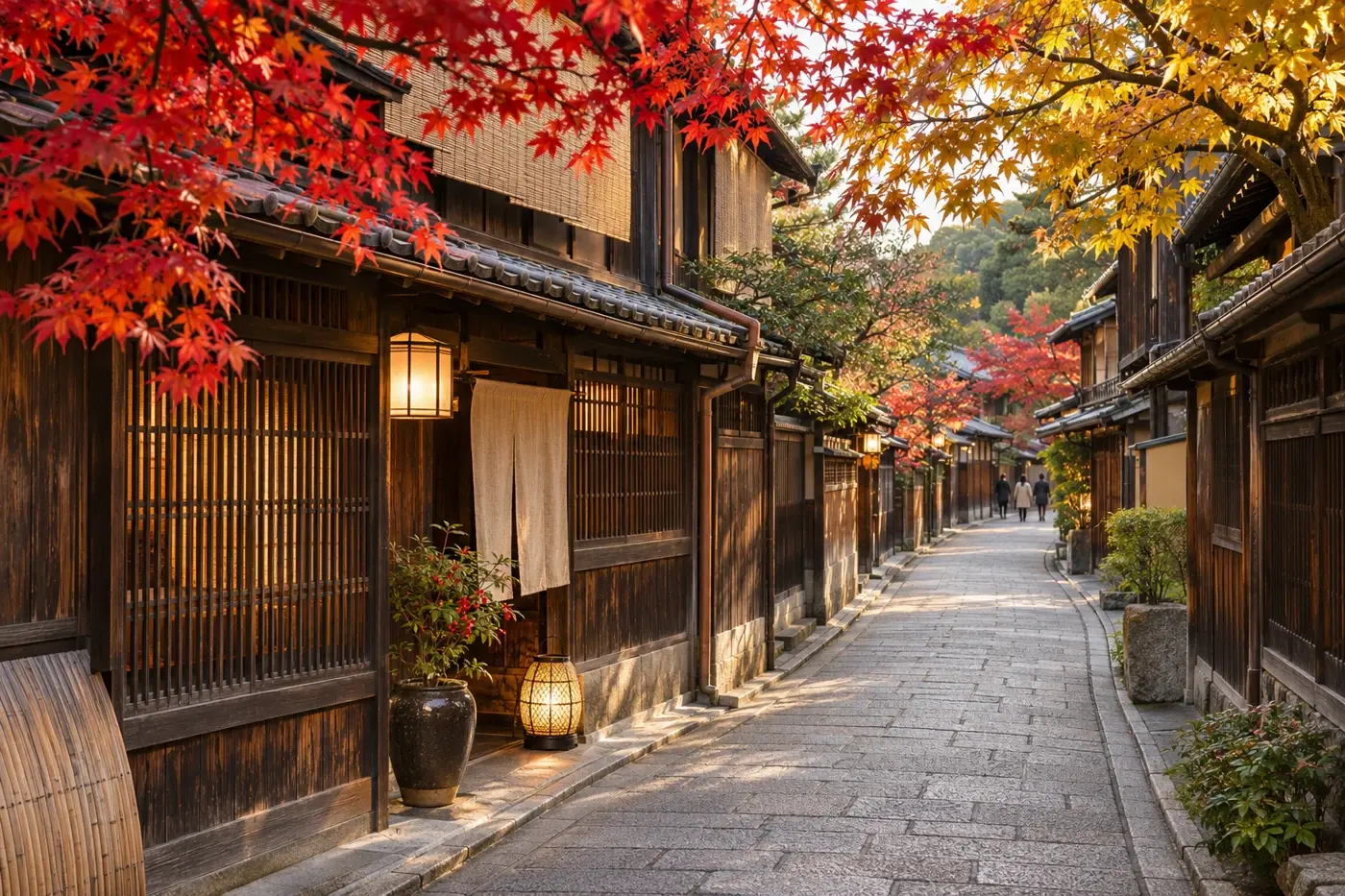
West of central Kyoto, Arashiyama has been a retreat for nobles and sightseers since the Heian period. Cherry trees and maples line the Katsura River, while the bamboo grove offers a memorable walk. Historic temples and shrines, scenery celebrated in Japanese literature and local hot springs add to the area's appeal.
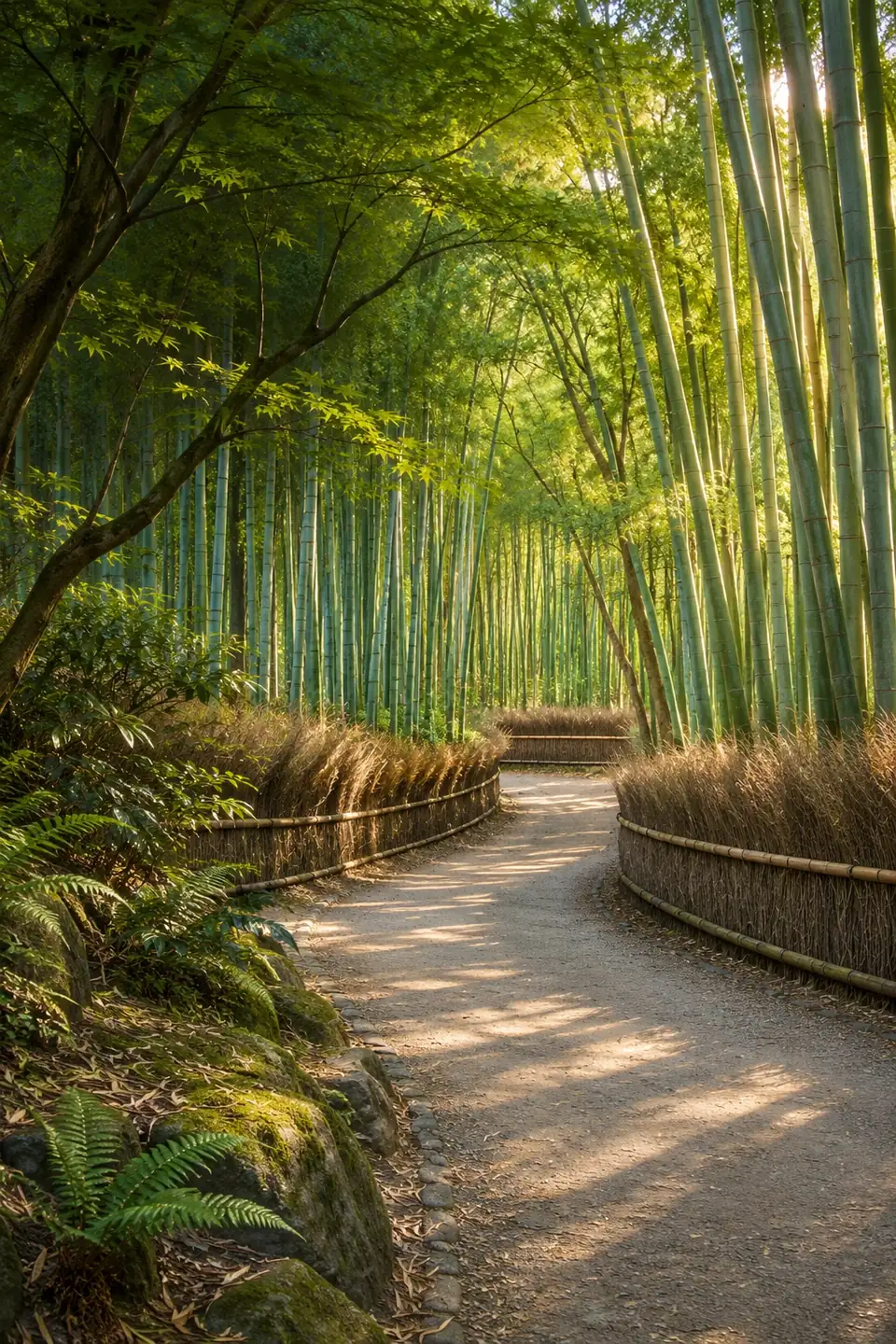
Sagano Bamboo GroveAI-rendered illustration

Sagano Bamboo Grove

The Sagano Bamboo Grove is a well-known walking area in Arashiyama, Kyoto. Tall bamboo surrounds the paths, creating a quiet, distinctive atmosphere. Nearby riverside scenery and Togetsukyo Bridge complete a visit to the area, with colorful foliage on the surrounding hills in autumn.

Byodo-in Temple

Byodo-in is a Heian-period temple with a pond garden beside the Uji River, facing Mount Asahi. Cherry blossoms, azaleas and lotus flowers provide seasonal color. Its Phoenix Hall extends outward like a bird spreading its wings and houses a seated Amida Buddha designated a National Treasure. The temple joined Kyoto's UNESCO World Heritage listing in 1994.
04

Kyoto → Kobe

Morning: Visit [Gekkeikan Sake Brewery]. Afternoon: Experience traditional Japanese [Ikenobo Ikebana] flower arrangement workshop with teacher. Then transfer to Kobe to relax in one of Japan’s oldest hot spring towns - [Arima Onsen], enjoying natural healing springs. Dinner: Kobe beef feast.

AI-rendered illustration

Morning: Visit [Gekkeikan Sake Brewery]. Afternoon: Experience traditional Japanese [Ikenobo Ikebana] flower arrangement workshop with teacher. Then transfer to Kobe to relax in one of Japan’s oldest hot spring towns - [Arima Onsen], enjoying natural healing springs. Dinner: Kobe beef feast.

Breakfast: at the hotel. Lunch: at your own expense. Dinner: at your own expense.

Gekkeikan Sake Brewery

Touring Gekkeikan Sake Brewery offers insight into the history of Japanese Fushimi sake, visits to fragrant fermentation cellars, and learning about sake production techniques.

Arima Onsen TownAI-rendered illustration

Arima Onsen Town

Arima Onsen is the oldest hot spring in the Kansai region, located in Arima Town, Kita Ward, Kobe City, Hyogo Prefecture. As one of Japan’s three major hot springs, it is a historic area with 1300 years of history, reportedly built in the 8th century by a Buddhist monk. Surrounded by mountains on three sides, it is a popular destination for cherry blossom viewing in spring and autumn leaf viewing, combined with its famous hot springs.

05

Kobe → Osaka

Morning: Stroll [Kobe Harbor] and visit Japan’s first Starbucks at [Kitano Ijinkan] for coffee. Afternoon: Return to Osaka and enjoy shopping at [Shinsaibashi]. Dinner: Fugu (blowfish) cuisine.

AI-rendered illustration

Morning: Stroll [Kobe Harbor] and visit Japan’s first Starbucks at [Kitano Ijinkan] for coffee. Afternoon: Return to Osaka and enjoy shopping at [Shinsaibashi]. Dinner: Fugu (blowfish) cuisine.

Breakfast: at the hotel. Lunch: at your own expense. Dinner: at your own expense.

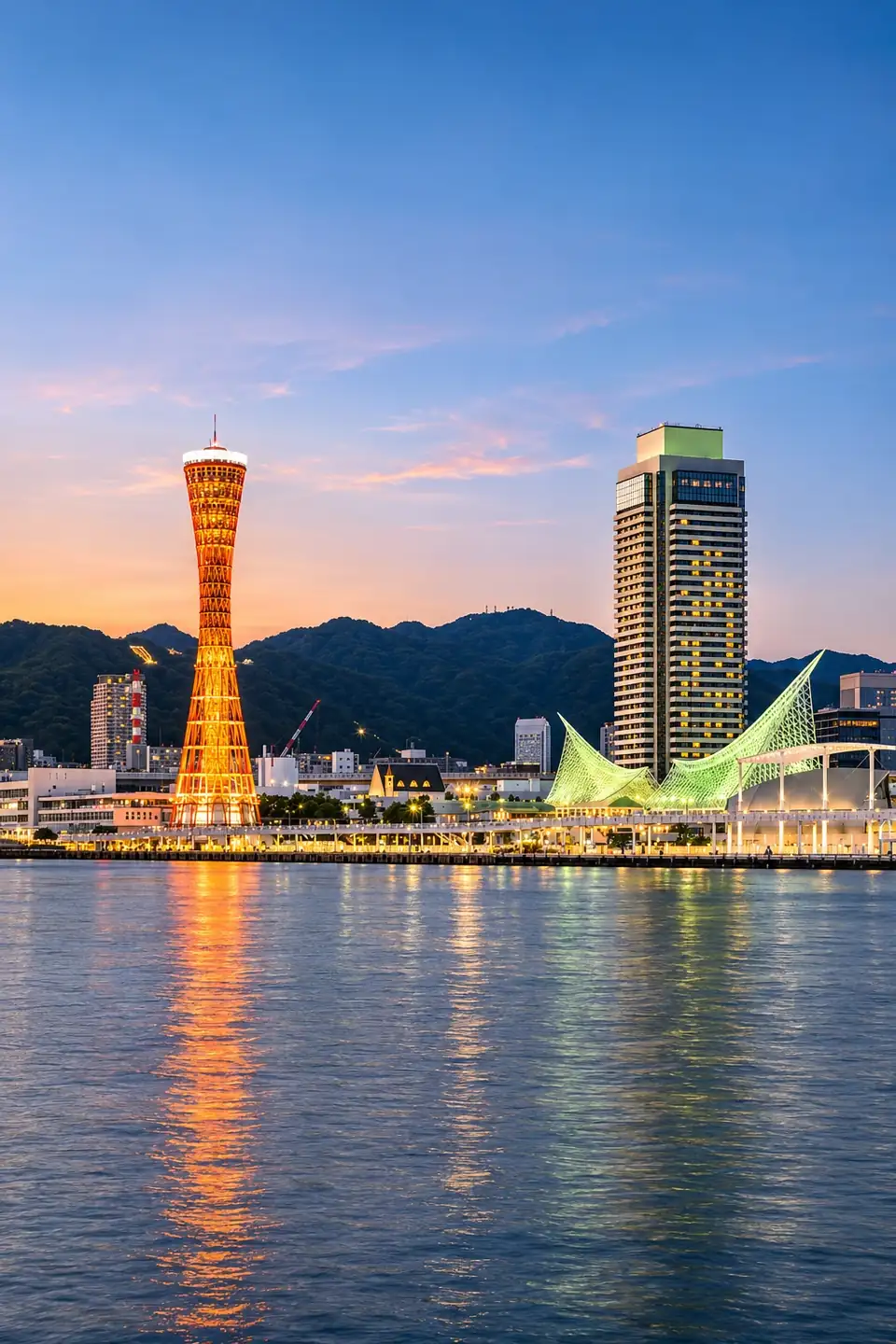
Kobe HarborAI-rendered illustration

Kobe Harbor

Kobe is one of Japan's major commercial ports. Its history as a foreign settlement since the Meiji era gives the waterfront an international character. The observation deck at Kobe Port Tower, approximately 91 meters above ground, offers views of the city and harbor. Waterfront events may include fireworks and outdoor concerts; schedules vary.

Kitano Ijinkan Street

Following Kobe’s port expansion in the late 1960s, Ijinkan Foreign Residences increased, giving Kitano Ijinkan Street a distinct exotic atmosphere. About twenty foreign residences are open to the public, including one converted from a former Swiss trader’s home into a restaurant, evoking the feel of a Western residence abroad.

Shinsaibashi

Shinsaibashi is one of Osaka's major shopping districts. Centered on the covered Shinsaibashi-suji arcade, it extends from Nagahori-dori toward Dotonbori. Boutiques, specialty stores, restaurants and department stores draw visitors throughout the day. Alongside shopping, enjoy Osaka specialties and international food, or explore nearby cinemas, theaters and nightlife.

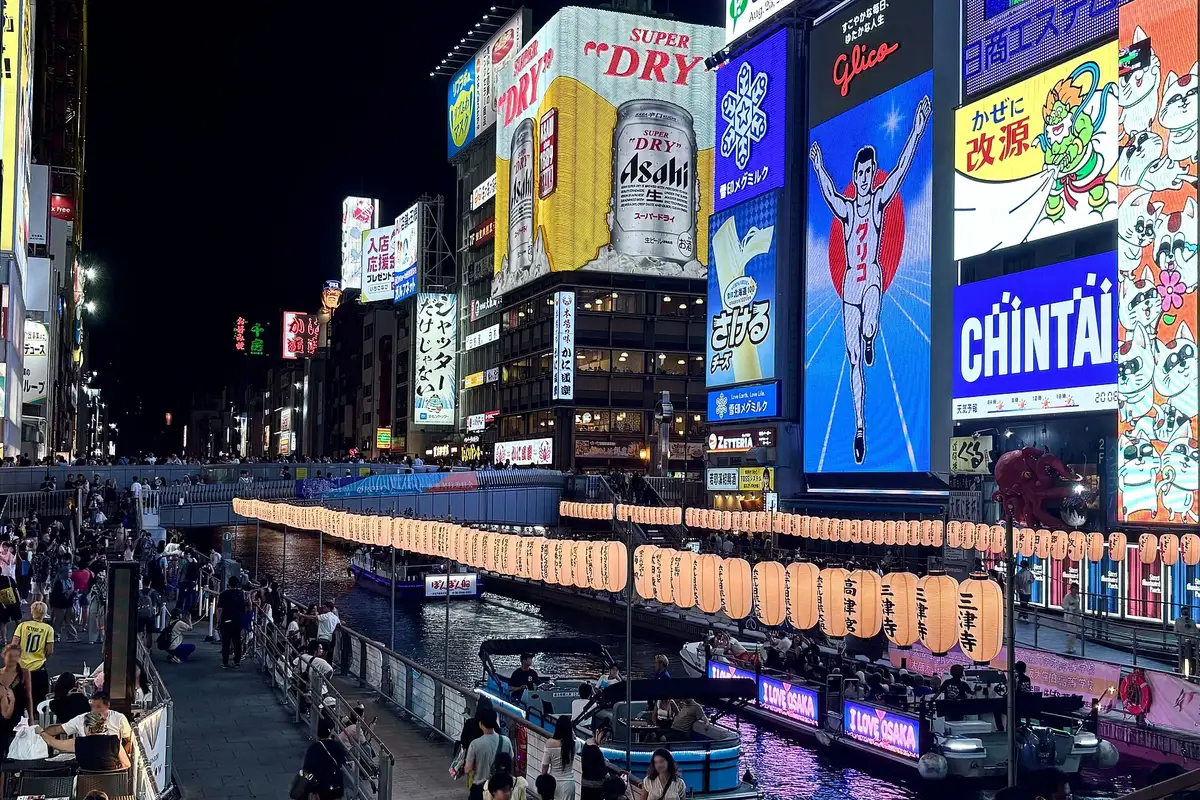
Dotonbori

Dotonbori is one of Osaka's liveliest districts and a landmark food destination. Try local favorites such as takoyaki, teppanyaki, grilled meat, kushikatsu, conveyor-belt sushi, pufferfish dishes and sweets. Even its smaller eateries can offer memorable tastes of Osaka.

06

Osaka

Enjoy free time as your departure schedule permits. Your itinerary ends locally in Osaka. An airport transfer can be arranged around your flight if needed. International return flights and the date you arrive home are not counted as itinerary days.

Enjoy free time as your departure schedule permits. Your itinerary ends locally in Osaka. An airport transfer can be arranged around your flight if needed. International return flights and the date you arrive home are not counted as itinerary days.

Breakfast: at the hotel. Lunch: at your own expense. Dinner: at your own expense.

YOUR ROUTE

Know the shape of your journey.

Starts in
Osaka
Ends in
Osaka
Local itinerary
6 days

A proposal shaped around you

Use this route as a starting point. Tell us your dates, pace and accommodation preferences.

Your quote will specify accommodation, guiding, transport, activities, meals and any optional arrangements before you book. International flights and airport transfers are discussed separately.

TRAVEL IN COMFORT

The right vehicle for your group.

Toyota Alphard

Up to 6 passengers

Toyota HiAce

Up to 9 passengers

Our main touring vehicles. We recommend a vehicle based on your group size and luggage. Maximum seating capacity does not guarantee room for all bags when every seat is occupied. Vehicle availability is confirmed for your destination.

More to discover

Shimogamo Shrine

Shimogamo Shrine, officially Kamo Mioya Shrine, founded in the 8th century, is Kyoto’s oldest shrine and a UNESCO World Heritage Site. The verdant Tadasu no Mori forest before it is ancient woodland. The east and west main halls (honden) are prime examples of the nagare-zukuri style. Nearby Kamogawa Park is popular for cherry blossom viewing.

Kyoto Kimono Dressing Experience

Kimono remain part of Japanese celebrations and traditional festivals. Choose a style and size that suit you, dress for photographs and experience an aspect of Japanese clothing and culture.

Kodaiji Temple

Located at the foot of Higashiyama Ryozen northeast of Yasaka Pagoda, officially Kodaiju Shozen Zen Temple, founded July 1624 with founder monk San'kō from Kennin-ji Temple. Existing buildings including Main Hall, Reijo Mausoleum, Umbrella Pavilion, Shigure Tea House, Front Gate, and Moon Viewing Platform are nationally designated cultural assets. Toyotomi Hideyoshi and his wife Nene are enshrined at Reijo, with Nene’s tomb beneath. The altar and Buddhist shrine feature exquisite lacquering with gold dust known as Kodaiji lacquerware, a famous Momoyama period art form.

Sagano Bamboo Grove

The Sagano Bamboo Grove is a well-known walking area in Arashiyama, Kyoto. Tall bamboo surrounds the paths, creating a quiet, distinctive atmosphere. Nearby riverside scenery and Togetsukyo Bridge complete a visit to the area, with colorful foliage on the surrounding hills in autumn.

Byodo-in Temple

Byodo-in is a Heian-period temple with a pond garden beside the Uji River, facing Mount Asahi. Cherry blossoms, azaleas and lotus flowers provide seasonal color. Its Phoenix Hall extends outward like a bird spreading its wings and houses a seated Amida Buddha designated a National Treasure. The temple joined Kyoto's UNESCO World Heritage listing in 1994.

Ikenobo School Ikebana Workshop

Japanese flower arranging (Ikebana) includes styles like Ikenobo, Ohara, and Sogetsu. Ikenobo is the most traditional and representative school, recognized as the origin of Japanese flower arranging, rooted in personal cultivation and mindfulness. Studying Ikenobo fosters inner calm, offering peace amid the noisy modern world.

Arima Onsen Town

Arima Onsen is the oldest hot spring in the Kansai region, located in Arima Town, Kita Ward, Kobe City, Hyogo Prefecture. As one of Japan’s three major hot springs, it is a historic area with 1300 years of history, reportedly built in the 8th century by a Buddhist monk. Surrounded by mountains on three sides, it is a popular destination for cherry blossom viewing in spring and autumn leaf viewing, combined with its famous hot springs.

Kobe Harbor

Kobe is one of Japan's major commercial ports. Its history as a foreign settlement since the Meiji era gives the waterfront an international character. The observation deck at Kobe Port Tower, approximately 91 meters above ground, offers views of the city and harbor. Waterfront events may include fireworks and outdoor concerts; schedules vary.

Before you go

This journey starts at the destination. Seasonal experiences, service inclusions and availability are confirmed with your personalized proposal.

Original source & photography · 6renyou ↗

Image credits and illustrations

BEFORE YOU PLAN

Travel planning, clearly explained.

OpenEast brings together Japan and South Korea itinerary ideas for travelers from North America, with China also part of our destination plans. Start with the local route, then consider flights and airport transfers around it.

When does Day 1 begin?

Day 1 begins at the destination. International departure-only and return flight days are not counted as destination days. Plan your flights around the local itinerary dates.

Are flights and airport transfers included?

International flights and airport transfers are confirmed separately. Do not assume they are included in a suggested itinerary.

Are these confirmed departures?

These routes are itinerary ideas. Dates, hotels, admissions, seasonal activities, prices and availability need confirmation in a personalized proposal before booking.

Can I book or send an inquiry here?

Use the inquiry form to contact our team. A submission confirmation appears only when the email service accepts your request. An inquiry does not reserve a service or take payment.

Explore Japan itineraries → · Explore South Korea itineraries →

1 / 5

Let’s plan your journey.

[Japanese Elegance & Ancient Capitals Tour - 6 Days] One week Japanese culture experience: tea ceremony, flower arrangement, gourmet food, Zen meditation, hot springs

Leave your details, and our travel specialists will get in touch by email or your preferred contact method.

Your specialist will confirm the itinerary, pricing and availability with you.

How we use your information

Your inquiry is sent to info@jasperlimo.com so our team can respond. Please do not include passport or payment details.

Start planning