Osaka Castle Park
Osaka Castle Park is a large green space in the heart of the city, with wooded grounds surrounding the landmark castle tower. From the tower, visitors can look out across Osaka.
Japan · 8 DAYS
Osaka → Nara → Kyoto → Hakone → Tokyo
An introduction to Japan combining historic cities with natural scenery. Discover traditional architecture and cultural heritage in Kansai.
JOURNEY HIGHLIGHTS
[First Encounter with Japan: Journey Through Ancient & Modern Honshu – 8 Days] Osaka + Kyoto + Nara + Hakone + Mt. Fuji + Tokyo
Day 1 starts in Osaka. International airfare is arranged separately.
Day 1 starts upon arrival in Osaka. Your local activities and hotel check-in will be arranged according to actual arrival time; international flights are not included in this itinerary. Planned attractions for the day: Osaka Castle Park, Shinsaibashi, Dotonbori; schedule adjusted based on arrival time. Airport transfers can be arranged separately; inclusion depends on confirmation in the plan.
 AI-rendered illustration
Day 1 starts upon arrival in Osaka. Your local activities and hotel check-in will be arranged according to actual arrival time; international flights are not included in this itinerary. Planned attractions for the day: Osaka Castle Park, Shinsaibashi, Dotonbori; schedule adjusted based on arrival time. Airport transfers can be arranged separately; inclusion depends on confirmation in the plan.
Breakfast: at your own expense. Lunch: at your own expense. Dinner: at your own expense.
Osaka Castle Park is a large green space in the heart of the city, with wooded grounds surrounding the landmark castle tower. From the tower, visitors can look out across Osaka.
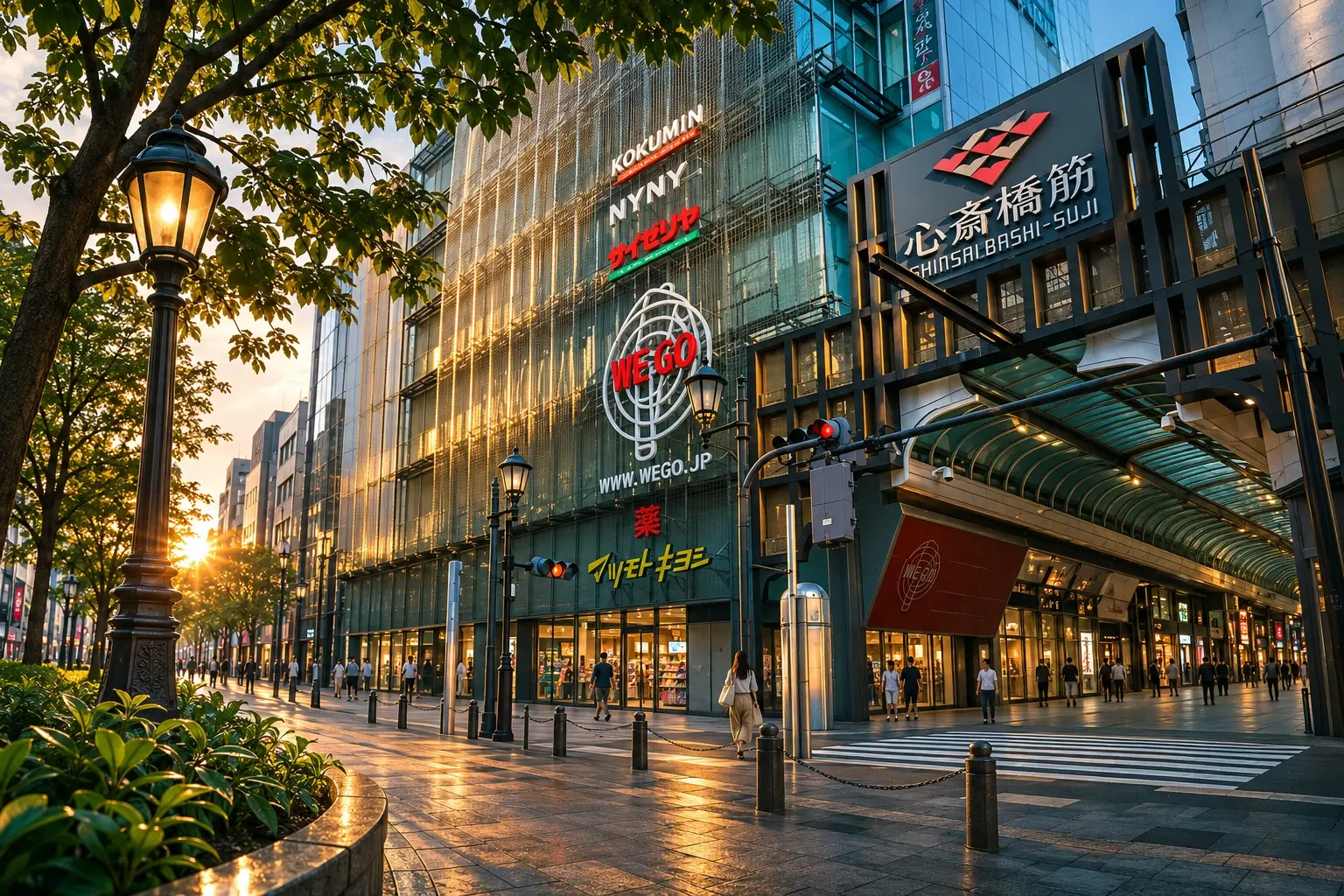
AI-rendered illustrationShinsaibashi is one of Osaka's major shopping districts. Centered on the covered Shinsaibashi-suji arcade, it extends from Nagahori-dori toward Dotonbori. Boutiques, specialty stores, restaurants and department stores draw visitors throughout the day. Alongside shopping, enjoy Osaka specialties and international food, or explore nearby cinemas, theaters and nightlife.
Dotonbori is one of Osaka's liveliest districts and a landmark food destination. Try local favorites such as takoyaki, teppanyaki, grilled meat, kushikatsu, conveyor-belt sushi, pufferfish dishes and sweets. Even its smaller eateries can offer memorable tastes of Osaka.
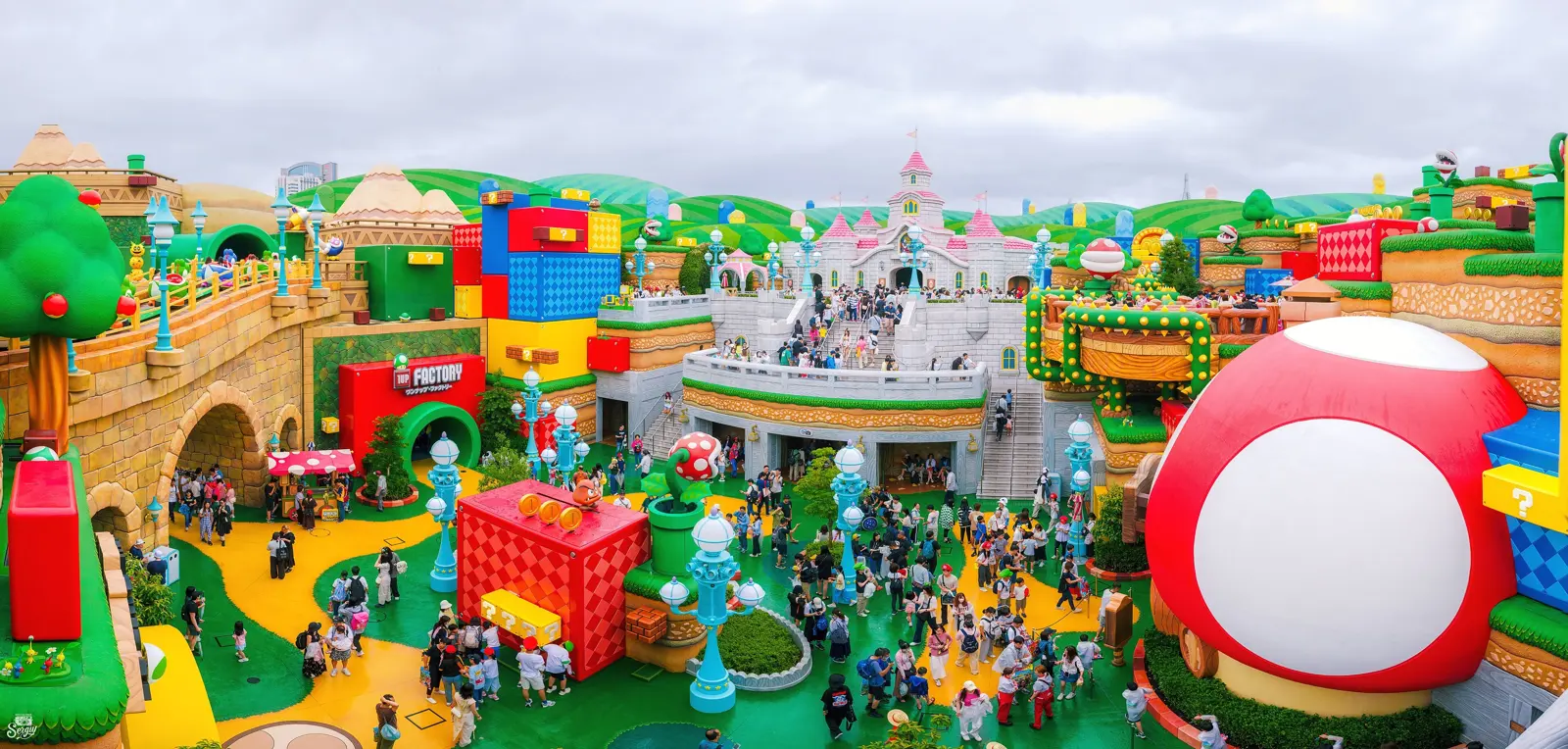
Spend the day at Universal Studios Japan in Osaka. Explore its themed areas and attractions according to your interests. Seasonal events, Express Pass availability and area timed-entry requirements must be checked for your visit date; no special access is promised before tickets are confirmed.
Spend the day at Universal Studios Japan in Osaka. Explore its themed areas and attractions according to your interests. Seasonal events, Express Pass availability and area timed-entry requirements must be checked for your visit date; no special access is promised before tickets are confirmed.
Breakfast: at the hotel. Lunch: at your own expense. Dinner: at your own expense.
Universal Studios Japan, often called USJ, is a popular Osaka theme park for both Japanese and international visitors. Film-themed attractions, immersive lands and lively entertainment make it a highlight of many Kansai family trips.
Morning: Travel to Nara, an ancient city older than Kyoto. Visit Nara Park to see free-roaming deer, experiencing a harmonious blend of nature and humanity. Explore Kasuga Taisha Shrine, one of Japan's most sacred religious sites. Afternoon: Transfer to Kyoto. Upon arrival, visit Kinkaku-ji (the Golden Pavilion), covered inside and out with gold leaf. In the evening, enjoy a stroll along the Kamo River and admire Kyoto's charming twilight.
 AI-rendered illustration
Morning: Travel to Nara, an ancient city older than Kyoto. Visit Nara Park to see free-roaming deer, experiencing a harmonious blend of nature and humanity. Explore Kasuga Taisha Shrine, one of Japan's most sacred religious sites. Afternoon: Transfer to Kyoto. Upon arrival, visit Kinkaku-ji (the Golden Pavilion), covered inside and out with gold leaf. In the evening, enjoy a stroll along the Kamo River and admire Kyoto's charming twilight.
Breakfast: at the hotel. Lunch: at your own expense. Dinner: at your own expense.
Nara Park stretches across the eastern side of the city, near Mount Wakakusa, Todai-ji Temple, Kasuga Taisha and the Nara National Museum. Deer roam the grounds and are protected as a national natural monument. Fresh spring greenery, autumn foliage and quieter off-season walks give the park year-round appeal.
Founded more than 1,300 years ago, Kasuga Taisha is Nara's guardian shrine and the principal shrine of the Kasuga tradition. Its buildings are renewed through a traditional 20-year cycle, and worship rituals take place morning and evening. Moss-covered stone lanterns line the approach, where Nara's deer can often be seen.
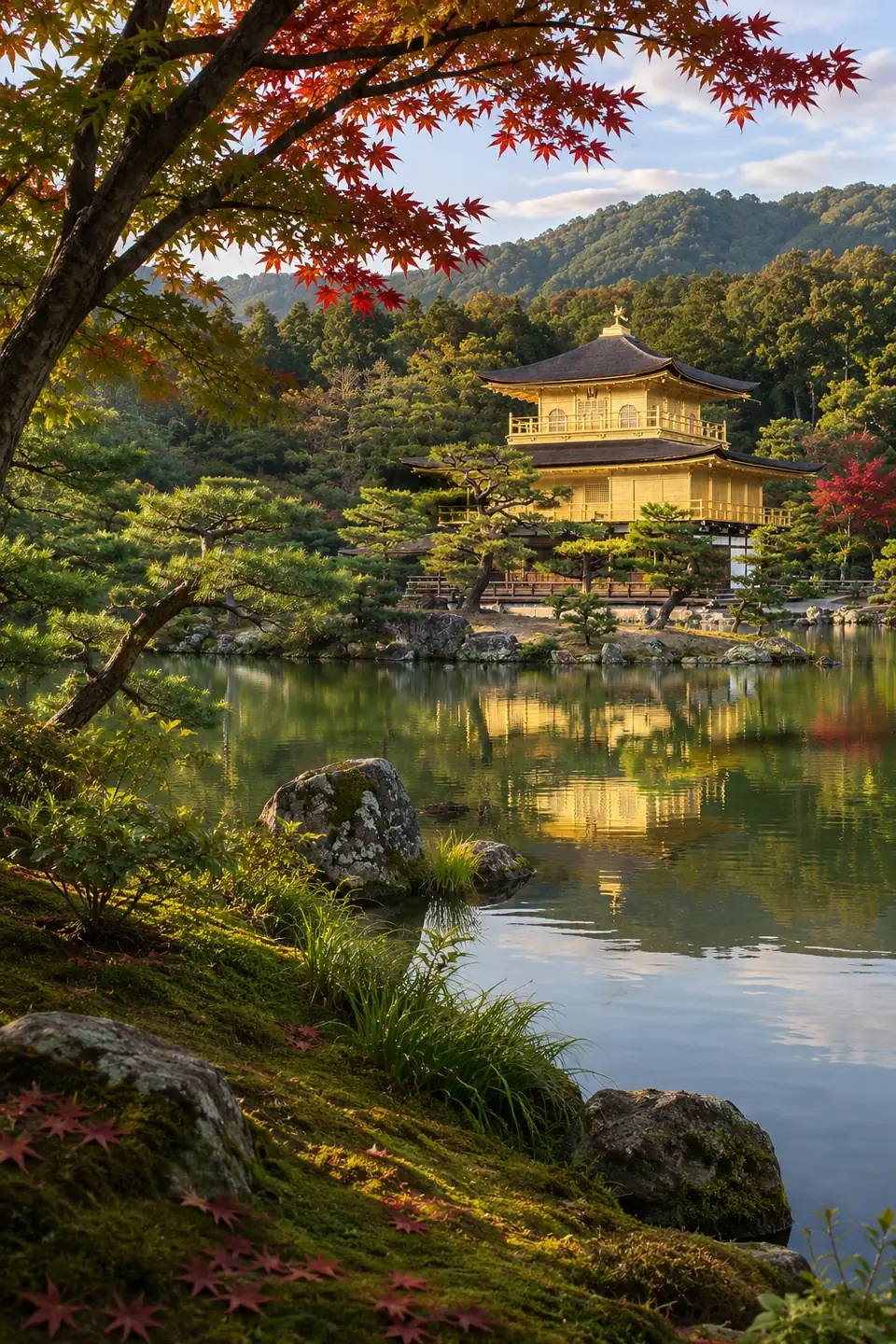
AI-rendered illustrationOfficially named Rokuon-ji, Kinkaku-ji developed from a villa associated with shogun Ashikaga Yoshimitsu into a Zen temple. Its familiar name, the Golden Pavilion, comes from the gold leaf covering its reliquary hall. The original pavilion was destroyed by arson in 1950; the golden structure seen today is a reconstruction.
The Kamo River runs through central Kyoto, with walking and cycling paths along its banks. Historic neighborhoods and dining areas overlook the water, particularly around Gion. Riverside views are appealing throughout the day and into the evening.
Full day sightseeing in Kyoto to experience the ancient capital's culture and Japanese style. Morning: Visit Fushimi Inari Taisha, one of Kyoto's most popular shrines. Afternoon: Tour Kiyomizu-dera, Kyoto's oldest temple, then stroll through Ninenzaka and Sannenzaka streets, followed by visits to Gion and Hanamikoji to soak up Kyoto's Japanese atmosphere.
 AI-rendered illustration
Full day sightseeing in Kyoto to experience the ancient capital's culture and Japanese style. Morning: Visit Fushimi Inari Taisha, one of Kyoto's most popular shrines. Afternoon: Tour Kiyomizu-dera, Kyoto's oldest temple, then stroll through Ninenzaka and Sannenzaka streets, followed by visits to Gion and Hanamikoji to soak up Kyoto's Japanese atmosphere.
Breakfast: at the hotel. Lunch: at your own expense. Dinner: at your own expense.
At the foot of Mount Inari in southern Kyoto, this historic shrine honors Inari, associated with harvests and prosperity in business. Beyond the main buildings, thousands of vermilion torii gates form paths up the mountain. The roughly four-kilometer circuit takes about two to three hours on foot and is one of Kyoto's best-known landscapes.
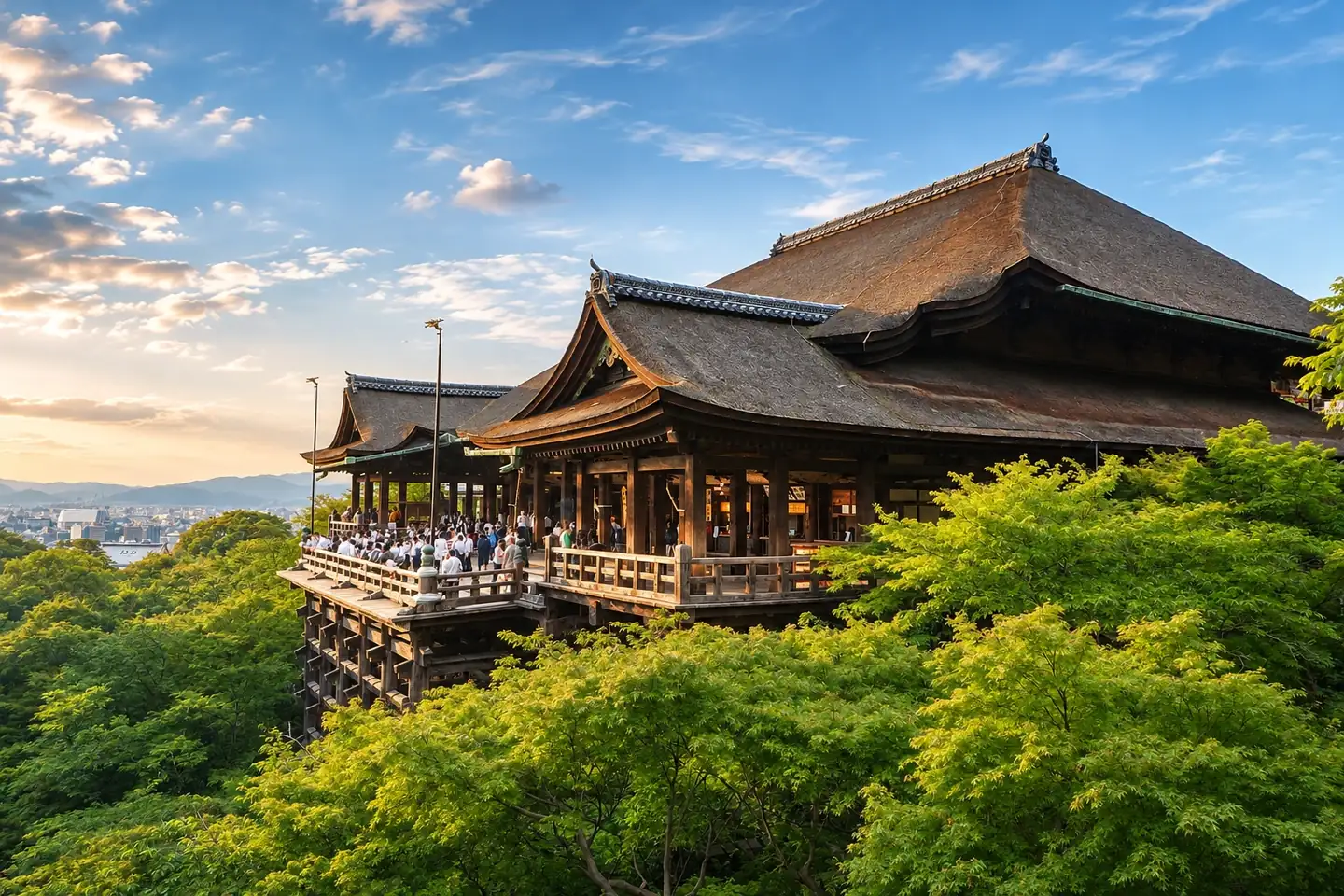
AI-rendered illustrationFounded in 778, before Kyoto became Japan's capital, Kiyomizu-dera stands on the slopes of Mount Otowa in eastern Kyoto. Following several fires, much of the present complex was rebuilt in 1631–1633 under the third Tokugawa shogun, Iemitsu. Its main hall is a National Treasure, while the Nio Gate, West Gate, three-story pagoda and bell tower are important cultural properties. In 1994 it became part of the UNESCO-listed Historic Monuments of Ancient Kyoto.
Ninenzaka and Sannenzaka are historic lanes in Kyoto lined with old wooden buildings and traditional shops. Ninenzaka is said to date to 807. These streets connect the area around Kiyomizu-dera with Nene-no-Michi and Kodai-ji.
Gion is Kyoto's traditional entertainment district around Yasaka Shrine, the Kamo River and Higashioji-dori. It is known for its geiko and maiko culture, particularly in Gion Kobu and around Hanamikoji. Teahouses, restaurants, traditional buildings and small shops reward a leisurely visit. Kimono and yukata rentals are available, and the summer Gion Matsuri is a celebrated local festival.
Hanamikoji is one of Gion's most atmospheric historic streets. Associated with Kyoto's traditional entertainment culture since the Edo period, it remains a place where geiko and maiko may be seen on their way to engagements.
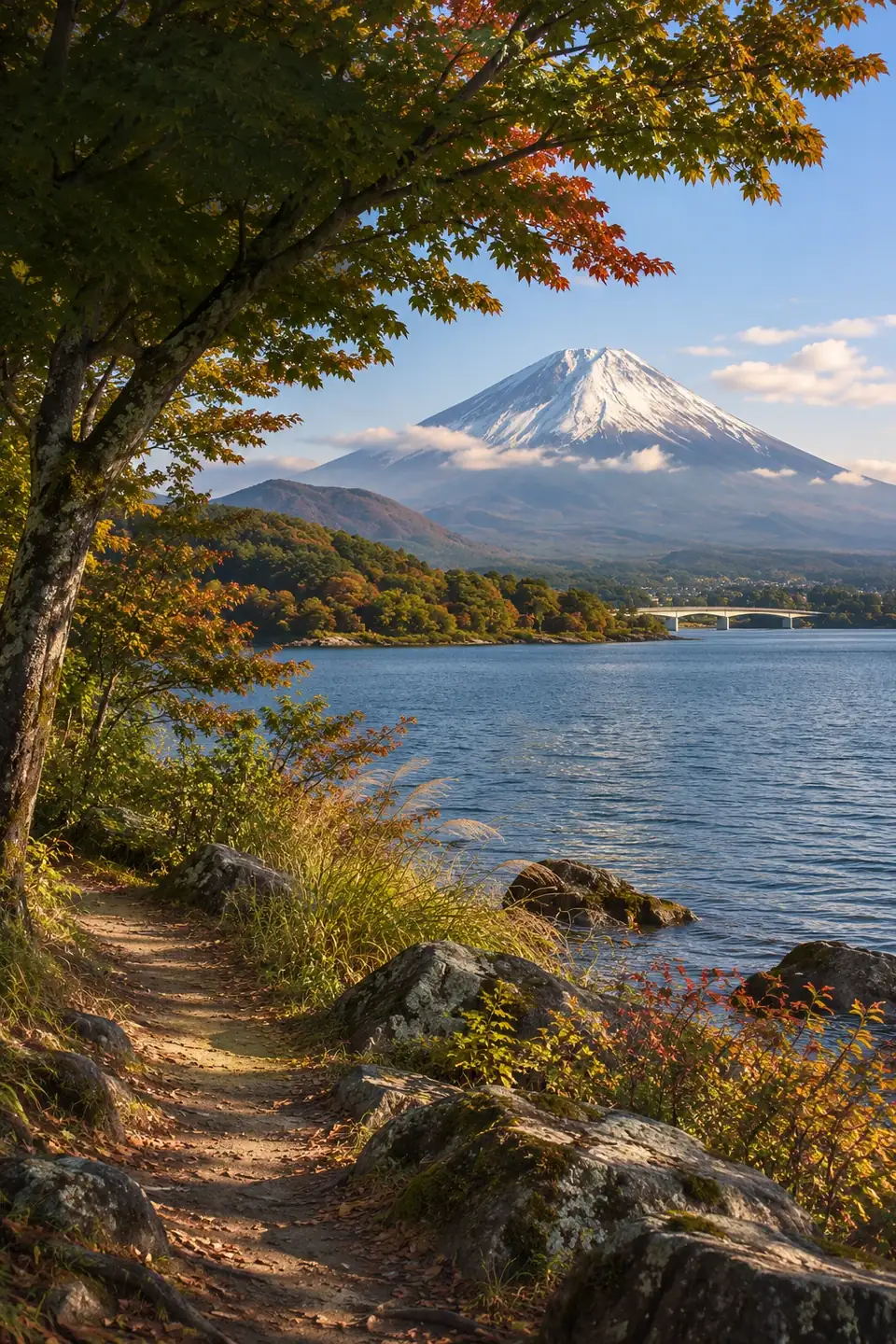
Morning: Take the Shinkansen to Hakone (approximately 2.5 hours). Afternoon: Enjoy a pirate ship cruise on Lake Ashi and visit the Glass Forest Museum. Evening: Overnight at a hot spring hotel.
 AI-rendered illustration
Morning: Take the Shinkansen to Hakone (approximately 2.5 hours). Afternoon: Enjoy a pirate ship cruise on Lake Ashi and visit the Glass Forest Museum. Evening: Overnight at a hot spring hotel.
Breakfast: at the hotel. Lunch: at your own expense. Dinner: at the hotel.
AI-rendered illustrationMount Fuji is Japan's highest mountain and a major national symbol. This active volcano straddles Shizuoka and Yamanashi prefectures, southwest of Tokyo and near Japan's Pacific coast.
The museum presents Venetian glass, including historic pieces and works associated with the Rothschild family. A striking outdoor installation described in the source, the eight-meter Fontana, uses approximately 45,000 crystal glass elements that catch the sunlight. A cafe complements the collection, with live music offered according to the current program.
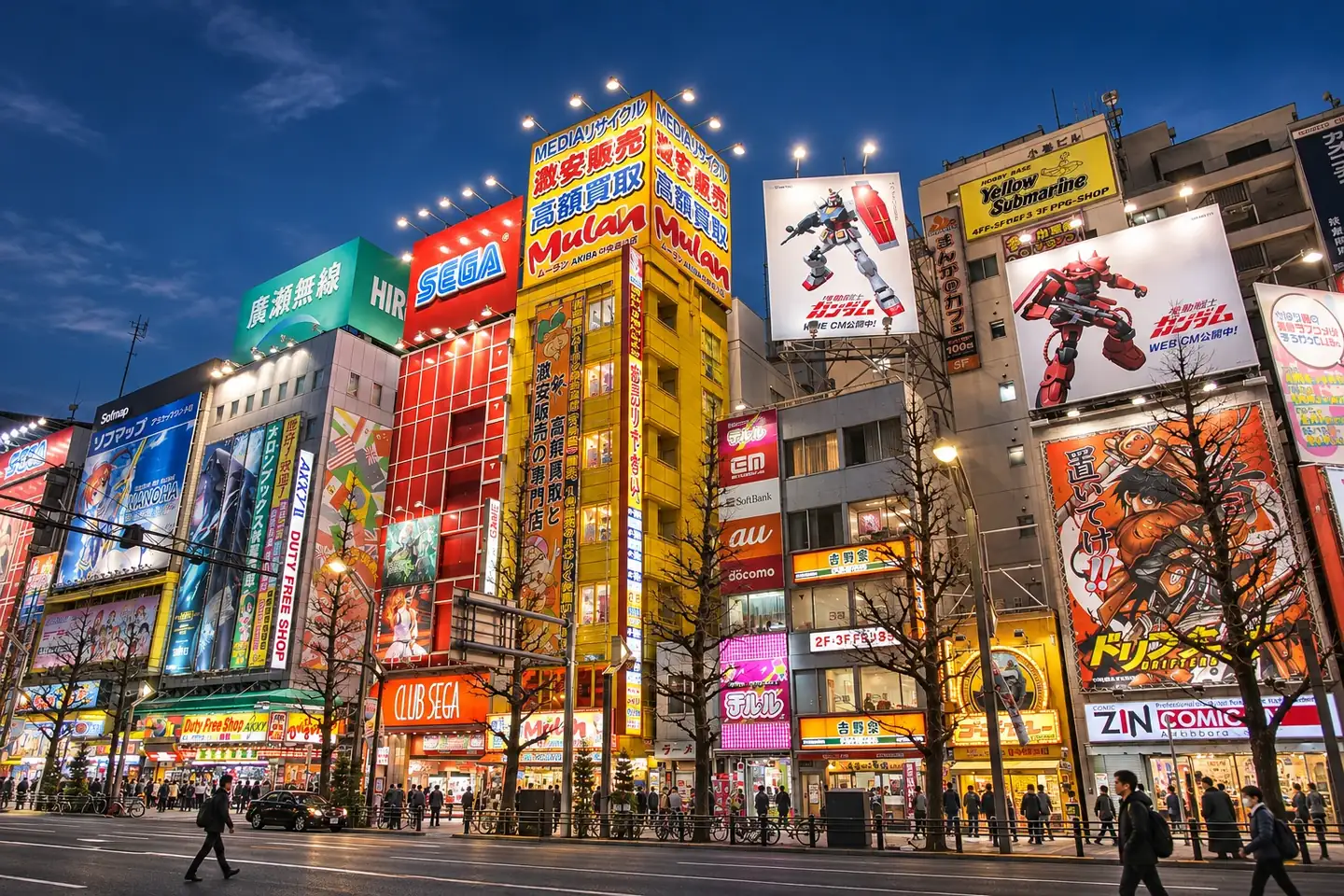
Morning: Travel from Hakone to Tokyo. Afternoon: Walk through the Japanese garden at the Outer Imperial Palace Gardens and explore Ueno Park, followed by a visit to Akihabara, the center for anime and electronic technology.
 AI-rendered illustration
Morning: Travel from Hakone to Tokyo. Afternoon: Walk through the Japanese garden at the Outer Imperial Palace Gardens and explore Ueno Park, followed by a visit to Akihabara, the center for anime and electronic technology.
Breakfast: at the hotel. Lunch: at your own expense. Dinner: at your own expense.
The Imperial Palace area includes the plaza, Nijubashi Bridge, Outer Gardens and East Gardens, extending between the Hibiya and Otemachi areas. It became the emperor's residence following the move from Kyoto during the Meiji era. Selected areas are open to visitors as public gardens; access varies by section.
Ueno Park, formally Ueno Onshi Park, covers approximately 530,000 square meters in Tokyo's Taito district. Established as a public park in the 19th century, its name reflects its transfer from imperial ownership to the city in 1924. Originally centered on Kanei-ji's temple buildings, mausoleums, Toshogu Shrine and cherry trees, it later developed into a cultural district with museums, a zoo and art galleries.
AI-rendered illustrationOften called Akiba, Akihabara is a Tokyo district historically associated with electronics and cutting-edge technology. Located in Chiyoda on the Yamanote Line, it has evolved into a busy neighborhood of specialty shops, businesses, restaurants and entertainment.
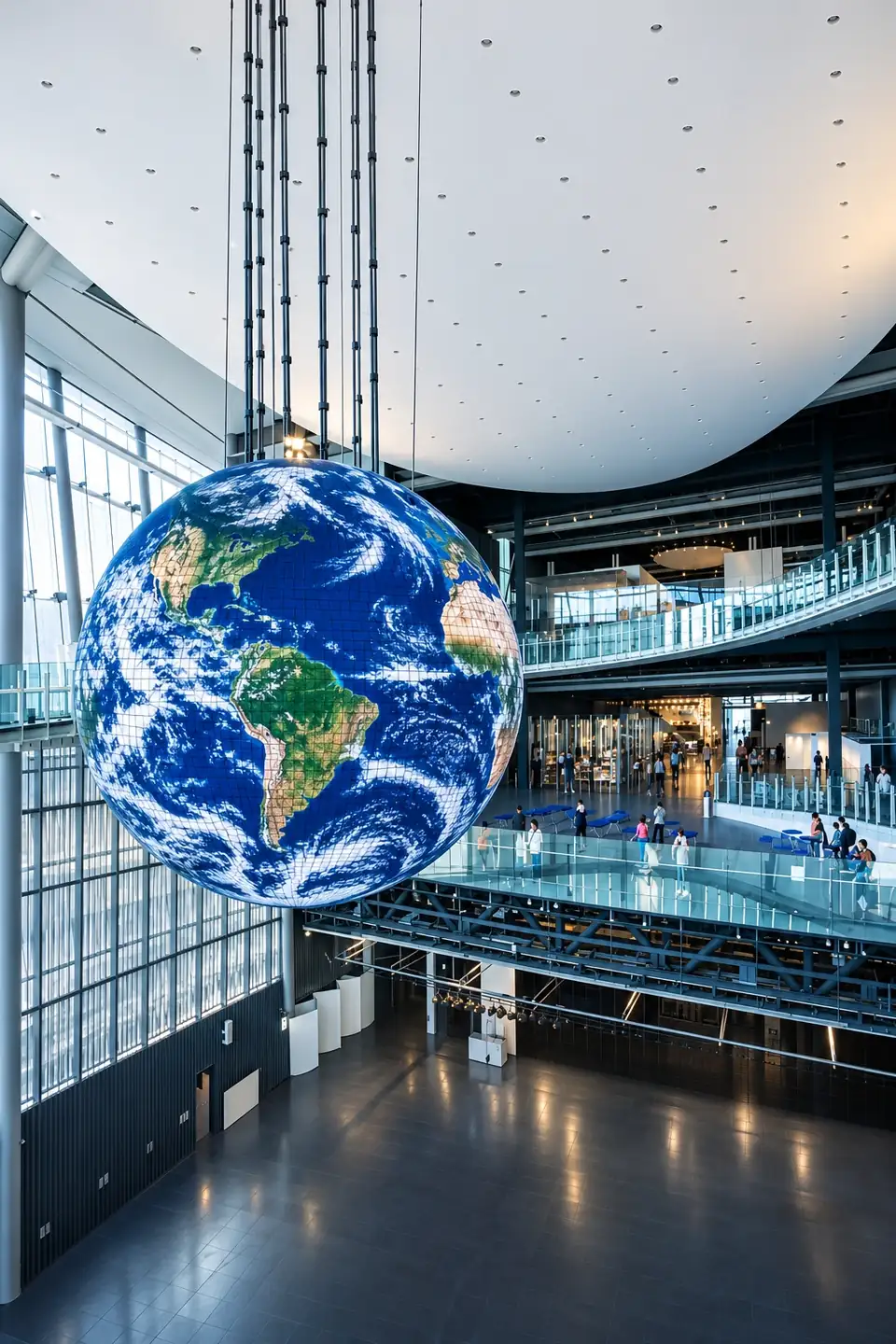
Morning: Visit Tokyo's oldest temple, Sensō-ji, near which is the Tokyo Skytree, a modern landmark of Asakusa. Then take a water bus to Odaiba. Afternoon: Enjoy time at Odaiba Seaside Park and visit the National Museum of Emerging Science and Innovation. Afterwards, shop around Ginza.
 AI-rendered illustration
Morning: Visit Tokyo's oldest temple, Sensō-ji, near which is the Tokyo Skytree, a modern landmark of Asakusa. Then take a water bus to Odaiba. Afternoon: Enjoy time at Odaiba Seaside Park and visit the National Museum of Emerging Science and Innovation. Afterwards, shop around Ginza.
Breakfast: at the hotel. Lunch: at your own expense. Dinner: at your own expense.
Senso-ji is Tokyo's oldest temple. The enormous lantern at Kaminarimon, the Thunder Gate, is a symbol of Asakusa. Between the gate and the main hall, Nakamise shopping street is lined with small stores selling souvenirs and snacks. Visitors also draw fortunes and tie designated fortune slips within the temple grounds.
Completed in February 2012 and opened to the public that May, Tokyo Skytree rises 634 meters above the city. Observation decks at approximately 350 and 450 meters offer panoramic views. Shops, restaurants and cafes complete the visitor facilities.
Odaiba Seaside Park is a waterfront setting frequently seen in Japanese television dramas. Its replica Statue of Liberty and views of Rainbow Bridge are familiar landmarks. Coastal walks, historic remains and the nearby Shiokaze Park add to a visit. Water-based activities depend on designated areas and current rules.
AI-rendered illustrationThe National Museum of Emerging Science and Innovation is an eight-story building with two basement levels, covering a total area of 8,881 square meters. Its mission is to share new 21st-century knowledge openly with all visitors. Exhibits cover Earth's natural sciences, recent advances in human technology, and environmental conservation. Unlike typical museums, it emphasizes visitor participation with science communicators and volunteers providing live explanations and interactive experiments, allowing visitors to engage with cutting-edge science and reflect on its impact and future.
GINZA SIX combines luxury shopping with cultural spaces. Architect Yoshio Taniguchi drew inspiration from noren, the fabric curtains traditionally hung at Japanese shop and restaurant entrances. Individual luxury brands contributed distinctive ground-floor facades, creating variety within the overall design.
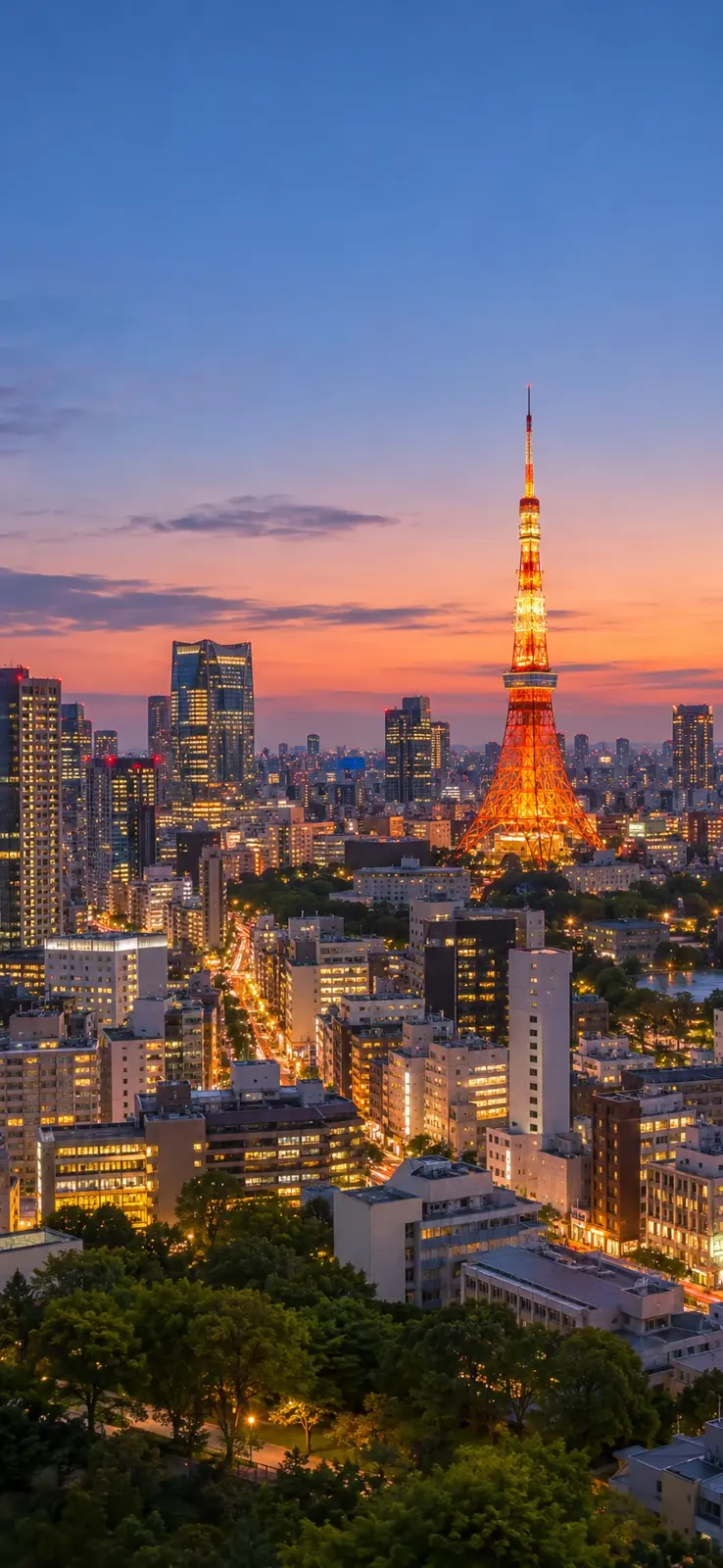
Enjoy free time as your departure schedule permits. Your itinerary ends locally in Tokyo. An airport transfer can be arranged around your flight if needed. International return flights and the date you arrive home are not counted as itinerary days.
Enjoy free time as your departure schedule permits. Your itinerary ends locally in Tokyo. An airport transfer can be arranged around your flight if needed. International return flights and the date you arrive home are not counted as itinerary days.
Breakfast: at the hotel. Lunch: at your own expense. Dinner: at your own expense.
YOUR ROUTE
Use this route as a starting point. Tell us your dates, pace and accommodation preferences.
Your quote will specify accommodation, guiding, transport, activities, meals and any optional arrangements before you book. International flights and airport transfers are discussed separately.
TRAVEL IN COMFORT
Up to 6 passengers

Up to 9 passengers

Our main touring vehicles. We recommend a vehicle based on your group size and luggage. Maximum seating capacity does not guarantee room for all bags when every seat is occupied. Vehicle availability is confirmed for your destination.
Officially named Rokuon-ji, Kinkaku-ji developed from a villa associated with shogun Ashikaga Yoshimitsu into a Zen temple. Its familiar name, the Golden Pavilion, comes from the gold leaf covering its reliquary hall. The original pavilion was destroyed by arson in 1950; the golden structure seen today is a reconstruction.
At the foot of Mount Inari in southern Kyoto, this historic shrine honors Inari, associated with harvests and prosperity in business. Beyond the main buildings, thousands of vermilion torii gates form paths up the mountain. The roughly four-kilometer circuit takes about two to three hours on foot and is one of Kyoto's best-known landscapes.
Mount Fuji is Japan's highest mountain and a major national symbol. This active volcano straddles Shizuoka and Yamanashi prefectures, southwest of Tokyo and near Japan's Pacific coast.
Senso-ji is Tokyo's oldest temple. The enormous lantern at Kaminarimon, the Thunder Gate, is a symbol of Asakusa. Between the gate and the main hall, Nakamise shopping street is lined with small stores selling souvenirs and snacks. Visitors also draw fortunes and tie designated fortune slips within the temple grounds.
Completed in February 2012 and opened to the public that May, Tokyo Skytree rises 634 meters above the city. Observation decks at approximately 350 and 450 meters offer panoramic views. Shops, restaurants and cafes complete the visitor facilities.
Nara Park stretches across the eastern side of the city, near Mount Wakakusa, Todai-ji Temple, Kasuga Taisha and the Nara National Museum. Deer roam the grounds and are protected as a national natural monument. Fresh spring greenery, autumn foliage and quieter off-season walks give the park year-round appeal.
Osaka Castle Park is a large green space in the heart of the city, with wooded grounds surrounding the landmark castle tower. From the tower, visitors can look out across Osaka.
Lake Ashi formed through volcanic activity more than 3,000 years ago. On clear days, Mount Fuji rises beyond its waters. Colorful pirate-style sightseeing ships, with tall masts and decorative figureheads, add a playful contrast to the peaceful landscape. From the deck, enjoy the breeze and changing seasonal views, from sunlit water to mist-shrouded hills.
This journey starts at the destination. Seasonal experiences, service inclusions and availability are confirmed with your personalized proposal.
Original source & photography · 6renyou ↗BEFORE YOU PLAN
OpenEast brings together Japan and South Korea itinerary ideas for travelers from North America, with China also part of our destination plans. Start with the local route, then consider flights and airport transfers around it.
Day 1 begins at the destination. International departure-only and return flight days are not counted as destination days. Plan your flights around the local itinerary dates.
International flights and airport transfers are confirmed separately. Do not assume they are included in a suggested itinerary.
These routes are itinerary ideas. Dates, hotels, admissions, seasonal activities, prices and availability need confirmation in a personalized proposal before booking.
Use the inquiry form to contact our team. A submission confirmation appears only when the email service accepts your request. An inquiry does not reserve a service or take payment.
Explore Japan itineraries → · Explore South Korea itineraries →