Japan · 7 DAYS

Leisurely Kanto 7-Day Tour

Tokyo → Yamanashi Prefecture → Shizuoka → Hakone → Kamakura

Stroll through Tokyo to enjoy nature, culture, tradition, and modern fashion. Visit Japan’s sacred mountain Mt. Fuji to experience one of the country’s most picturesque landscapes.

7 daysCulture & natureItinerary idea

Request this itinerary

Leave your details, and our travel specialists will get in touch by email or your preferred contact method.

Your specialist will confirm the itinerary, pricing and availability with you.

How we use your information

Your inquiry is sent to info@jasperlimo.com so our team can respond. Please do not include passport or payment details.

JOURNEY HIGHLIGHTS

Japan, made personal.

Leisurely Kanto 7-Day Tour: Tokyo + Mt. Fuji + Hakone + Kamakura + Paragliding + Hot Springs + Kimono Experience

Day 1 starts in Tokyo. International airfare is arranged separately.

  • 01Stroll through Tokyo to enjoy nature, culture, tradition, and modern fashion.
  • 02Visit Japan’s sacred mountain Mt. Fuji to experience one of the country’s most picturesque landscapes.
  • 03Explore Kamakura, a charming seaside town on Japan's Shonan Coast in the Kanto region.

Your journey, day by day

01

Tokyo

Day 1 begins upon your arrival in Tokyo. Local itinerary and hotel check-in will be arranged based on your arrival time. International departures and cross-border flights are not included in this itinerary. Planned attractions for the day: Shinjuku, Omoide Yokocho in Shinjuku, Tokyu Hands; schedule subject to arrival time. Airport transfers can be arranged separately; inclusion depends on your specific plan.

AI-rendered illustration

Day 1 begins upon your arrival in Tokyo. Local itinerary and hotel check-in will be arranged based on your arrival time. International departures and cross-border flights are not included in this itinerary. Planned attractions for the day: Shinjuku, Omoide Yokocho in Shinjuku, Tokyu Hands; schedule subject to arrival time. Airport transfers can be arranged separately; inclusion depends on your specific plan.

Breakfast: at your own expense. Lunch: at your own expense. Dinner: at your own expense.

ShinjukuAI-rendered illustration

Shinjuku

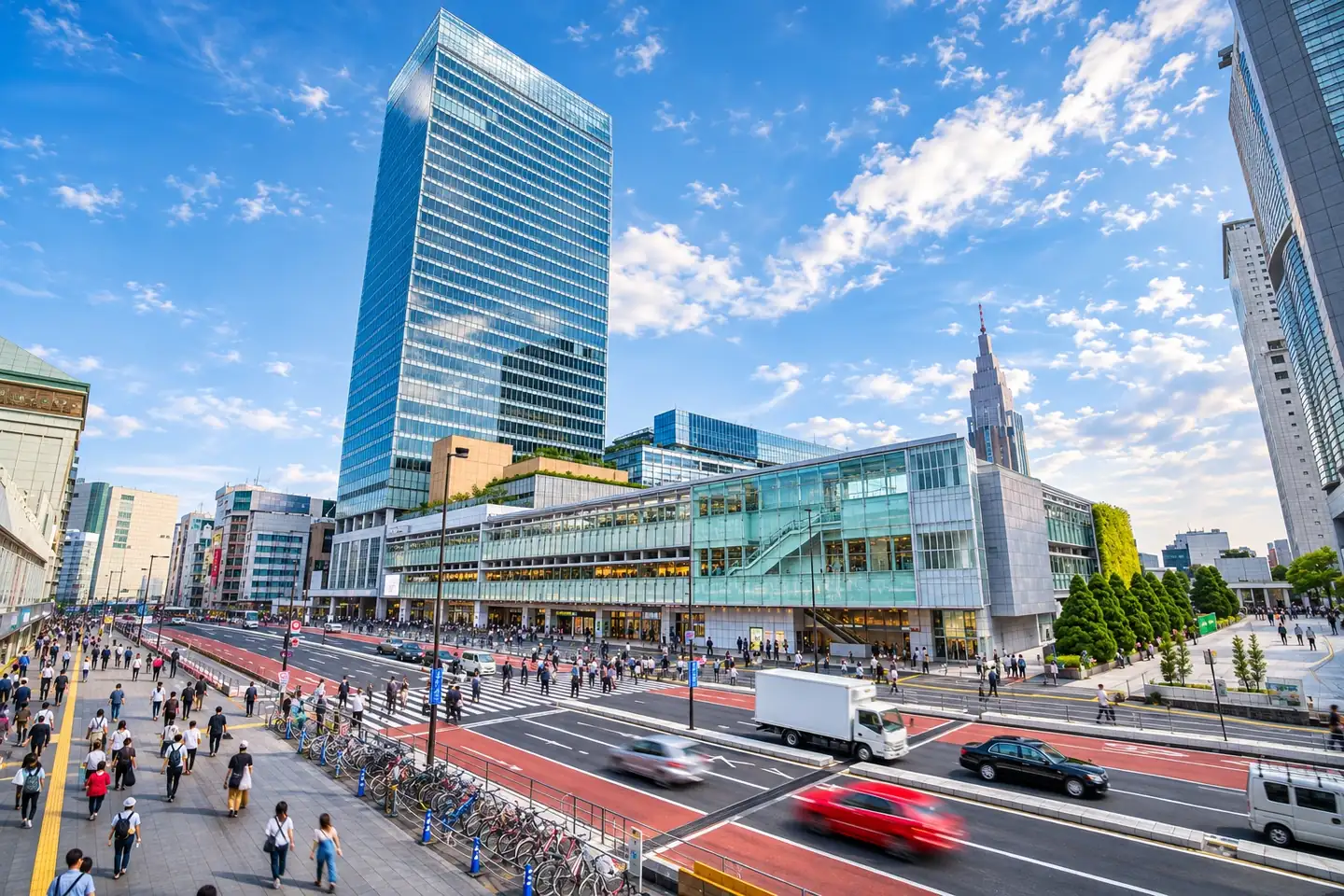
Shinjuku is one of the 23 special wards of Tokyo and is among Japan’s most famous bustling commercial districts. Alongside Shibuya and Ikebukuro, it forms one of Tokyo's three major sub-centers. Shinjuku's shopping streets are vibrant and bustling, featuring the well-known entertainment district Kabukicho. Shinjuku Ni-chome is one of Japan’s largest LGBTQ+ districts, alongside Osaka's Doyama-cho. You’ll find numerous shopping spots, including the famous Isetan department store, Don Quijote discount store, Mitsukoshi, and Odakyu, perfect for avid shoppers.

Omoide Yokocho, Shinjuku

Omoide Yokocho, meaning "Memory Lane," is a retro food alley near Shinjuku Station's west exit, frequented mostly by locals. The area features over 90 authentic small eateries offering sushi, ramen, skewers, and more, complemented by Japanese sake and shochu. It's a great spot to experience Japan's warm hospitality.

Tokyu Hands Shinjuku

Tokyu Hands in Shinjuku spans seven floors filled with every kind of product you can imagine—from practical household goods and crafts to gardening supplies and a dazzling variety of Japanese stationery. It’s a shopper’s paradise where visitors often leave with shopping bags full; a truly addictive place to explore!

02

Tokyo

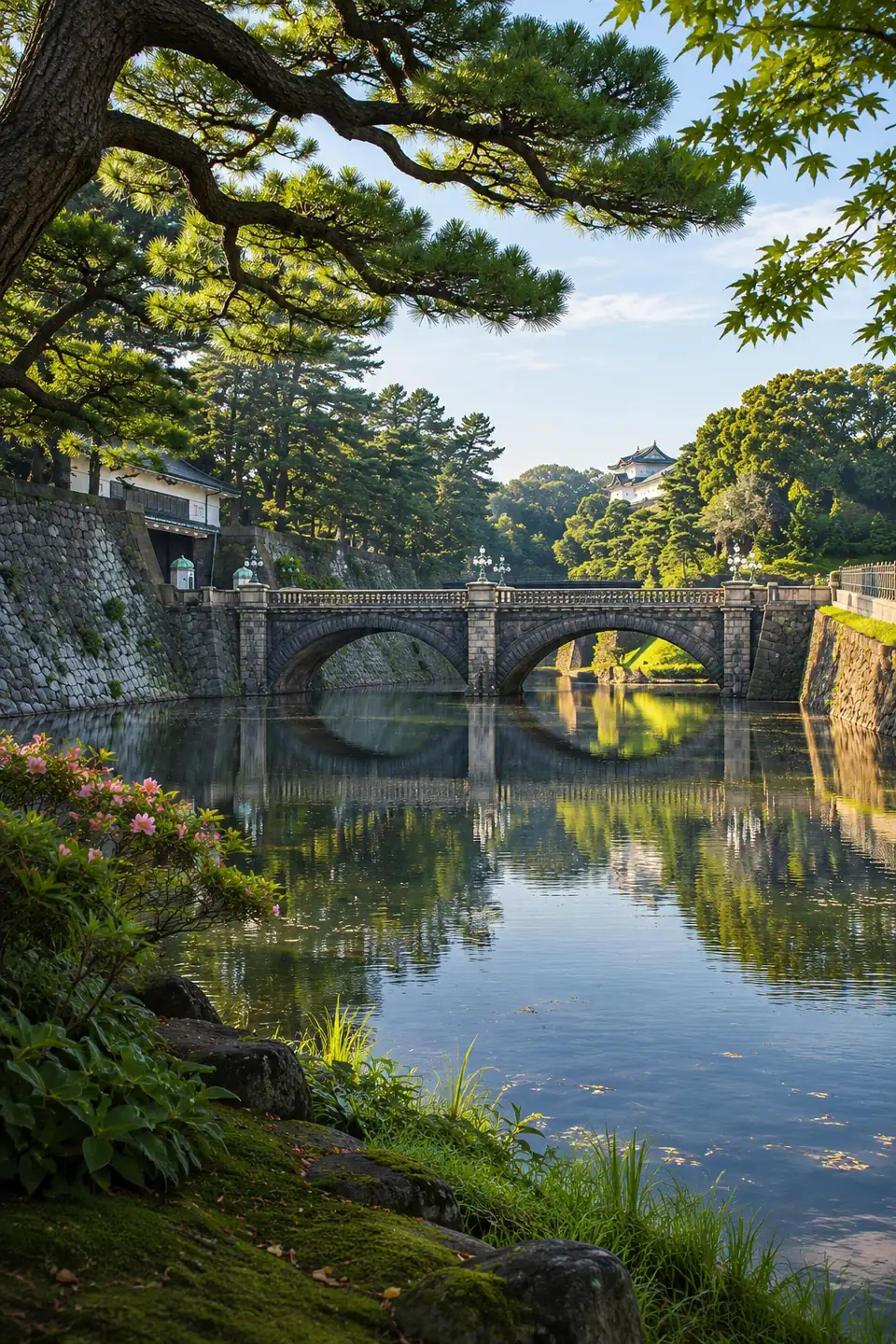
Spend the full day sightseeing in Tokyo. Morning: Visit the Imperial Palace, Tokyo's primary castle, to appreciate traditional Japanese architecture. Then proceed to Meiji Shrine, a famous Shinto shrine, to pray and experience traditional Japanese culture. Afternoon: Explore Shinjuku Gyoen National Garden, a scenic spot featured in Makoto Shinkai's anime film "The Garden of Words." This garden combines Japanese, English, and French-style landscapes, and in spring, cherry blossoms and greenery make it an excellent photogenic location.

AI-rendered illustration

Spend the full day sightseeing in Tokyo. Morning: Visit the Imperial Palace, Tokyo's primary castle, to appreciate traditional Japanese architecture. Then proceed to Meiji Shrine, a famous Shinto shrine, to pray and experience traditional Japanese culture. Afternoon: Explore Shinjuku Gyoen National Garden, a scenic spot featured in Makoto Shinkai's anime film "The Garden of Words." This garden combines Japanese, English, and French-style landscapes, and in spring, cherry blossoms and greenery make it an excellent photogenic location.

Breakfast: at the hotel. Lunch: at your own expense. Dinner: at your own expense.

Imperial Palace Outer GardensAI-rendered illustration

Imperial Palace Outer Gardens

The Imperial Palace area includes the plaza, Nijubashi Bridge, Outer Gardens and East Gardens, extending between the Hibiya and Otemachi areas. It became the emperor's residence following the move from Kyoto during the Meiji era. Selected areas are open to visitors as public gardens; access varies by section.

Meiji Shrine

Meiji Shrine is dedicated to Emperor Meiji and Empress Shoken, serving as one of Japan's most significant Shinto shrines and home to the largest green space in Tokyo.

Shinjuku Gyoen National Garden

Shinjuku Gyoen is an extensive garden in central Tokyo, spanning parts of Shinjuku and Shibuya. Its roughly 58 hectares combine Japanese and European landscape styles. A wide variety of trees creates seasonal scenery, from spring cherry blossoms and summer greenery to autumn leaves and occasional winter snow.

Shinjuku Gyoen - The Garden of Words

Director Makoto Shinkai has brought many Tokyo locations to the big screen. For example, "The Garden of Words" perfectly recreates Shinjuku Gyoen’s pavilion. If you visit on a rainy day like in the film, you can capture truly cinematic photos.

03

Tokyo → Yamanashi Prefecture

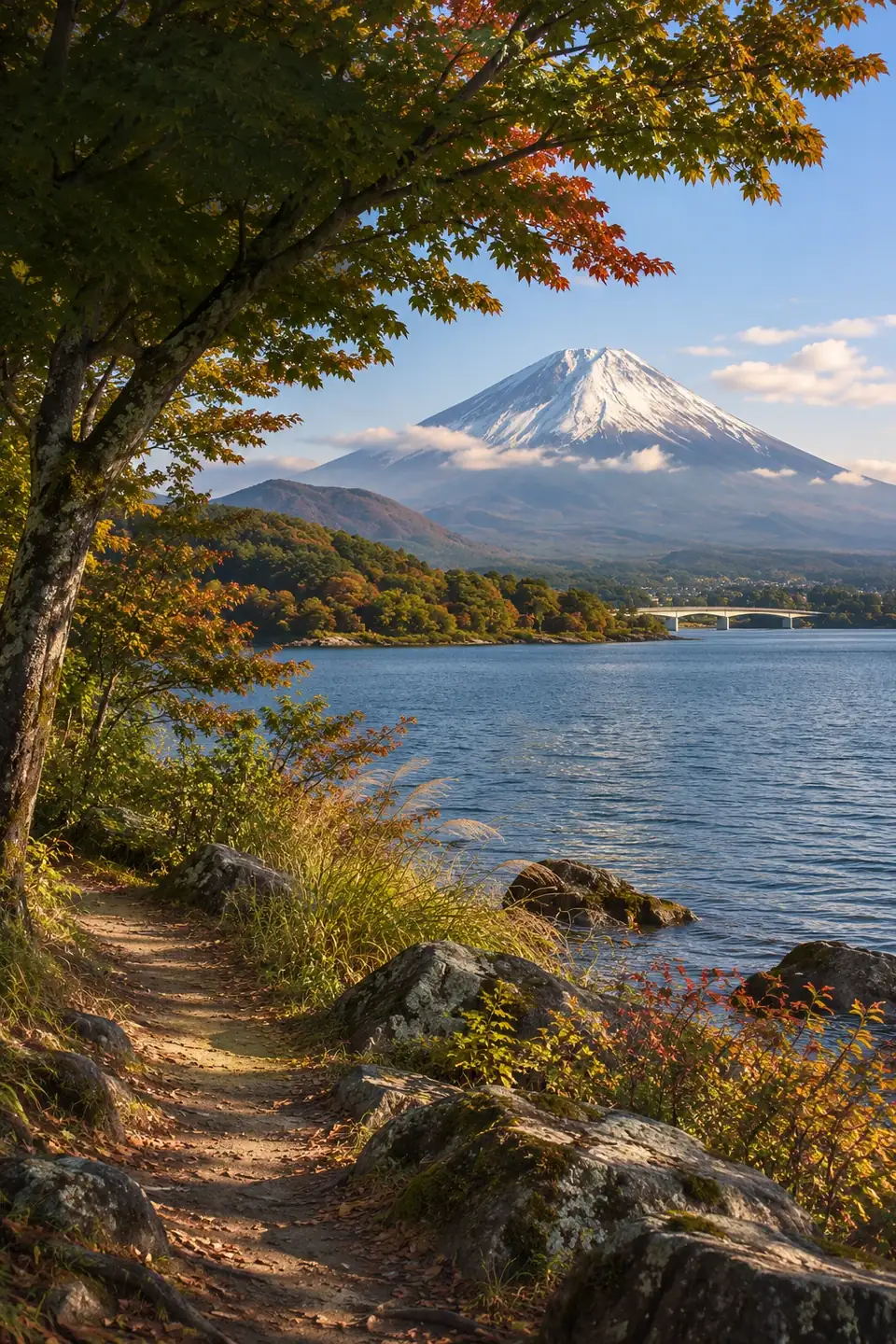
Today, journey to iconic Mt. Fuji. Morning: Depart for Mt. Fuji (approx. 80 km, 2-hour drive). Before noon, visit the stunning Arakurayama Sengen Park. Climb 397 steps to the upper torii gate that appears as a gateway to Mt. Fuji. Behind you stands the famous five-story pagoda from classic Fuji postcard views. Afternoon: Visit Oshino Hakkai, a famous spring water pond village with a nostalgic Japanese atmosphere. The ponds are crystal clear and detailed. You can also try the "Longevity Water" believed to extend life. Next, tour Yamanakako, the largest lake among the Fuji Five Lakes. Take a traditional Japanese water bus to admire views of Mt. Fuji. Evening: Stay at a lakeside Japanese-style hot spring hotel, wear a yukata to soak in the onsen, enjoy lake views at night, and savor a specialty dinner before retiring to your tatami room.

AI-rendered illustration

Today, journey to iconic Mt. Fuji. Morning: Depart for Mt. Fuji (approx. 80 km, 2-hour drive). Before noon, visit the stunning Arakurayama Sengen Park. Climb 397 steps to the upper torii gate that appears as a gateway to Mt. Fuji. Behind you stands the famous five-story pagoda from classic Fuji postcard views. Afternoon: Visit Oshino Hakkai, a famous spring water pond village with a nostalgic Japanese atmosphere. The ponds are crystal clear and detailed. You can also try the "Longevity Water" believed to extend life. Next, tour Yamanakako, the largest lake among the Fuji Five Lakes. Take a traditional Japanese water bus to admire views of Mt. Fuji. Evening: Stay at a lakeside Japanese-style hot spring hotel, wear a yukata to soak in the onsen, enjoy lake views at night, and savor a specialty dinner before retiring to your tatami room.

Breakfast: at the hotel. Lunch: at your own expense. Dinner: at your own expense.

Mount FujiAI-rendered illustration

Mount Fuji

Mount Fuji is Japan's highest mountain and a major national symbol. This active volcano straddles Shizuoka and Yamanashi prefectures, southwest of Tokyo and near Japan's Pacific coast.

Arakurayama Sengen Park (Cherry Blossom Season)

Arakurayama Sengen Park, located on Arakurayama, is famous for its breathtaking views of Mt. Fuji and is an excellent spot for cherry blossoms. Every spring, the park blooms with beloved Somei Yoshino cherry trees. The combination of the five-story pagoda, Mt. Fuji backdrop, and cherry blossoms epitomizes iconic Japanese scenery. It is recognized as one of the '21 Places Every Photographer Must Visit Before They Die.' Visitors from around the world come to admire this view. Beyond spring, autumn foliage and winter snow scenes here are also beautiful.

Oshino Hakkai

Oshino Hakkai is a group of eight spring-fed ponds in Oshino village, Yamanashi. Snowmelt from Mount Fuji filters through the ground before emerging here; the source describes a journey of around 80 years. The ponds include Deguchi, Okama, Sokonashi, Choshi, Waku, Nigori, Kagami and Shobu. The area is a designated natural monument and became part of the Mount Fuji UNESCO World Heritage listing in 2013.

Lake Yamanaka

Lake Yamanaka is a dammed lake formed during the volcanic activity of Mount Fuji, located at the mountain's base. It is the largest and highest elevation of the Fuji Five Lakes. Every winter when the lake freezes, visitors can try ice fishing for trout. Besides water activities, the area offers abundant options. Enjoy views of Mount Fuji and the lake from the shore for a unique experience.

04

Yamanashi Prefecture → Shizuoka → Hakone

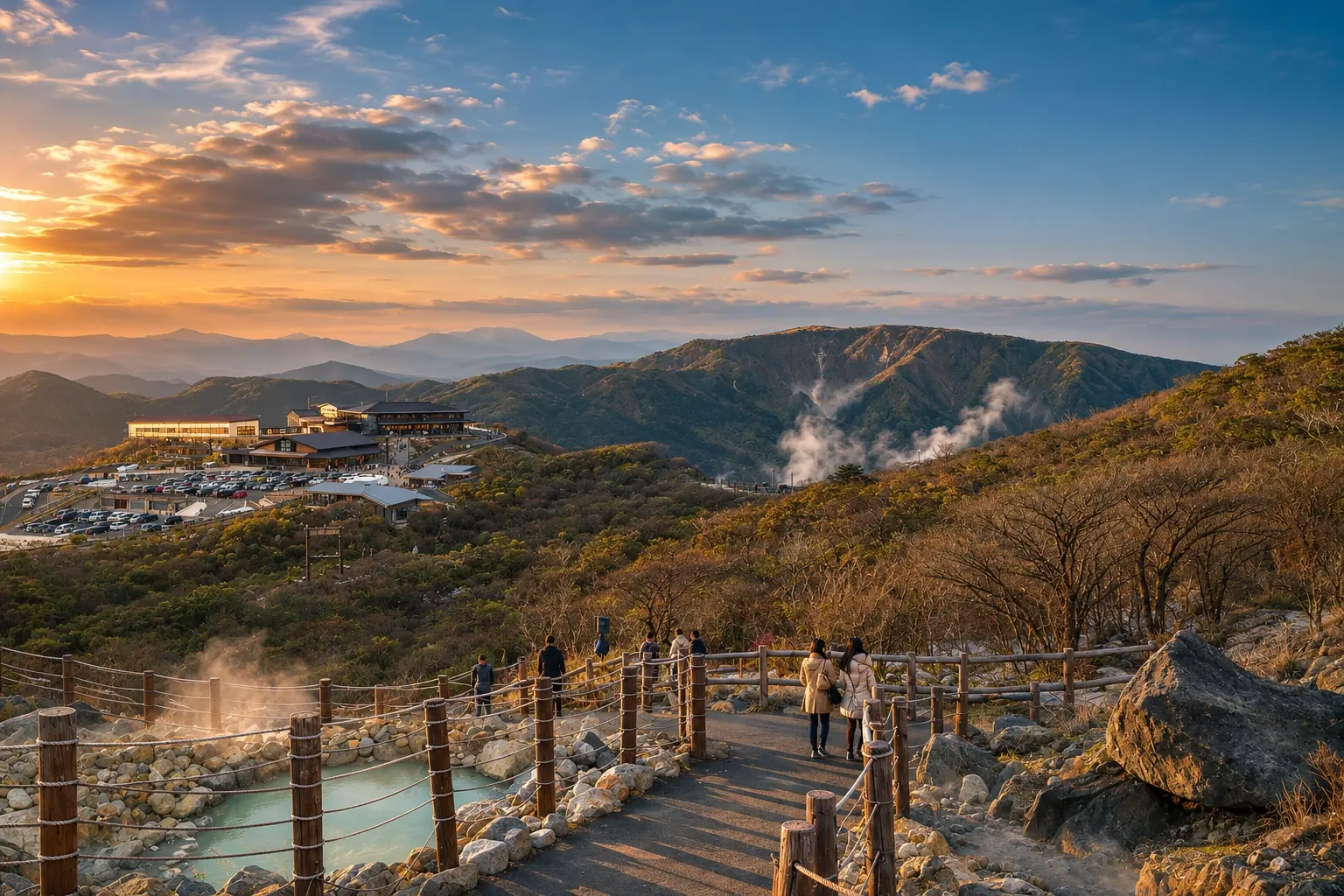
Today's adventure includes flying over Mt. Fuji and experiencing Hakone's volcanic allure. Morning: Head to Asagiri Plateau on Mt. Fuji's west side for close views of the mountain. The goal is Asagiri Plateau Paragliding School, where with an instructor, you'll fly for 10 minutes high above Mt. Fuji—capture this stunning scenery with a selfie stick! Afternoon: Drive to Hakone, Kanto’s most popular hot spring area. Visit volcanic site Owakudani, famous for black eggs believed to extend life. Enjoy the unique volcanic landscape with its rusty surfaces, sparse vegetation, and sulfur scent. Afterwards, ride the aerial ropeway to see the surrounding "barren land" from above. Arriving at Togendai, visit Lake Ashi, Hakone's iconic lake, with Mt. Fuji in the background. Take the signature pirate ship cruise and soak in the sense of historic samurai spirit. Nearby is Hakone Shrine's iconic torii gate floating on the water, resembling a gateway to another world. Evening: Stay at a lakeside onsen hotel in Hakone, renowned especially among women for skin-beautifying, beneficial hot springs.

AI-rendered illustration

Today's adventure includes flying over Mt. Fuji and experiencing Hakone's volcanic allure. Morning: Head to Asagiri Plateau on Mt. Fuji's west side for close views of the mountain. The goal is Asagiri Plateau Paragliding School, where with an instructor, you'll fly for 10 minutes high above Mt. Fuji—capture this stunning scenery with a selfie stick! Afternoon: Drive to Hakone, Kanto’s most popular hot spring area. Visit volcanic site Owakudani, famous for black eggs believed to extend life. Enjoy the unique volcanic landscape with its rusty surfaces, sparse vegetation, and sulfur scent. Afterwards, ride the aerial ropeway to see the surrounding "barren land" from above. Arriving at Togendai, visit Lake Ashi, Hakone's iconic lake, with Mt. Fuji in the background. Take the signature pirate ship cruise and soak in the sense of historic samurai spirit. Nearby is Hakone Shrine's iconic torii gate floating on the water, resembling a gateway to another world. Evening: Stay at a lakeside onsen hotel in Hakone, renowned especially among women for skin-beautifying, beneficial hot springs.

Breakfast: at the hotel. Lunch: at your own expense. Dinner: at the hotel.

OwakudaniAI-rendered illustration

Owakudani

Owakudani is a volcanic valley in Hakone where geothermal steam rises from rocky vents and sulfurous hot springs. When conditions allow, visitors can enjoy views toward Mount Fuji and the Hakone mountains. Its black-shelled eggs, cooked using geothermal heat, are a local specialty associated with a traditional longevity legend.

Lake Ashi

Lake Ashi is a volcanic lake in western Hakone, formed more than 3,000 years ago. It is Kanagawa Prefecture's largest lake. Mount Fuji can be seen beyond it in clear weather, although the region's frequent rain and humidity often obscure the view. Sightseeing cruises offer views of the lake and surrounding mountains, with pirate-style ships adding a playful touch.

Hakone Shrine & Lakeside Torii

Founded in 757, Hakone Shrine stands near the shores of Lake Ashi at the foot of Mount Hakone. Its distinctive lakeside torii is visible from sightseeing boats and is associated with blessings for safe travel on the water.

05

Hakone → Kamakura → Tokyo

Today, visit Kamakura, a charming seaside town along the Kanto Shonan Coast, returning to Tokyo for overnight. Morning: Travel to Kamakura to experience its fresh sea breeze. Relive childhood anime scenes by stopping at Kamakura High School Station for photos. Next, explore Tsurugaoka Hachimangu Shrine, the center of Kamakura’s culture and samurai spirit, and pray for peace and happiness. Noon: Enjoy local delicacies on Komachi Street, Kamakura's busiest shopping street, featuring tamagoyaki (Japanese omelet), cup sushi, and yuba dumplings—popular among Chinese visitors. Afternoon: Visit Kōtoku-in Temple to see the Great Buddha of Kamakura. Buddhism has deep roots in Japan, and this is a great chance to experience temple culture. At times, visitors can enter inside the Buddha statue for a moment of quiet reverence. Then stroll along Enoshima, the most scenic path in this Shonan coastal town. The observatory tower offers stunning views of the ocean horizon. You can also visit Enoshima Shrine, the aquarium, and explore local neighborhoods steeped in culture. Evening: Return by car to Tokyo and stay in the Ginza district, Asia’s busiest shopping area, known for exquisite dining and diverse retail offerings.
AI-rendered illustration

Today, visit Kamakura, a charming seaside town along the Kanto Shonan Coast, returning to Tokyo for overnight. Morning: Travel to Kamakura to experience its fresh sea breeze. Relive childhood anime scenes by stopping at Kamakura High School Station for photos. Next, explore Tsurugaoka Hachimangu Shrine, the center of Kamakura’s culture and samurai spirit, and pray for peace and happiness. Noon: Enjoy local delicacies on Komachi Street, Kamakura's busiest shopping street, featuring tamagoyaki (Japanese omelet), cup sushi, and yuba dumplings—popular among Chinese visitors. Afternoon: Visit Kōtoku-in Temple to see the Great Buddha of Kamakura. Buddhism has deep roots in Japan, and this is a great chance to experience temple culture. At times, visitors can enter inside the Buddha statue for a moment of quiet reverence. Then stroll along Enoshima, the most scenic path in this Shonan coastal town. The observatory tower offers stunning views of the ocean horizon. You can also visit Enoshima Shrine, the aquarium, and explore local neighborhoods steeped in culture. Evening: Return by car to Tokyo and stay in the Ginza district, Asia’s busiest shopping area, known for exquisite dining and diverse retail offerings.

Breakfast: at the hotel. Lunch: at your own expense. Dinner: at your own expense.

Enoden Railway: Kamakurakokomae StationAI-rendered illustration

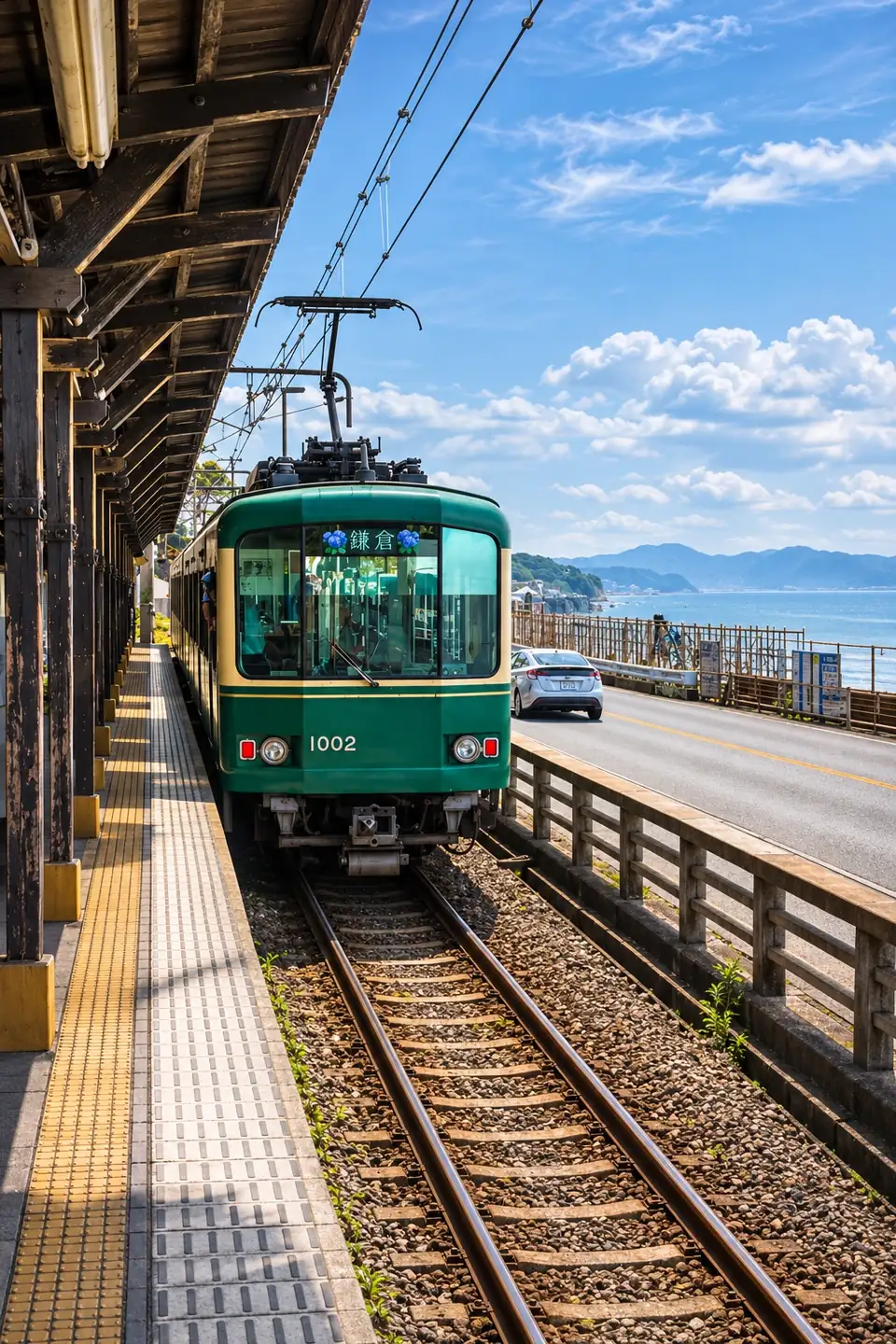
Enoden Railway: Kamakurakokomae Station

Kamakurakokomae is a small station on the Enoshima Electric Railway. Its coastal setting and nearby railway crossing are associated with the anime Slam Dunk, making it a familiar stop for fans.

Tsurugaoka Hachimangu

Founded by Minamoto no Yoriyoshi in 1063, Tsurugaoka Hachimangu was moved from near the Kamakura coast to its central location by Minamoto no Yoritomo in 1180. It served as both a religious and political center during the shogunate era. Revered by later military leaders, the shrine remains an important place of worship.

Kamakura Komachi Street

Kamakura Komachi Street is the most renowned shopping street in Kamakura, lined with local specialty shops and eateries. It offers authentic Japanese snacks and dishes, as well as attractive accessories and souvenirs. It's a must-visit shopping street for young travelers to Kamakura, where you can enjoy the friendly and unique customer service typical of Japan.

Kōtoku-in Temple

Kōtoku-in is a Buddhist temple of the Jōdo-shū sect located on Mount Ōyama in Kamakura, Kanagawa Prefecture. Its origins and founder are unclear. It is famous worldwide for housing the Great Buddha of Kamakura, a bronze statue of Amida Buddha dating from about 1252. Originally housed in a wooden temple, a 15th-century tsunami destroyed the building, leaving the statue exposed outdoors. The Great Buddha is 13.35 meters tall, weighs 93 tons, and is Japan's second-largest Buddha statue after the one at Todai-ji in Nara. It is designated a National Treasure of Japan and represents typical Kamakura-period Buddhist sculpture featuring Song dynasty stylistic elements.

Great Buddha of Kamakura

The Great Buddha stands at Kotoku-in, a Pure Land Buddhist temple in Kamakura. Dating to the 13th century, the bronze figure is approximately 11.3 meters tall and weighs around 121 tons. Its face, posture and proportions reflect influences associated with Song-dynasty Buddhist sculpture. It is designated a National Treasure.

Enoshima

Enoshima is a scenic island off the Kanagawa coast, connected to the mainland by a bridge. Approximately four kilometers around and rising to about 60 meters, it can be explored on foot after arriving by train in the surrounding coastal area.

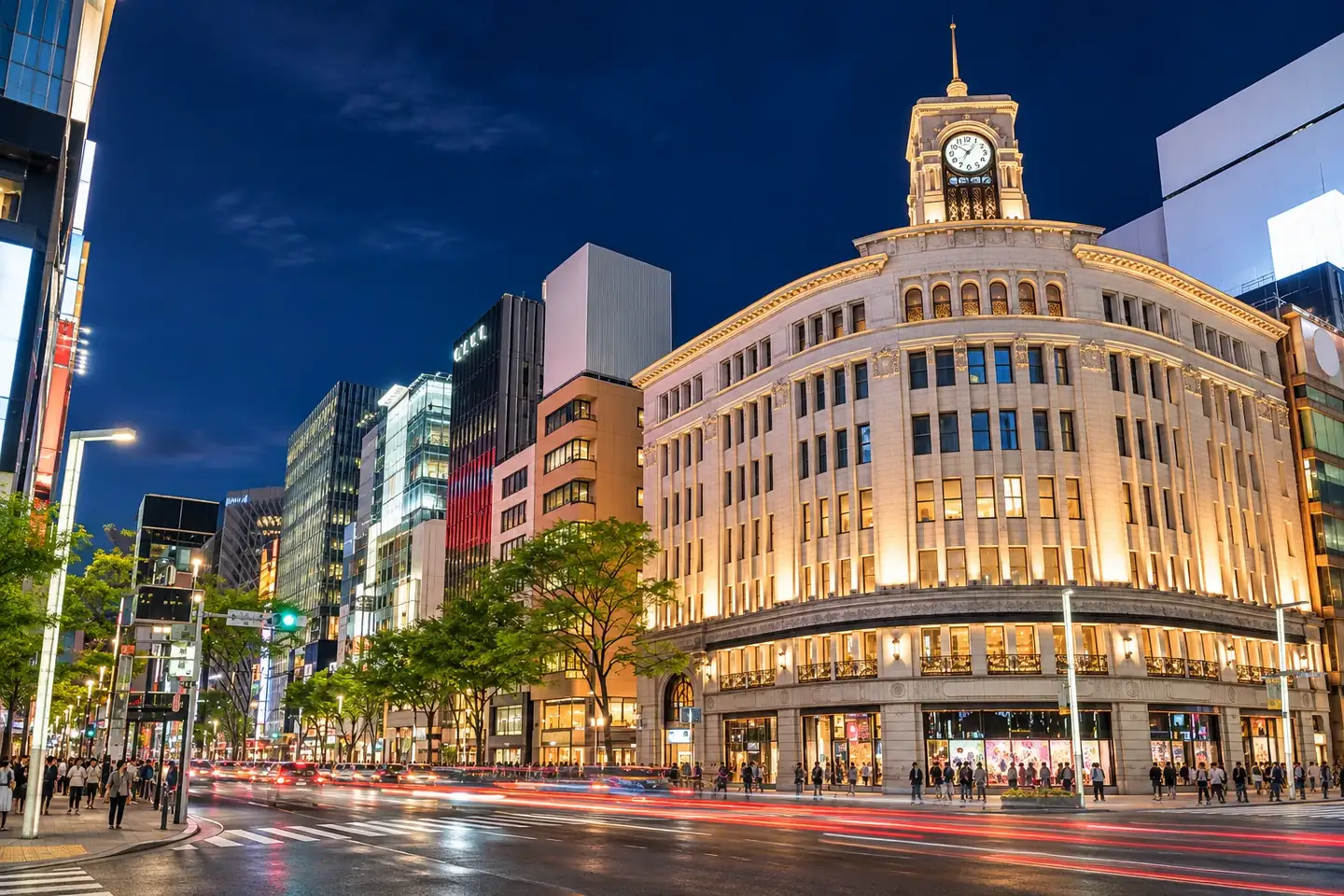
Ginza

Ginza is a major shopping district in Tokyo's Chuo ward, known for upscale stores. Long-established Japanese businesses stand alongside international luxury brands, making it a rewarding area for shopping, dining and city strolling.
06

Tokyo

On the final day, explore Tokyo’s classic sights. Morning: Visit Ueno Park, Japan’s first urban park and a treasure trove of history and culture. The park contains historic sites such as Kaneiji Temple, Toshogu Shrine, and Kiyomizu Kannon Hall, set amongst pines and lakes creating a harmonious scenic area. Afternoon: Dress in elegant kimono and visit Asakusa Temple (Senso-ji), Tokyo’s oldest and most famous temple. It's the city’s symbol and popular photo spot. Wearing kimono here makes for a memorable postcard-worthy image. Evening: Head to Tokyo Skytree, Tokyo’s tallest landmark. Two observation decks at 350 and 450 meters provide panoramic views of Tokyo and the Kanto region. At night, Skytree lighting changes color, with an overall orange palette that shifts to pale blue or Edo-period purple, sparkling beautifully against Tokyo’s nighttime skyline.

AI-rendered illustration

On the final day, explore Tokyo’s classic sights. Morning: Visit Ueno Park, Japan’s first urban park and a treasure trove of history and culture. The park contains historic sites such as Kaneiji Temple, Toshogu Shrine, and Kiyomizu Kannon Hall, set amongst pines and lakes creating a harmonious scenic area. Afternoon: Dress in elegant kimono and visit Asakusa Temple (Senso-ji), Tokyo’s oldest and most famous temple. It's the city’s symbol and popular photo spot. Wearing kimono here makes for a memorable postcard-worthy image. Evening: Head to Tokyo Skytree, Tokyo’s tallest landmark. Two observation decks at 350 and 450 meters provide panoramic views of Tokyo and the Kanto region. At night, Skytree lighting changes color, with an overall orange palette that shifts to pale blue or Edo-period purple, sparkling beautifully against Tokyo’s nighttime skyline.

Breakfast: at the hotel. Lunch: at your own expense. Dinner: at your own expense.

Ueno Park

Ueno Park, formally Ueno Onshi Park, covers approximately 530,000 square meters in Tokyo's Taito district. Established as a public park in the 19th century, its name reflects its transfer from imperial ownership to the city in 1924. Originally centered on Kanei-ji's temple buildings, mausoleums, Toshogu Shrine and cherry trees, it later developed into a cultural district with museums, a zoo and art galleries.

Tokyo National MuseumAI-rendered illustration

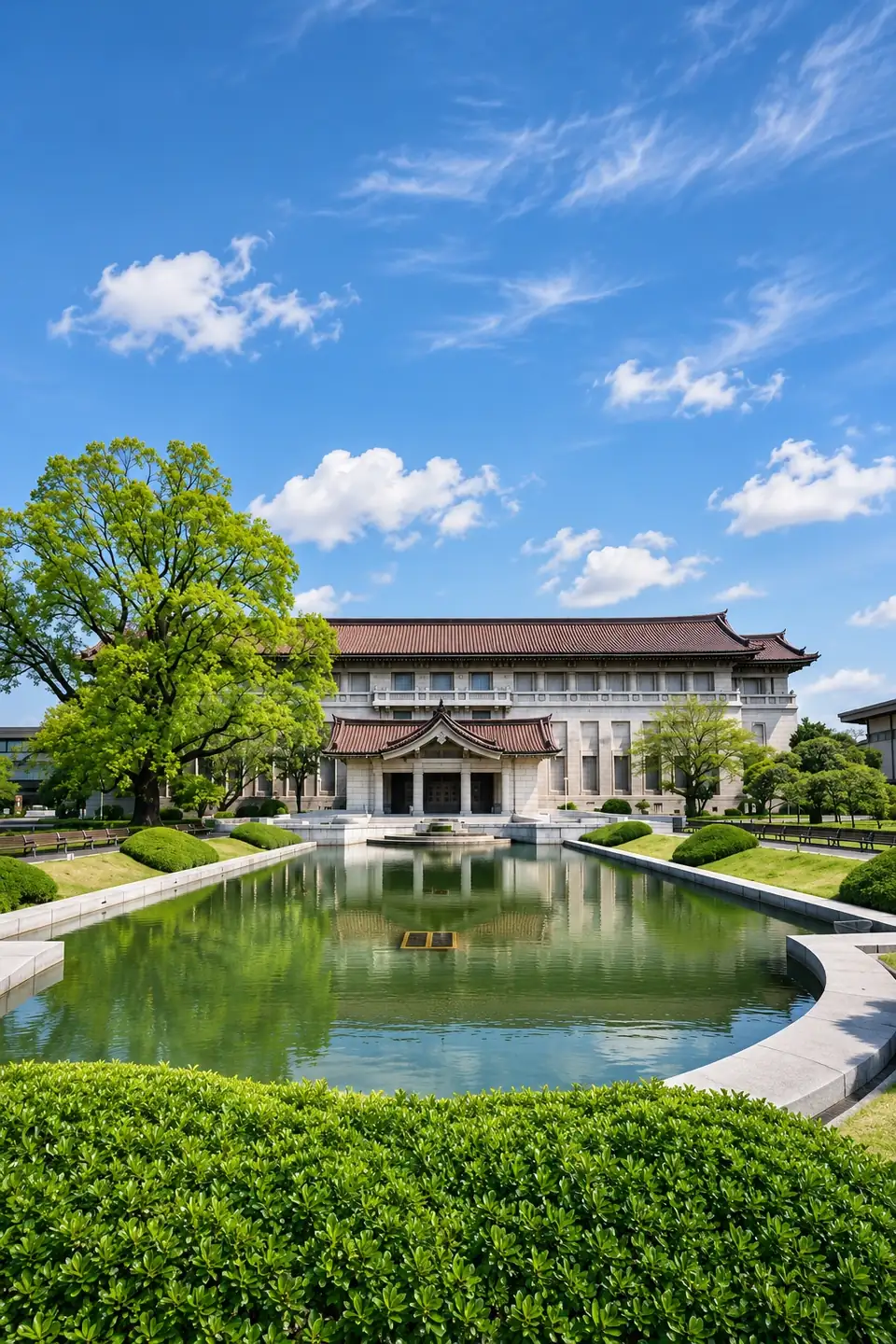
Tokyo National Museum

If you only visit one art venue in Tokyo, the Tokyo National Museum is best. It is Japan's largest and oldest museum, with about 89,000 items in its collection, including nearly 100 National Treasures and over 500 important archaeological artifacts designated by the government. The museum consists of five separate buildings: the Honkan (Main Gallery), Heiseikan, Toyokan (Asian Gallery), Hyokeikan, and Horyuji Treasures Gallery. The main building features traditional Japanese architecture in the Imperial Crown style and is considered a pinnacle of both museum and art gallery design.

Ueno Toshogu Shrine

Toshogu Shrine in Ueno is dedicated to Tokugawa Ieyasu, the founder of the Edo shogunate. After unifying Japan through military power, Ieyasu was deified as Toshogu, guardian deity of the shogunate. The shrine in Ueno district features a stone torii gate at the entrance, with 200 stone lanterns and 50 bronze lanterns lining the approach. The complex includes the main hall, worship hall, and Kara-mon gate—all historic structures. The torii, main hall, Kara-mon, and surrounding fences are designated Important Cultural Properties. The shrine also houses artifacts related to Ieyasu.

Senso-ji Temple

Senso-ji is Tokyo's oldest temple. The enormous lantern at Kaminarimon, the Thunder Gate, is a symbol of Asakusa. Between the gate and the main hall, Nakamise shopping street is lined with small stores selling souvenirs and snacks. Visitors also draw fortunes and tie designated fortune slips within the temple grounds.

Tokyo Skytree

Completed in February 2012 and opened to the public that May, Tokyo Skytree rises 634 meters above the city. Observation decks at approximately 350 and 450 meters offer panoramic views. Shops, restaurants and cafes complete the visitor facilities.

07

Tokyo

Planned attractions for the day: Ginza and Tokyu Plaza Ginza. The itinerary concludes in Tokyo. An airport transfer can be arranged based on your flight schedule. International return flights and departure dates from your origin are not included in this itinerary.

AI-rendered illustration

Planned attractions for the day: Ginza and Tokyu Plaza Ginza. The itinerary concludes in Tokyo. An airport transfer can be arranged based on your flight schedule. International return flights and departure dates from your origin are not included in this itinerary.

Breakfast: at the hotel. Lunch: at your own expense. Dinner: at your own expense.

GinzaAI-rendered illustration

Ginza

Ginza is a major shopping district in Tokyo's Chuo ward, known for upscale stores. Long-established Japanese businesses stand alongside international luxury brands, making it a rewarding area for shopping, dining and city strolling.

Tokyu Plaza Ginza

Tokyu Plaza Ginza was designed by Nikken Sekkei, one of the world’s top three architectural firms with a century of history. The design concept, called "Ship of Light," is inspired by traditional Japanese glass cutting techniques, shaping the building into a 'glass ship.' Sunlight hitting the multifaceted glass façade creates varied shadows and reflections, interacting with the surroundings and harmonizing with Ginza’s atmosphere.

YOUR ROUTE

Know the shape of your journey.

Starts in
Tokyo
Ends in
Tokyo
Local itinerary
7 days

A proposal shaped around you

Use this route as a starting point. Tell us your dates, pace and accommodation preferences.

Your quote will specify accommodation, guiding, transport, activities, meals and any optional arrangements before you book. International flights and airport transfers are discussed separately.

TRAVEL IN COMFORT

The right vehicle for your group.

Toyota Alphard

Up to 6 passengers

Toyota HiAce

Up to 9 passengers

Our main touring vehicles. We recommend a vehicle based on your group size and luggage. Maximum seating capacity does not guarantee room for all bags when every seat is occupied. Vehicle availability is confirmed for your destination.

More to discover

Mount Fuji

Mount Fuji is Japan's highest mountain and a major national symbol. This active volcano straddles Shizuoka and Yamanashi prefectures, southwest of Tokyo and near Japan's Pacific coast.

Lake Ashi Pirate Ship Cruise

Lake Ashi formed through volcanic activity more than 3,000 years ago. On clear days, Mount Fuji rises beyond its waters. Colorful pirate-style sightseeing ships, with tall masts and decorative figureheads, add a playful contrast to the peaceful landscape. From the deck, enjoy the breeze and changing seasonal views, from sunlit water to mist-shrouded hills.

Enoden Railway: Kamakurakokomae Station

Kamakurakokomae is a small station on the Enoshima Electric Railway. Its coastal setting and nearby railway crossing are associated with the anime Slam Dunk, making it a familiar stop for fans.

Senso-ji Temple

Senso-ji is Tokyo's oldest temple. The enormous lantern at Kaminarimon, the Thunder Gate, is a symbol of Asakusa. Between the gate and the main hall, Nakamise shopping street is lined with small stores selling souvenirs and snacks. Visitors also draw fortunes and tie designated fortune slips within the temple grounds.

Before you go

This journey starts at the destination. Seasonal experiences, service inclusions and availability are confirmed with your personalized proposal.

Original source & photography · 6renyou ↗

Image credits and illustrations

BEFORE YOU PLAN

Travel planning, clearly explained.

OpenEast brings together Japan and South Korea itinerary ideas for travelers from North America, with China also part of our destination plans. Start with the local route, then consider flights and airport transfers around it.

When does Day 1 begin?

Day 1 begins at the destination. International departure-only and return flight days are not counted as destination days. Plan your flights around the local itinerary dates.

Are flights and airport transfers included?

International flights and airport transfers are confirmed separately. Do not assume they are included in a suggested itinerary.

Are these confirmed departures?

These routes are itinerary ideas. Dates, hotels, admissions, seasonal activities, prices and availability need confirmation in a personalized proposal before booking.

Can I book or send an inquiry here?

Use the inquiry form to contact our team. A submission confirmation appears only when the email service accepts your request. An inquiry does not reserve a service or take payment.

Explore Japan itineraries → · Explore South Korea itineraries →

1 / 8

Let’s plan your journey.

Leisurely Kanto 7-Day Tour: Tokyo + Mt. Fuji + Hakone + Kamakura + Paragliding + Hot Springs + Kimono Experience

Leave your details, and our travel specialists will get in touch by email or your preferred contact method.

Your specialist will confirm the itinerary, pricing and availability with you.

How we use your information

Your inquiry is sent to info@jasperlimo.com so our team can respond. Please do not include passport or payment details.

Start planning