Japan · 6 DAYS

Yamaguchi Discovery & Scenic Treasures

Fukuoka → Yamaguchi Prefecture

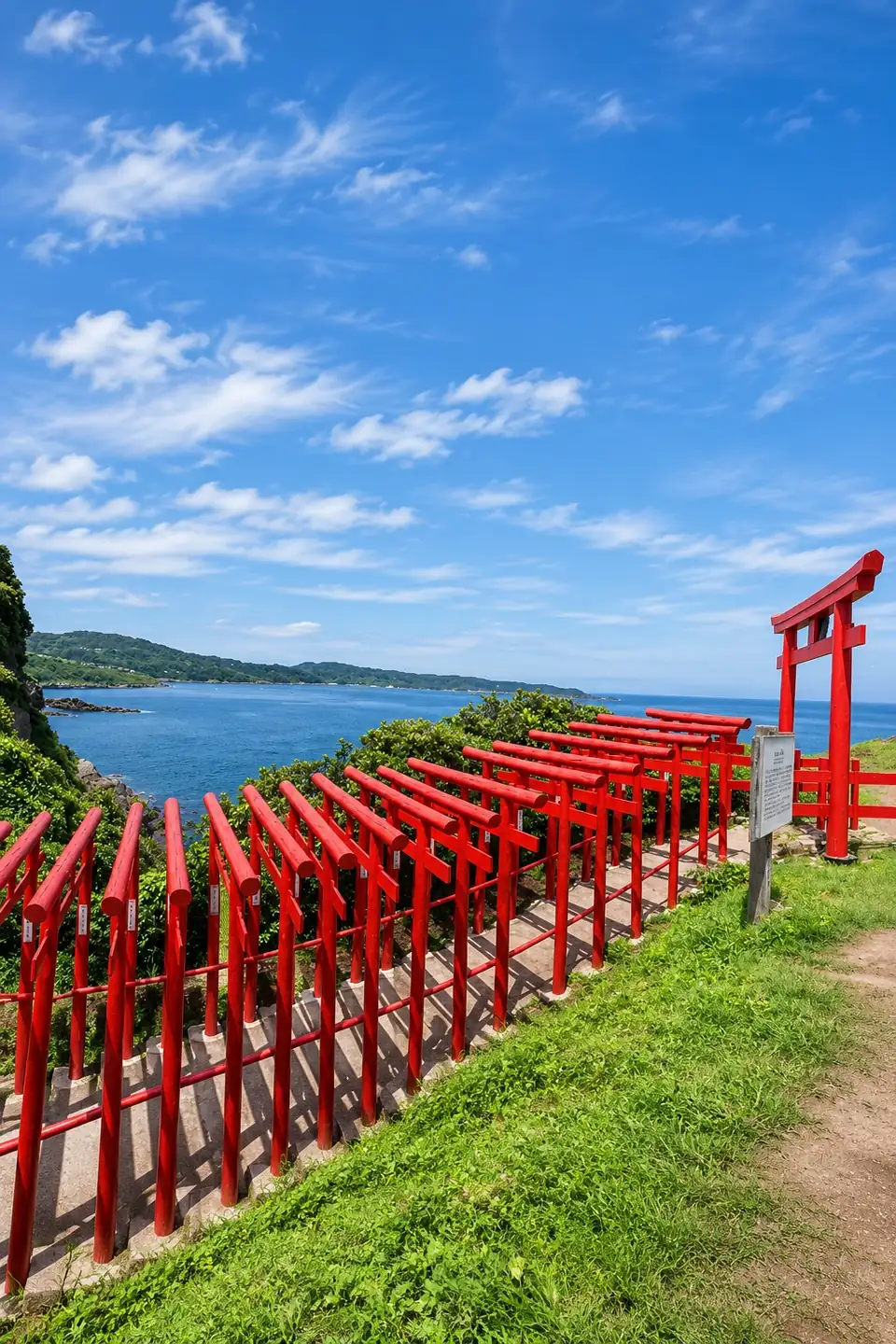
Visit Motonosumi Shrine, selected as one of 'Japan's 31 Most Beautiful Spots,' featuring endless bright red torii gates, lush green mountains, and layered blue sea and sky blending into a breathtaking view. Experience a traditional tea ceremony at Hosshoan tea house beneath the stone steps of Hofu Tenmangu, Japan's oldest Tenmangu shrine, while enjoying the beautiful garden and savoring classic matcha for a moment of tranquility.

6 daysCulture & natureItinerary idea

Request this itinerary

Leave your details, and our travel specialists will get in touch by email or your preferred contact method.

Your specialist will confirm the itinerary, pricing and availability with you.

How we use your information

Your inquiry is sent to info@jasperlimo.com so our team can respond. Please do not include passport or payment details.

JOURNEY HIGHLIGHTS

Japan, made personal.

Yamaguchi Discovery & Scenic Treasures: Yumoto/Yuda Onsen + Motonosumi Shrine + Mouri Clan Garden 6 Days

Day 1 starts in Fukuoka → Yamaguchi Prefecture. International airfare is arranged separately.

  • 01Visit Motonosumi Shrine, selected as one of 'Japan's 31 Most Beautiful Spots,' featuring endless bright red torii gates, lush green mountains, and layered blue sea and sky blending into a breathtaking view.
  • 02Experience a traditional tea ceremony at Hosshoan tea house beneath the stone steps of Hofu Tenmangu, Japan's oldest Tenmangu shrine, while enjoying the beautiful garden and savoring classic matcha for a moment of tranquility.
  • 03Visit Karato Market, nationally famous as a fugu (blowfish) market and known locally as the 'kitchen.' Fresh seafood rice bowls and sushi there are must-try dishes.

Your journey, day by day

01

Fukuoka → Yamaguchi Prefecture

Day 1 counts from arrival in Fukuoka. Local activities and accommodation will be arranged according to actual arrival time. International departure locations and transborder flights are not included in this itinerary. Local route after arrival: Fukuoka > Yamaguchi Prefecture. Planned sights today: Nagato Yumoto Onsen; schedule adjusted based on arrival time. Airport transfers can be arranged separately; inclusion confirmed upon plan agreement.

Day 1 counts from arrival in Fukuoka. Local activities and accommodation will be arranged according to actual arrival time. International departure locations and transborder flights are not included in this itinerary. Local route after arrival: Fukuoka > Yamaguchi Prefecture. Planned sights today: Nagato Yumoto Onsen; schedule adjusted based on arrival time. Airport transfers can be arranged separately; inclusion confirmed upon plan agreement.

Breakfast: at your own expense. Lunch: at your own expense. Dinner: at the hotel.

Nagato Yumoto Onsen

Nagato Yumoto Onsen

Located about a 10-minute drive south of central Nagato City, this hot spring was discovered during the Muromachi period in 1427 by the head priest of Dainei Temple. The natural spring source at the center of Yumoto still lies at Dainei Temple. During the Edo period (17th–19th centuries), the domain lord, Lord Mori, frequently visited this hot spring for recuperation. At that time, samurai and monks used the “Raiyu” baths, while commoners used “Onyu” baths; today both are open as communal baths. The hot spring town is surrounded by lush greenery, along the banks of the Otoshinagawa and Daineiji rivers, housing many inns and outdoor baths.

02

Yamaguchi Prefecture

After breakfast, travel to Motonosumi Shrine, recognized as one of 'Japan’s 31 Most Beautiful Spots.' The impressive endless red torii gates, lush green mountains, and layered sea and sky create a stunning panorama. Next, explore the castle town of Hagi, preserving the old castle site and narrow historic streets. Walking along the connected mud walls, you can feel the old atmosphere of the town. The Kikuya Yokocho area, known as one of Japan’s 'Top 100 Streets,' is famous for its well-preserved samurai residences. In the afternoon, visit Yunrinji Temple, known as the 'Cat Temple.' The temple features wooden cat sculptures in various poses throughout. In the main hall is the 'Cat Buddha.' Omamori charms, hand towels, and stamp books are embroidered with the sacred cat figure. If lucky, you might even meet the temple's resident cats. Overnight at a comfortable local hotel.

AI-rendered illustration

After breakfast, travel to Motonosumi Shrine, recognized as one of 'Japan’s 31 Most Beautiful Spots.' The impressive endless red torii gates, lush green mountains, and layered sea and sky create a stunning panorama. Next, explore the castle town of Hagi, preserving the old castle site and narrow historic streets. Walking along the connected mud walls, you can feel the old atmosphere of the town. The Kikuya Yokocho area, known as one of Japan’s 'Top 100 Streets,' is famous for its well-preserved samurai residences. In the afternoon, visit Yunrinji Temple, known as the 'Cat Temple.' The temple features wooden cat sculptures in various poses throughout. In the main hall is the 'Cat Buddha.' Omamori charms, hand towels, and stamp books are embroidered with the sacred cat figure. If lucky, you might even meet the temple's resident cats. Overnight at a comfortable local hotel.

Breakfast: at the hotel. Lunch: at your own expense. Dinner: at your own expense.

Motonosumi Shrine

Set against the contrast of blue skies, blue seas, and green forests, the continuous row of red torii gates at Motonosumi Inari Shrine is striking. In 2015, it was praised by CNN as one of Japan's beautiful spots. At the top of the large torii gate at the shrine ruins is a coin box; many visitors try to toss coins into it, making it a popular photo spot.

Hagi Castle Town

Follow in the footsteps of samurai along the charming streets of Hagi Castle Town. Explore the well-preserved traditional samurai residences in Hagi City, including the large Kikuya Residence and its beautiful stone garden. In summer, the hanging natsukan oranges on the castle town walls are a signature feature. The traditional street layout has been preserved intact since the Edo period (1603–1867) and is recognized as a UNESCO World Heritage Site.

Unrin-ji Temple

Located in the eastern part of Hagi City, Yamaguchi Prefecture, nestled in a mountain village, is Unrin-ji Temple. This temple is gaining popularity as a “cat temple.” Within the shrine, cats are everywhere! With statues of Buddha, beckoning cats, colorful wooden decorations, and real cats, visitors are warmly welcomed. Known abroad as a 'Cat Sanctuary,' cats can be seen all around.

03

Yamaguchi Prefecture

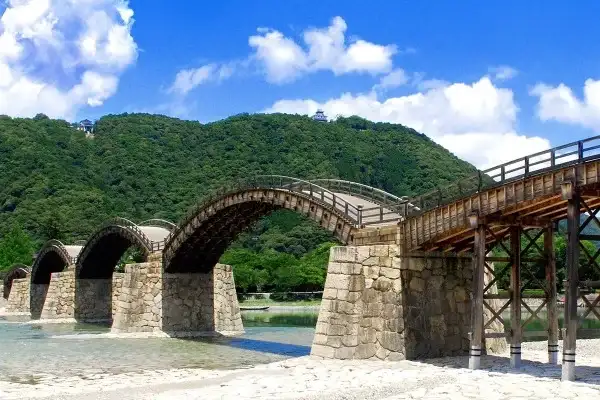
After breakfast at the hotel, visit Kintai Bridge, one of Japan’s three famous bridges, noted for its unique and elegant five wooden arches resembling a flying ribbon. From the opposite hilltop, see the white castle town style Iwakuni Castle of the Momoyama era. Ride a cable car up to the top observation deck for panoramic views of Iwakuni city. Next, experience a tea ceremony at Hosshoan tea house under the stone steps of Hofu Tenmangu Shrine. The shrine maiden personally serves the tea, allowing you to enjoy the lovely garden scenery and taste traditional matcha for a moment of peace. Adjacent is the Mouri Clan Garden, built in the early 20th century using advanced techniques, representing the residence and garden of the Mouri family who ruled the area. In the afternoon, visit Fox’s Footstep for a foot bath and try the cute white fox ice cream. Legend says a white fox living in the Yuda mountain would soak its injured foot in temple pond water every night. Monks discovered the warm spring water there, leading villagers to dig and find a hot spring. The golden Yakushi Buddha appeared, promising prosperity. The onsen invigorates visitors, and to thank the white fox, Yuda Onsen is also called 'White Fox's Hot Spring.' Overnight at a comfortable local hotel.

After breakfast at the hotel, visit Kintai Bridge, one of Japan’s three famous bridges, noted for its unique and elegant five wooden arches resembling a flying ribbon. From the opposite hilltop, see the white castle town style Iwakuni Castle of the Momoyama era. Ride a cable car up to the top observation deck for panoramic views of Iwakuni city. Next, experience a tea ceremony at Hosshoan tea house under the stone steps of Hofu Tenmangu Shrine. The shrine maiden personally serves the tea, allowing you to enjoy the lovely garden scenery and taste traditional matcha for a moment of peace. Adjacent is the Mouri Clan Garden, built in the early 20th century using advanced techniques, representing the residence and garden of the Mouri family who ruled the area. In the afternoon, visit Fox’s Footstep for a foot bath and try the cute white fox ice cream. Legend says a white fox living in the Yuda mountain would soak its injured foot in temple pond water every night. Monks discovered the warm spring water there, leading villagers to dig and find a hot spring. The golden Yakushi Buddha appeared, promising prosperity. The onsen invigorates visitors, and to thank the white fox, Yuda Onsen is also called 'White Fox's Hot Spring.' Overnight at a comfortable local hotel.

Breakfast: at the hotel. Lunch: at your own expense. Dinner: at your own expense.

Kintai Bridge

Kintai Bridge

Located over the Nishiki River in Iwakuni City, Yamaguchi Prefecture, Japan, Kintai Bridge is a historic wooden arch bridge with five stone piers spanning 27.5 meters each, totaling 193.3 meters in length and 5 meters in width. Built in 1673, it is one of Japan's three famous bridges. Known for its scenic beauty, it is affectionately called the "Kintai Bridge."

Iwakuni Castle

Iwakuni Castle site was home to the Iwamura family during the Heian period. After the Taira clan’s fall, the Ouchi clan took over, governed by the Kōnaka family. After the Battle of Miyajima, the Mouri clan defeated the Kōnaka and built Iwakuni Castle. After the Battle of Sekigahara, the Mouri’s Kikkawa Hiroie was reduced from 120,000 koku at Gassan Toda Castle to 30,000 koku in Suo province. In 1608, he built a three-story, four-level white castle tower on Mt. Yokoyama. In 1615, due to the Tokugawa shogunate’s “One Castle per Province” rule, the castle was dismantled. It was reconstructed in 1962. The famous Kintai Bridge is located below the castle.

Mori Family Garden

The former residence of the Mori family, lords of the Choshu Domain (now Yamaguchi Prefecture), is located in this charming garden. Stroll along winding paths and learn about the centuries-long history of the Mori clan. The garden is a fine example of 19th to 20th-century Japanese garden design. Enjoy the tranquil atmosphere on the bridge spanning the Hyotan Pond. The meticulously trimmed shrubs and carefully placed rocks represent timeless beauty.

Footprints of the Fox

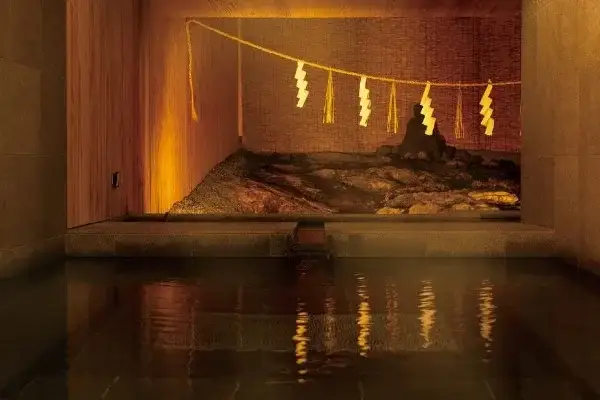
Yuda Onsen in Yamaguchi Prefecture has a long history and features soft water that is gentle on the skin. Legend says an injured white fox bathed its wounded foot in the hot springs repeatedly until healed, leading to the discovery of the springs. Yuda Onsen is a bustling historic hot spring town. Upon arrival, it is recommended to visit the sightseeing complex "Footprints of the Fox."

04

Yamaguchi Prefecture

After breakfast, enjoy a special kimono experience, then stroll to Rurikoji Temple’s Five-Story Pagoda, one of Japan’s three famous pagodas. Built in 1442, it stands 31.2 meters tall with a beautiful cypress shingle roof. The decreasing spacing between upper levels creates a slender, refined look. Notably, only the bottom two levels have railings, showcasing precise craftsmanship and architectural skill of the time, making it a symbol of Yamaguchi City. For lunch, enjoy Yamaguchi’s specialty—soba served on heated tiles, a new dish from Shimonoseki. Next, visit Chofu Garden, a Japanese garden of about 30,000 square meters in Shimonoseki City. It was the home of Nishiyuki Osamu, a vassal of the Mouri Chofu domain during the Edo period. The garden features study rooms, tea houses, and pavilions, as well as a waterfall built using pond water, creating a tranquil landscape. Nearby is Kozanji Temple, founded in the Kamakura period as the Mouri family’s mortuary temple. The Zen-style temple hall, designated a national treasure, offers beautiful garden views from the 'Site of the Five Court Nobles' Residence.' Overnight at a comfortable hotel.
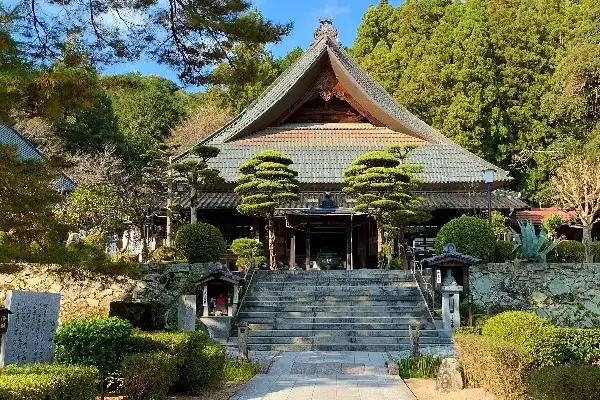
After breakfast, enjoy a special kimono experience, then stroll to Rurikoji Temple’s Five-Story Pagoda, one of Japan’s three famous pagodas. Built in 1442, it stands 31.2 meters tall with a beautiful cypress shingle roof. The decreasing spacing between upper levels creates a slender, refined look. Notably, only the bottom two levels have railings, showcasing precise craftsmanship and architectural skill of the time, making it a symbol of Yamaguchi City. For lunch, enjoy Yamaguchi’s specialty—soba served on heated tiles, a new dish from Shimonoseki. Next, visit Chofu Garden, a Japanese garden of about 30,000 square meters in Shimonoseki City. It was the home of Nishiyuki Osamu, a vassal of the Mouri Chofu domain during the Edo period. The garden features study rooms, tea houses, and pavilions, as well as a waterfall built using pond water, creating a tranquil landscape. Nearby is Kozanji Temple, founded in the Kamakura period as the Mouri family’s mortuary temple. The Zen-style temple hall, designated a national treasure, offers beautiful garden views from the 'Site of the Five Court Nobles' Residence.' Overnight at a comfortable hotel.

Breakfast: at the hotel. Lunch: at your own expense. Dinner: at your own expense.

Ruriko-ji Temple

Ruriko-ji Temple

Ruriko-ji Temple, belonging to the Soto sect, is famous for its five-story pagoda standing to the north. The pagoda was built in 1442 to honor Mori Yoshihiro, who died in the Oei War of 1399. As a Muromachi period structure, its design is mainly Japanese with some Tang dynasty influence and generally has minimal decoration.

Chofu Garden

The residence site of Nishiumicho, chief retainer of the Mori Chofu clan. Backed by a hill, it covers about 30,000 square meters centered on a pond, featuring study rooms, tea houses, and a small waterfall. It is a stroll garden style (kaiyu-shiki) that changes beautifully with the seasons.

Kozan-ji Temple

Kozan-ji Temple is a Soto sect Buddhist temple located in the Chofu area of Shimonoseki City, established in the late Kamakura period. Its central Buddhist hall is designated a National Treasure. The temple gained fame from an event in the late Edo period and from a local Yamaguchi hero.
05

Yamaguchi Prefecture → Fukuoka

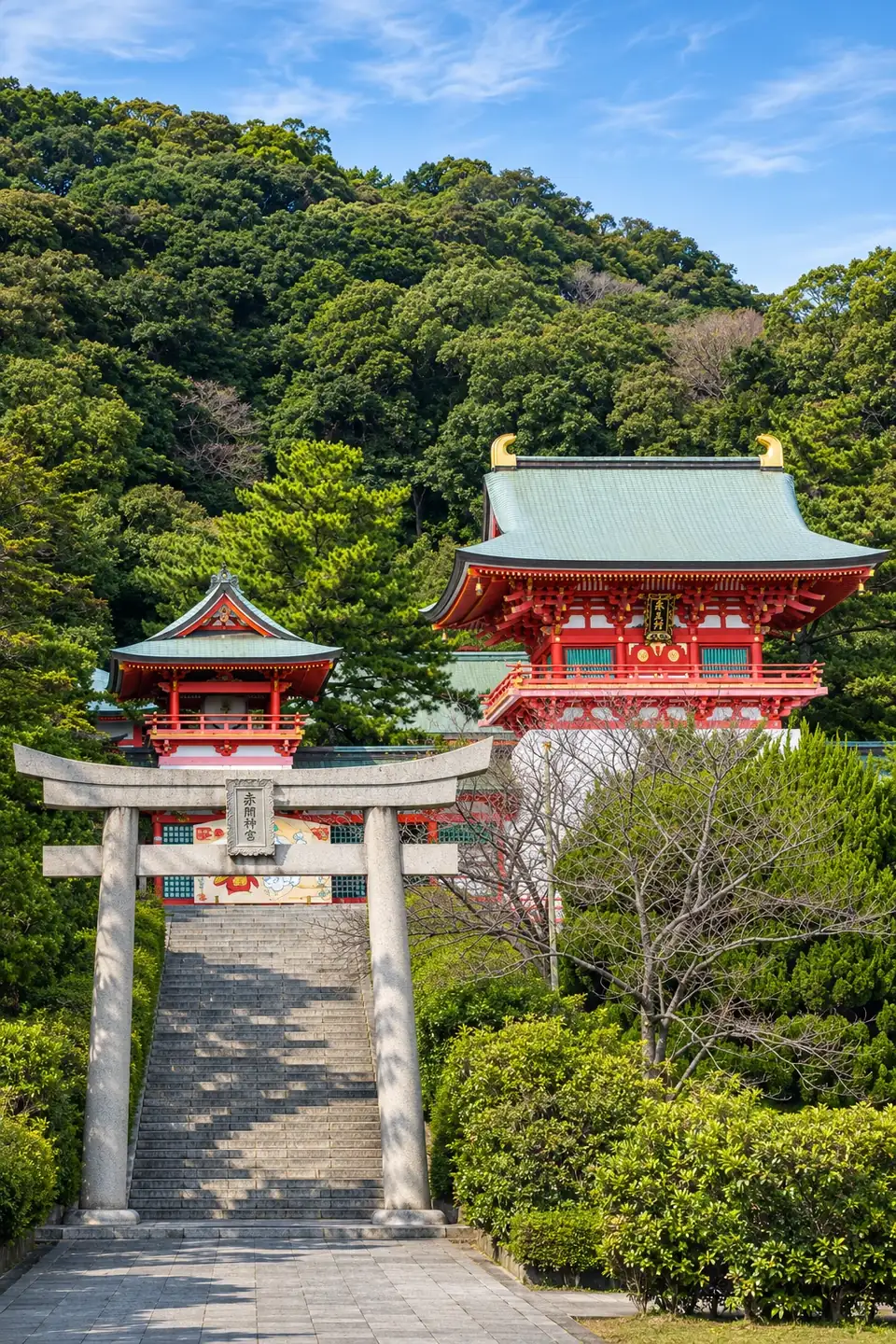
Visit Akama Shrine and Karato Market in Shimonoseki, then explore Kaikyokan aquarium. Confirm market trading days, aquarium programs and admission arrangements for the travel date. Stay overnight at accommodation specified in your proposal.

AI-rendered illustration

Visit Akama Shrine and Karato Market in Shimonoseki, then explore Kaikyokan aquarium. Confirm market trading days, aquarium programs and admission arrangements for the travel date. Stay overnight at accommodation specified in your proposal.

Breakfast: at the hotel. Lunch: at your own expense. Dinner: at your own expense.

Akama ShrineAI-rendered illustration

Akama Shrine

Akama Shrine, located in Shimonoseki City, was built in 1191 to honor Emperor Antoku, who died in the Battle of Dan-no-ura. The red and white Suiten Gate is a famous photo spot in Shimonoseki. The annual "Sentaisai" festival held May 2–4 includes performances like "Outer Hakama Parade" mimicking ancient women's walking styles and reenactments of the Genpei War. The shrine is also famous as the setting of the Japanese ghost story "Hoichi the Earless."

Karato Market

Yamaguchi has a vibrant market where local fishermen sell freshly caught seafood at fair prices. Starting as a roadside market in 1909, the market now supplies seafood across Japan. Besides seafood, many farmers from Yamaguchi and nearby areas sell seasonal produce, making it a great place to find fresh local ingredients.

Shimonoseki Aquarium

Shimonoseki City Aquarium holds 2,400 tons of water across 65 tanks housing 20,000 aquatic creatures of about 500 species. The tank replicating the Seto Inland Sea and Kanmon Strait includes an underwater tunnel offering an immersive experience as if walking beneath the sea. The aquarium uniquely features a complete blue whale skeleton, the only one in Japan. It also has a special display of over 100 species of fugu native to the region. The Strait Water Show features dolphin and sea lion performances. Visitors can enjoy Italian cuisine while watching the dolphins in the aquarium's Derufino restaurant.

06

Fukuoka

Free time arranged according to departure schedule. The itinerary ends locally in Fukuoka; airport transfers can be arranged according to actual flight times. International return flights and the day you arrive home are not included in this itinerary.

AI-rendered illustration

Free time arranged according to departure schedule. The itinerary ends locally in Fukuoka; airport transfers can be arranged according to actual flight times. International return flights and the day you arrive home are not included in this itinerary.

Breakfast: at the hotel. Lunch: at your own expense. Dinner: at your own expense.

YOUR ROUTE

Know the shape of your journey.

Starts in
Fukuoka
Ends in
Fukuoka
Local itinerary
6 days

A proposal shaped around you

Use this route as a starting point. Tell us your dates, pace and accommodation preferences.

Your quote will specify accommodation, guiding, transport, activities, meals and any optional arrangements before you book. International flights and airport transfers are discussed separately.

TRAVEL IN COMFORT

The right vehicle for your group.

Toyota Alphard

Up to 6 passengers

Toyota HiAce

Up to 9 passengers

Our main touring vehicles. We recommend a vehicle based on your group size and luggage. Maximum seating capacity does not guarantee room for all bags when every seat is occupied. Vehicle availability is confirmed for your destination.

More to discover

Motonosumi Shrine

Set against the contrast of blue skies, blue seas, and green forests, the continuous row of red torii gates at Motonosumi Inari Shrine is striking. In 2015, it was praised by CNN as one of Japan's beautiful spots. At the top of the large torii gate at the shrine ruins is a coin box; many visitors try to toss coins into it, making it a popular photo spot.

Unrin-ji Temple

Located in the eastern part of Hagi City, Yamaguchi Prefecture, nestled in a mountain village, is Unrin-ji Temple. This temple is gaining popularity as a “cat temple.” Within the shrine, cats are everywhere! With statues of Buddha, beckoning cats, colorful wooden decorations, and real cats, visitors are warmly welcomed. Known abroad as a 'Cat Sanctuary,' cats can be seen all around.

Kintai Bridge

Located over the Nishiki River in Iwakuni City, Yamaguchi Prefecture, Japan, Kintai Bridge is a historic wooden arch bridge with five stone piers spanning 27.5 meters each, totaling 193.3 meters in length and 5 meters in width. Built in 1673, it is one of Japan's three famous bridges. Known for its scenic beauty, it is affectionately called the "Kintai Bridge."

Hofu Tenmangu Shrine Tea Ceremony Experience

Hofu Tenmangu Shrine Tea Ceremony Experience

Mori Family Garden

The former residence of the Mori family, lords of the Choshu Domain (now Yamaguchi Prefecture), is located in this charming garden. Stroll along winding paths and learn about the centuries-long history of the Mori clan. The garden is a fine example of 19th to 20th-century Japanese garden design. Enjoy the tranquil atmosphere on the bridge spanning the Hyotan Pond. The meticulously trimmed shrubs and carefully placed rocks represent timeless beauty.

Ruriko-ji Temple

Ruriko-ji Temple, belonging to the Soto sect of Buddhism, is famous for its five-story pagoda standing to the north of the temple grounds. The pagoda was built in 1442 to commemorate Mori Yoshihiro, who died in the Oei War (1399). Mori was a regional lord protecting the Yamaguchi area during the Muromachi period. Ruriko-ji Temple features Japanese architectural style with some Tang dynasty influences. As a Muromachi period building, it is relatively simple and less decorative.

Chofu Garden

The residence site of Nishiumicho, chief retainer of the Mori Chofu clan. Backed by a hill, it covers about 30,000 square meters centered on a pond, featuring study rooms, tea houses, and a small waterfall. It is a stroll garden style (kaiyu-shiki) that changes beautifully with the seasons.

Akama Shrine

Akama Shrine, located in Shimonoseki City, was built in 1191 to honor Emperor Antoku, who died in the Battle of Dan-no-ura. The red and white Suiten Gate is a famous photo spot in Shimonoseki. The annual "Sentaisai" festival held May 2–4 includes performances like "Outer Hakama Parade" mimicking ancient women's walking styles and reenactments of the Genpei War. The shrine is also famous as the setting of the Japanese ghost story "Hoichi the Earless."

Shimonoseki Aquarium

Shimonoseki City Aquarium holds 2,400 tons of water across 65 tanks housing 20,000 aquatic creatures of about 500 species. The tank replicating the Seto Inland Sea and Kanmon Strait includes an underwater tunnel offering an immersive experience as if walking beneath the sea. The aquarium uniquely features a complete blue whale skeleton, the only one in Japan. It also has a special display of over 100 species of fugu native to the region. The Strait Water Show features dolphin and sea lion performances. Visitors can enjoy Italian cuisine while watching the dolphins in the aquarium's Derufino restaurant.

Before you go

This journey starts at the destination. Seasonal experiences, service inclusions and availability are confirmed with your personalized proposal.

Original source & photography · 6renyou ↗

Image credits and illustrations

BEFORE YOU PLAN

Travel planning, clearly explained.

OpenEast brings together Japan and South Korea itinerary ideas for travelers from North America, with China also part of our destination plans. Start with the local route, then consider flights and airport transfers around it.

When does Day 1 begin?

Day 1 begins at the destination. International departure-only and return flight days are not counted as destination days. Plan your flights around the local itinerary dates.

Are flights and airport transfers included?

International flights and airport transfers are confirmed separately. Do not assume they are included in a suggested itinerary.

Are these confirmed departures?

These routes are itinerary ideas. Dates, hotels, admissions, seasonal activities, prices and availability need confirmation in a personalized proposal before booking.

Can I book or send an inquiry here?

Use the inquiry form to contact our team. A submission confirmation appears only when the email service accepts your request. An inquiry does not reserve a service or take payment.

Explore Japan itineraries → · Explore South Korea itineraries →

1 / 2

Let’s plan your journey.

Yamaguchi Discovery & Scenic Treasures: Yumoto/Yuda Onsen + Motonosumi Shrine + Mouri Clan Garden 6 Days

Leave your details, and our travel specialists will get in touch by email or your preferred contact method.

Your specialist will confirm the itinerary, pricing and availability with you.

How we use your information

Your inquiry is sent to info@jasperlimo.com so our team can respond. Please do not include passport or payment details.

Start planning