04Wakayama Prefecture
Koyasan (Mount Koya):
Founded in 816 AD by the monk Kukai (774–835 AD), posthumously known as Kobo Daishi, Koyasan is the headquarters of the Shingon Buddhist sect. Located within Koya Ryujin National Park, the area’s eight peaks and valleys resemble a lotus flower, symbolizing good fortune. For over 1200 years, Koyasan has developed into a thriving Buddhist center and remains one of Japan’s top religious sites. The captivating surroundings have long attracted emperors, monks, and common people alike. The area features 117 hand-built structures, remnants from over 2,000 temples during the peak Edo Period (1603-1868). Whether draped in autumn maples, winter frost, or spring cherry blossoms and azaleas, Koyasan offers believers and visitors a place to find relief from daily stress.
Shukubo (Temple Lodging):
Historically dating back to the Heian era around 1,000 years ago, shukubo originally provided lodging for monks but now welcomes the public to experience temple life. This experience is hosted at a shukubo in sacred Koyasan with a millennium of history; the temple is tranquil and features serene gardens and was once home to the 16th-century warlords Sanada Masayuki and Yukimura. Guests may participate in "A-ji-kan" meditation, sutra copying, morning prayers, and enjoy vegetarian shojin cuisine immersed in Buddhist teachings and Zen spirit. Shukubo Rengejo-in offers various guest rooms with traditional Japanese style, decorated with Japanese paintings, providing an elegant and comfortable space. Most rooms overlook rock gardens and woods; some have private baths with views for relaxation.
Special Experience: Zen retreat activities (morning recitation, sutra copying, Buddhist painting, meditation)
Lunch: Temple lunch
Dinner: Temple dinner
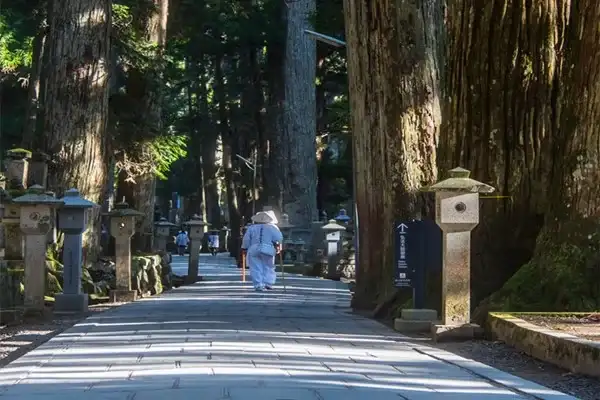
Koyasan (Mount Koya):
Founded in 816 AD by the monk Kukai (774–835 AD), posthumously known as Kobo Daishi, Koyasan is the headquarters of the Shingon Buddhist sect. Located within Koya Ryujin National Park, the area’s eight peaks and valleys resemble a lotus flower, symbolizing good fortune. For over 1200 years, Koyasan has developed into a thriving Buddhist center and remains one of Japan’s top religious sites. The captivating surroundings have long attracted emperors, monks, and common people alike. The area features 117 hand-built structures, remnants from over 2,000 temples during the peak Edo Period (1603-1868). Whether draped in autumn maples, winter frost, or spring cherry blossoms and azaleas, Koyasan offers believers and visitors a place to find relief from daily stress.
Shukubo (Temple Lodging):
Historically dating back to the Heian era around 1,000 years ago, shukubo originally provided lodging for monks but now welcomes the public to experience temple life. This experience is hosted at a shukubo in sacred Koyasan with a millennium of history; the temple is tranquil and features serene gardens and was once home to the 16th-century warlords Sanada Masayuki and Yukimura. Guests may participate in "A-ji-kan" meditation, sutra copying, morning prayers, and enjoy vegetarian shojin cuisine immersed in Buddhist teachings and Zen spirit. Shukubo Rengejo-in offers various guest rooms with traditional Japanese style, decorated with Japanese paintings, providing an elegant and comfortable space. Most rooms overlook rock gardens and woods; some have private baths with views for relaxation.
Special Experience: Zen retreat activities (morning recitation, sutra copying, Buddhist painting, meditation)
Lunch: Temple lunch
Dinner: Temple dinner
Breakfast: at the hotel. Lunch: at your own expense. Dinner: at the hotel.
Mount Koya (Koyasan)
Koyasan is located in northeastern Wakayama Prefecture and comprises a mountain range around 1,000 meters in elevation, part of Koya Ryujin Quasi-National Park. In 2004, Koyasan was inscribed as a UNESCO World Heritage site within the Sacred Sites and Pilgrimage Routes in the Kii Mountain Range. The area is richly vegetated and serves as a natural oxygen park. It features numerous temples and shrines notable for their beautiful Japanese gardens. The cemetery houses graves of historical figures such as Oda Nobunaga, Toyotomi Hideyoshi, and Takeda Shingen.
Koyasan Daimon Gate
This is the symbolic gate marking official entry into Koyasan. Registered as an Important Cultural Property of Japan, the current structure was rebuilt in 1705 after destruction in wars. It has two stories and three main gates. The Kongorikishi statues on either side date from the mid-Edo period and are the second largest Kongorikishi statues in Japan, second only to those at Todai-ji’s South Gate.
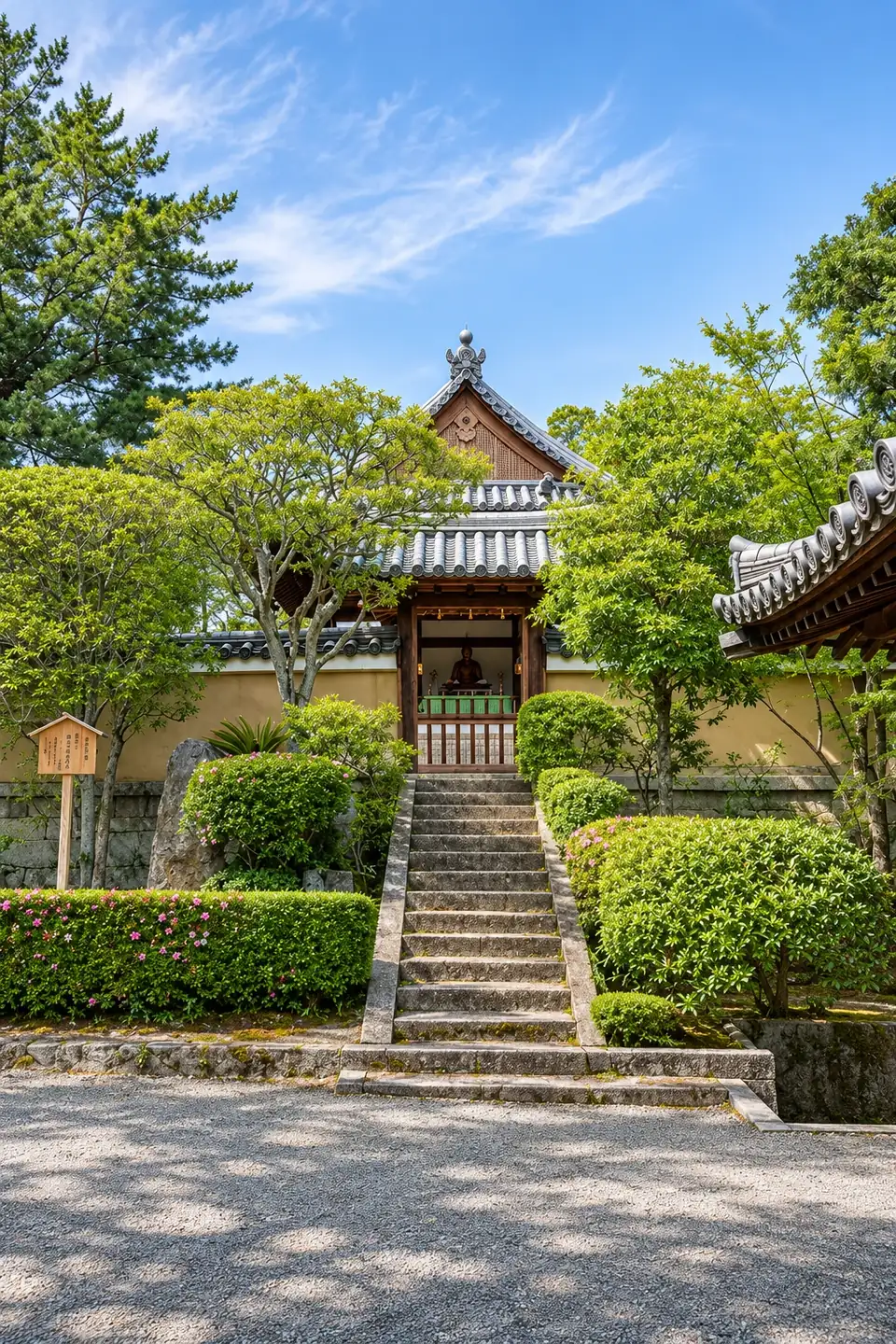 AI-rendered illustration
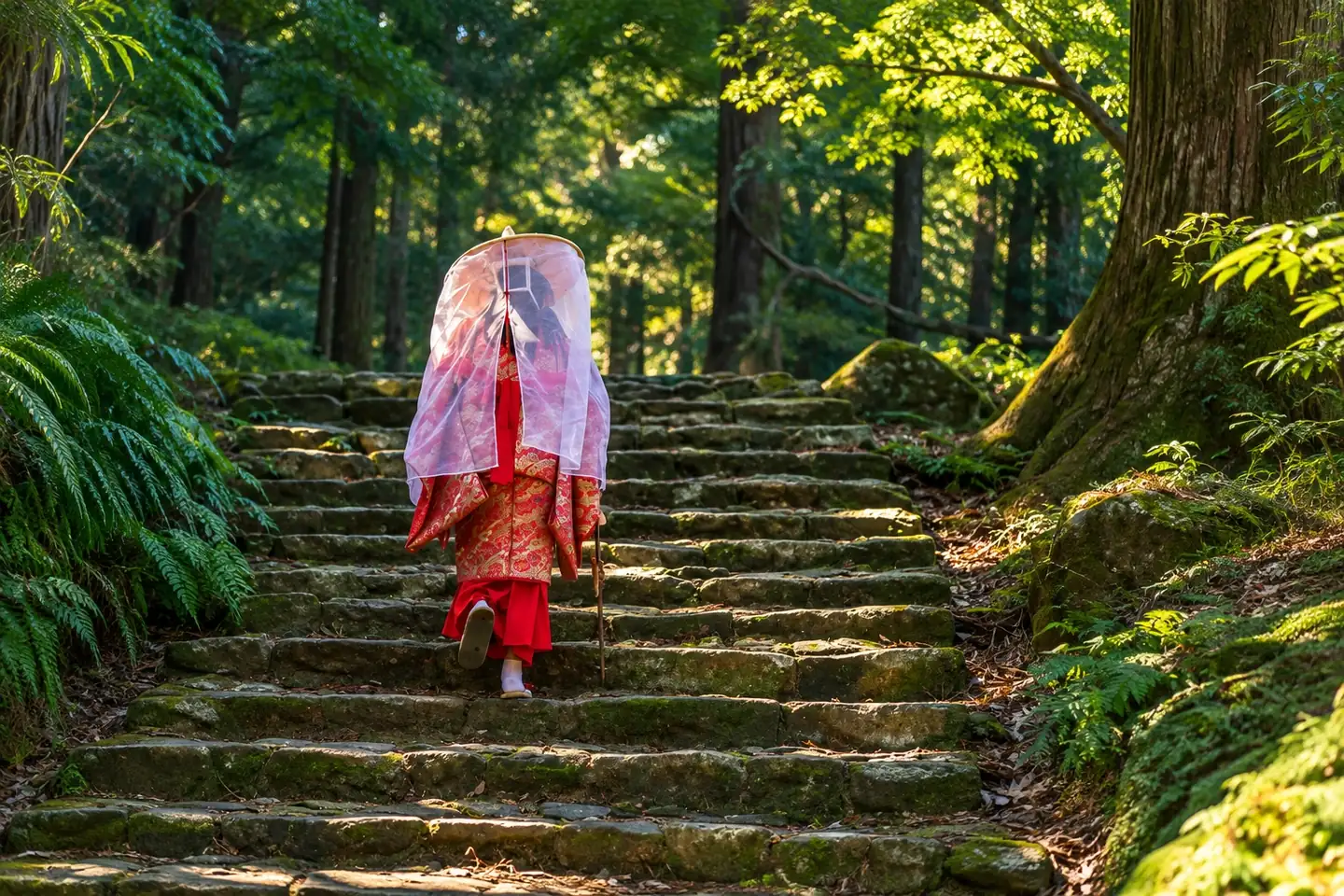 AI-rendered illustration
 AI-rendered illustration
 AI-rendered illustration