Japan · 6 DAYS

Kansai Leisure Tour

Osaka → Nara → Kyoto → Kobe

Classic Kansai itinerary with in-depth Kyoto exploration and stunning scenery. Unique Arima Onsen experience to refresh and relax.

6 daysCulture & natureItinerary idea

Request this itinerary

Leave your details, and our travel specialists will get in touch by email or your preferred contact method.

Your specialist will confirm the itinerary, pricing and availability with you.

How we use your information

Your inquiry is sent to info@jasperlimo.com so our team can respond. Please do not include passport or payment details.

JOURNEY HIGHLIGHTS

Japan, made personal.

Kansai Leisure Tour: Classic Kansai, Spectacular Amanohashidate & Ine Funaya

Day 1 starts in Osaka. International airfare is arranged separately.

  • 01Classic Kansai itinerary with in-depth Kyoto exploration and stunning scenery.
  • 02Unique Arima Onsen experience to refresh and relax.
  • 03Explore Osaka’s shopping paradise and fill your luggage before departure.

Your journey, day by day

01

Osaka

Day 1 begins on arrival in Osaka. Local sightseeing and hotel check-in depend on your arrival time; international departure and flight days are not included. Airport transfers can be arranged separately; inclusion depends on your confirmed proposal.

Day 1 begins on arrival in Osaka. Local sightseeing and hotel check-in depend on your arrival time; international departure and flight days are not included. Airport transfers can be arranged separately; inclusion depends on your confirmed proposal.

Breakfast: at your own expense. Lunch: at your own expense. Dinner: at your own expense.

02

Osaka → Nara → Kyoto

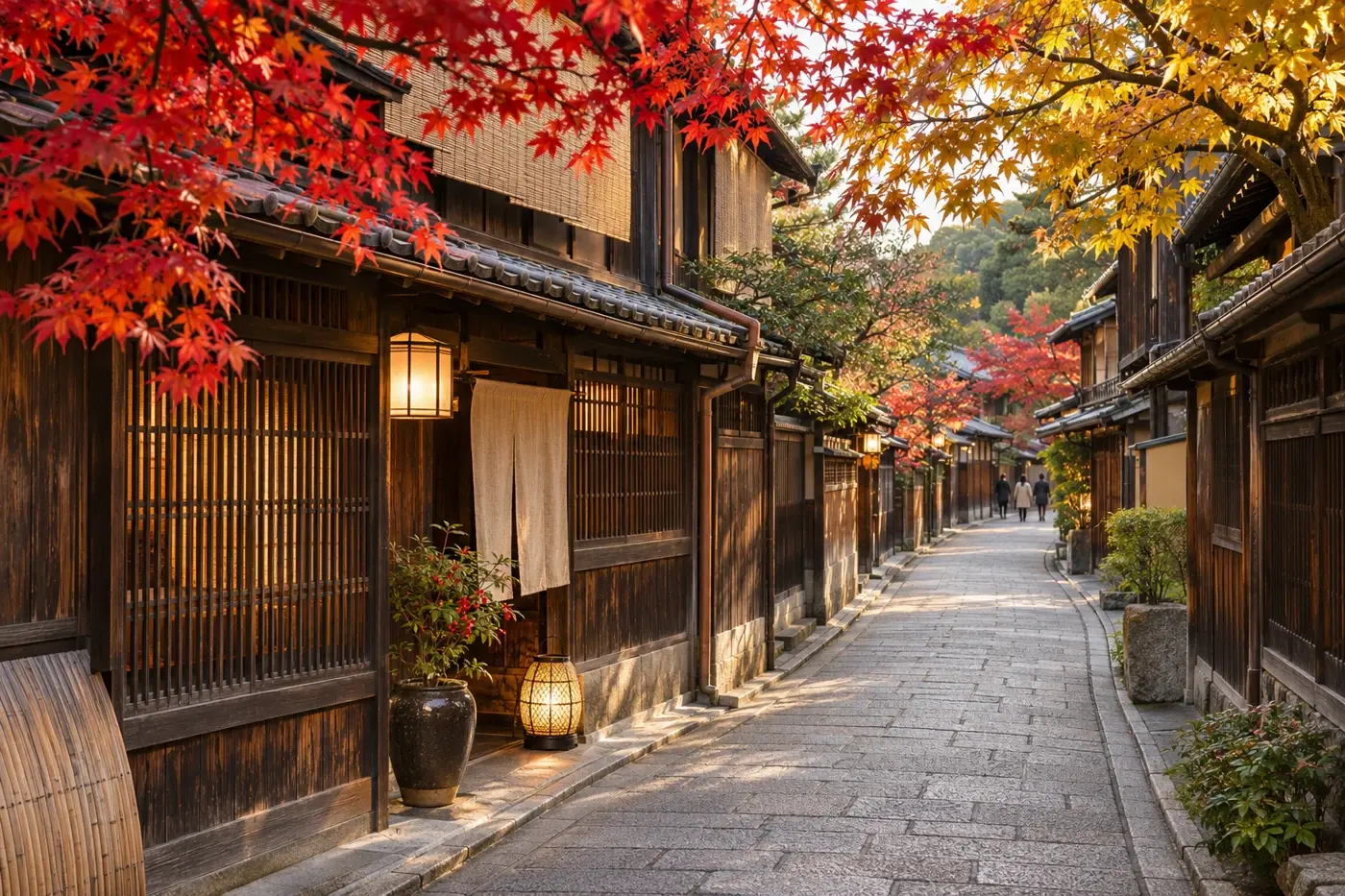
Today, travel from Osaka to Nara and Kyoto. Feed the charming deer in Nara Park, visit historic temples Todai-ji and Kiyomizu-dera to learn about ancient capitals’ culture. Experience wearing traditional Japanese kimono while strolling traditional streets, and encounter the thousand Torii gates and Geisha in Hanami-koji Street.

AI-rendered illustration

Today, travel from Osaka to Nara and Kyoto. Feed the charming deer in Nara Park, visit historic temples Todai-ji and Kiyomizu-dera to learn about ancient capitals’ culture. Experience wearing traditional Japanese kimono while strolling traditional streets, and encounter the thousand Torii gates and Geisha in Hanami-koji Street.

Breakfast: at the hotel. Lunch: at your own expense. Dinner: at your own expense.

Nara Park

Nara Park stretches across the eastern side of the city, near Mount Wakakusa, Todai-ji Temple, Kasuga Taisha and the Nara National Museum. Deer roam the grounds and are protected as a national natural monument. Fresh spring greenery, autumn foliage and quieter off-season walks give the park year-round appeal.

Todai-ji Temple

Todai-ji is the head temple of the Kegon school of Japanese Buddhism and one of Nara's great historic temples, with more than 1,200 years of history. It became part of the UNESCO-listed Historic Monuments of Ancient Nara in 1998. The Great Buddha Hall is approximately 57 meters wide and 50 meters deep, housing a Vairocana Buddha more than 15 meters tall. Other notable structures include the Great South Gate, Nigatsu-do, Sangatsu-do and the Shoso-in.

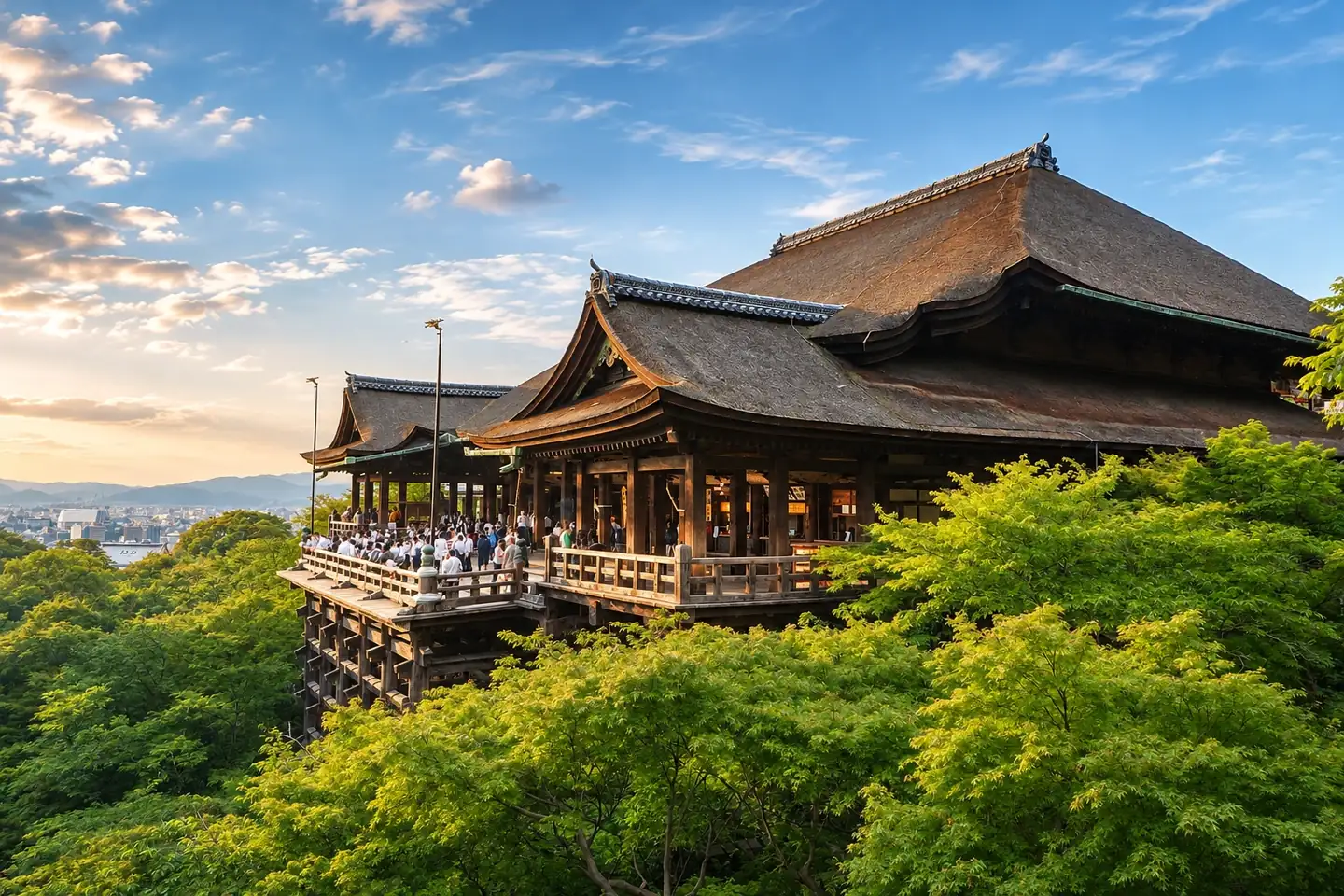
Kiyomizu-dera TempleAI-rendered illustration

Kiyomizu-dera Temple

Founded in 778, before Kyoto became Japan's capital, Kiyomizu-dera stands on the slopes of Mount Otowa in eastern Kyoto. Following several fires, much of the present complex was rebuilt in 1631–1633 under the third Tokugawa shogun, Iemitsu. Its main hall is a National Treasure, while the Nio Gate, West Gate, three-story pagoda and bell tower are important cultural properties. In 1994 it became part of the UNESCO-listed Historic Monuments of Ancient Kyoto.

Ninenzaka & Sannenzaka

Ninenzaka and Sannenzaka are historic lanes in Kyoto lined with old wooden buildings and traditional shops. Ninenzaka is said to date to 807. These streets connect the area around Kiyomizu-dera with Nene-no-Michi and Kodai-ji.

Fushimi Inari Taisha

At the foot of Mount Inari in southern Kyoto, this historic shrine honors Inari, associated with harvests and prosperity in business. Beyond the main buildings, thousands of vermilion torii gates form paths up the mountain. The roughly four-kilometer circuit takes about two to three hours on foot and is one of Kyoto's best-known landscapes.

Hanamikoji

Hanamikoji is one of Gion's most atmospheric historic streets. Associated with Kyoto's traditional entertainment culture since the Edo period, it remains a place where geiko and maiko may be seen on their way to engagements.

03

Kyoto

Today, explore the Sea of Kyoto area, visiting Ine Funaya (boat houses) and the scenic Amanohashidate. Enjoy the unique Tango Kuro-matsu sightseeing train and savor afternoon tea on the sea.

Today, explore the Sea of Kyoto area, visiting Ine Funaya (boat houses) and the scenic Amanohashidate. Enjoy the unique Tango Kuro-matsu sightseeing train and savor afternoon tea on the sea.

Breakfast: at the hotel. Lunch: at your own expense. Dinner: at your own expense.

Ine Funaya Village

Ine Village is a charming village on the east side of the Tango Peninsula with a beautiful bay. Houses there are built over the water, with boats moored beneath; these are called Funaya houses. The best way to explore Ine is by boat. It is rated by Japanese people as one of the 18 most beautiful rural villages in Japan, and is conveniently visited along with Amanohashidate.

Amanohashidate

Amanohashidate is located in Miyazu, Kyoto Prefecture, along the Sea of Japan coast. It is a roughly 3-kilometer-long sandbar that separates Aso Bay from Miyazu Bay, covered with pine trees. Visitors can walk along it or take a sightseeing boat tour. Known for its striking combination of white sand and green pines, it is counted among Japan's three scenic views alongside Miyajima in Hiroshima and Matsushima in Miyagi. Nearby hot springs offer opportunities for relaxation and skin care.

04

Kyoto → Kobe

Today, journey from Kyoto to Kobe. Visit Kobe’s Ijinkan (foreign residences), ascend Mount Rokko observation deck, explore Chinatown (Nankinmachi), and Kobe Port. Finish with a stay at Arima Onsen to relax and rejuvenate.

AI-rendered illustration

Today, journey from Kyoto to Kobe. Visit Kobe’s Ijinkan (foreign residences), ascend Mount Rokko observation deck, explore Chinatown (Nankinmachi), and Kobe Port. Finish with a stay at Arima Onsen to relax and rejuvenate.

Breakfast: at the hotel. Lunch: at your own expense. Dinner: at your own expense.
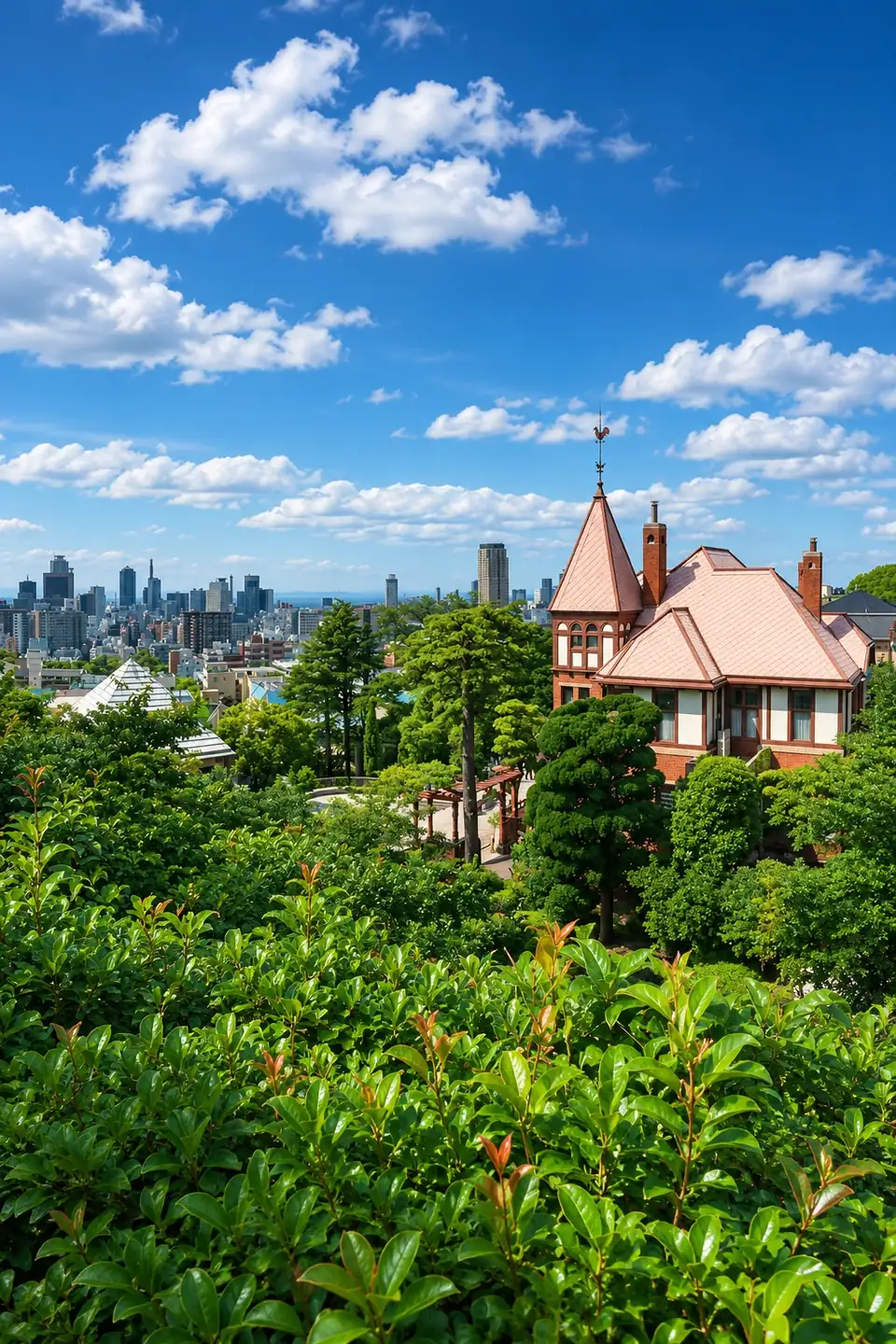
Kitano Ijinkan StreetAI-rendered illustration

Kitano Ijinkan Street

Following Kobe’s port expansion in the late 1960s, Ijinkan Foreign Residences increased, giving Kitano Ijinkan Street a distinct exotic atmosphere. About twenty foreign residences are open to the public, including one converted from a former Swiss trader’s home into a restaurant, evoking the feel of a Western residence abroad.

Mount Rokko and Observation Deck

Located near Kobe, Mount Rokko is part of Setonaikai National Park. Its observation deck sits at 737.5 meters elevation northeast of Maya-san's Kikuseidai, offering spectacular nighttime views of Kobe Port. On clear days, views extend across the Osaka Plain and to the Wakayama coastline in the distance.

Nankinmachi (Kobe Chinatown)

Nankinmachi is the narrow area between Motomachi and Sakaemachi streets in Kobe. Along with Yokohama Chinatown and Nagasaki Shinchi Chinatown, it is one of Japan’s three major Chinatowns. With over 140 years of history, it covers approximately 200 meters east-west and 110 meters north-south. It hosts about 100 Chinese restaurants, food shops, and miscellaneous stores with decorations featuring Chinese-style lanterns and vivid red, blue, yellow, green, and gold colors. On holidays, locals and tourists gather here, especially during the February Lunar New Year, enjoying dragon and lion dances with a festive atmosphere.

Kobe Harbor

Kobe is one of Japan's major commercial ports. Its history as a foreign settlement since the Meiji era gives the waterfront an international character. The observation deck at Kobe Port Tower, approximately 91 meters above ground, offers views of the city and harbor. Waterfront events may include fireworks and outdoor concerts; schedules vary.

Arima Onsen Town

Arima Onsen is the oldest hot spring in the Kansai region, located in Arima Town, Kita Ward, Kobe City, Hyogo Prefecture. As one of Japan’s three major hot springs, it is a historic area with 1300 years of history, reportedly built in the 8th century by a Buddhist monk. Surrounded by mountains on three sides, it is a popular destination for cherry blossom viewing in spring and autumn leaf viewing, combined with its famous hot springs.
05

Kobe → Osaka

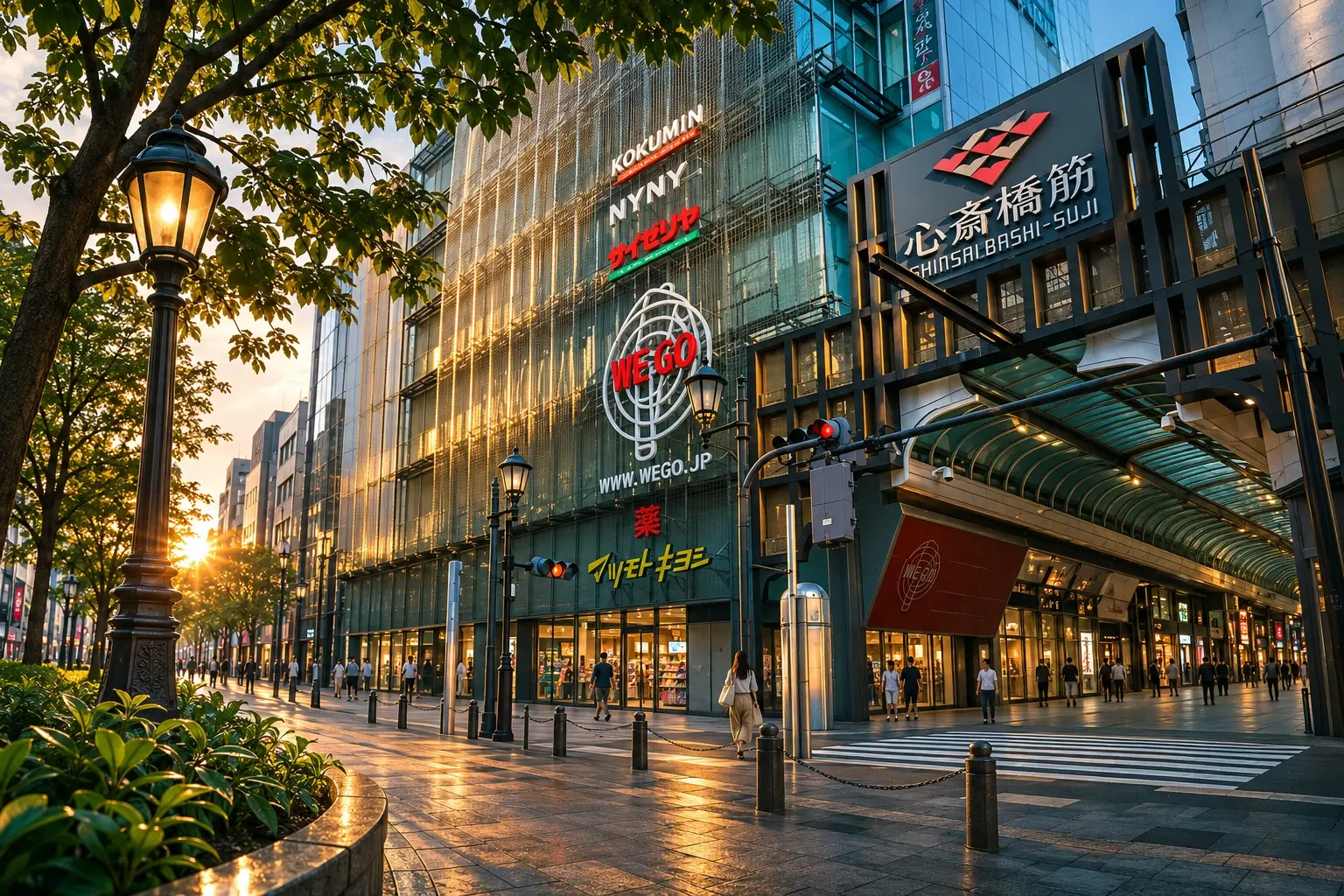
Today, tour Osaka city. Visit Osaka Castle’s main tower and Tsutenkaku Tower, then shop at Shinsaibashi.

AI-rendered illustration

Today, tour Osaka city. Visit Osaka Castle’s main tower and Tsutenkaku Tower, then shop at Shinsaibashi.

Breakfast: at the hotel. Lunch: at your own expense. Dinner: at your own expense.

Osaka Castle Main Tower

Osaka Castle's main tower is the landmark of the castle grounds. The castle is associated with Toyotomi Hideyoshi and has undergone destruction and reconstruction over its history. The present concrete tower dates to 1931 and was renovated in 1997. Its exhibitions explore Hideyoshi and Osaka's past. The source lists a December 28–January 1 closure; verify current opening dates before visiting.

Tsutenkaku Tower

Tsutenkaku Tower was modeled after the Arc de Triomphe and Eiffel Tower in Paris and was once Japan’s tallest building. It is a symbol of Osaka. Visitors can ride the elevator to the observation deck for beautiful city views. On the 5th floor stands a lucky deity statue; touching its feet is said to bring good luck.

ShinsaibashiAI-rendered illustration

Shinsaibashi

Shinsaibashi is one of Osaka's major shopping districts. Centered on the covered Shinsaibashi-suji arcade, it extends from Nagahori-dori toward Dotonbori. Boutiques, specialty stores, restaurants and department stores draw visitors throughout the day. Alongside shopping, enjoy Osaka specialties and international food, or explore nearby cinemas, theaters and nightlife.

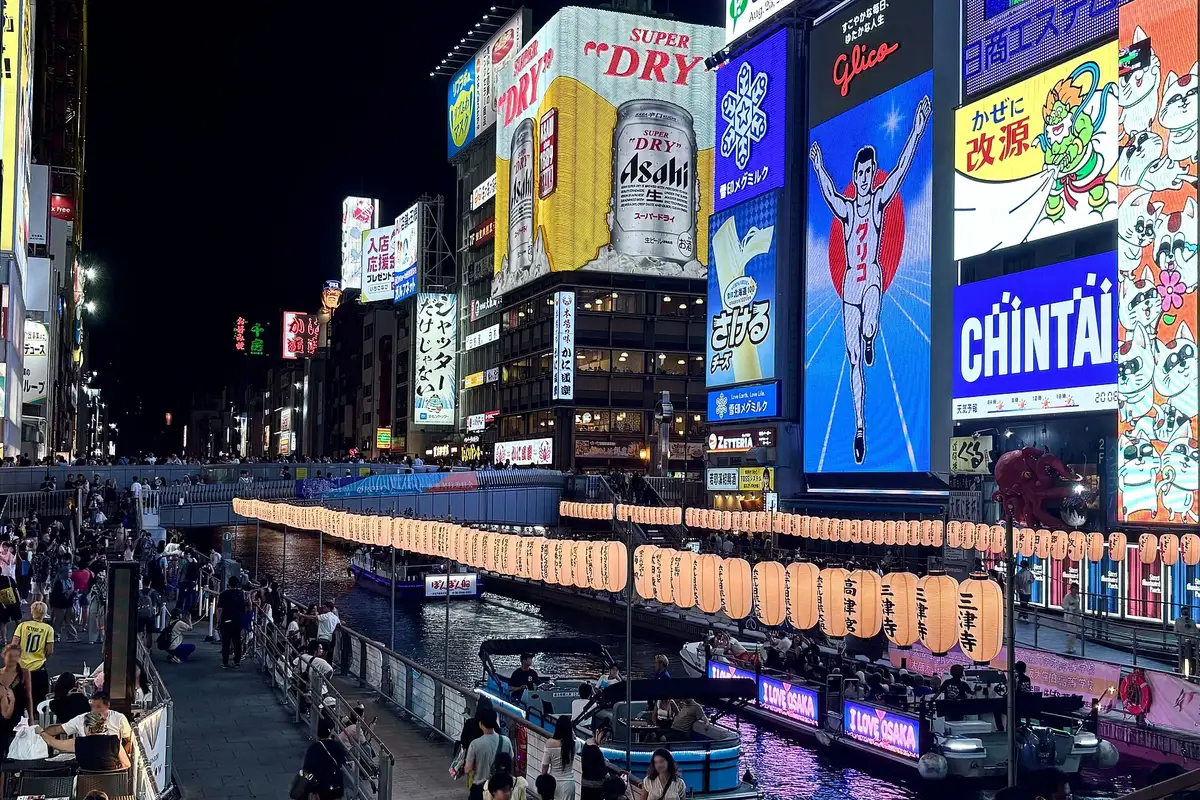
Dotonbori

Dotonbori is one of Osaka's liveliest districts and a landmark food destination. Try local favorites such as takoyaki, teppanyaki, grilled meat, kushikatsu, conveyor-belt sushi, pufferfish dishes and sweets. Even its smaller eateries can offer memorable tastes of Osaka.

06

Osaka

Enjoy free time as your departure schedule permits. Your itinerary ends locally in Osaka. An airport transfer can be arranged around your flight if needed. International return flights and the date you arrive home are not counted as itinerary days.

Enjoy free time as your departure schedule permits. Your itinerary ends locally in Osaka. An airport transfer can be arranged around your flight if needed. International return flights and the date you arrive home are not counted as itinerary days.

Breakfast: at the hotel. Lunch: at your own expense. Dinner: at your own expense.

YOUR ROUTE

Know the shape of your journey.

Starts in
Osaka
Ends in
Osaka
Local itinerary
6 days

A proposal shaped around you

Use this route as a starting point. Tell us your dates, pace and accommodation preferences.

Your quote will specify accommodation, guiding, transport, activities, meals and any optional arrangements before you book. International flights and airport transfers are discussed separately.

TRAVEL IN COMFORT

The right vehicle for your group.

Toyota Alphard

Up to 6 passengers

Toyota HiAce

Up to 9 passengers

Our main touring vehicles. We recommend a vehicle based on your group size and luggage. Maximum seating capacity does not guarantee room for all bags when every seat is occupied. Vehicle availability is confirmed for your destination.

More to discover

Nara Park

Nara Park stretches across the eastern side of the city, near Mount Wakakusa, Todai-ji Temple, Kasuga Taisha and the Nara National Museum. Deer roam the grounds and are protected as a national natural monument. Fresh spring greenery, autumn foliage and quieter off-season walks give the park year-round appeal.

Kiyomizu-dera Temple

Founded in 778, before Kyoto became Japan's capital, Kiyomizu-dera stands on the slopes of Mount Otowa in eastern Kyoto. Following several fires, much of the present complex was rebuilt in 1631–1633 under the third Tokugawa shogun, Iemitsu. Its main hall is a National Treasure, while the Nio Gate, West Gate, three-story pagoda and bell tower are important cultural properties. In 1994 it became part of the UNESCO-listed Historic Monuments of Ancient Kyoto.

Ine Funaya Village

Ine Village is a charming village on the east side of the Tango Peninsula with a beautiful bay. Houses there are built over the water, with boats moored beneath; these are called Funaya houses. The best way to explore Ine is by boat. It is rated by Japanese people as one of the 18 most beautiful rural villages in Japan, and is conveniently visited along with Amanohashidate.

Amanohashidate

Amanohashidate is located in Miyazu, Kyoto Prefecture, along the Sea of Japan coast. It is a roughly 3-kilometer-long sandbar that separates Aso Bay from Miyazu Bay, covered with pine trees. Visitors can walk along it or take a sightseeing boat tour. Known for its striking combination of white sand and green pines, it is counted among Japan's three scenic views alongside Miyajima in Hiroshima and Matsushima in Miyagi. Nearby hot springs offer opportunities for relaxation and skin care.

Kitano Ijinkan Street

Following Kobe’s port expansion in the late 1960s, Ijinkan Foreign Residences increased, giving Kitano Ijinkan Street a distinct exotic atmosphere. About twenty foreign residences are open to the public, including one converted from a former Swiss trader’s home into a restaurant, evoking the feel of a Western residence abroad.

Mount Rokko and Observation Deck

Located near Kobe, Mount Rokko is part of Setonaikai National Park. Its observation deck sits at 737.5 meters elevation northeast of Maya-san's Kikuseidai, offering spectacular nighttime views of Kobe Port. On clear days, views extend across the Osaka Plain and to the Wakayama coastline in the distance.

Osaka Castle Main Tower

Osaka Castle's main tower is the landmark of the castle grounds. The castle is associated with Toyotomi Hideyoshi and has undergone destruction and reconstruction over its history. The present concrete tower dates to 1931 and was renovated in 1997. Its exhibitions explore Hideyoshi and Osaka's past. The source lists a December 28–January 1 closure; verify current opening dates before visiting.

Shinsaibashi

Shinsaibashi is one of Osaka's major shopping districts. Centered on the covered Shinsaibashi-suji arcade, it extends from Nagahori-dori toward Dotonbori. Boutiques, specialty stores, restaurants and department stores draw visitors throughout the day. Alongside shopping, enjoy Osaka specialties and international food, or explore nearby cinemas, theaters and nightlife.

Before you go

This journey starts at the destination. Seasonal experiences, service inclusions and availability are confirmed with your personalized proposal.

Original source & photography · 6renyou ↗

Image credits and illustrations

BEFORE YOU PLAN

Travel planning, clearly explained.

OpenEast brings together Japan and South Korea itinerary ideas for travelers from North America, with China also part of our destination plans. Start with the local route, then consider flights and airport transfers around it.

When does Day 1 begin?

Day 1 begins at the destination. International departure-only and return flight days are not counted as destination days. Plan your flights around the local itinerary dates.

Are flights and airport transfers included?

International flights and airport transfers are confirmed separately. Do not assume they are included in a suggested itinerary.

Are these confirmed departures?

These routes are itinerary ideas. Dates, hotels, admissions, seasonal activities, prices and availability need confirmation in a personalized proposal before booking.

Can I book or send an inquiry here?

Use the inquiry form to contact our team. A submission confirmation appears only when the email service accepts your request. An inquiry does not reserve a service or take payment.

Explore Japan itineraries → · Explore South Korea itineraries →

1 / 4

Let’s plan your journey.

Kansai Leisure Tour: Classic Kansai, Spectacular Amanohashidate & Ine Funaya

Leave your details, and our travel specialists will get in touch by email or your preferred contact method.

Your specialist will confirm the itinerary, pricing and availability with you.

How we use your information

Your inquiry is sent to info@jasperlimo.com so our team can respond. Please do not include passport or payment details.

Start planning