Japan · 7 DAYS

Summer Cooler Escape: 7-Day Kanto Japan Tour

Tokyo → Kawagoe → Nikko → Karuizawa

Historic Kawagoe: Strolling Old Japanese Streets World Heritage Nikko: Explore Cultural History and Nature

7 daysCulture & natureItinerary idea

Request this itinerary

Leave your details, and our travel specialists will get in touch by email or your preferred contact method.

Your specialist will confirm the itinerary, pricing and availability with you.

How we use your information

Your inquiry is sent to info@jasperlimo.com so our team can respond. Please do not include passport or payment details.

JOURNEY HIGHLIGHTS

Japan, made personal.

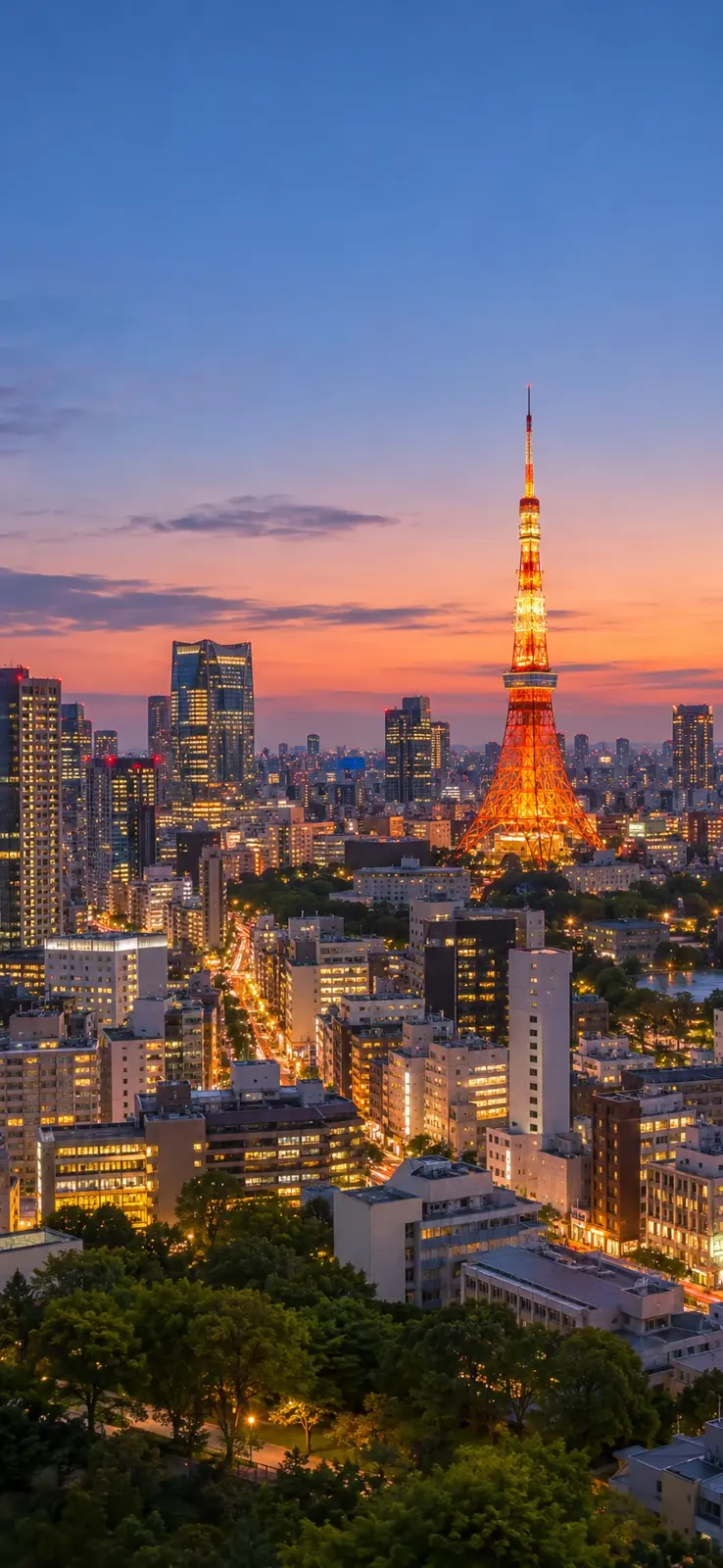
[Summer Cooler Escape - 7-Day Kanto Japan Tour] Kawagoe, World Heritage Nikko, Karuizawa Resort, Tokyo Shopping

Day 1 starts in Tokyo. International airfare is arranged separately.

  • 01Historic Kawagoe: Strolling Old Japanese Streets
  • 02World Heritage Nikko: Explore Cultural History and Nature
  • 03Cool Summer Retreat: Karuizawa Leisure Trip

Your journey, day by day

01

Tokyo

Day 1 begins on arrival in Tokyo. Local sightseeing and hotel check-in depend on your arrival time; international departure and flight days are not included. Airport transfers can be arranged separately; inclusion depends on your confirmed proposal.

Day 1 begins on arrival in Tokyo. Local sightseeing and hotel check-in depend on your arrival time; international departure and flight days are not included. Airport transfers can be arranged separately; inclusion depends on your confirmed proposal.

Breakfast: at your own expense. Lunch: at your own expense. Dinner: at your own expense.

02

Tokyo → Kawagoe → Tokyo

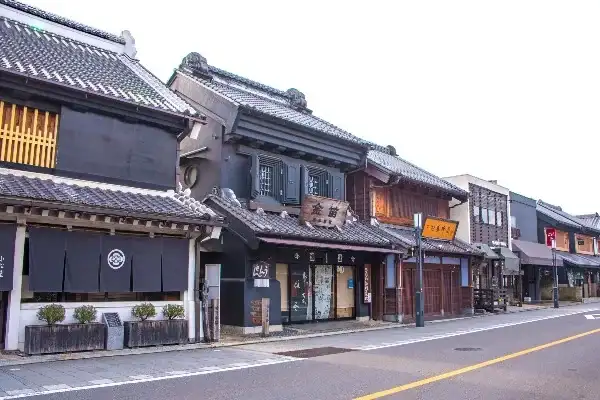
Today, head to Little Edo Kawagoe for a full-day tour. Explore Kawagoe Ichibangai and Taisho Roman Dream Street, connected streets featuring the charming Little Edo style with traditional Japanese architecture and stores offering delicious food and great shopping! Visit Kita-in Temple, where the guest hall is the birthplace of Tokugawa Iemitsu, and sincerely pay respects to the eighteen Buddha statues. At Hikawa Shrine, known for matchmaking, try the fun fortune drawing where you fish for a sea bream-shaped charm—very entertaining. The shrine also features a ritual of floating "human-shaped" omamori on the river to dispel misfortune. From July to September, the Wind Chime Festival here is a must-see! Nearby is Kumano Shrine, a filming location for the anime "Engaged to the Unidentified," where legend says washing money here will bring prosperity.

Today, head to Little Edo Kawagoe for a full-day tour. Explore Kawagoe Ichibangai and Taisho Roman Dream Street, connected streets featuring the charming Little Edo style with traditional Japanese architecture and stores offering delicious food and great shopping! Visit Kita-in Temple, where the guest hall is the birthplace of Tokugawa Iemitsu, and sincerely pay respects to the eighteen Buddha statues. At Hikawa Shrine, known for matchmaking, try the fun fortune drawing where you fish for a sea bream-shaped charm—very entertaining. The shrine also features a ritual of floating "human-shaped" omamori on the river to dispel misfortune. From July to September, the Wind Chime Festival here is a must-see! Nearby is Kumano Shrine, a filming location for the anime "Engaged to the Unidentified," where legend says washing money here will bring prosperity.

Breakfast: at the hotel. Lunch: at your own expense. Dinner: at your own expense.

Kawagoe Ichibangai Street

Kawagoe Ichibangai Street

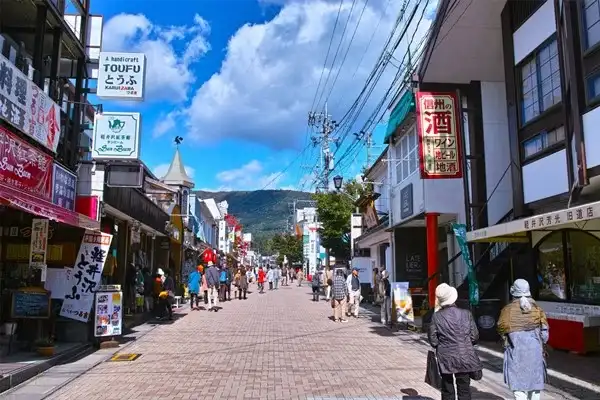
Kawagoe flourished during the Edo period and was nicknamed "Little Edo," preserving many traditional buildings and streets untouched by war. The 'Kurazukuri' warehouse-style buildings line Ichibangai Street, the main street of Kawagoe. These historic homes are made with wooden frames and 30-centimeter-thick plaster walls. Walking this street offers a glimpse of the Edo period atmosphere from 400 years ago.

Taisho Roman Dream Street

In Kawagoe, you can also learn about modern Japanese history. Taisho Roman Dream Street preserves streets paved during the late Meiji and Taisho periods along with vintage-style buildings. Fortunately, there are no overhead power lines, making it perfect for photography and film shoots. This street has been used multiple times as a setting for period dramas set in these eras.

Kita-in Temple

Located in Kozenba-cho, Kawagoe, Kita-in Temple was established in 830 as the regional main temple of the Tendai Buddhist sect. From the 16th to 17th centuries, its notable priest was Tenkai (Master Jigen), an extraordinary figure and advisor to Tokugawa Ieyasu and his first two successors, Iemitsu and Hidetada. Tenkai is said to have lived to age 108. The temple was destroyed by fire in 1638, and Tokugawa Iemitsu ordered its reconstruction, donating parts of Edo Castle buildings. One room is said to be Iemitsu’s birthplace and remains open to visitors. Within the spacious temple grounds is Tosho-gu Shrine, dedicated for rituals concerning Tokugawa Ieyasu’s remains during reburial. Kita-in is famous for its 500 Rakan statues—actually 538 stone carvings—each with unique facial expressions, a delight to observe closely.

Hikawa Shrine

Famous for matchmaking, Kawagoe Hikawa Shrine enshrines five gods, including two loving couples. It has become known for blessings of marital harmony and relationships. The shrine also symbolizes family harmony, as the five gods are a family. Visitors can find a variety of matchmaking charms and experience the unique 'red sea bream lottery,' where a fishing pole is used to pull out a lottery slip from inside red or pink fish-shaped holders. Red sea bream indicate ‘peace and safety,’ pink symbolize ‘longing to meet.’

Kawagoe Kumano Shrine

Though small, Kawagoe Kumano Shrine offers beautiful scenery and is known as a place to improve luck and attract romantic relationships. It welcomes many worshippers while maintaining a peaceful atmosphere.

03

Tokyo → Nikko

Today, visit Nikko, a UNESCO World Cultural Heritage site. Explore Nikko Tosho-gu Shrine, the main shrine and a Japanese national treasure built in the Edo period and the mausoleum of Tokugawa Ieyasu. Visit Rinno-ji Temple, encompassing various Buddhist halls, pagodas, and 15 temples scattered across Nikko mountain. Experience Futarasan Shrine, the ancient shrine regarded as the spiritual source of Nikko mountain worship. Enjoy the tranquil and beautiful volcanic crater lake, Lake Chuzenji, surrounded by verdant mountains. Nearby, see Kegon Falls, a short two-minute walk from Lake Chuzenji, considered one of Japan's three great waterfalls. End the day with a stay at Kinugawa Onsen Hotel.

AI-rendered illustration

Today, visit Nikko, a UNESCO World Cultural Heritage site. Explore Nikko Tosho-gu Shrine, the main shrine and a Japanese national treasure built in the Edo period and the mausoleum of Tokugawa Ieyasu. Visit Rinno-ji Temple, encompassing various Buddhist halls, pagodas, and 15 temples scattered across Nikko mountain. Experience Futarasan Shrine, the ancient shrine regarded as the spiritual source of Nikko mountain worship. Enjoy the tranquil and beautiful volcanic crater lake, Lake Chuzenji, surrounded by verdant mountains. Nearby, see Kegon Falls, a short two-minute walk from Lake Chuzenji, considered one of Japan's three great waterfalls. End the day with a stay at Kinugawa Onsen Hotel.

Breakfast: at the hotel. Lunch: at your own expense. Dinner: at your own expense.

Nikko Toshogu Shrine

There are many Toshogu Shrines across Japan, but the one in Nikko City is the main shrine and the mausoleum of Tokugawa Ieyasu, founder of the Tokugawa Shogunate. At Toshogu, visitors can admire exquisite Edo-period wood carvings, including the famous “Three Wise Monkeys” carving in a stable where the monkeys cover their eyes, ears, and mouth, reflecting the Confucian teaching of 'see no evil, hear no evil, speak no evil.' Nikko’s Toshogu, along with Rinnoji Temple and Futarasan Shrine, is known as the “Two Shrines and One Temple,” collectively designated as a World Heritage Site under “Shrines and Temples of Nikko.”
Rinno-ji Temple: Taiyu-in MausoleumAI-rendered illustration

Rinno-ji Temple: Taiyu-in Mausoleum

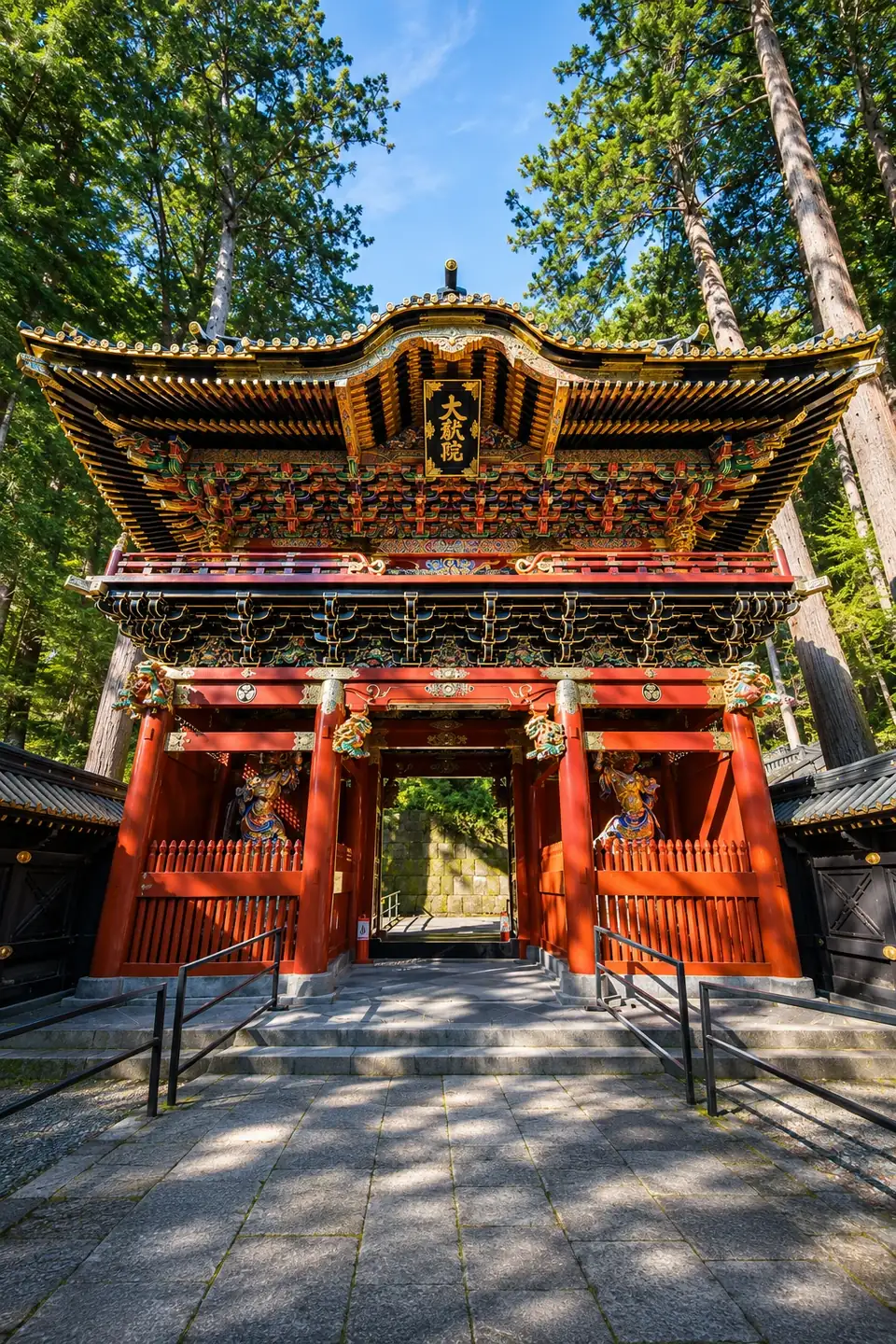
Rinno-ji Temple, founded by the mountain ascetic Shodo in 766 with the establishment of Shohon-ji Temple, became a major center for mountain faith drawing many practitioners. After Tokugawa Ieyasu’s death, Nikko Tosho-gu was built, making Rinno-ji a major sacred site. In December 1999, Nikko Tosho-gu and Nikko Futarasan Shrine were jointly designated as World Heritage sites under 'Shrines and Temples of Nikko.' Key sights include the Sanbutsudo (Three Buddha Hall), Choyo-en Garden, the treasure hall housing 30,000 relics, and Taiyu-in, the mausoleum of Tokugawa Iemitsu. There is more than enough to spend a full day exploring.

Futarasan Shrine

Futarasan Shrine, founded in 767, is dedicated to the three mountain gods of Nikko: Oonamuchi-no-Mikoto, Tagorihime-no-Mikoto, and Ajisukitakahikone-no-Mikoto—collectively called Futarasan Okami. As part of Nikko's shrines and temples, it is a UNESCO World Heritage site. In front of the shrine stands the 'Married Couple Tree' and 'Parent-Child Tree,' said to bless marital harmony and parent-child relationships. To the shrine’s left rear is the 'Futarasan Sacred Spring,' whose clear water is believed by locals to bestow safety when drunk. The shrine’s largest festival is the Yayoi Festival, held April 13-17 yearly.

Lake Chuzenji

Lake Chuzenji is the largest lake in Nikko National Park and one of Japan’s most iconic high-altitude lakes. It is said to have been discovered in 782 by the pioneering monk Shodo Shonin when he reached the summit of Mount Nantai. In the late 19th century, it became a summer retreat for diplomats from Western countries, gradually developing into a resort area. The clear lake reflects the grandeur of Mount Nantai, creating an elegant and tranquil scene. Many visitors enjoy sightseeing cruises on the lake. The lakeside also features famous sites such as Kegon Falls, making it an ideal place for outdoor recreation and relaxation.

Kegon Falls

Kegon Falls is located in Nikko City, Tochigi Prefecture. It is a famous sightseeing spot. Water from Lake Chuzenji forms the Oshiri River, cutting across Mount Nantai and plunging from a height of 700 meters to create the main waterfall, which is 99 meters tall. The upper rock protrudes forward, and 12 small waterfalls flow through the crevices. Surrounded by autumn foliage, the scenery is stunning, making it the central attraction of Nikko National Park.

Kinugawa Onsen

Kinugawa Onsen is located along the Kinugawa River gorge within Nikko National Park, boasting rich and beautiful natural surroundings. Tradition holds that bathing in its waters can ease bruises and burns. It is one of the most representative and beloved hot spring tourist destinations in northern Kanto, Japan.
04

Nikko → Karuizawa

Today, visit Karuizawa, Japan's summer resort destination. See Kumoba Pond, known as Swan Lake, with crystal-clear waters, perfect for forest bathing and a popular summer retreat. Visit the nearby Stone Church and High Plain Church, two artistic churches; photography inside is not allowed but entry is free. Stone Church features beautifully inclined stones giving it a unique aesthetic. Then, stroll one kilometer to Elm Town, a small village with 16 specialty shops.

Today, visit Karuizawa, Japan's summer resort destination. See Kumoba Pond, known as Swan Lake, with crystal-clear waters, perfect for forest bathing and a popular summer retreat. Visit the nearby Stone Church and High Plain Church, two artistic churches; photography inside is not allowed but entry is free. Stone Church features beautifully inclined stones giving it a unique aesthetic. Then, stroll one kilometer to Elm Town, a small village with 16 specialty shops.

Breakfast: at the hotel. Lunch: at your own expense. Dinner: at your own expense.

Kumoba Pond

Kumoba Pond, located in southeastern Nagano, is known as Swan Lake and is ideal for forest bathing and summer cooling. Attracted by the vivid red maple trees lining its banks, Kumoba Pond is picturesque with red maples reflected in the water. The pond changes with the seasons: in summer it wears a green dress enhanced by blue skies, with tender green leaves complementing the clear water like a natural landscape painting.

The Stone Church Ishino-kyo Memorial Hall for Kanzo Uchimura

The Stone Church Ishino-kyo Memorial Hall for Kanzo Uchimura

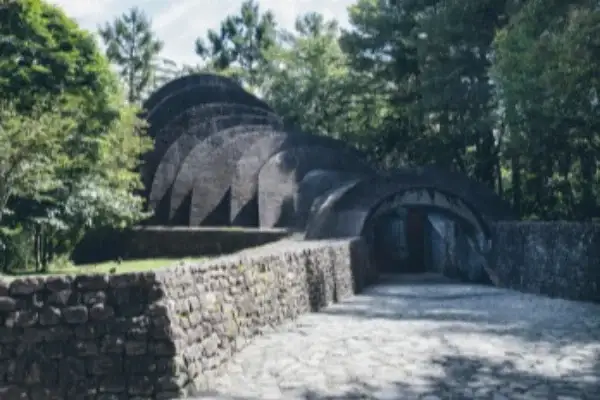
The Stone Church is constructed by fusing stone and glass into a large curved structure. Architects carefully calculated the sun’s path so sunlight naturally illuminates the interior, changing the church’s atmosphere throughout the day. The stones symbolize strength and masculinity, glass softness and femininity. At the entrance, stones and glass arches are irregularly arranged, representing the early difficulties between bride and groom from different backgrounds, ultimately united by true love making vows inside the church.

Karuizawa St. Paul's Catholic Church

Established in 1935 by a British priest, this church was designed by Antonin Raymond, an award-winning American architect. It features steep triangular roofs, a tall spire, and exposed concrete, attracting many visitors.

Elm Tree Street Town

Elm Tree Street Town features nearly 100 giant elm trees blending scenic beauty and culture. The town hosts popular local restaurants, cafes, and various shops. Visitors can stroll along the creekside path, shop, and savor seasonal Karuizawa cuisine including Chinese, Italian, and Japanese dishes.

05

Karuizawa

Today, enjoy a relaxed morning before heading to Karuizawa Outlet and Old Karuizawa Ginza Street for shopping.

Today, enjoy a relaxed morning before heading to Karuizawa Outlet and Old Karuizawa Ginza Street for shopping.

Breakfast: at the hotel. Lunch: at your own expense. Dinner: at your own expense.

Old Karuizawa Ginza Street

Old Karuizawa Ginza Street

Old Karuizawa Ginza Street is the liveliest shopping area in Karuizawa, stretching about 600 meters with red-brick pavement. Along the street, old churches, antique shops, and European-style cafes offer a romantic and refined atmosphere. Many jam shops offer free tastings with small crackers or bread. Popular stores include the French Bakery favored by John Lennon, "MIKADO Coffee" famous for mocha ice cream, and "Chōgokuya," known for ham and sausages.

06

Karuizawa → Tokyo

Today, return to Tokyo from Karuizawa for indoor sightseeing. At Asakusa Temple, pick up a protective charm; visit Akihabara, the anime hotspot; and shop to your heart's content at Ginza shopping district.

AI-rendered illustration

Today, return to Tokyo from Karuizawa for indoor sightseeing. At Asakusa Temple, pick up a protective charm; visit Akihabara, the anime hotspot; and shop to your heart's content at Ginza shopping district.

Breakfast: at the hotel. Lunch: at your own expense. Dinner: at your own expense.

Senso-ji TempleAI-rendered illustration

Senso-ji Temple

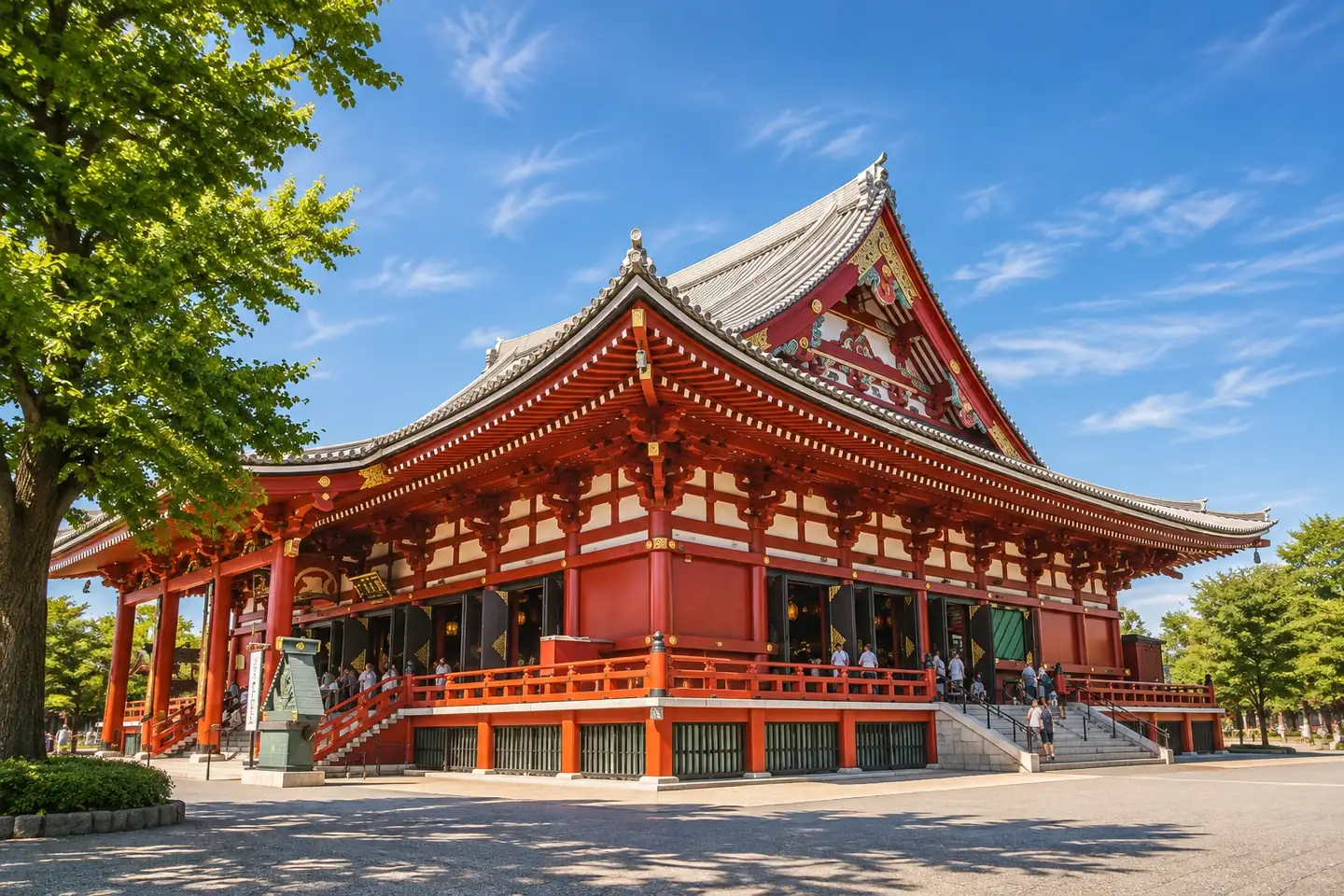
Senso-ji is Tokyo's oldest temple. The enormous lantern at Kaminarimon, the Thunder Gate, is a symbol of Asakusa. Between the gate and the main hall, Nakamise shopping street is lined with small stores selling souvenirs and snacks. Visitors also draw fortunes and tie designated fortune slips within the temple grounds.

Akihabara

Often called Akiba, Akihabara is a Tokyo district historically associated with electronics and cutting-edge technology. Located in Chiyoda on the Yamanote Line, it has evolved into a busy neighborhood of specialty shops, businesses, restaurants and entertainment.

Ginza

Ginza is a major shopping district in Tokyo's Chuo ward, known for upscale stores. Long-established Japanese businesses stand alongside international luxury brands, making it a rewarding area for shopping, dining and city strolling.

07

Tokyo

Enjoy free time as your departure schedule permits. Your itinerary ends locally in Tokyo. An airport transfer can be arranged around your flight if needed. International return flights and the date you arrive home are not counted as itinerary days.

Enjoy free time as your departure schedule permits. Your itinerary ends locally in Tokyo. An airport transfer can be arranged around your flight if needed. International return flights and the date you arrive home are not counted as itinerary days.

Breakfast: at the hotel. Lunch: at your own expense. Dinner: at your own expense.

YOUR ROUTE

Know the shape of your journey.

Starts in
Tokyo
Ends in
Tokyo
Local itinerary
7 days

A proposal shaped around you

Use this route as a starting point. Tell us your dates, pace and accommodation preferences.

Your quote will specify accommodation, guiding, transport, activities, meals and any optional arrangements before you book. International flights and airport transfers are discussed separately.

TRAVEL IN COMFORT

The right vehicle for your group.

Toyota Alphard

Up to 6 passengers

Toyota HiAce

Up to 9 passengers

Our main touring vehicles. We recommend a vehicle based on your group size and luggage. Maximum seating capacity does not guarantee room for all bags when every seat is occupied. Vehicle availability is confirmed for your destination.

More to discover

Kawagoe Ichibangai Street

Kawagoe flourished during the Edo period and was nicknamed "Little Edo," preserving many traditional buildings and streets untouched by war. The 'Kurazukuri' warehouse-style buildings line Ichibangai Street, the main street of Kawagoe. These historic homes are made with wooden frames and 30-centimeter-thick plaster walls. Walking this street offers a glimpse of the Edo period atmosphere from 400 years ago.

Hikawa Shrine

Famous for matchmaking, Kawagoe Hikawa Shrine enshrines five gods, including two loving couples. It has become known for blessings of marital harmony and relationships. The shrine also symbolizes family harmony, as the five gods are a family. Visitors can find a variety of matchmaking charms and experience the unique 'red sea bream lottery,' where a fishing pole is used to pull out a lottery slip from inside red or pink fish-shaped holders. Red sea bream indicate ‘peace and safety,’ pink symbolize ‘longing to meet.’

Nikko Toshogu Shrine

There are many Toshogu Shrines across Japan, but the one in Nikko City is the main shrine and the mausoleum of Tokugawa Ieyasu, founder of the Tokugawa Shogunate. At Toshogu, visitors can admire exquisite Edo-period wood carvings, including the famous “Three Wise Monkeys” carving in a stable where the monkeys cover their eyes, ears, and mouth, reflecting the Confucian teaching of 'see no evil, hear no evil, speak no evil.' Nikko’s Toshogu, along with Rinnoji Temple and Futarasan Shrine, is known as the “Two Shrines and One Temple,” collectively designated as a World Heritage Site under “Shrines and Temples of Nikko.”

Lake Chuzenji

Lake Chuzenji is the largest lake in Nikko National Park and one of Japan’s most iconic high-altitude lakes. It is said to have been discovered in 782 by the pioneering monk Shodo Shonin when he reached the summit of Mount Nantai. In the late 19th century, it became a summer retreat for diplomats from Western countries, gradually developing into a resort area. The clear lake reflects the grandeur of Mount Nantai, creating an elegant and tranquil scene. Many visitors enjoy sightseeing cruises on the lake. The lakeside also features famous sites such as Kegon Falls, making it an ideal place for outdoor recreation and relaxation.

Kumoba Pond

Kumoba Pond, located in southeastern Nagano, is known as Swan Lake and is ideal for forest bathing and summer cooling. Attracted by the vivid red maple trees lining its banks, Kumoba Pond is picturesque with red maples reflected in the water. The pond changes with the seasons: in summer it wears a green dress enhanced by blue skies, with tender green leaves complementing the clear water like a natural landscape painting.

The Stone Church Ishino-kyo Memorial Hall for Kanzo Uchimura

The Stone Church is constructed by fusing stone and glass into a large curved structure. Architects carefully calculated the sun’s path so sunlight naturally illuminates the interior, changing the church’s atmosphere throughout the day. The stones symbolize strength and masculinity, glass softness and femininity. At the entrance, stones and glass arches are irregularly arranged, representing the early difficulties between bride and groom from different backgrounds, ultimately united by true love making vows inside the church.

Karuizawa Outlet

Karuizawa Outlet

Senso-ji Temple

Senso-ji is Tokyo's oldest temple. The enormous lantern at Kaminarimon, the Thunder Gate, is a symbol of Asakusa. Between the gate and the main hall, Nakamise shopping street is lined with small stores selling souvenirs and snacks. Visitors also draw fortunes and tie designated fortune slips within the temple grounds.

Before you go

This journey starts at the destination. Seasonal experiences, service inclusions and availability are confirmed with your personalized proposal.

Original source & photography · 6renyou ↗

Image credits and illustrations

BEFORE YOU PLAN

Travel planning, clearly explained.

OpenEast brings together Japan and South Korea itinerary ideas for travelers from North America, with China also part of our destination plans. Start with the local route, then consider flights and airport transfers around it.

When does Day 1 begin?

Day 1 begins at the destination. International departure-only and return flight days are not counted as destination days. Plan your flights around the local itinerary dates.

Are flights and airport transfers included?

International flights and airport transfers are confirmed separately. Do not assume they are included in a suggested itinerary.

Are these confirmed departures?

These routes are itinerary ideas. Dates, hotels, admissions, seasonal activities, prices and availability need confirmation in a personalized proposal before booking.

Can I book or send an inquiry here?

Use the inquiry form to contact our team. A submission confirmation appears only when the email service accepts your request. An inquiry does not reserve a service or take payment.

Explore Japan itineraries → · Explore South Korea itineraries →

1 / 3

Let’s plan your journey.

[Summer Cooler Escape - 7-Day Kanto Japan Tour] Kawagoe, World Heritage Nikko, Karuizawa Resort, Tokyo Shopping

Leave your details, and our travel specialists will get in touch by email or your preferred contact method.

Your specialist will confirm the itinerary, pricing and availability with you.

How we use your information

Your inquiry is sent to info@jasperlimo.com so our team can respond. Please do not include passport or payment details.

Start planning