Morning: Travel to Kiyomizu-dera, one of Kyoto's oldest temples and a top tourist attraction. Descend via the historic Ninenzaka and Sannenzaka slopes—stone paved paths leading to Kiyomizu-dera lined with traditional wooden houses housing confectionery shops, souvenirs, Kyoto specialty ceramics, tea houses, restaurants, and cafes, all steeped in old-world charm.
Afternoon: Visit Kanshundo Higashi store for a traditional Kyoto wagashi (Japanese sweets) making workshop (ages 5 and up). The course includes making one type of dry candy, three types of fresh candies, and matcha tea. Afterward, visit Fushimi Inari Taisha Shrine to see the famous dense rows of vermilion Senbon Torii gates, one of Kyoto's iconic sights.
(10-hour Chinese-speaking chauffeur service with business vehicle.)
Breakfast: at the hotel. Lunch: at your own expense. Dinner: at your own expense.
 AI-rendered illustration
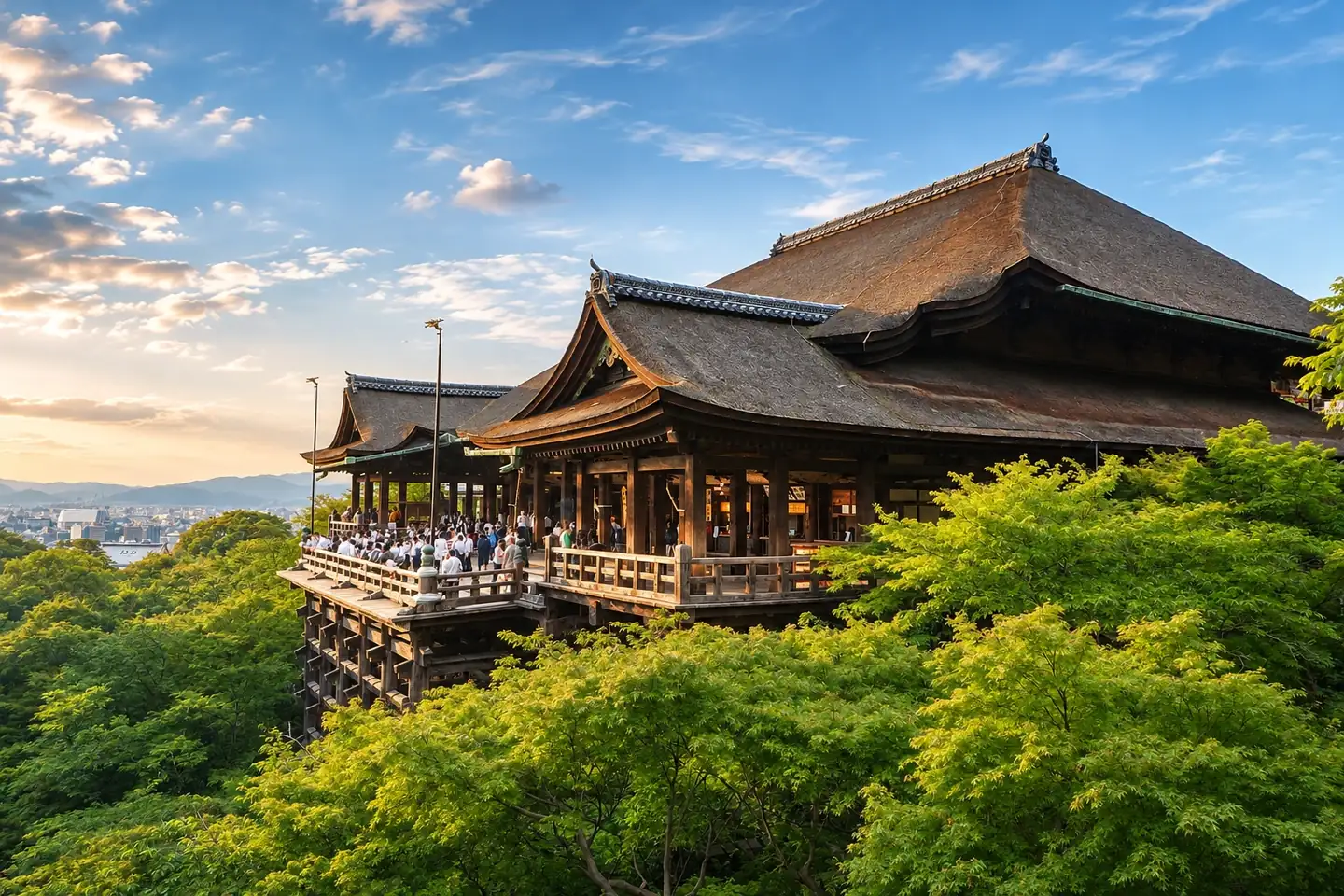
Kiyomizu-dera Temple
Founded in 778, before Kyoto became Japan's capital, Kiyomizu-dera stands on the slopes of Mount Otowa in eastern Kyoto. Following several fires, much of the present complex was rebuilt in 1631–1633 under the third Tokugawa shogun, Iemitsu. Its main hall is a National Treasure, while the Nio Gate, West Gate, three-story pagoda and bell tower are important cultural properties. In 1994 it became part of the UNESCO-listed Historic Monuments of Ancient Kyoto.
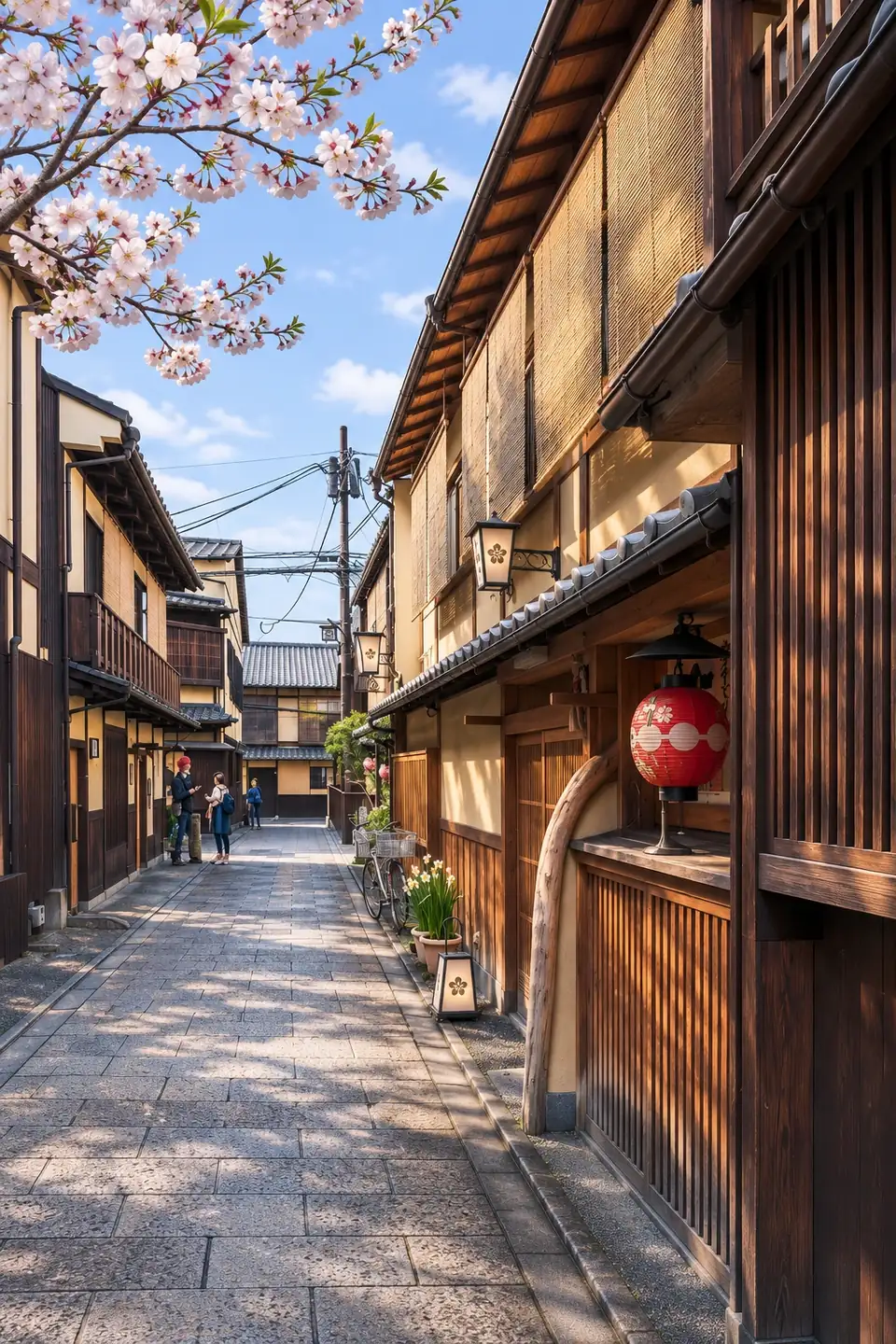
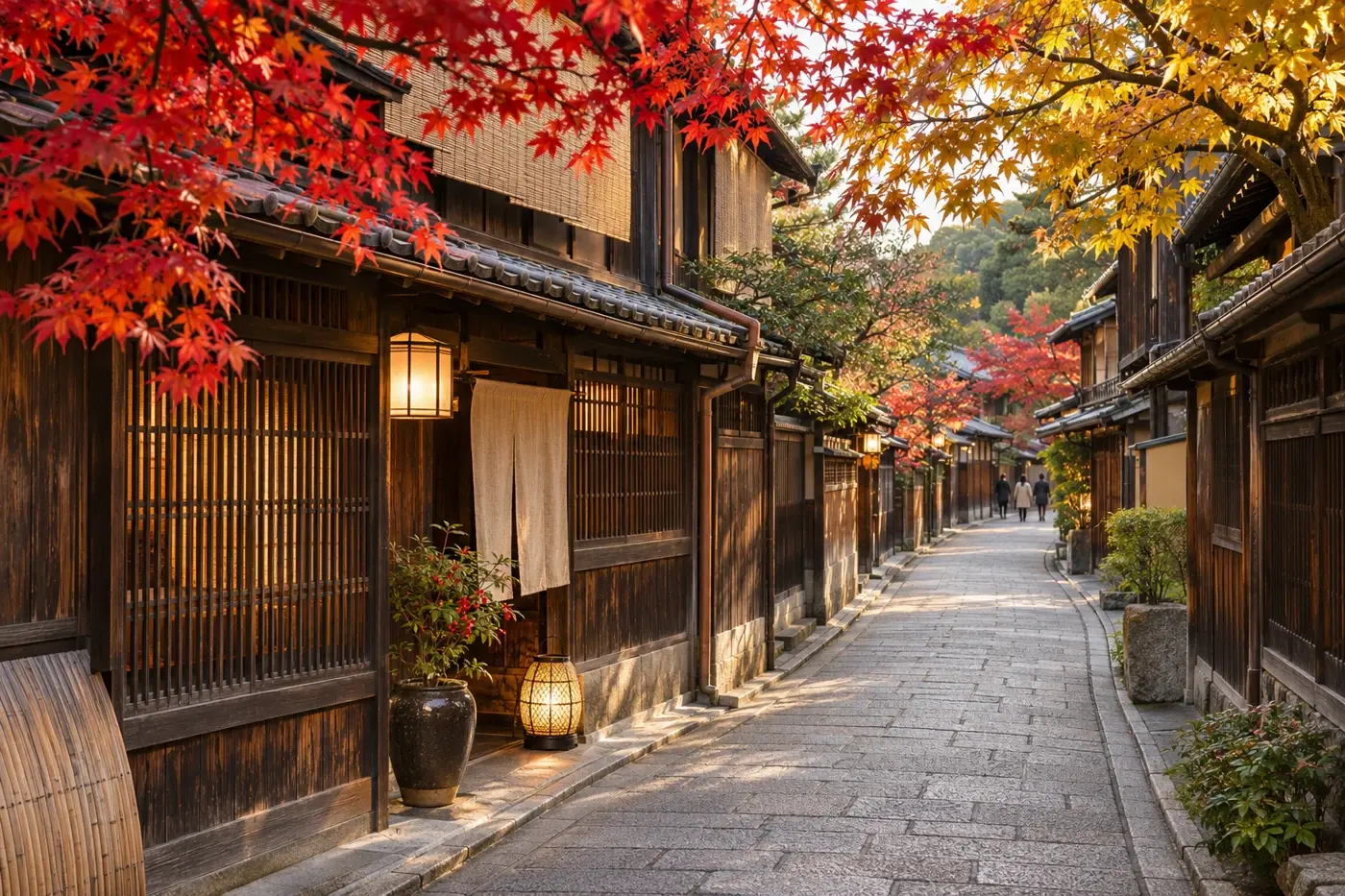
Ninenzaka & Sannenzaka
Ninenzaka and Sannenzaka are historic lanes in Kyoto lined with old wooden buildings and traditional shops. Ninenzaka is said to date to 807. These streets connect the area around Kiyomizu-dera with Nene-no-Michi and Kodai-ji.
Fushimi Inari Taisha
At the foot of Mount Inari in southern Kyoto, this historic shrine honors Inari, associated with harvests and prosperity in business. Beyond the main buildings, thousands of vermilion torii gates form paths up the mountain. The roughly four-kilometer circuit takes about two to three hours on foot and is one of Kyoto's best-known landscapes.
 AI-rendered illustration
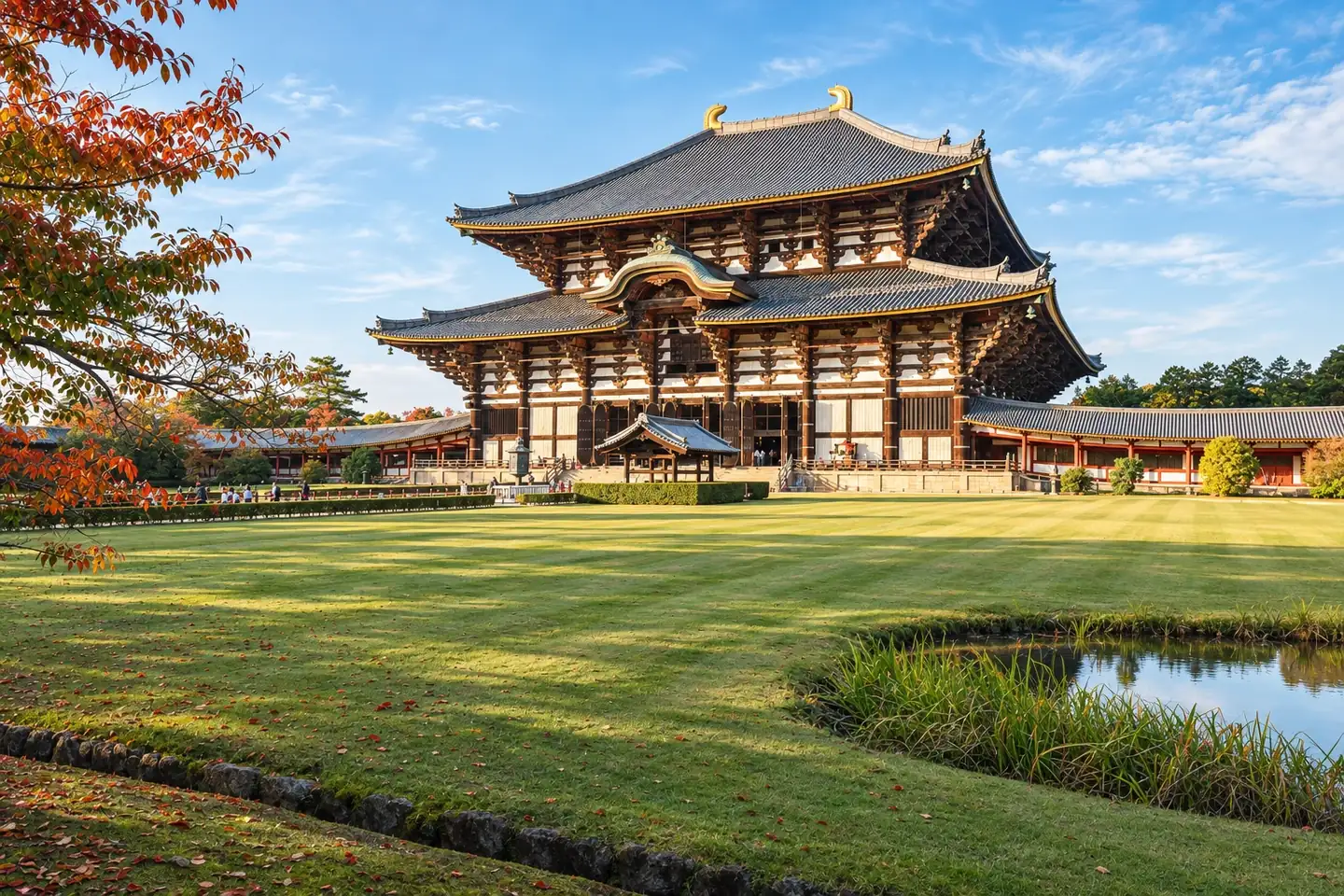 AI-rendered illustration

