Japan · 9 DAYS

Nagoya to Tokyo: 9-Day Shoryudo Dragon Route Tour

Nagoya → Gifu → Ishikawa Prefecture → Komatsu → Kanazawa → Nagano Prefecture → Yamanashi Prefecture → Hakone → Tokyo

Japan National Tourism Project: The route from Nagoya to Tokyo is called the Dragon Route due to its dragon-like shape. Stroll Kanazawa’s historic streets to see the most beautiful scenery.

9 daysCulture & natureItinerary idea

Request this itinerary

Leave your details, and our travel specialists will get in touch by email or your preferred contact method.

Your specialist will confirm the itinerary, pricing and availability with you.

How we use your information

Your inquiry is sent to info@jasperlimo.com so our team can respond. Please do not include passport or payment details.

JOURNEY HIGHLIGHTS

Japan, made personal.

From Nagoya to Tokyo: 9-Day Journey along the Shoryudo Dragon Route

Day 1 starts in Nagoya. International airfare is arranged separately.

  • 01Japan National Tourism Project: The route from Nagoya to Tokyo is called the Dragon Route due to its dragon-like shape.
  • 02Stroll Kanazawa’s historic streets to see the most beautiful scenery.
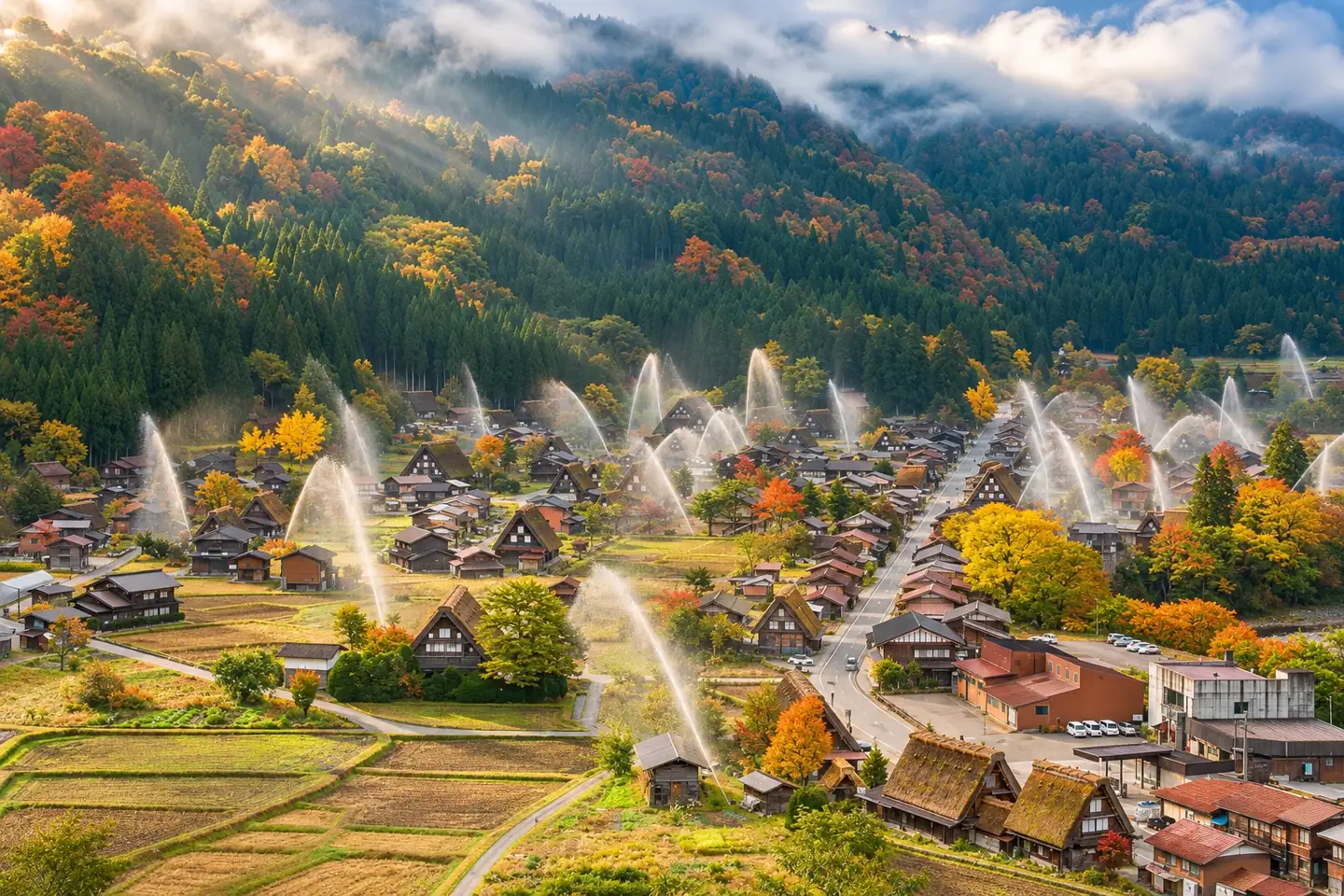
  • 03Discover the fairytale-like original village of Shirakawa-go.

Your journey, day by day

01

Nagoya

Day 1 starts upon arrival in Nagoya. Local itinerary and accommodations will be arranged based on actual arrival time; international departure and connecting flights are not included. Planned attractions: Nagoya Castle, Atsuta Shrine, Tokugawa Garden; timing may be adjusted based on arrival. Airport transfers can be arranged separately; inclusion depends on confirmation.

AI-rendered illustration

Day 1 starts upon arrival in Nagoya. Local itinerary and accommodations will be arranged based on actual arrival time; international departure and connecting flights are not included. Planned attractions: Nagoya Castle, Atsuta Shrine, Tokugawa Garden; timing may be adjusted based on arrival. Airport transfers can be arranged separately; inclusion depends on confirmation.

Breakfast: at your own expense. Lunch: at your own expense. Dinner: at your own expense.
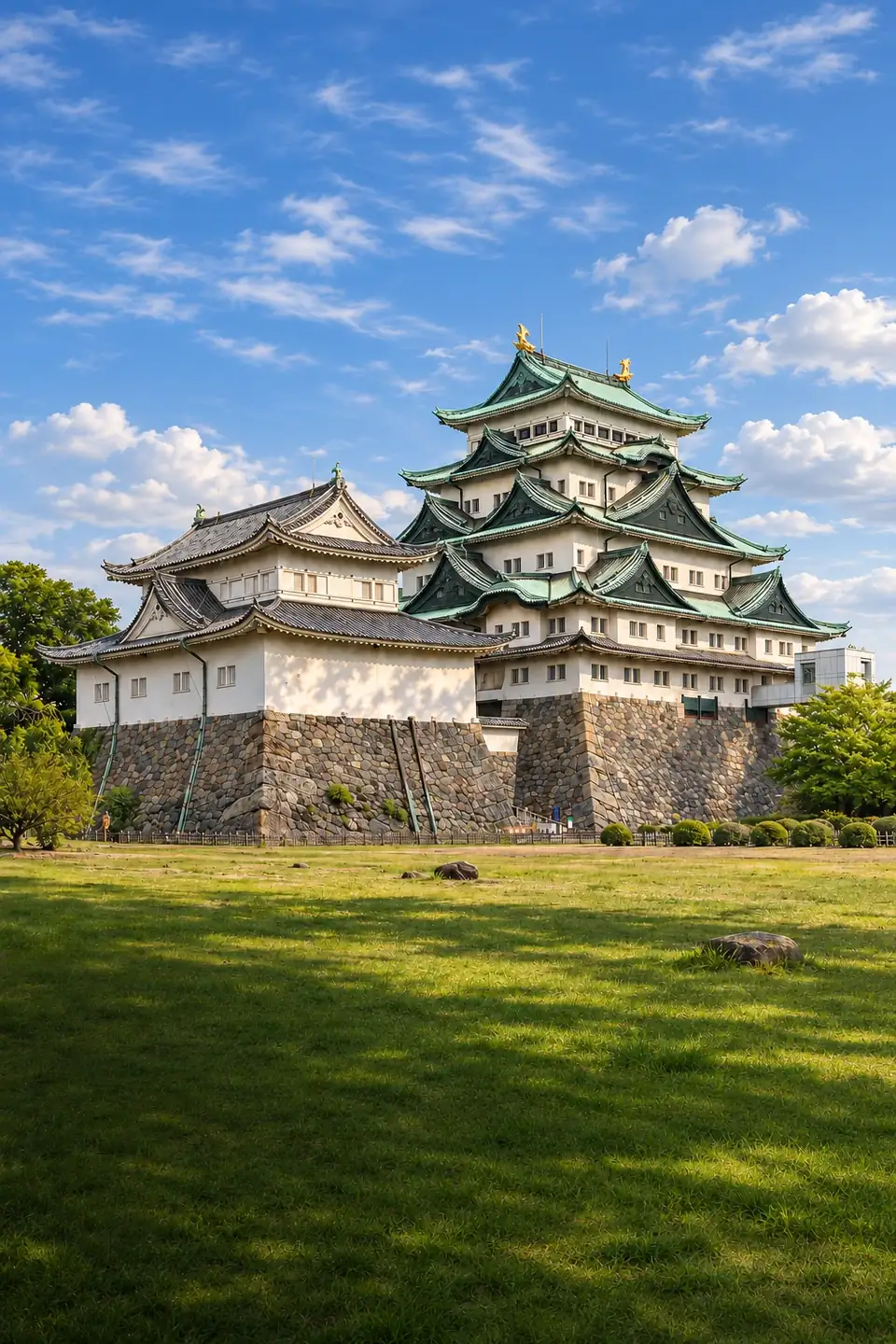
Nagoya CastleAI-rendered illustration

Nagoya Castle

Nagoya Castle, also known as Meijo, is a nationally designated historic site and ranks fourth among Japan's top 100 castles. After the Battle of Sekigahara, Tokugawa Ieyasu, founder of the Tokugawa shogunate and birthplace of Oda Nobunaga, built Nagoya Castle on the ruins of Nagoya Castle to provide for his ninth son. Orders were sent to various daimyos to assist in construction. Katō Kiyomasa, Fukushima Masanori, and others contributed to show loyalty. The castle, completed in under two years, was inherited by three generations of Tokugawa family. A bronze statue of Katō Kiyomasa carrying stones stands in Meijo Park today.

Atsuta Shrine

Atsuta Shrine is one of Japan’s oldest shrines, believed to have been established by Emperor Keiko in the 2nd century AD, with a history of 1900 years. The main hall enshrines five deities including Takehiko no Mikoto, Miyatsuhime, Amaterasu Omikami, Susanoo no Mikoto, and Ukanomitama no Mikoto. The shrine has been highly revered throughout Japanese history and holds great authority among the people. Successive rulers, including Toyotomi Hideyoshi and Tokugawa Ieyasu, have extensively renovated it. Recently, the Japanese Emperor and Empress have also paid visits.

Tokugawa Garden

Tokugawa Garden is a Japanese stroll garden built by the second Owari Tokugawa lord remodeling his residence. Known spots include Ryumon Waterfall, Meifukei Stream, Ryusen Lake, Kansenkaku Pavilion, Kosen Bridge, Shisuian Hermitage, and Zuiryutei Teahouse. Kansenkaku Pavilion offers the best views of the garden and houses a restaurant and shop. A combined ticket for Tokugawa Garden, Tokugawa Art Museum, and Hozo Bunko Library is available. The Tokugawa Art Museum is more like a small museum with more national treasures than Atsuta Shrine.
02

Nagoya → Gifu

AI-rendered illustration

Breakfast: at the hotel. Lunch: at your own expense. Dinner: at your own expense.

Takayama Jinya

Takayama Jinya is located in Takayama, known as "Little Kyoto." It was originally one of the residences of the Kanamori lords of Takayama Castle, preserving elegant and nostalgic architecture. Built in 1615 with over 400 years of history, only the storehouse remains from the original, the rest reconstructed to match the original style. The interior retains original layouts including the interrogation room with bamboo-crafted restraints, still used as the interrogation site. From the Meiji era, it served as prefectural and district government offices, making it Japan's only preserved local government building.

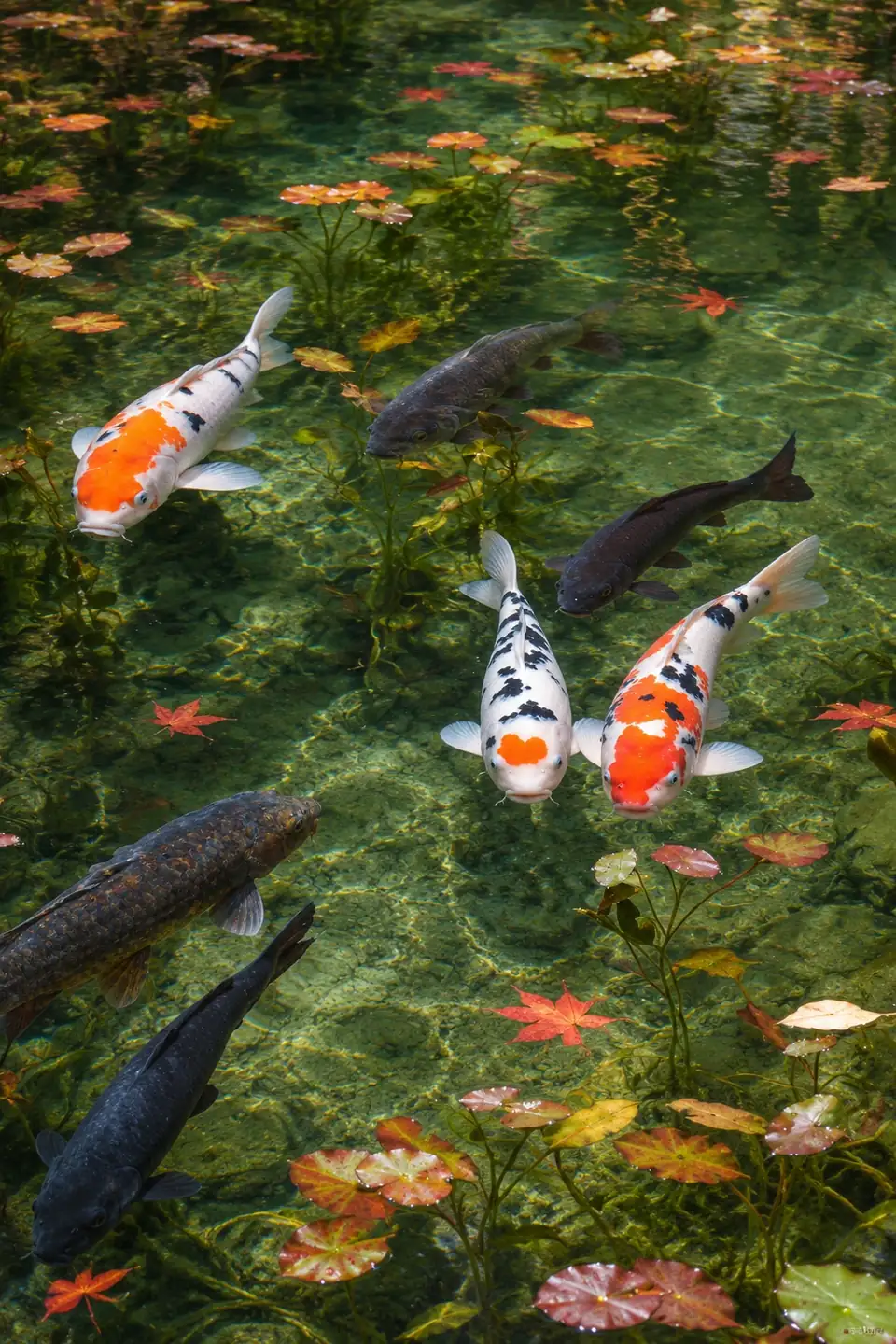
Monet's Pond (Nendo Shrine)AI-rendered illustration

Monet's Pond (Nendo Shrine)

Near Nendo Shrine in Gifu Prefecture lies an unnamed pond with an impressionistic, dreamlike appearance. Filled with lotuses and koi, its clear water appears almost transparent under the sunlight, making it hard to tell there’s water inside. When water lilies bloom, it creates a serene and beautiful scene reminiscent of Monet’s famous works, earning it the name "Monet’s Water Lily Pond."

Sanmachi Old Street

Sanmachi Old Street in Takayama mainly includes three merchant streets: Ichinomachi, Ninommachi, and Sannomachi. The southern part, Kami Sanmachi Old Street, is the best-preserved area and has been designated as an Important Preservation District for Groups of Traditional Buildings by the Japanese government.

03

Gifu → Ishikawa Prefecture → Komatsu

AI-rendered illustration

Breakfast: at the hotel. Lunch: at your own expense. Dinner: at your own expense.

Shirakawa-go Gassho VillageAI-rendered illustration

Shirakawa-go Gassho Village

Shirakawa-go is a tranquil mountain village surrounded by mountains, with rice paddies and rivers running through. The village’s traditional gassho-style thatched houses number over 110, grouped together, and were designated a UNESCO World Cultural Heritage site in 1995. At the open-air museum, the Gassho Village Heritage Park, 25 gassho houses from across Shirakawa-go have been relocated and preserved. The park also features temple replicas, waterwheel huts, charcoal kilns, and stables built in the style of old rural villages. Traditional crafts such as dyeing and weaving are demonstrated, and visitors can experience them hands-on.

Natadera Temple

Founded in 717 by Master Taicho who enshrined the Thousand-Armed Kannon in a cave. In the Heian period, Emperor Kazan, upon visiting, said it was superior to the 33 sacred sites in western Japan. The name combines "Na" from Nachi Mountain (the first sacred site) and "tani" from Gujo Mountain (the 33rd). Revitalized by Maeda Toshiie in 1640, the existing main hall, three-story pagoda, goma hall, bell tower, study hall, and priest quarters are important cultural assets.

Kaga Traditional Craft Village - Yunokuni Forest

Set in a vast natural forest of 130,000 tsubo, this area features clustered traditional Japanese buildings showcasing various styles. These buildings introduce visitors to traditional crafts and Kaga culture. Visitors interested can try hands-on craft creation, experiencing centuries-old skills and exquisite traditional crafts. The village includes experience centers like gold leaf, tea ceremony, Japanese sweets, Wajima lacquerware, Japanese paper making, Echizen pottery, and glass crafts. Enjoy the creative process amid a natural oxygen-rich environment.

04

Komatsu → Kanazawa

AI-rendered illustration

Breakfast: at the hotel. Lunch: at your own expense. Dinner: at your own expense.

Higashi Chaya District

Kanazawa has three historic Chaya (teahouse) districts dating back to the Edo period: Nishi Chaya, Higashi Chaya, and Kazue-machi. Stone-paved streets are lined with many Edo-era teahouse buildings. Higashi Chaya is the largest of the three. It is a good place to experience local tea culture.

Nagamachi Samurai District

The Nagamachi Samurai District in Kanazawa, Ishikawa Prefecture, is a tourist area featuring samurai residences for upper and middle-ranking retainers from the Kaga domain era. Well-preserved earthen walls and stone-paved streets retain the charm of the feudal period. The district’s name is derived from the Nagamura family residence, important retainers of the Maeda family.

Kanazawa CastleAI-rendered illustration

Kanazawa Castle

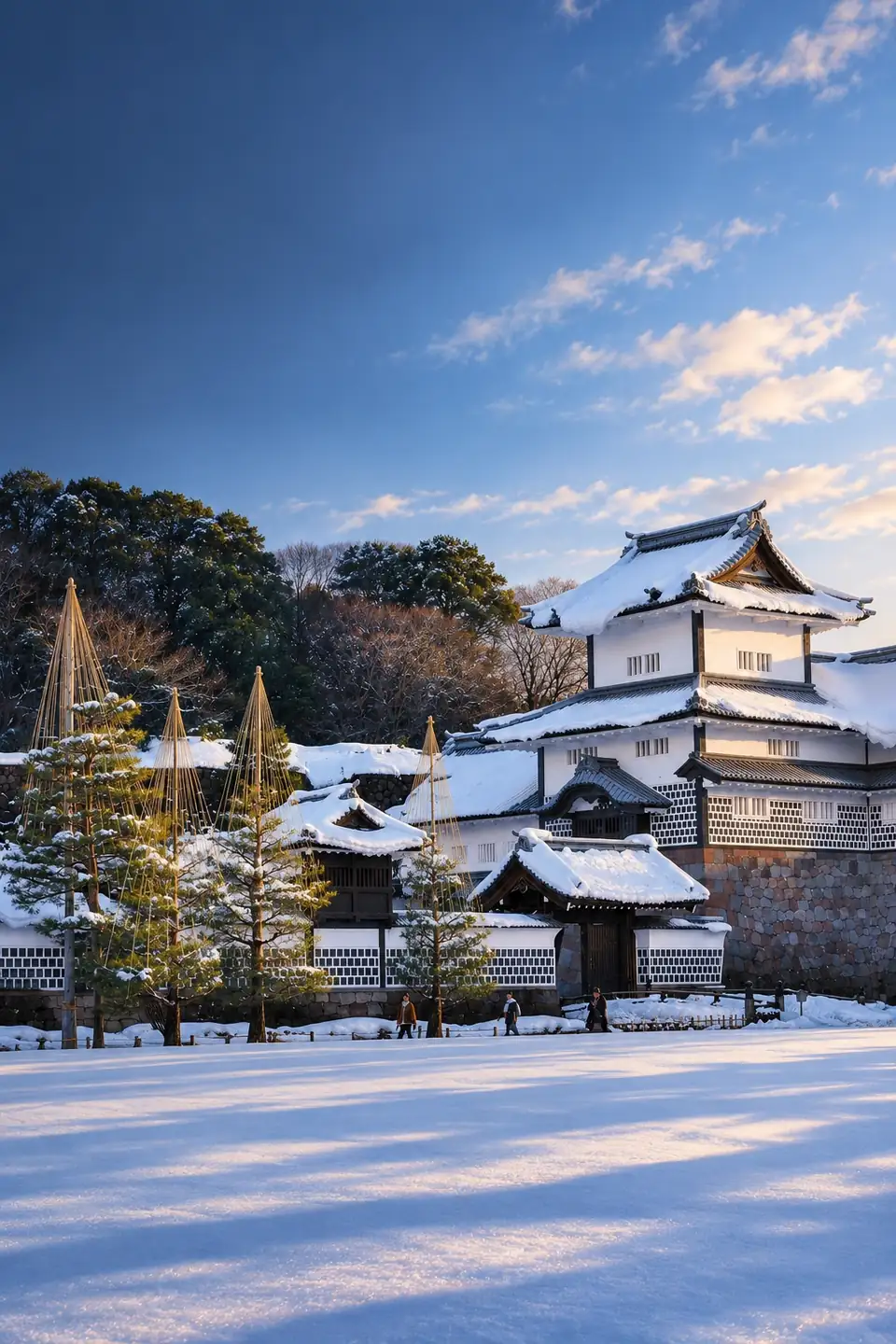
Kanazawa Castle, located in Marunouchi, Kanazawa City, is one of Japan's top 100 castles. During the Edo period, it was the stronghold of the Kaga Domain's Maeda clan. Its castle tower site is a nationally important historic asset. Adjacent to Kenrokuen Garden, the white castle peeks through green trees. Built in 1583, it was the residence of Maeda Toshiie, principal vassal of Toyotomi Hideyoshi. Though the original castle wasn’t fully preserved due to history, reconstructed diamond-shaped turrets, long barracks, and bridge gate turrets recreate the wooden castle’s design from a century ago, showcasing pure aesthetics.

Omicho Market

Omicho Market is known as the kitchen of Kanazawa city with over 300 years of history. The street is packed with nearly 200 shops offering a wide variety of items: seafood, vegetables, fruits, cooked dishes, international spices, flowers, clothing, and textiles — all high quality and reasonably priced. Bustling shoppers and lively sales calls create a vibrant market atmosphere from morning till night. In winter, local crab catches pile up, attracting many visitors.

Kenrokuen Garden

Kenrokuen is considered one of Japan's top three gardens. Developed over 170 years by four generations of feudal lords, it features a beautiful circular walking garden style. A large central pond runs through it, surrounded by Japanese-style artificial hills and pavilions. The garden embodies six aesthetic qualities—spaciousness, seclusion, artifice, antiquity, water features, and distant views—hence its name "Kenrokuen." It offers distinct natural beauty each season: cherry and plum blossoms in spring, azaleas and irises in summer, autumn maples, and in winter, snow suspensions protect the pines, creating a dreamlike snowy landscape.

05

Kanazawa → Nagano Prefecture

Breakfast: at the hotel. Lunch: at your own expense. Dinner: at the hotel.

Suwa Taisha Shrine

Suwa Taisha Shrine

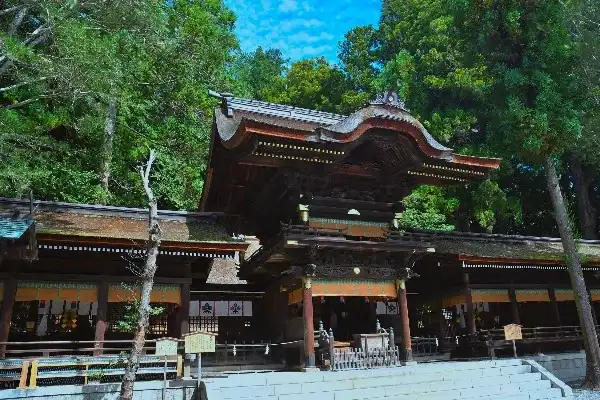
Suwa Taisha is a shrine complex surrounding Lake Suwa, consisting of four shrines. Esteemed as a god of agriculture and hunting, it is the main shrine for over 10,000 Suwa shrines across Japan. Its origin is uncertain, but since it appears in the 712 Kojiki chronicles, it's considered one of Japan's oldest shrines. Every six years during the Monkey and Tiger years, the 'Onbashira' festival takes place, known as one of Japan's three major unique festivals. The highlight is the "Kiotoshi" event, where men ride massive wooden pillars sliding down a hill at high speed.

Daio Wasabi Farm

Daio Wasabi Farm spans 15 hectares and is Japan’s largest wasabi farm. Wasabi, known worldwide like sushi, requires pristine spring water. The water temperature maintained between 10°C to 15°C is essential for cultivation. The farm springs water from the Japanese Alps, providing clean, cool water all year. Visitors can leisurely walk amidst beautiful nature, see the film "Dream" directed by Akira Kurosawa with the famous mill set, and vast wasabi fields covering over 500,000 square meters. You can also try making wasabi pickles (wasabi-zuke) which mellow the wasabi’s flavor, popular as snacks or appetizers. The experience costs 1,030 yen per person and takes about 20 minutes.

Lake Suwa

Lake Suwa lies at the intersection of Okaya, Suwa City, and Shimosuwa Town in Nagano Prefecture. It is the source of the Tenryu River, a Class A river under Japan’s River Law. The lake is designated under the Special Measures Law for Water Quality Protection. Located centrally in Nagano, during winter when frozen, you can see unique scenes of people fishing for wakasagi through holes drilled in the ice and ice skaters. When temperatures stay below -10°C for 10 consecutive days, the ice contracts and expands causing loud cracking, and ice blocks rise over a meter in a rare phenomenon called "Omiwatari."

06

Nagano Prefecture → Yamanashi Prefecture → Hakone

AI-rendered illustration

Breakfast: at the hotel. Lunch: at your own expense. Dinner: at the hotel.

Kawaguchiko LakeAI-rendered illustration

Kawaguchiko Lake

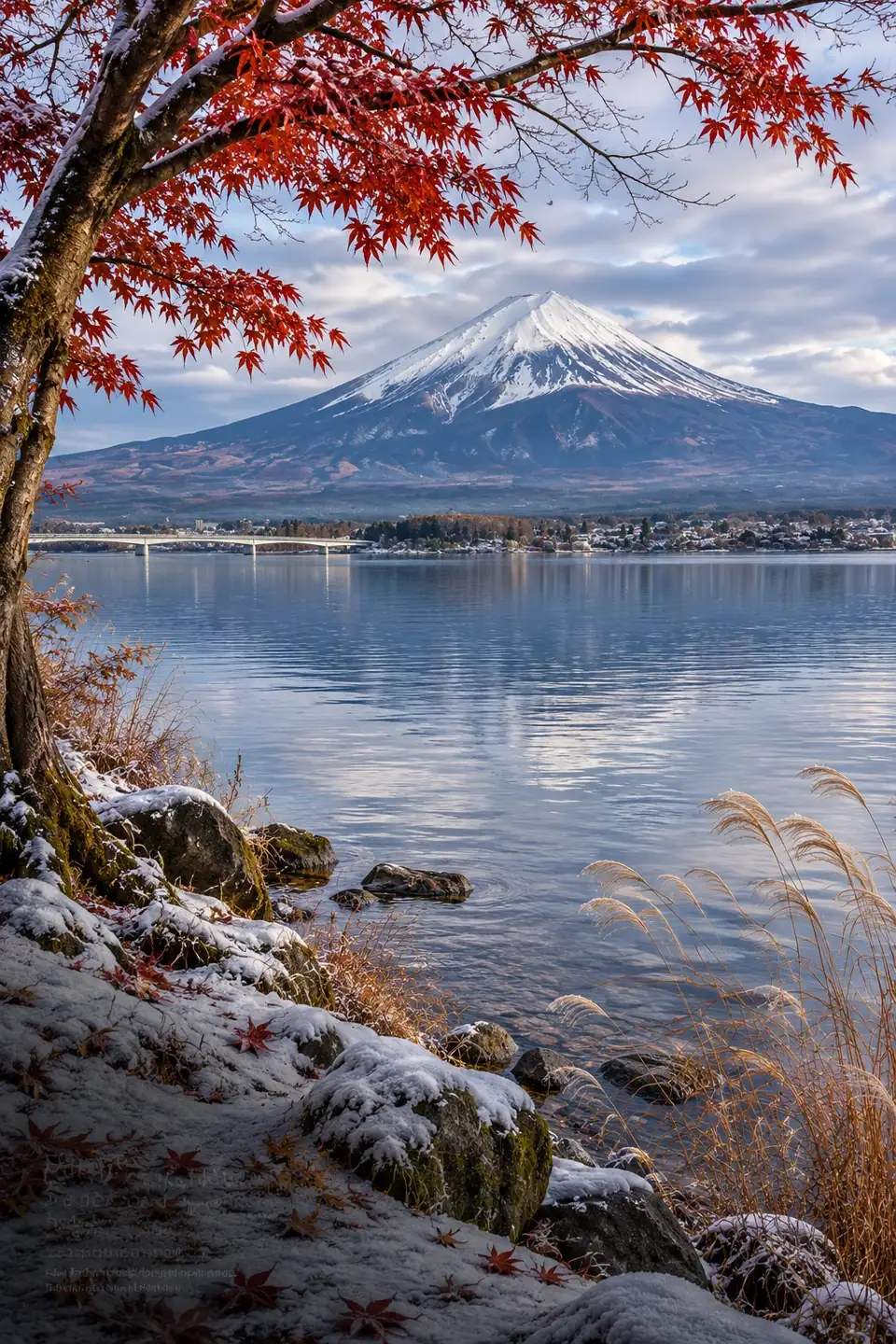
Kawaguchiko is the lowest of the Fuji Five Lakes, which include Motosu, Shoji, Sai, and Yamanaka Lakes. At 830 meters elevation and 5.7 square kilometers, it is the second largest after Lake Yamanaka among the Five Lakes. Its shoreline is the longest, 20.94 km, with a particularly complex northern shore featuring many Mt. Fuji viewing spots. Renowned as a place to photograph Mt. Fuji reflected on the lake, it is especially scenic during cherry blossom season when flowers frame the lake and mountain, creating stunning views.

Fuji Sengen Shrine (Main Shrine)

There are over 1,300 Sengen shrines across Japan, with this Fuji Sengen Shrine as the head shrine. It is the center of Fuji Mountain faith, visited by many worshipers. The shrine was established to appease fears of Mount Fuji’s eruptions and to worship the Sengen deity.

Oshino Hakkai

Oshino Hakkai is a group of eight spring-fed ponds in Oshino village, Yamanashi. Snowmelt from Mount Fuji filters through the ground before emerging here; the source describes a journey of around 80 years. The ponds include Deguchi, Okama, Sokonashi, Choshi, Waku, Nigori, Kagami and Shobu. The area is a designated natural monument and became part of the Mount Fuji UNESCO World Heritage listing in 2013.

07

Hakone

AI-rendered illustration

Breakfast: at the hotel. Lunch: at your own expense. Dinner: at the hotel.

Hakone Sengokuhara

Sengokuhara was once the bottom of an ancient lake, remnants of which remain today with many rare wetland plants like iris and moss. These wetland plants are designated a natural monument. In autumn, the endless golden pampas grass fields create a charming atmosphere.

OwakudaniAI-rendered illustration

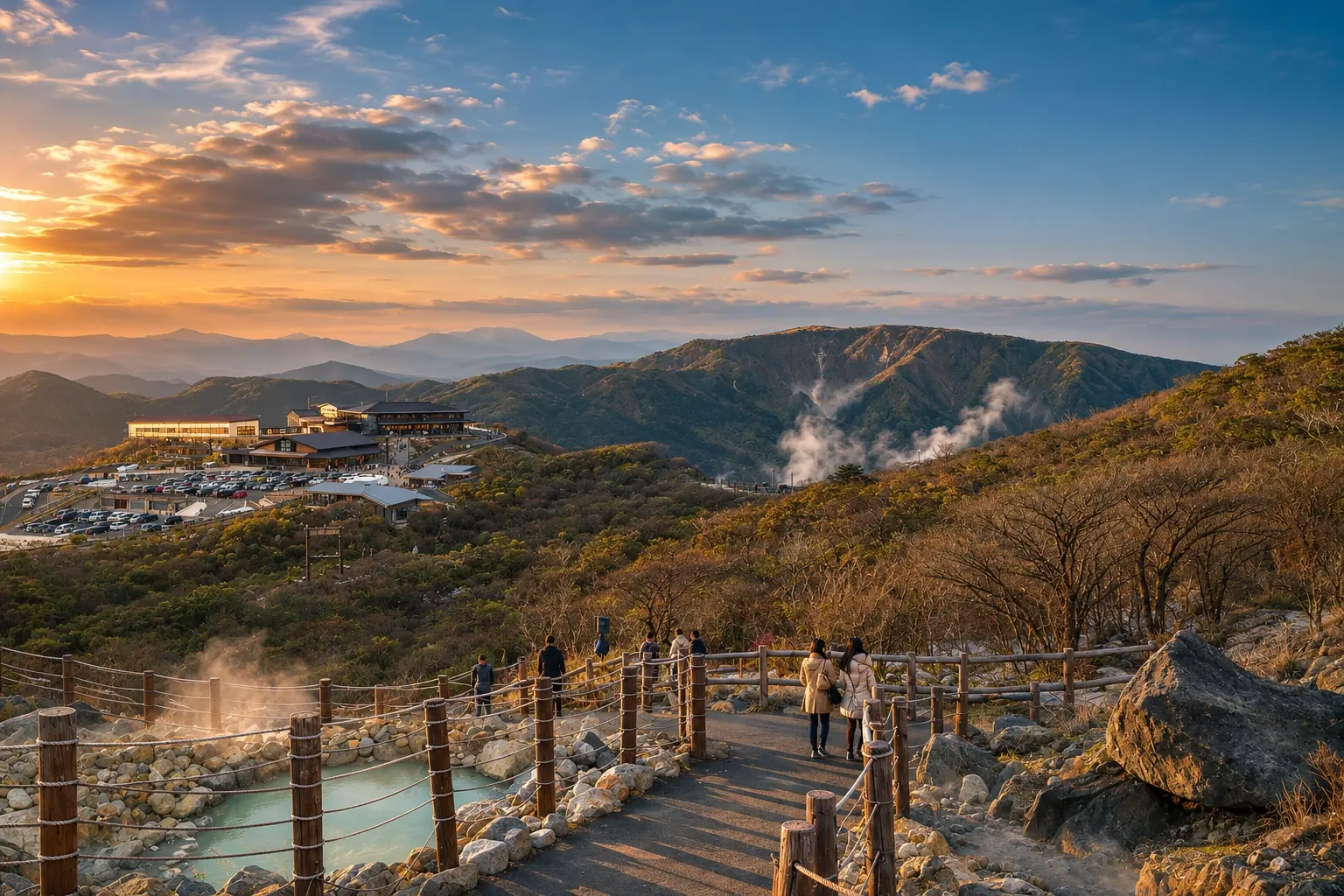
Owakudani

Owakudani is a volcanic valley in Hakone where geothermal steam rises from rocky vents and sulfurous hot springs. When conditions allow, visitors can enjoy views toward Mount Fuji and the Hakone mountains. Its black-shelled eggs, cooked using geothermal heat, are a local specialty associated with a traditional longevity legend.

Mount Fuji

Mount Fuji is Japan's highest mountain and a major national symbol. This active volcano straddles Shizuoka and Yamanashi prefectures, southwest of Tokyo and near Japan's Pacific coast.

08

Hakone → Tokyo

AI-rendered illustration

Breakfast: at the hotel. Lunch: at your own expense. Dinner: at your own expense.

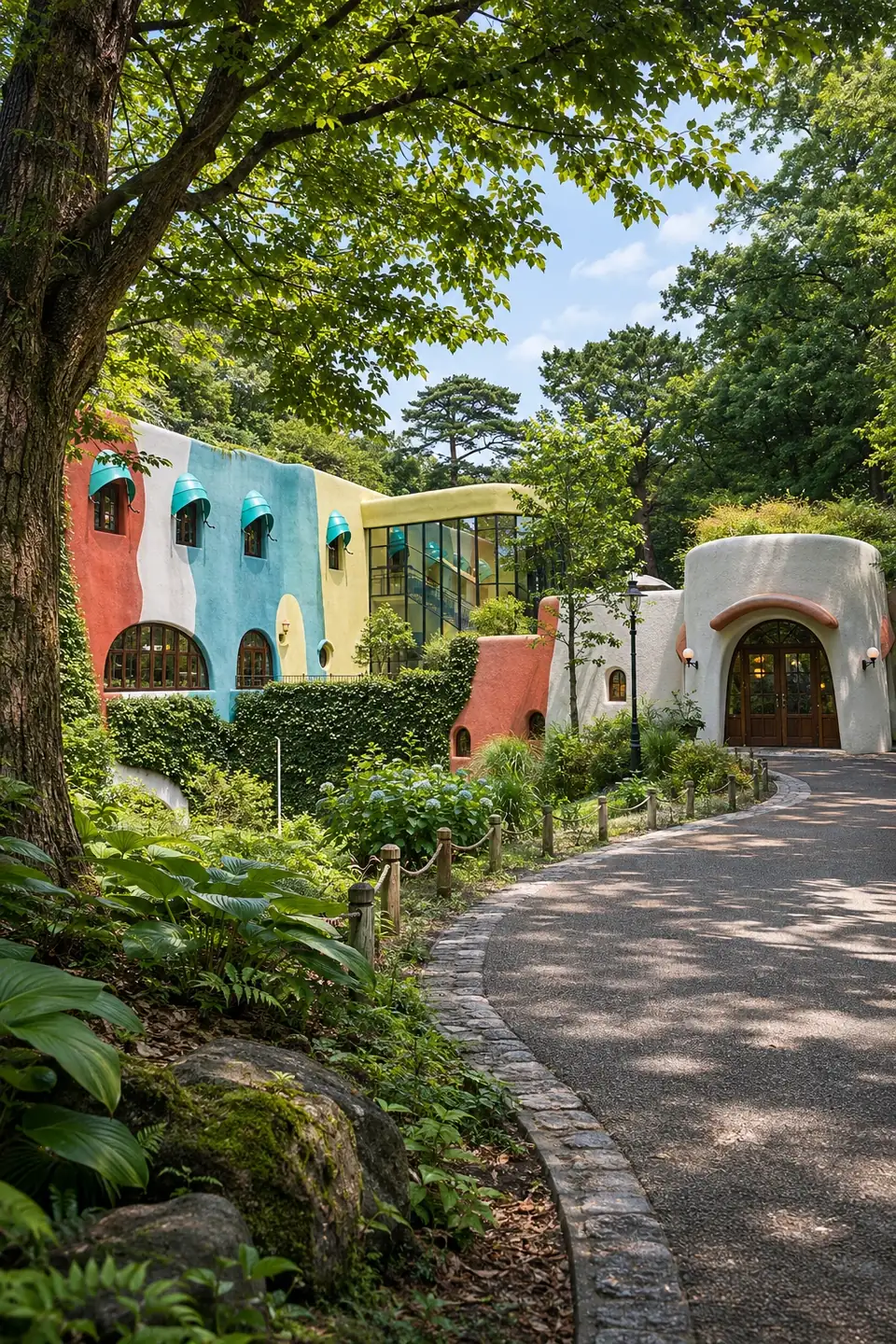
Ghibli Museum, MitakaAI-rendered illustration

Ghibli Museum, Mitaka

The Ghibli Museum, located in Mitaka, Tokyo, is an animation museum officially named Mitaka City Animation Museum. Operated by the Tokuma Memorial Animation Culture Foundation, its revenue is managed by Studio Ghibli. The museum’s founder is Hayao Miyazaki, renowned author, manga artist, and animation director.

Senso-ji Temple

Senso-ji is Tokyo's oldest temple. The enormous lantern at Kaminarimon, the Thunder Gate, is a symbol of Asakusa. Between the gate and the main hall, Nakamise shopping street is lined with small stores selling souvenirs and snacks. Visitors also draw fortunes and tie designated fortune slips within the temple grounds.

Ginza

Ginza is a major shopping district in Tokyo's Chuo ward, known for upscale stores. Long-established Japanese businesses stand alongside international luxury brands, making it a rewarding area for shopping, dining and city strolling.

Ginza Tsukiji Market

Tsukiji Market, operating for over 60 years, is one of Japan’s largest markets, especially famous for seafood. Its fish market history traces back to the Edo period when Tokugawa Ieyasu relocated fishers from Osaka to Edo Bay to supply city residents, marking the market’s origin. Fishers sold remaining catch at Nihonbashi market, where a monument now stands. Tools like over one-meter-long tuna carving knives and pushcarts are unique to the market.

09

Tokyo

Planned attractions: Shibuya and Omotesando. The itinerary concludes in Tokyo; airport transfer can be arranged per actual flight schedule. International return and departure days are excluded from this itinerary.

AI-rendered illustration

Planned attractions: Shibuya and Omotesando. The itinerary concludes in Tokyo; airport transfer can be arranged per actual flight schedule. International return and departure days are excluded from this itinerary.

Breakfast: at the hotel. Lunch: at your own expense. Dinner: at your own expense.

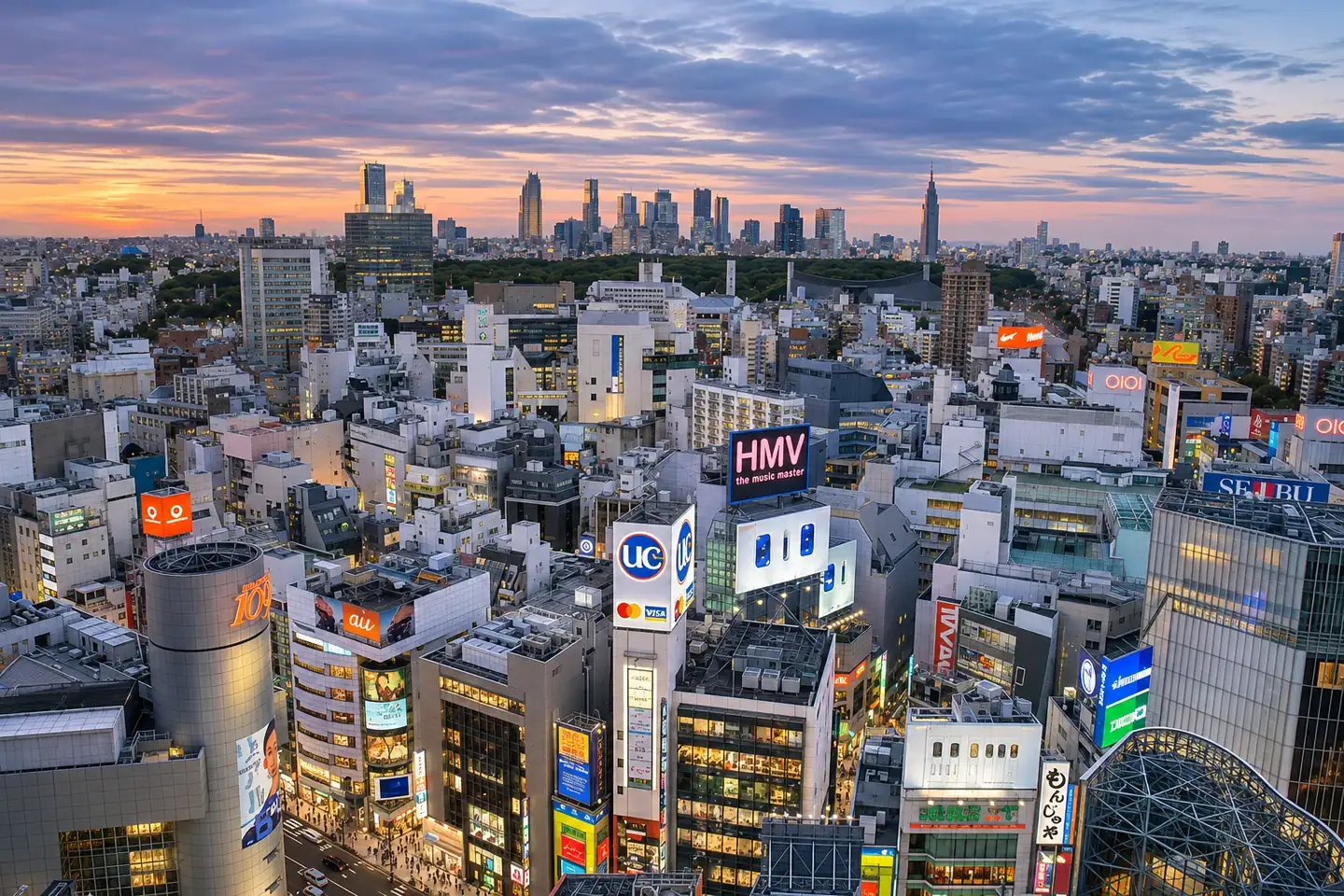
ShibuyaAI-rendered illustration

Shibuya

Shibuya is one of Tokyo’s busiest and most distinctive districts, known as a top commercial area targeting youth. Famous for the "Shibuya 109" building, representing Shibuya GAL fashion culture beyond just a shopping center. The mall and surrounding streets are filled with department stores, fashion shops, and varied boutiques. Besides shopping, Shibuya is home to numerous restaurants, bars, clubs, and live music venues showcasing vibrant pop culture.

Omotesando

Omotesando Hills is a shopping complex located in Tokyo’s Harajuku area, developed on the site of the former Dojunkai Aoyama Apartments. Named after the famous nearby Omotesando street, it was developed by Mori Building Company and designed by architect Tadao Ando. The complex extends about 250 meters with six floors above and below ground, featuring about 100 shops and restaurants.

YOUR ROUTE

Know the shape of your journey.

Starts in
Nagoya
Ends in
Tokyo
Local itinerary
9 days

A proposal shaped around you

Use this route as a starting point. Tell us your dates, pace and accommodation preferences.

Your quote will specify accommodation, guiding, transport, activities, meals and any optional arrangements before you book. International flights and airport transfers are discussed separately.

TRAVEL IN COMFORT

The right vehicle for your group.

Toyota Alphard

Up to 6 passengers

Toyota HiAce

Up to 9 passengers

Our main touring vehicles. We recommend a vehicle based on your group size and luggage. Maximum seating capacity does not guarantee room for all bags when every seat is occupied. Vehicle availability is confirmed for your destination.

More to discover

Shirakawa-go Gassho Village

Shirakawa-go is a tranquil mountain village surrounded by mountains, with rice paddies and rivers running through. The village’s traditional gassho-style thatched houses number over 110, grouped together, and were designated a UNESCO World Cultural Heritage site in 1995. At the open-air museum, the Gassho Village Heritage Park, 25 gassho houses from across Shirakawa-go have been relocated and preserved. The park also features temple replicas, waterwheel huts, charcoal kilns, and stables built in the style of old rural villages. Traditional crafts such as dyeing and weaving are demonstrated, and visitors can experience them hands-on.

Kenrokuen Garden

Kenrokuen is considered one of Japan's top three gardens. Developed over 170 years by four generations of feudal lords, it features a beautiful circular walking garden style. A large central pond runs through it, surrounded by Japanese-style artificial hills and pavilions. The garden embodies six aesthetic qualities—spaciousness, seclusion, artifice, antiquity, water features, and distant views—hence its name "Kenrokuen." It offers distinct natural beauty each season: cherry and plum blossoms in spring, azaleas and irises in summer, autumn maples, and in winter, snow suspensions protect the pines, creating a dreamlike snowy landscape.

Monet's Pond (Nendo Shrine)

Near Nendo Shrine in Gifu Prefecture lies an unnamed pond with an impressionistic, dreamlike appearance. Filled with lotuses and koi, its clear water appears almost transparent under the sunlight, making it hard to tell there’s water inside. When water lilies bloom, it creates a serene and beautiful scene reminiscent of Monet’s famous works, earning it the name "Monet’s Water Lily Pond."

Mount Fuji

Mount Fuji is Japan's highest mountain and a major national symbol. This active volcano straddles Shizuoka and Yamanashi prefectures, southwest of Tokyo and near Japan's Pacific coast.

Before you go

This journey starts at the destination. Seasonal experiences, service inclusions and availability are confirmed with your personalized proposal.

Original source & photography · 6renyou ↗

Image credits and illustrations

BEFORE YOU PLAN

Travel planning, clearly explained.

OpenEast brings together Japan and South Korea itinerary ideas for travelers from North America, with China also part of our destination plans. Start with the local route, then consider flights and airport transfers around it.

When does Day 1 begin?

Day 1 begins at the destination. International departure-only and return flight days are not counted as destination days. Plan your flights around the local itinerary dates.

Are flights and airport transfers included?

International flights and airport transfers are confirmed separately. Do not assume they are included in a suggested itinerary.

Are these confirmed departures?

These routes are itinerary ideas. Dates, hotels, admissions, seasonal activities, prices and availability need confirmation in a personalized proposal before booking.

Can I book or send an inquiry here?

Use the inquiry form to contact our team. A submission confirmation appears only when the email service accepts your request. An inquiry does not reserve a service or take payment.

Explore Japan itineraries → · Explore South Korea itineraries →

1 / 9

Let’s plan your journey.

From Nagoya to Tokyo: 9-Day Journey along the Shoryudo Dragon Route

Leave your details, and our travel specialists will get in touch by email or your preferred contact method.

Your specialist will confirm the itinerary, pricing and availability with you.

How we use your information

Your inquiry is sent to info@jasperlimo.com so our team can respond. Please do not include passport or payment details.

Start planning