Morning: Head to Kawaguchiko, one of the best spots to view Mt. Fuji. On clear days, you can see the beautiful "reverse Mt. Fuji" reflected in the lake. Then, travel by car to the Izu Peninsula. Afternoon: Visit Atami Castle, located 120 meters above sea level with a historical feel. Built in 1959 inspired by Azuchi-Momoyama period castles (1568–1600), it is one of Japan's newer castles. Evening: Stay at an Izu hot spring inn, enjoy soaking in the onsen and savor exquisite Japanese cuisine.
Breakfast: at the hotel. Lunch: at your own expense. Dinner: at the hotel.

Kawaguchiko Lake
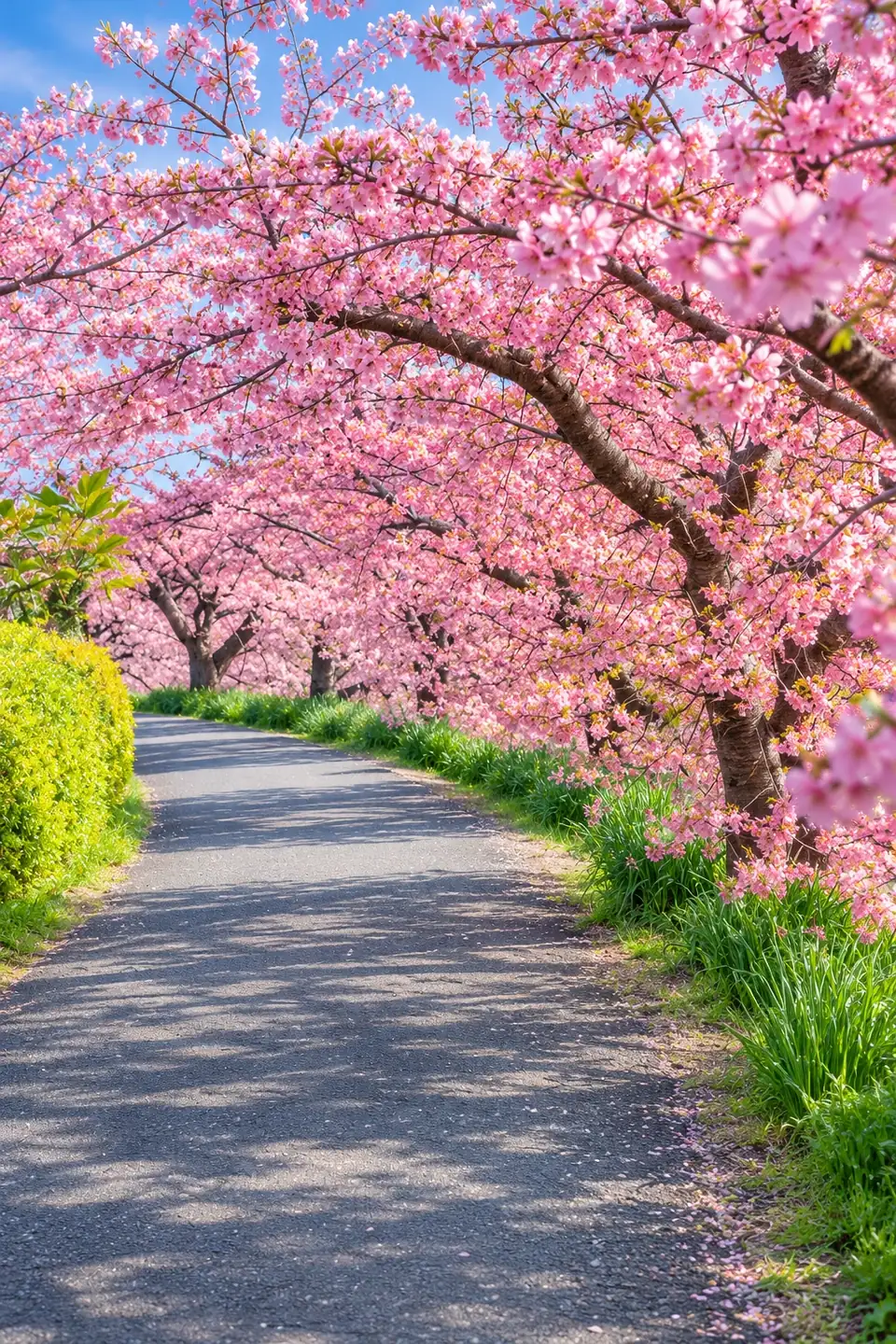
Kawaguchiko is the lowest of the Fuji Five Lakes, which include Motosu, Shoji, Sai, and Yamanaka Lakes. At 830 meters elevation and 5.7 square kilometers, it is the second largest after Lake Yamanaka among the Five Lakes. Its shoreline is the longest, 20.94 km, with a particularly complex northern shore featuring many Mt. Fuji viewing spots. Renowned as a place to photograph Mt. Fuji reflected on the lake, it is especially scenic during cherry blossom season when flowers frame the lake and mountain, creating stunning views.
Atami Castle
Atami Castle is a visitor attraction on the Nishikigaura hillside, with an observation area overlooking the coast. Exhibitions occupy the interior, and the grounds are associated with cherry blossom viewing. On scheduled fireworks dates, the elevated setting may offer a different perspective on the display. The source also describes a neighboring antique doll collection; confirm current exhibitions and access.
Atami Plum Garden
Atami Plum Garden opened in 1886, covering 44,000 square meters with over 730 plum trees of 64 varieties. The garden also features more than 360 maple trees, 130 pine trees, and other species. Famous for viewing early-blooming plums, the garden attracts many visitors. Flowering starts in November with different varieties blooming sequentially. The best viewing is mid-January to mid-March. February is peak bloom, coinciding with the Plum Blossom Festival featuring traditional performances and lantern-lit night viewing.
MOA Museum of Art
MOA Museum of Art features exhibition spaces designed by the New Material Research Laboratory, founded by Hiroshi Sugimoto and Tomoyuki Sakakida. Traditional materials such as cedar, black plaster and tatami are used in a contemporary setting. Its major treasures include Ogata Korin's Red and White Plum Blossoms screens, Nonomura Ninsei's tea jar with wisteria decoration and the calligraphy collection Tekagami Kanboku-jo. The museum grounds also offer sea views.
 AI-rendered illustration
 AI-rendered illustration
 AI-rendered illustration
 AI-rendered illustration