Japan · 8 DAYS

Cultural Kansai Journey

Osaka → Kobe → Tottori → Okayama

Experience Kobe's blend of Western style and traditional Japanese culture from multiple perspectives. Arima Onsen - Kin no Yu, Tottori Sand Dunes, Okayama's Edo-era Atmosphere, Experience a Different Side of Kansai!

8 daysCulture & natureItinerary idea

Request this itinerary

Leave your details, and our travel specialists will get in touch by email or your preferred contact method.

Your specialist will confirm the itinerary, pricing and availability with you.

How we use your information

Your inquiry is sent to info@jasperlimo.com so our team can respond. Please do not include passport or payment details.

JOURNEY HIGHLIGHTS

Japan, made personal.

Cultural Kansai Journey - Shimoha Secret Hot Springs and San'in-Sanyo Izumo Myth Seven Days

Day 1 starts in Osaka. International airfare is arranged separately.

  • 01Experience Kobe's blend of Western style and traditional Japanese culture from multiple perspectives.
  • 02Arima Onsen - Kin no Yu, Tottori Sand Dunes, Okayama's Edo-era Atmosphere, Experience a Different Side of Kansai!
  • 03From beautiful scenery to delicious food, from fashion to anime and electronics, experience the charms of Osaka from many angles!

Your journey, day by day

01

Osaka

Day 1 begins on arrival in Osaka. Local sightseeing and hotel check-in depend on your arrival time; international departure and flight days are not included. Airport transfers can be arranged separately; inclusion depends on your confirmed proposal.

Day 1 begins on arrival in Osaka. Local sightseeing and hotel check-in depend on your arrival time; international departure and flight days are not included. Airport transfers can be arranged separately; inclusion depends on your confirmed proposal.

Breakfast: at your own expense. Lunch: at your own expense. Dinner: at your own expense.

02

Osaka → Kobe

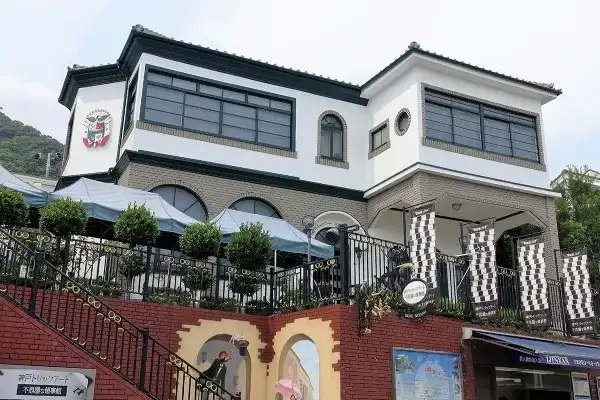
[Morning]: After breakfast, head to Kobe (about 1-hour drive) to visit the Kobe Ijinkan District, known as the mysterious consulate area. This district preserves numerous Western-style buildings from the Meiji era, originally foreign residences following Kobe's opening as a port, thus called 'Ijinkan.' Over 20 distinctive houses are open for viewing, each with unique styles that please the eye. Walking along the gentle slopes, you can sense strong international vibes. Then visit the Kobe City Museum, formerly the Kobe Nanban Art Museum combined with the Archaeological Museum in 1982. The museum focuses on international cultural exchange—the contact and change between Eastern and Western cultures. It houses 38,000 items, including 21 national treasures and 76 key artifacts. [Lunch]: Local group meal; [Afternoon]: Experience the famous Arima Onsen, visiting Kin no Yu hot spring; [Dinner]: Local group meal; After dinner, return to hotel to rest.

[Morning]: After breakfast, head to Kobe (about 1-hour drive) to visit the Kobe Ijinkan District, known as the mysterious consulate area. This district preserves numerous Western-style buildings from the Meiji era, originally foreign residences following Kobe's opening as a port, thus called 'Ijinkan.' Over 20 distinctive houses are open for viewing, each with unique styles that please the eye. Walking along the gentle slopes, you can sense strong international vibes. Then visit the Kobe City Museum, formerly the Kobe Nanban Art Museum combined with the Archaeological Museum in 1982. The museum focuses on international cultural exchange—the contact and change between Eastern and Western cultures. It houses 38,000 items, including 21 national treasures and 76 key artifacts. [Lunch]: Local group meal; [Afternoon]: Experience the famous Arima Onsen, visiting Kin no Yu hot spring; [Dinner]: Local group meal; After dinner, return to hotel to rest.

Meals: Breakfast - hotel dining, Lunch - local specialty, Dinner - local specialty
Kobe Ijinkan District

Kobe Ijinkan District

This rare attraction in the Ijinkan area lets visitors personally experience how optical illusions make people feel as if they walk into a painting. The museum is divided into six sections, including the Kobe Original series, Adventure World, Illusion World, Brain Training & Illusions, Famous Paintings, and Maze rooms. Fun photos provide joyful memories. The building is a two-story wooden house constructed in the late Meiji period, which served as the Panama consulate after World War II.

Kobe City Museum

Kobe City Museum was formerly the Kobe Nanban Art Museum. It was designated a registered cultural asset in 1998 and houses 38,000 pieces. Notably, it includes Nanban paintings from the 16th and 17th centuries inspired by Renaissance art brought by missionaries. Some artworks depict Portuguese fleets landing in Japan. Due to fragility, originals are displayed only 40 days annually (late July to early September). At other times, visitors see reproductions and exhibits on Kobe archeology and history.

03

Kobe

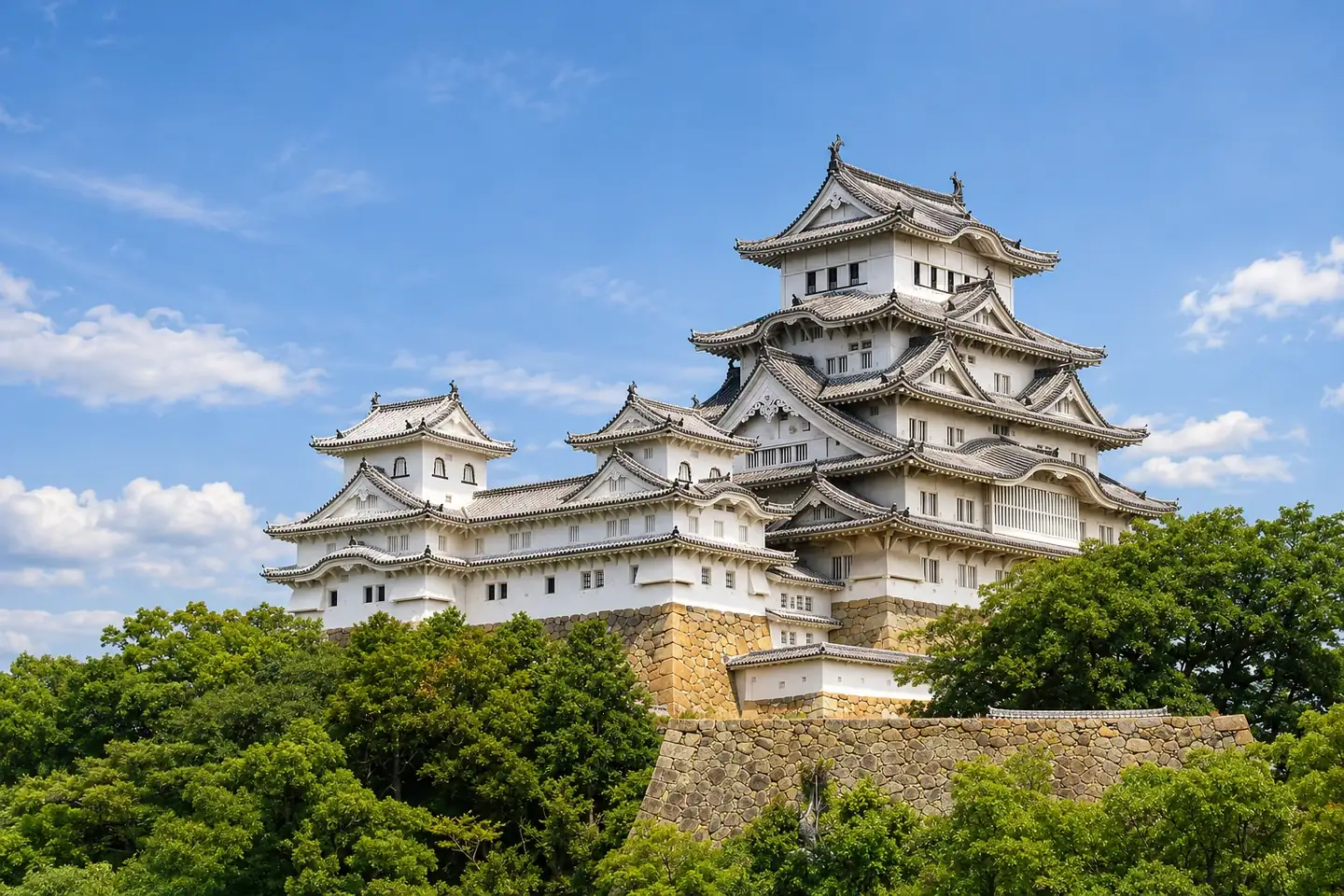
[Morning]: After breakfast, travel to Himeji Castle for sightseeing. Located on Himeyama in Himeji City, Hyogo Prefecture, it is a city symbol known for its pristine white walls and elegant curving roofs, resembling a white heron in flight, hence called the White Heron Castle. It is a World Cultural Heritage site. Himeji Castle, along with Matsuyama Castle and Wakayama Castle, are among Japan's three major flatland-mountain castles. It is called Japan's premier castle due to its excellent preservation. [Lunch]: Local group meal; [Afternoon]: Visit Kobe Rokko Ranch and Rokko Mountain Observatory. Mt. Rokko, 931 meters tall to the north of Kobe, began villa development by foreigners in the Meiji era and gradually developed into a health resort featuring garden halls, alpine botanical gardens, forest parks, ranches, athletic facilities, and artificial ski slopes—many family-friendly amenities. [Dinner]: Local group meal; After dinner, return to hotel to rest.

AI-rendered illustration

[Morning]: After breakfast, travel to Himeji Castle for sightseeing. Located on Himeyama in Himeji City, Hyogo Prefecture, it is a city symbol known for its pristine white walls and elegant curving roofs, resembling a white heron in flight, hence called the White Heron Castle. It is a World Cultural Heritage site. Himeji Castle, along with Matsuyama Castle and Wakayama Castle, are among Japan's three major flatland-mountain castles. It is called Japan's premier castle due to its excellent preservation. [Lunch]: Local group meal; [Afternoon]: Visit Kobe Rokko Ranch and Rokko Mountain Observatory. Mt. Rokko, 931 meters tall to the north of Kobe, began villa development by foreigners in the Meiji era and gradually developed into a health resort featuring garden halls, alpine botanical gardens, forest parks, ranches, athletic facilities, and artificial ski slopes—many family-friendly amenities. [Dinner]: Local group meal; After dinner, return to hotel to rest.

Meals: Breakfast - hotel dining, Lunch - local specialty, Dinner - local specialty

Himeji CastleAI-rendered illustration

Himeji Castle

Himeji Castle is a landmark of Himeji in Hyogo Prefecture. Its white exterior has earned it the nickname White Heron Castle. One of Japan's best-preserved historic castles, it is a designated National Treasure and Special Historic Site, and was among Japan's first UNESCO World Heritage Sites.

Rokko Mountain Ranch, Kobe

Situated on Mount Rokko north of Kobe, this alpine leisure ranch is home to cows and sheep grazing on grassy slopes. Visitors can interact with animals and enjoy locally produced dairy and ice cream products made from completely natural ingredients.

Mount Rokko and Observation Deck

Located near Kobe, Mount Rokko is part of Setonaikai National Park. Its observation deck sits at 737.5 meters elevation northeast of Maya-san's Kikuseidai, offering spectacular nighttime views of Kobe Port. On clear days, views extend across the Osaka Plain and to the Wakayama coastline in the distance.
04

Kobe → Tottori → Kobe

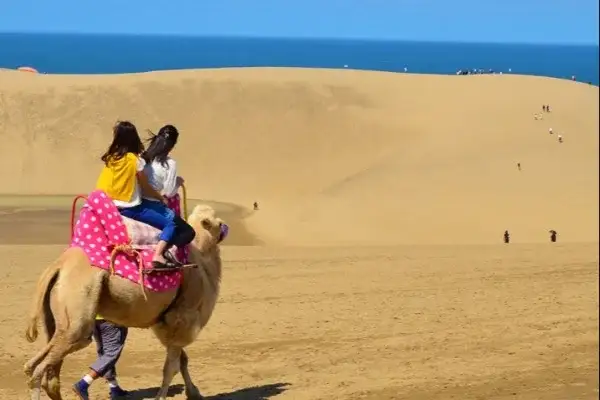
[Morning]: After breakfast, travel to Tottori Prefecture (about a 2-hour drive) to visit the Tottori Sand Dunes, the largest sand dunes in Japan. Formed from volcanic ash deposited over mud and sand by the Chiyo River, shaped by winds from the Sea of Japan over 100,000 years, they represent a natural masterpiece. [Lunch]: Local group meal; [Afternoon]: Visit the Gosho Aoyama Manga Factory, dedicated to the Detective Conan author. Then explore Conan's hometown shopping street, Mioka Shotengai. The Gosho Aoyama Manga Factory in Hokuei, Tottori was established on March 18, 2007. The museum exhibits Aoyama's childhood manga collections and original artworks, includes an invention experience corner from Detective Conan, and interactive elements offering 'seeing, experiencing, and enjoying.' It is Japan's first permanent exhibition of Aoyama's works, showcasing characters, streets, puzzles, and cases with playful elements. [Dinner]: Local group meal; Return to hotel to rest.

[Morning]: After breakfast, travel to Tottori Prefecture (about a 2-hour drive) to visit the Tottori Sand Dunes, the largest sand dunes in Japan. Formed from volcanic ash deposited over mud and sand by the Chiyo River, shaped by winds from the Sea of Japan over 100,000 years, they represent a natural masterpiece. [Lunch]: Local group meal; [Afternoon]: Visit the Gosho Aoyama Manga Factory, dedicated to the Detective Conan author. Then explore Conan's hometown shopping street, Mioka Shotengai. The Gosho Aoyama Manga Factory in Hokuei, Tottori was established on March 18, 2007. The museum exhibits Aoyama's childhood manga collections and original artworks, includes an invention experience corner from Detective Conan, and interactive elements offering 'seeing, experiencing, and enjoying.' It is Japan's first permanent exhibition of Aoyama's works, showcasing characters, streets, puzzles, and cases with playful elements. [Dinner]: Local group meal; Return to hotel to rest.

Breakfast: at the hotel. Lunch: at your own expense. Dinner: at your own expense.

Tottori Sand Dunes

Tottori Sand Dunes

The Tottori Sand Dunes, part of the San'in Kaigan National Park, are Japan’s largest sightseeing sand dunes. Designated a natural monument by the Japanese government in 1955 and selected among Japan’s top 100 geological sites in 2007. Climbing the dune’s 90-meter rise brings the sea breeze and sound of waves, with the Sea of Japan beyond.

Gosho Aoyama Manga Museum

The Gosho Aoyama Manga Museum focuses on the original author of the popular manga "Detective Conan," Gosho Aoyama, and his creative world. Opened on March 18, 2007, in Hokuei Town, Tottori Prefecture—Aoyama's birthplace—the museum is operated entirely by Hokuei Town. The museum is part of Hokuei Town's "Detective Conan" tourism initiative and is divided into six zones including Aoyama's biography and manga and anime exhibits.

Conan’s Home & Yonago Shopping Street

Like many small Japanese towns, it’s sparsely populated and lacks tall buildings. Without Gosho Aoyama and his Detective Conan, this would be an ordinary, quiet seaside town. Thanks to the longstanding manga, the town enjoys steady popularity and energy.

05

Kobe → Okayama → Kobe

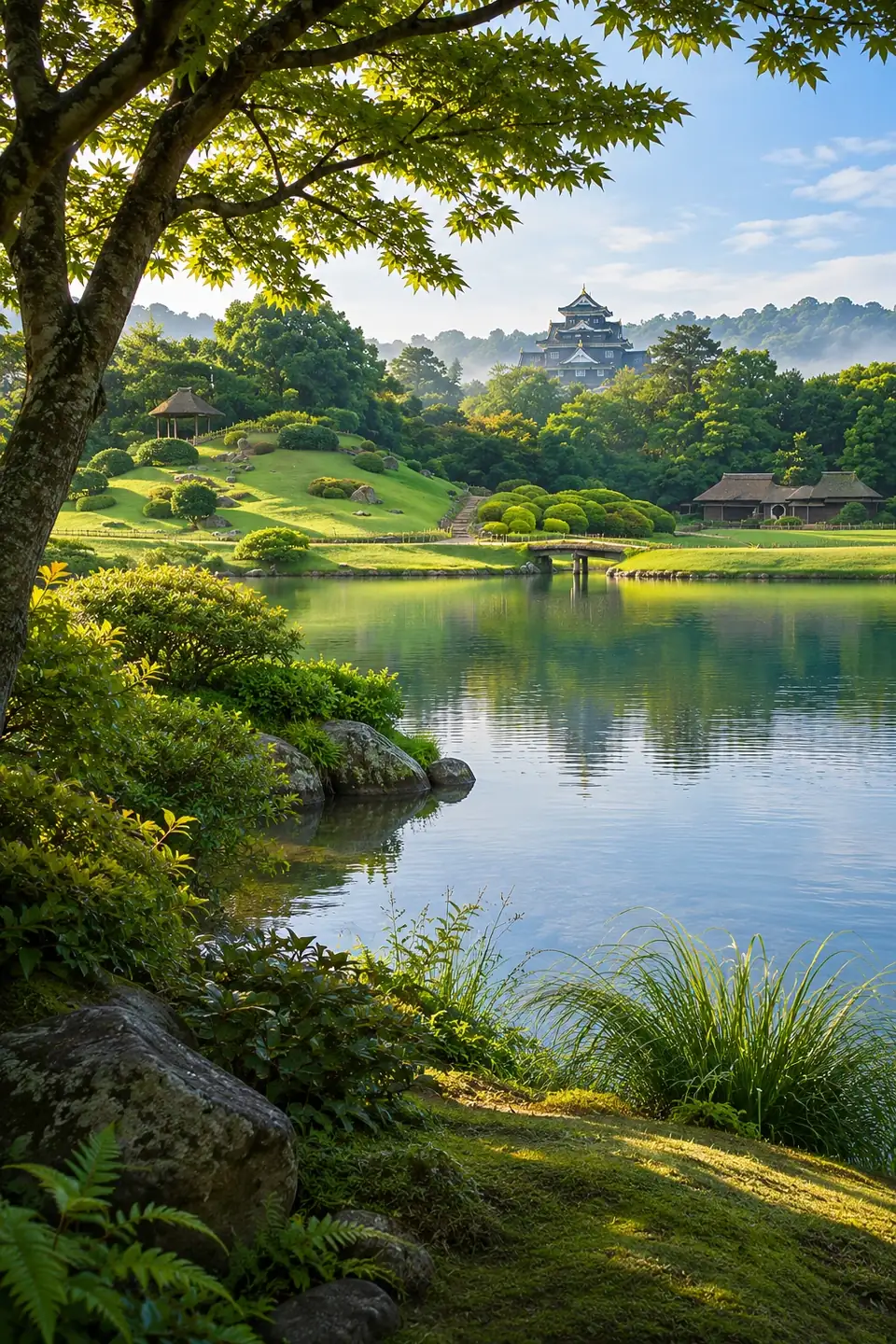
[Morning]: After breakfast, travel to Okayama (approx. 2-hour drive). Visit Okayama Castle, nicknamed Crow Castle or Golden Crow Castle due to its black exterior and golden roof tiles shaped like mythical beasts. Built in Momoyama style, the castle's main keep, Moon Viewing Tower, West Tower, and Ishiyama Gate are designated National Treasures. The five-story, six-level castle is one of Japan's oldest. [Lunch]: Local group meal; [Afternoon]: Explore Kurashiki Bikan Historical Quarter and Okayama Korakuen Garden. The Kurashiki Bikan district preserves Edo-period Japan's atmosphere with white walls, black roofs, and small canals. Korakuen Garden, near Okayama city, was built by the feudal lord Tsunamasa Ikeda from 1687 to 1700, covering 133,000 square meters. The garden's exquisite design lets visitors enjoy diverse views by walking around its pond and woodland. Although authentically Japanese, it also gives a somewhat Western impression. [Dinner]: Local group meal; Return to hotel to rest.

AI-rendered illustration

[Morning]: After breakfast, travel to Okayama (approx. 2-hour drive). Visit Okayama Castle, nicknamed Crow Castle or Golden Crow Castle due to its black exterior and golden roof tiles shaped like mythical beasts. Built in Momoyama style, the castle's main keep, Moon Viewing Tower, West Tower, and Ishiyama Gate are designated National Treasures. The five-story, six-level castle is one of Japan's oldest. [Lunch]: Local group meal; [Afternoon]: Explore Kurashiki Bikan Historical Quarter and Okayama Korakuen Garden. The Kurashiki Bikan district preserves Edo-period Japan's atmosphere with white walls, black roofs, and small canals. Korakuen Garden, near Okayama city, was built by the feudal lord Tsunamasa Ikeda from 1687 to 1700, covering 133,000 square meters. The garden's exquisite design lets visitors enjoy diverse views by walking around its pond and woodland. Although authentically Japanese, it also gives a somewhat Western impression. [Dinner]: Local group meal; Return to hotel to rest.

Meals: Breakfast - hotel dining, Lunch - local specialty, Dinner - local specialty

Okayama Castle

Okayama Castle, located in Okayama City, Okayama Prefecture, was the Edo Period's Okayama Domain headquarters. Nicknamed the Crow Castle or Golden Crow Castle, it is designated a national historic site by Japan.

Kurashiki Bikan Historical Quarter at Night

Kurashiki's Bikan Historical Quarter preserves the atmosphere of the Edo period, with white-walled buildings, dark tiled roofs, willow trees and a canal running through the neighborhood.

Okayama Korakuen GardenAI-rendered illustration

Okayama Korakuen Garden

Korakuen is celebrated as one of Japan's three great gardens and has received three stars in the Michelin Green Guide Japan. This historic landscape changes with the seasons. Stroll through carefully designed grounds, pause at traditional teahouses and enjoy ponds filled with colorful koi, following in the footsteps of the nobles who once visited.

06

Kobe → Osaka

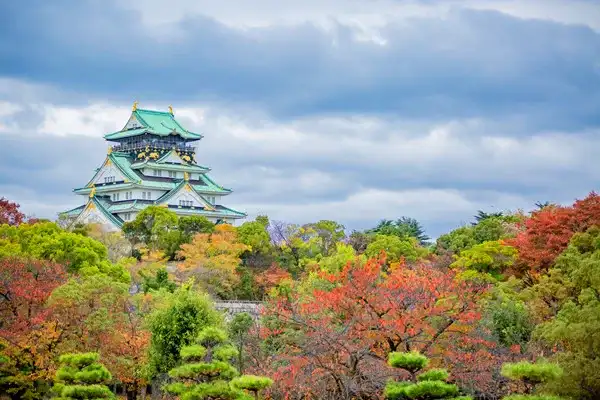
[Morning]: After breakfast, visit Osaka Castle, originally built during the Azuchi-Momoyama period in the Settsu Province's Higashinari District. It was rebuilt during the Edo period, covering approximately 710,000 square meters. Also known as Nishiki Castle or Kin Castle, it is located in Osaka Castle Park, central Osaka City, and is one of Osaka's famous spots, alongside Nagoya and Kumamoto Castles among Japan's historic three great castles. Then visit Shitennoji Temple, founded in 593 by Prince Shotoku and the oldest official Buddhist temple in Japan. It not only served as a religious and political center but also as a birthplace of Japanese art and craftsmanship culture. [Lunch]: Special group meal; [Afternoon]: Explore Nipponbashi Anime Street. Known as 'East has Akihabara, West has Nipponbashi,' Osaka's Nipponbashi is a prominent electronics district in Kansai, just one subway stop from the bustling Shinsaibashi. The about 800-meter area hosts over 200 electronics and digital shops and has become a cultural hub for otaku and pop culture. [Dinner]: Special group meal; Return to hotel to rest.

[Morning]: After breakfast, visit Osaka Castle, originally built during the Azuchi-Momoyama period in the Settsu Province's Higashinari District. It was rebuilt during the Edo period, covering approximately 710,000 square meters. Also known as Nishiki Castle or Kin Castle, it is located in Osaka Castle Park, central Osaka City, and is one of Osaka's famous spots, alongside Nagoya and Kumamoto Castles among Japan's historic three great castles. Then visit Shitennoji Temple, founded in 593 by Prince Shotoku and the oldest official Buddhist temple in Japan. It not only served as a religious and political center but also as a birthplace of Japanese art and craftsmanship culture. [Lunch]: Special group meal; [Afternoon]: Explore Nipponbashi Anime Street. Known as 'East has Akihabara, West has Nipponbashi,' Osaka's Nipponbashi is a prominent electronics district in Kansai, just one subway stop from the bustling Shinsaibashi. The about 800-meter area hosts over 200 electronics and digital shops and has become a cultural hub for otaku and pop culture. [Dinner]: Special group meal; Return to hotel to rest.

Meals: Breakfast - hotel dining, Lunch - local specialty, Dinner - local specialty

Osaka Castle Main Tower

Osaka Castle Main Tower

Osaka Castle's main tower is the landmark of the castle grounds. The castle is associated with Toyotomi Hideyoshi and has undergone destruction and reconstruction over its history. The present concrete tower dates to 1931 and was renovated in 1997. Its exhibitions explore Hideyoshi and Osaka's past. The source lists a December 28–January 1 closure; verify current opening dates before visiting.

Shitennoji Temple

Built by Prince Shotoku, a devout Buddhist regarded as the founder of Japanese Buddhism, Shitennoji is the oldest official temple in Japan and a renowned site in Osaka. Various events are held here annually. The temple's stone torii gate, Rokujido Hall, Daishido Hall, and other structures are designated as Important Cultural Properties of Japan. The stone stage in the Turtle Pond, along with the stone stages at Sumiyoshi Taisha Shrine and Itsukushima Shrine, are collectively known as Japan's three great stages.

Nipponbashi Anime Street

Nipponbashi Anime Street is a famous electronics district south of Osaka Castle, only one subway stop from the Namba Shinsaibashi area. The electronics street refers to the area from the east side of Namba Takashimaya to Nipponbashi 2-chome through 5-chome, ending at Ebisucho Station. Within about 800 meters along Sakaisuji Avenue, there are over 200 stores selling home electronics and digital goods. Many duty-free shops display product info and ads in English, Korean, and Chinese, attracting numerous tourists for shopping.

07

Osaka

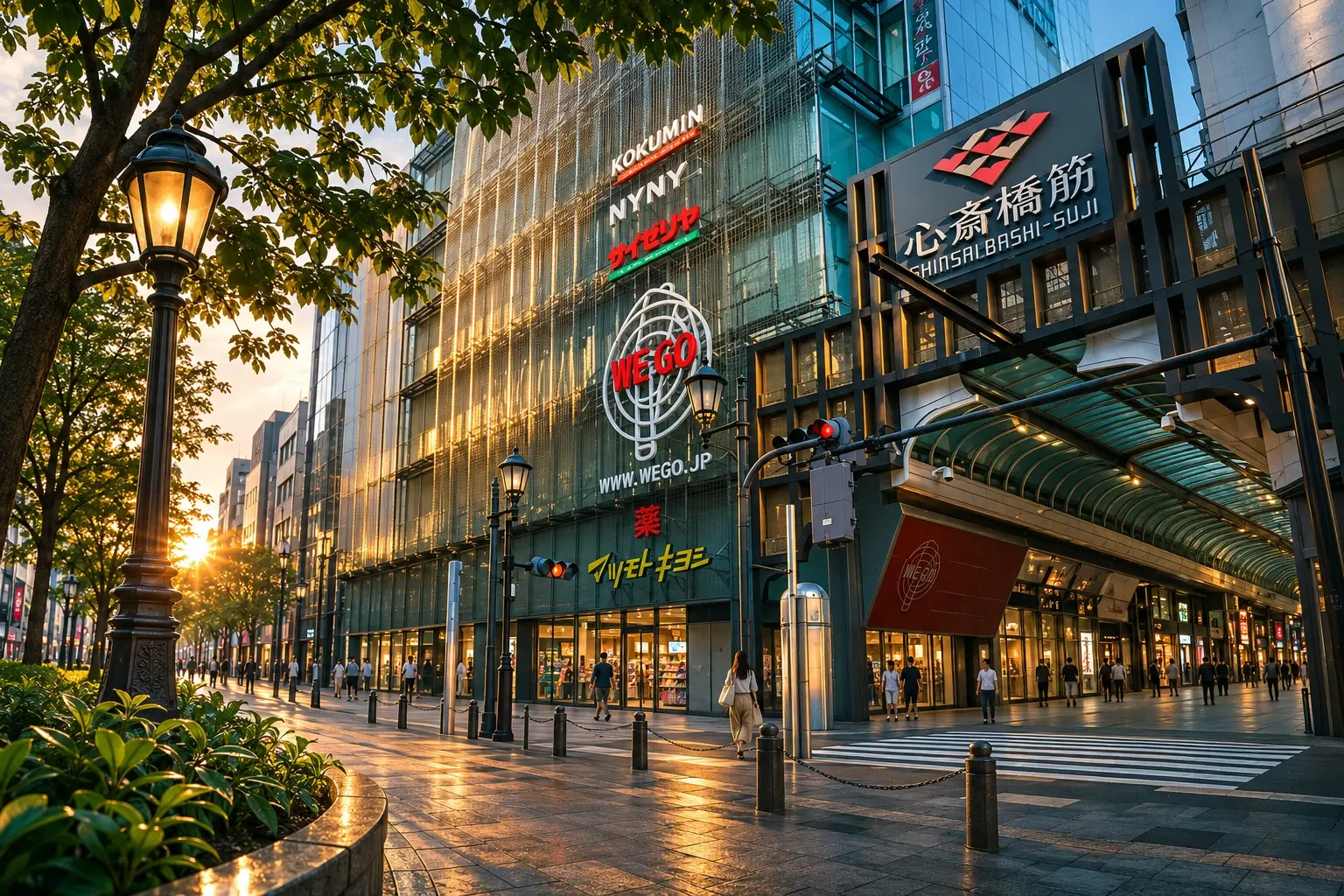
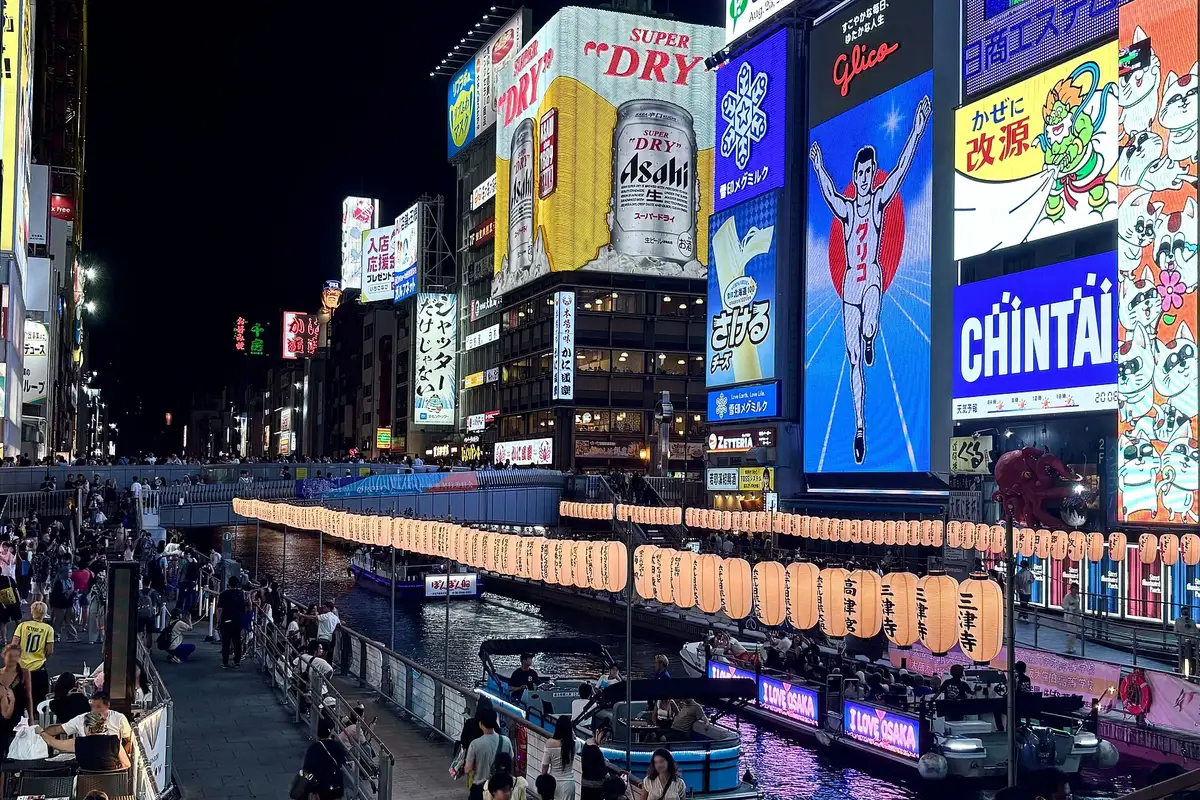
[Morning]: After breakfast, travel to Mount Koya for sightseeing (approximately 1.5 hours by car). Mount Koya has a 1,200-year history and is the headquarters of the Shingon sect of esoteric Buddhism (also known as Tōmitsu). It is a sacred place for studying Shingon Buddhism worldwide. Located in the northeast of Wakayama Prefecture within Koya Ryujin Quasi-National Park, the mountaintop is surrounded by peaks and centered on Kongobu-ji Temple, founded by Kobo Daishi over 1,200 years ago. There are more than 120 temples scattered around, forming a large religious city. [Lunch]: Group meal with local specialties; [Afternoon]: Return to Osaka city and visit Shinsaibashi. Take the Shinsaibashi-Dotonbori water bus to enjoy the scenery. Shinsaibashi is Osaka's largest shopping district, home to many boutiques and specialty shops, bustling from morning to night. Centered around the arcade-style Shinsaibashi-suji shopping street, it features major department stores, century-old shops, and various shops for everyday goods. The stone-paved sidewalks, British-style street lamps, and rows of brick buildings along Suo-machi-suji street create an elegant atmosphere, often referred to as the "European Village." [Dinner]: Group meal with local specialties; Afterward, return to the hotel to rest.

AI-rendered illustration

[Morning]: After breakfast, travel to Mount Koya for sightseeing (approximately 1.5 hours by car). Mount Koya has a 1,200-year history and is the headquarters of the Shingon sect of esoteric Buddhism (also known as Tōmitsu). It is a sacred place for studying Shingon Buddhism worldwide. Located in the northeast of Wakayama Prefecture within Koya Ryujin Quasi-National Park, the mountaintop is surrounded by peaks and centered on Kongobu-ji Temple, founded by Kobo Daishi over 1,200 years ago. There are more than 120 temples scattered around, forming a large religious city. [Lunch]: Group meal with local specialties; [Afternoon]: Return to Osaka city and visit Shinsaibashi. Take the Shinsaibashi-Dotonbori water bus to enjoy the scenery. Shinsaibashi is Osaka's largest shopping district, home to many boutiques and specialty shops, bustling from morning to night. Centered around the arcade-style Shinsaibashi-suji shopping street, it features major department stores, century-old shops, and various shops for everyday goods. The stone-paved sidewalks, British-style street lamps, and rows of brick buildings along Suo-machi-suji street create an elegant atmosphere, often referred to as the "European Village." [Dinner]: Group meal with local specialties; Afterward, return to the hotel to rest.

Meals: Breakfast - hotel dining, Lunch - local specialty, Dinner - local specialty

Mount Koya (Koyasan)

Mount Koya was registered as a UNESCO World Heritage Site in 2004 and has a 1,200-year history. As the headquarters of the Shingon sect of esoteric Buddhism (also known as Tōmitsu), Mount Koya is a sacred place for studying Shingon Buddhism worldwide, with over 120 temples scattered around Kongobu-ji Temple at its center.

ShinsaibashiAI-rendered illustration

Shinsaibashi

Shinsaibashi is one of Osaka's major shopping districts. Centered on the covered Shinsaibashi-suji arcade, it extends from Nagahori-dori toward Dotonbori. Boutiques, specialty stores, restaurants and department stores draw visitors throughout the day. Alongside shopping, enjoy Osaka specialties and international food, or explore nearby cinemas, theaters and nightlife.

08

Osaka

Planned for the day: Osaka Shinsekai area and Kansai Airport Rinku Premium Outlets. The itinerary ends in Osaka locally; airport transfers can be arranged separately based on your actual flight. International return flights and arrival dates at your origin are not included in this itinerary.

Planned for the day: Osaka Shinsekai area and Kansai Airport Rinku Premium Outlets. The itinerary ends in Osaka locally; airport transfers can be arranged separately based on your actual flight. International return flights and arrival dates at your origin are not included in this itinerary.

Breakfast: at the hotel. Lunch: at your own expense. Dinner: at your own expense.

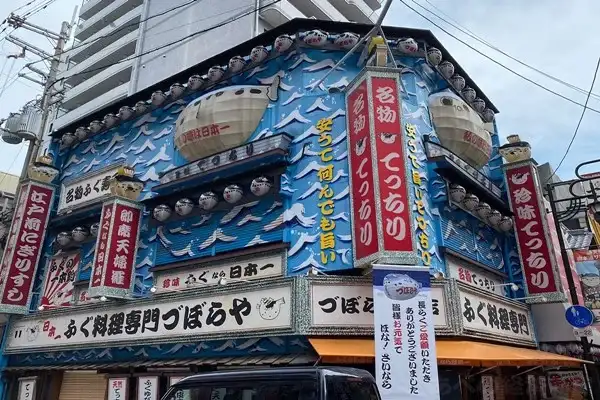
Osaka Shinsekai

Osaka Shinsekai

Shinsekai was built in 1912; its southern section modeled after New York, northern after Paris. Its Tsukiji Park opened in 1912 and closed in 1923. Shinsekai boasts rich history and unique character. Surrounding it are many budget-friendly restaurants, low-cost clothing stores, cinemas, Shogi and Mahjong clubs, and pinball arcades. The iconic Tsutenkaku Tower is located here.

Kansai Airport Rinku Premium Outlets

Rinku Premium Outlets, located across from Kansai International Airport, is a branded discount shopping complex and the largest outlet mall in western Japan. Its proximity to Kansai Airport makes it a top shopping destination for international visitors. Within its two-story, all-white buildings, shoppers can enjoy more than 150 brand-name stores such as Armani, Bally, Brooks Brothers, Coach, D&G, Etro, Hugo Boss, Salvatore Ferragamo, and Zegna.

YOUR ROUTE

Know the shape of your journey.

Starts in
Osaka
Ends in
Osaka
Local itinerary
8 days

A proposal shaped around you

Use this route as a starting point. Tell us your dates, pace and accommodation preferences.

Your quote will specify accommodation, guiding, transport, activities, meals and any optional arrangements before you book. International flights and airport transfers are discussed separately.

TRAVEL IN COMFORT

The right vehicle for your group.

Toyota Alphard

Up to 6 passengers

Toyota HiAce

Up to 9 passengers

Our main touring vehicles. We recommend a vehicle based on your group size and luggage. Maximum seating capacity does not guarantee room for all bags when every seat is occupied. Vehicle availability is confirmed for your destination.

More to discover

Arima Onsen - Kin no Yu (Public Bath)

Kin no Yu is a high-temperature hot spring rich in iron and sodium salt. When the spring water contacts air after surfacing, its iron content turns light reddish-brown, hence called 'golden water.' Its iron concentration is about 1.5 to 2 times that of normal seawater, making it the top hot spring in Japan. The salt forms a thin film on the skin, providing moisturizing effects; the high silicic acid content enhances heat retention; it also has antibacterial properties.

Rokko Mountain Ranch, Kobe

Situated on Mount Rokko north of Kobe, this alpine leisure ranch is home to cows and sheep grazing on grassy slopes. Visitors can interact with animals and enjoy locally produced dairy and ice cream products made from completely natural ingredients.

Tottori Sand Dunes

The Tottori Sand Dunes, part of the San'in Kaigan National Park, are Japan’s largest sightseeing sand dunes. Designated a natural monument by the Japanese government in 1955 and selected among Japan’s top 100 geological sites in 2007. Climbing the dune’s 90-meter rise brings the sea breeze and sound of waves, with the Sea of Japan beyond.

Kurashiki Bikan Historical Quarter at Night

Kurashiki's Bikan Historical Quarter preserves the atmosphere of the Edo period, with white-walled buildings, dark tiled roofs, willow trees and a canal running through the neighborhood.

Before you go

This journey starts at the destination. Seasonal experiences, service inclusions and availability are confirmed with your personalized proposal.

Original source & photography · 6renyou ↗

Image credits and illustrations

BEFORE YOU PLAN

Travel planning, clearly explained.

OpenEast brings together Japan and South Korea itinerary ideas for travelers from North America, with China also part of our destination plans. Start with the local route, then consider flights and airport transfers around it.

When does Day 1 begin?

Day 1 begins at the destination. International departure-only and return flight days are not counted as destination days. Plan your flights around the local itinerary dates.

Are flights and airport transfers included?

International flights and airport transfers are confirmed separately. Do not assume they are included in a suggested itinerary.

Are these confirmed departures?

These routes are itinerary ideas. Dates, hotels, admissions, seasonal activities, prices and availability need confirmation in a personalized proposal before booking.

Can I book or send an inquiry here?

Use the inquiry form to contact our team. A submission confirmation appears only when the email service accepts your request. An inquiry does not reserve a service or take payment.

Explore Japan itineraries → · Explore South Korea itineraries →

1 / 4

Let’s plan your journey.

Cultural Kansai Journey - Shimoha Secret Hot Springs and San'in-Sanyo Izumo Myth Seven Days

Leave your details, and our travel specialists will get in touch by email or your preferred contact method.

Your specialist will confirm the itinerary, pricing and availability with you.

How we use your information

Your inquiry is sent to info@jasperlimo.com so our team can respond. Please do not include passport or payment details.

Start planning