Depart Tokyo to Nikko, first visiting Nikko Toshogu Shrine, a UNESCO World Cultural Heritage site showcasing splendid history and exquisite architecture. Then walk to nearby Rinnoji Temple to experience the solemnity and tranquility of Japanese Buddhism. Next, explore Futarasan Shrine amidst forest surroundings for natural beauty and spiritual refreshment. In the afternoon, relax by Lake Chuzenji, enjoy the lake and mountain scenery, and catch distant views of the impressive Kegon Falls. In the evening, head to Kinugawa Onsen to unwind in hot springs, completing your day. Accommodation and meal details are not specified; Nikko offers many comfortable options.
Breakfast: at the hotel. Lunch: at your own expense. Dinner: at the hotel.
 AI-rendered illustration
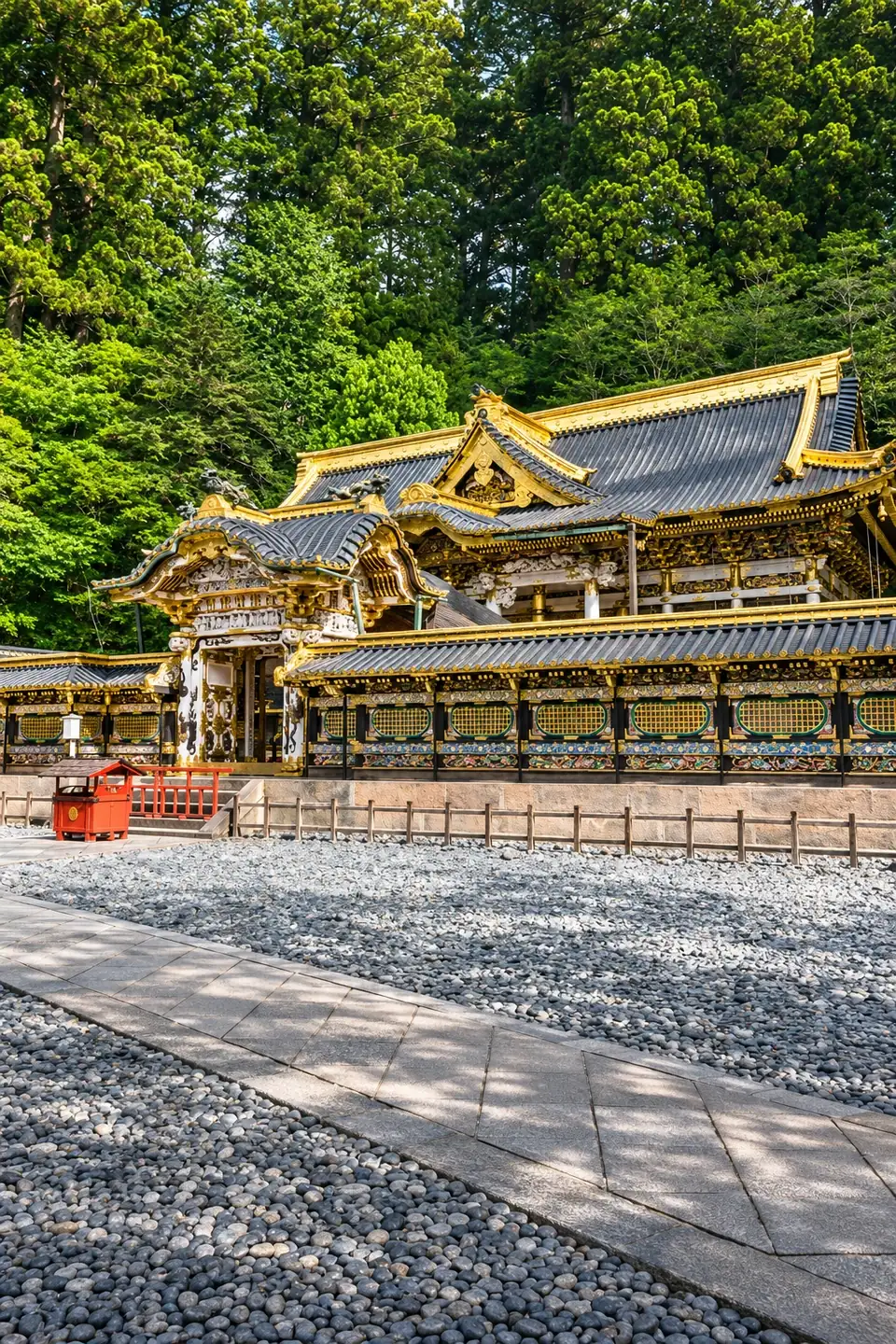
Nikko Toshogu Shrine
There are many Toshogu Shrines across Japan, but the one in Nikko City is the main shrine and the mausoleum of Tokugawa Ieyasu, founder of the Tokugawa Shogunate. At Toshogu, visitors can admire exquisite Edo-period wood carvings, including the famous “Three Wise Monkeys” carving in a stable where the monkeys cover their eyes, ears, and mouth, reflecting the Confucian teaching of 'see no evil, hear no evil, speak no evil.' Nikko’s Toshogu, along with Rinnoji Temple and Futarasan Shrine, is known as the “Two Shrines and One Temple,” collectively designated as a World Heritage Site under “Shrines and Temples of Nikko.”
Rinno-ji Temple: Taiyu-in Mausoleum
Rinno-ji Temple, founded by the mountain ascetic Shodo in 766 with the establishment of Shohon-ji Temple, became a major center for mountain faith drawing many practitioners. After Tokugawa Ieyasu’s death, Nikko Tosho-gu was built, making Rinno-ji a major sacred site. In December 1999, Nikko Tosho-gu and Nikko Futarasan Shrine were jointly designated as World Heritage sites under 'Shrines and Temples of Nikko.' Key sights include the Sanbutsudo (Three Buddha Hall), Choyo-en Garden, the treasure hall housing 30,000 relics, and Taiyu-in, the mausoleum of Tokugawa Iemitsu. There is more than enough to spend a full day exploring.
Futarasan Shrine
Futarasan Shrine, founded in 767, is dedicated to the three mountain gods of Nikko: Oonamuchi-no-Mikoto, Tagorihime-no-Mikoto, and Ajisukitakahikone-no-Mikoto—collectively called Futarasan Okami. As part of Nikko's shrines and temples, it is a UNESCO World Heritage site. In front of the shrine stands the 'Married Couple Tree' and 'Parent-Child Tree,' said to bless marital harmony and parent-child relationships. To the shrine’s left rear is the 'Futarasan Sacred Spring,' whose clear water is believed by locals to bestow safety when drunk. The shrine’s largest festival is the Yayoi Festival, held April 13-17 yearly.
Lake Chuzenji
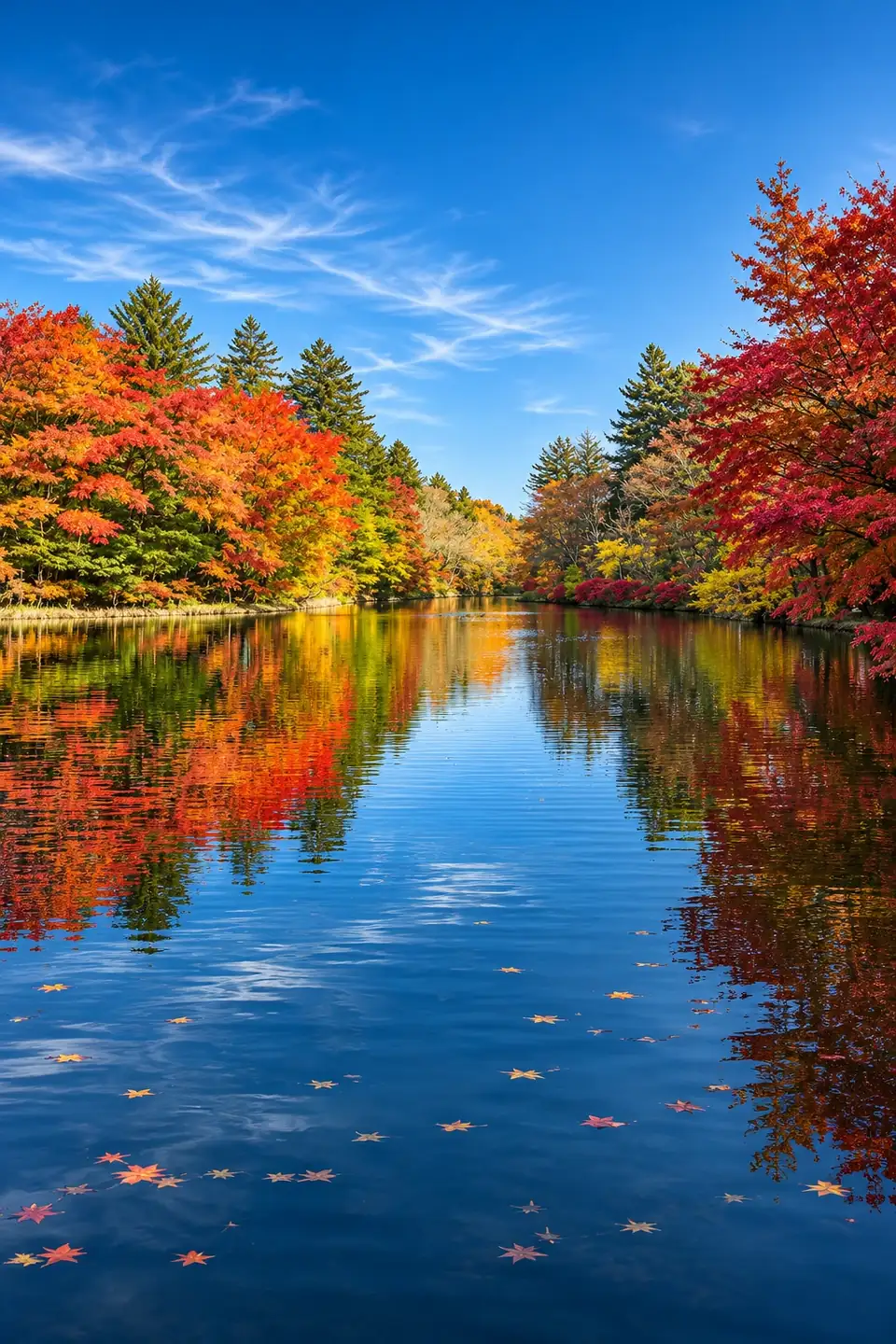
Lake Chuzenji is the largest lake in Nikko National Park and one of Japan’s most iconic high-altitude lakes. It is said to have been discovered in 782 by the pioneering monk Shodo Shonin when he reached the summit of Mount Nantai. In the late 19th century, it became a summer retreat for diplomats from Western countries, gradually developing into a resort area. The clear lake reflects the grandeur of Mount Nantai, creating an elegant and tranquil scene. Many visitors enjoy sightseeing cruises on the lake. The lakeside also features famous sites such as Kegon Falls, making it an ideal place for outdoor recreation and relaxation.
Kegon Falls
Kegon Falls is located in Nikko City, Tochigi Prefecture. It is a famous sightseeing spot. Water from Lake Chuzenji forms the Oshiri River, cutting across Mount Nantai and plunging from a height of 700 meters to create the main waterfall, which is 99 meters tall. The upper rock protrudes forward, and 12 small waterfalls flow through the crevices. Surrounded by autumn foliage, the scenery is stunning, making it the central attraction of Nikko National Park.
Kinugawa Onsen
Kinugawa Onsen is located along the Kinugawa River gorge within Nikko National Park, boasting rich and beautiful natural surroundings. Tradition holds that bathing in its waters can ease bruises and burns. It is one of the most representative and beloved hot spring tourist destinations in northern Kanto, Japan.
 AI-rendered illustration
 AI-rendered illustration
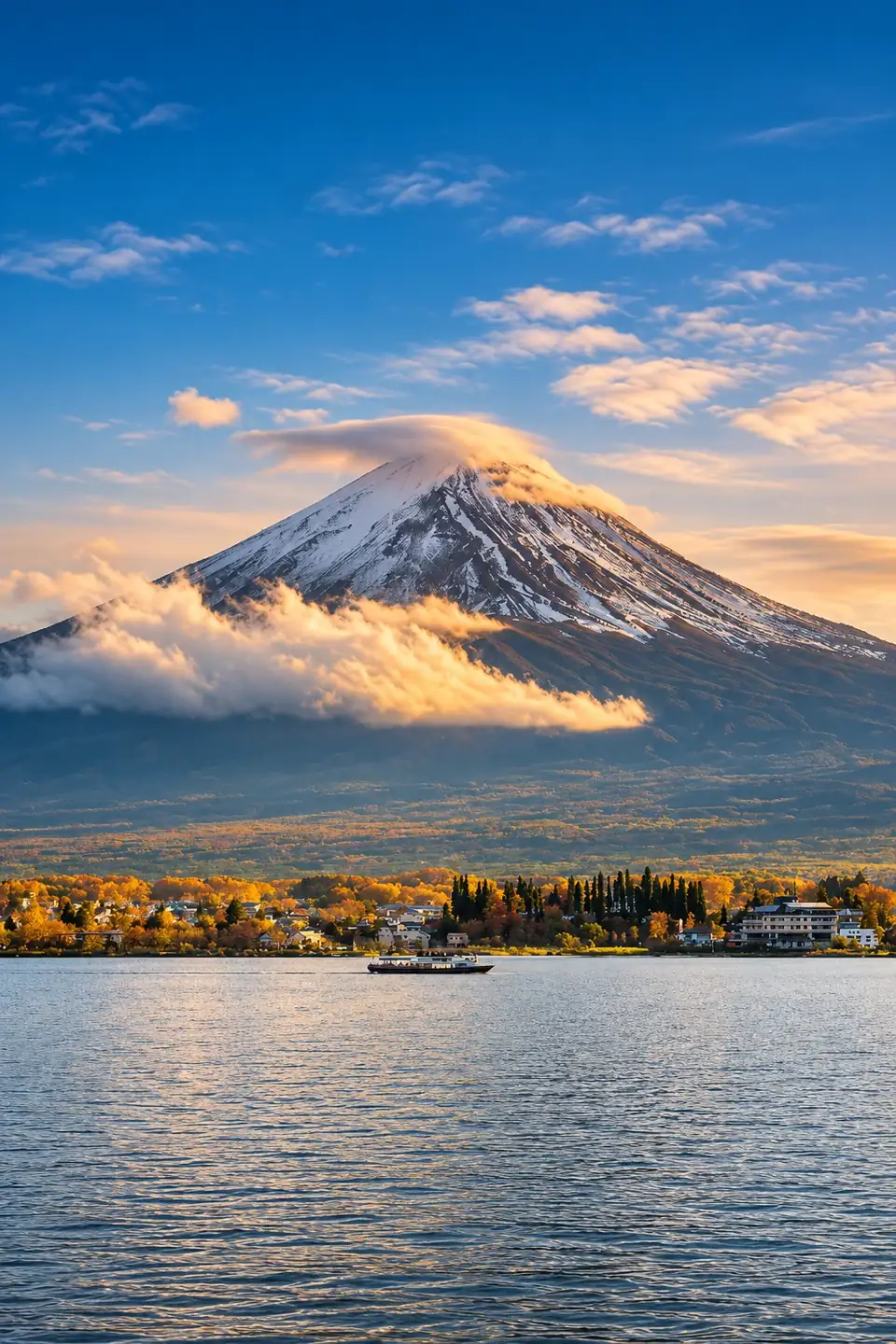 AI-rendered illustration
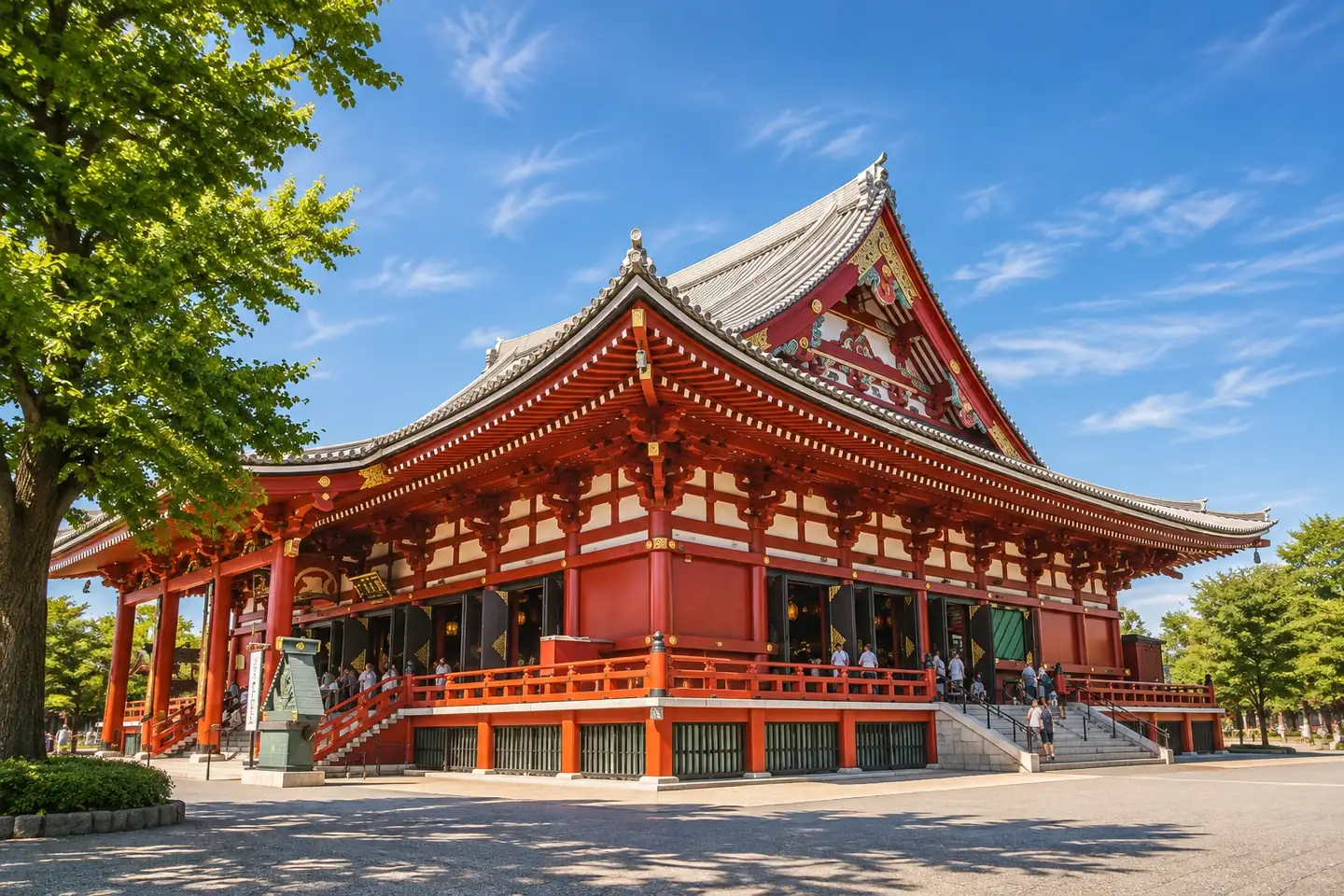 AI-rendered illustration

