Japan · 5 DAYS

Spring Cherry Blossom Tour: Kanto 5 Days

Tokyo → Ibaraki → Tochigi Prefecture → Saitama → Kawagoe

5 daysCulture & natureItinerary idea

Request this itinerary

Leave your details, and our travel specialists will get in touch by email or your preferred contact method.

Your specialist will confirm the itinerary, pricing and availability with you.

How we use your information

Your inquiry is sent to info@jasperlimo.com so our team can respond. Please do not include passport or payment details.

JOURNEY HIGHLIGHTS

Japan, made personal.

[Spring Cherry Blossom Tour: Kanto 5 Days] Time Tunnel Kawagoe Little Edo + Satte Gongendo Cherry Blossoms + Kawagoe Kita-in Temple + Hitachi Fudoki Hill + Chidorigafuchi

Day 1 starts in Tokyo → Ibaraki. International airfare is arranged separately.

    Your journey, day by day

    01

    Tokyo → Ibaraki

    Day 1 begins upon arrival in Tokyo. Local itinerary and accommodation will be scheduled based on arrival time; international departure and returning flights are excluded from this itinerary. Local route after arrival: Tokyo > Ibaraki. Airport transfers can be arranged separately, depending on the confirmed plan.

    AI-rendered illustration
    Day 1 begins upon arrival in Tokyo. Local itinerary and accommodation will be scheduled based on arrival time; international departure and returning flights are excluded from this itinerary. Local route after arrival: Tokyo > Ibaraki. Airport transfers can be arranged separately, depending on the confirmed plan.

    Breakfast: at your own expense. Lunch: at your own expense. Dinner: at your own expense.

    02

    Ibaraki → Tochigi Prefecture

    Kamiiso Torii

    Kamiiso Torii

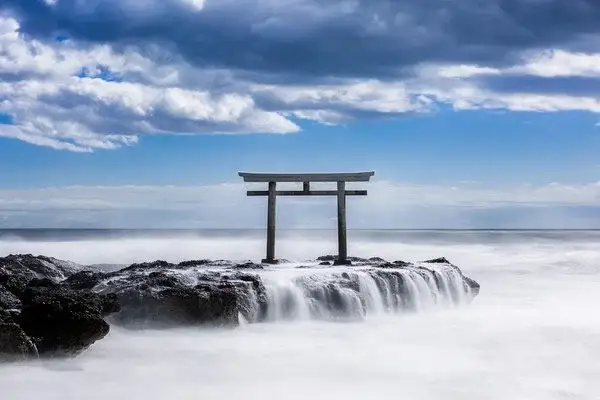
    Oarai Isosaki Shrine is a historic shrine located in Oarai town, Ibaraki Prefecture, seated on a mountain facing the Pacific Ocean. The shrine’s famous Kamiiso Torii gate stands on a rock in the sea, renowned for its stunning views at sunrise and sunset, regarded as a sacred place where heavenly gods descend.
    Hitachi Fudoki Hill

    Ishioka City holds many ancient relics over 10,000 years old and tombs from the 4th–6th centuries. Located at the edge of Ryujin Mountain, Hitachi Fudoki Hill is a historic park set up to preserve these local heritage sites for future generations. The park features reconstructed ancient sites, representative buildings from the Jomon period (c.10,000 BC to 4th century BC) through late Edo period, and the ancient Oga Lotus Pond blooming with lotus flowers from 2,000 years ago. It is also famous for seasonal flowers like cherry blossoms and lilies.

    Hitachi Seaside Park (National Park)

    The best time to view the blue nemophila flowers is mid-April to mid-May. Climbing over a small hill reveals the vast sea. Besides the 3.5-hectare nemophila field, the 200-hectare park hosts other flowers through the year: daffodils and tulips in spring, roses and zinnias from early summer to summer, and kochia and cosmos in autumn. Hitachi Seaside Park draws visitors all year round, famed for its stunning floral displays.

    03

    Tochigi Prefecture → Saitama → Kawagoe

    Gongendo Cherry Blossom embankment

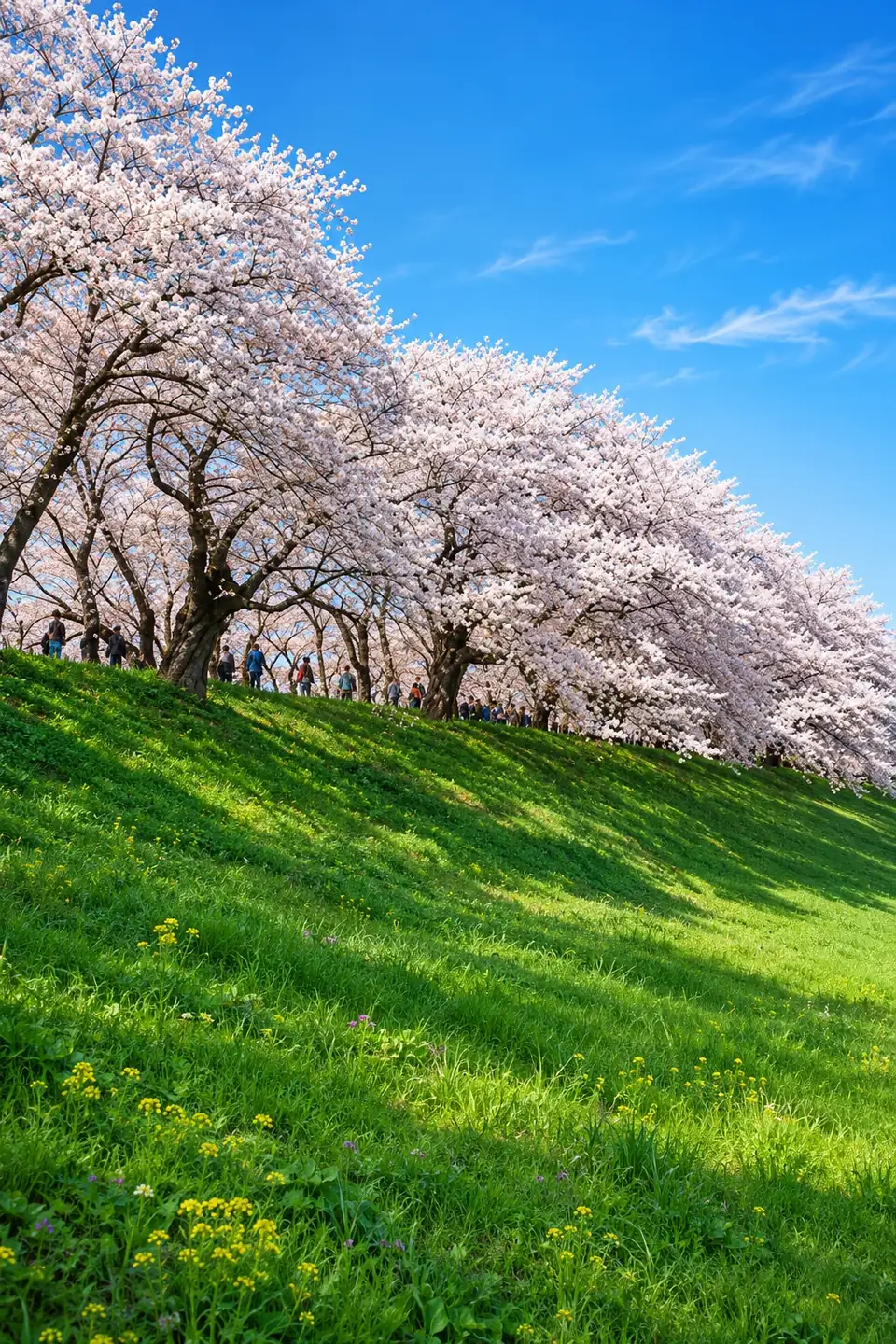
    Gongendo Park in Satte City, Saitama Prefecture, is made up of four areas, with the "Satte Gongendo Cherry Blossom Embankment" as the most famous cherry blossom viewing spot. Every spring, about 1,000 Somei Yoshino cherry trees bloom along a one-kilometer long embankment forming a tunnel of blossoms. On both sides of the embankment are vast fields of rapeseed flowers. Pink cherry blossoms, golden rapeseed fields, and blue skies blend to create a breathtaking scene.

    Kasukabe Crayon Shin-chan Amusement Hall

    "Crayon Shin-chan" is a popular Japanese anime that has been beloved since its debut in 1990. Following the recent passing of its creator Yoshito Usui, the series has again become a frequent discussion topic. Fans know that Shin-chan’s family lives in "Kasukabe," a real city near Tokyo, located in eastern Saitama Prefecture. Kasukabe is a small city with about 230,000 residents and has become well-known domestically and abroad thanks to the popularity of "Crayon Shin-chan."

    Hikawa Shrine

    Hikawa Shrine

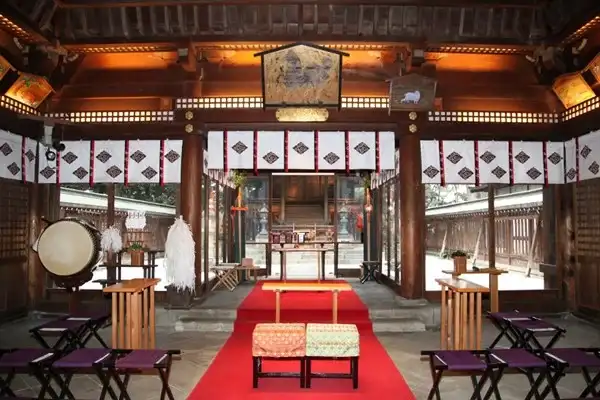
    Famous for matchmaking, Kawagoe Hikawa Shrine enshrines five gods, including two loving couples. It has become known for blessings of marital harmony and relationships. The shrine also symbolizes family harmony, as the five gods are a family. Visitors can find a variety of matchmaking charms and experience the unique 'red sea bream lottery,' where a fishing pole is used to pull out a lottery slip from inside red or pink fish-shaped holders. Red sea bream indicate ‘peace and safety,’ pink symbolize ‘longing to meet.’

    04

    Kawagoe → Tokyo

    AI-rendered illustration

    Kawagoe Ichibangai Street

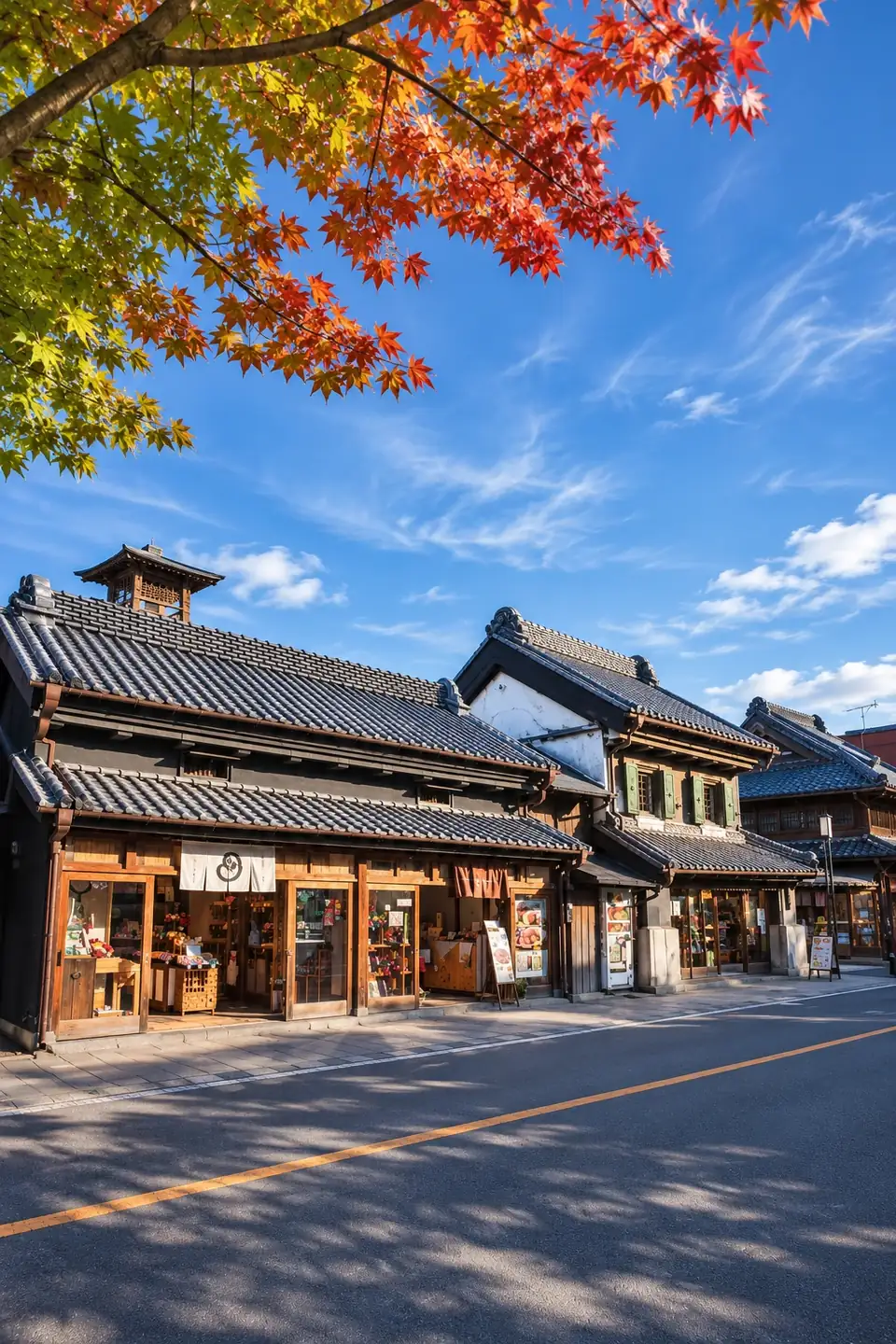
    Kawagoe flourished during the Edo period and was nicknamed "Little Edo," preserving many traditional buildings and streets untouched by war. The 'Kurazukuri' warehouse-style buildings line Ichibangai Street, the main street of Kawagoe. These historic homes are made with wooden frames and 30-centimeter-thick plaster walls. Walking this street offers a glimpse of the Edo period atmosphere from 400 years ago.

    Little Edo KawagoeAI-rendered illustration

    Little Edo Kawagoe

    Kawagoe City in Saitama Prefecture prospered as a castle town during the Edo period, with strong economic and cultural ties to Edo (Tokyo). Though its former prosperity has faded, Kawagoe has avoided excessive urban development, preserving many traditional warehouse-style buildings from the Edo era, earning it the nickname "Little Edo." Now, with a precious 400-year-old clock tower and nostalgic Taisho era streets blending east and west influences, Kawagoe offers a unique scenic experience, perfect for a weekend stroll.

    Shingashigawa River

    Behind Kawagoe Hikawa Shrine flows the Shingashigawa River, where about 500 meters of cherry trees bloom every spring, making it a famous cherry blossom spot. On weekend days in early April, the “Little Edo Kawagoe Spring Boat Tour” lets visitors enjoy cherry blossom viewing aboard a traditional boat, experiencing a refined ambiance. From the river, you see a tunnel of cherry blossoms overhead and flower petals floating like rafts on the water.

    Kita-in Temple

    Located in Kozenba-cho, Kawagoe, Kita-in Temple was established in 830 as the regional main temple of the Tendai Buddhist sect. From the 16th to 17th centuries, its notable priest was Tenkai (Master Jigen), an extraordinary figure and advisor to Tokugawa Ieyasu and his first two successors, Iemitsu and Hidetada. Tenkai is said to have lived to age 108. The temple was destroyed by fire in 1638, and Tokugawa Iemitsu ordered its reconstruction, donating parts of Edo Castle buildings. One room is said to be Iemitsu’s birthplace and remains open to visitors. Within the spacious temple grounds is Tosho-gu Shrine, dedicated for rituals concerning Tokugawa Ieyasu’s remains during reburial. Kita-in is famous for its 500 Rakan statues—actually 538 stone carvings—each with unique facial expressions, a delight to observe closely.

    Shinjuku

    Shinjuku is one of the 23 special wards of Tokyo and is among Japan’s most famous bustling commercial districts. Alongside Shibuya and Ikebukuro, it forms one of Tokyo's three major sub-centers. Shinjuku's shopping streets are vibrant and bustling, featuring the well-known entertainment district Kabukicho. Shinjuku Ni-chome is one of Japan’s largest LGBTQ+ districts, alongside Osaka's Doyama-cho. You’ll find numerous shopping spots, including the famous Isetan department store, Don Quijote discount store, Mitsukoshi, and Odakyu, perfect for avid shoppers.

    05

    Tokyo

    Scheduled attraction for the day: Chidorigafuchi Greenway. The itinerary ends locally in Tokyo; airport transfer can be arranged to suit your flight schedule. International return flights and departure dates from your origin are excluded from this itinerary.

    AI-rendered illustration

    Scheduled attraction for the day: Chidorigafuchi Greenway. The itinerary ends locally in Tokyo; airport transfer can be arranged to suit your flight schedule. International return flights and departure dates from your origin are excluded from this itinerary.

    Breakfast: at your own expense. Lunch: at your own expense. Dinner: at your own expense.

    Chidorigafuchi MoatAI-rendered illustration

    Chidorigafuchi Moat

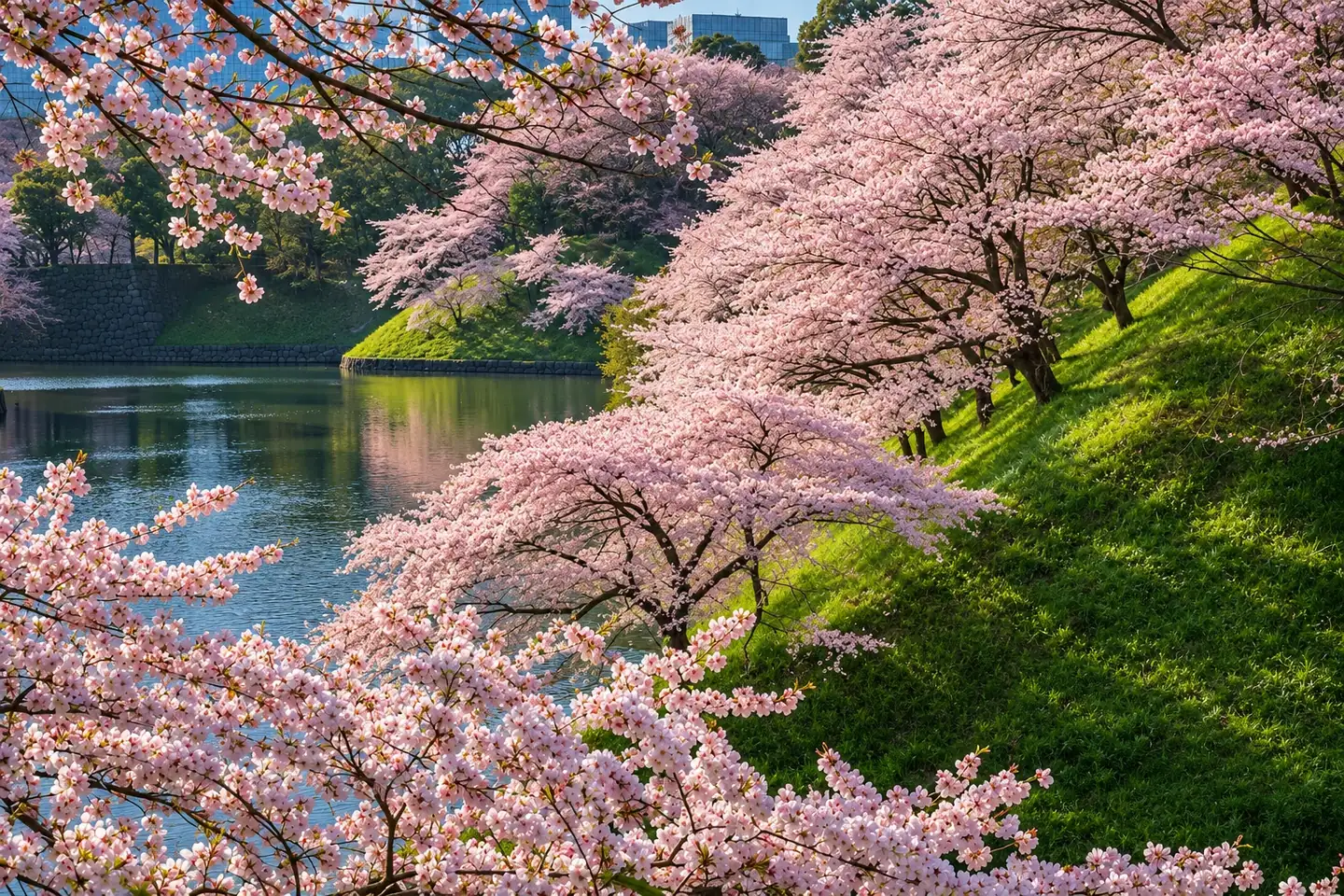
    Chidorigafuchi, located northwest of the Imperial Palace, was once a moat of Edo Castle and now ranks among Tokyo's top three cherry blossom spots along with Ueno Park and Shinjuku Gyoen. When the cherry blossoms bloom, the area is bustling with visitors. At night, the cherry blossoms are illuminated for viewing. A unique experience here is boating while admiring the cherry blossoms—a refined way to enjoy the season.

    YOUR ROUTE

    Know the shape of your journey.

    Starts in
    Tokyo
    Ends in
    Tokyo
    Local itinerary
    5 days

    A proposal shaped around you

    Use this route as a starting point. Tell us your dates, pace and accommodation preferences.

    Your quote will specify accommodation, guiding, transport, activities, meals and any optional arrangements before you book. International flights and airport transfers are discussed separately.

    TRAVEL IN COMFORT

    The right vehicle for your group.

    Toyota Alphard

    Up to 6 passengers

    Toyota HiAce

    Up to 9 passengers

    Our main touring vehicles. We recommend a vehicle based on your group size and luggage. Maximum seating capacity does not guarantee room for all bags when every seat is occupied. Vehicle availability is confirmed for your destination.

    More to discover

    Gongendo Cherry Blossom embankment

    Gongendo Park in Satte City, Saitama Prefecture, is made up of four areas, with the "Satte Gongendo Cherry Blossom Embankment" as the most famous cherry blossom viewing spot. Every spring, about 1,000 Somei Yoshino cherry trees bloom along a one-kilometer long embankment forming a tunnel of blossoms. On both sides of the embankment are vast fields of rapeseed flowers. Pink cherry blossoms, golden rapeseed fields, and blue skies blend to create a breathtaking scene.

    Hitachi Fudoki Hill

    Ishioka City holds many ancient relics over 10,000 years old and tombs from the 4th–6th centuries. Located at the edge of Ryujin Mountain, Hitachi Fudoki Hill is a historic park set up to preserve these local heritage sites for future generations. The park features reconstructed ancient sites, representative buildings from the Jomon period (c.10,000 BC to 4th century BC) through late Edo period, and the ancient Oga Lotus Pond blooming with lotus flowers from 2,000 years ago. It is also famous for seasonal flowers like cherry blossoms and lilies.

    Hitachi Seaside Park (National Park)

    The best time to view the blue nemophila flowers is mid-April to mid-May. Climbing over a small hill reveals the vast sea. Besides the 3.5-hectare nemophila field, the 200-hectare park hosts other flowers through the year: daffodils and tulips in spring, roses and zinnias from early summer to summer, and kochia and cosmos in autumn. Hitachi Seaside Park draws visitors all year round, famed for its stunning floral displays.

    Chidorigafuchi Moat

    Chidorigafuchi, located northwest of the Imperial Palace, was once a moat of Edo Castle and now ranks among Tokyo's top three cherry blossom spots along with Ueno Park and Shinjuku Gyoen. When the cherry blossoms bloom, the area is bustling with visitors. At night, the cherry blossoms are illuminated for viewing. A unique experience here is boating while admiring the cherry blossoms—a refined way to enjoy the season.

    Before you go

    This journey starts at the destination. Seasonal experiences, service inclusions and availability are confirmed with your personalized proposal.

    Original source & photography · 6renyou ↗

    Image credits and illustrations

    BEFORE YOU PLAN

    Travel planning, clearly explained.

    OpenEast brings together Japan and South Korea itinerary ideas for travelers from North America, with China also part of our destination plans. Start with the local route, then consider flights and airport transfers around it.

    When does Day 1 begin?

    Day 1 begins at the destination. International departure-only and return flight days are not counted as destination days. Plan your flights around the local itinerary dates.

    Are flights and airport transfers included?

    International flights and airport transfers are confirmed separately. Do not assume they are included in a suggested itinerary.

    Are these confirmed departures?

    These routes are itinerary ideas. Dates, hotels, admissions, seasonal activities, prices and availability need confirmation in a personalized proposal before booking.

    Can I book or send an inquiry here?

    Use the inquiry form to contact our team. A submission confirmation appears only when the email service accepts your request. An inquiry does not reserve a service or take payment.

    Explore Japan itineraries → · Explore South Korea itineraries →

    1 / 3

    Let’s plan your journey.

    [Spring Cherry Blossom Tour: Kanto 5 Days] Time Tunnel Kawagoe Little Edo + Satte Gongendo Cherry Blossoms + Kawagoe Kita-in Temple + Hitachi Fudoki Hill + Chidorigafuchi

    Leave your details, and our travel specialists will get in touch by email or your preferred contact method.

    Your specialist will confirm the itinerary, pricing and availability with you.

    How we use your information

    Your inquiry is sent to info@jasperlimo.com so our team can respond. Please do not include passport or payment details.

    Start planning