Japanese Culture + Nature Exploration: Morning private transfer to Kiyomizu-dera Temple (Conan-themed observation deck) and Ninen-zaka/Sannen-zaka streets (rent Demon Slayer-themed kimono for photos). Lunch at Otono Kiyomizu (Yudofu tofu cuisine), with a 300-year history and garden views. Afternoon activities include the Sagano Scenic Railway (open car no. 5 with Hozu Gorge early summer greens), bamboo forest path, Togetsukyo Bridge, and Kifune Shrine (water fortune slip & green maple secret spot, beautiful in May). Dinner at Kifune riverbed dining (Hirobun), available May to September, including a flowing cold noodle experience.
Breakfast: at the hotel. Lunch: at your own expense. Dinner: at your own expense.
 AI-rendered illustration
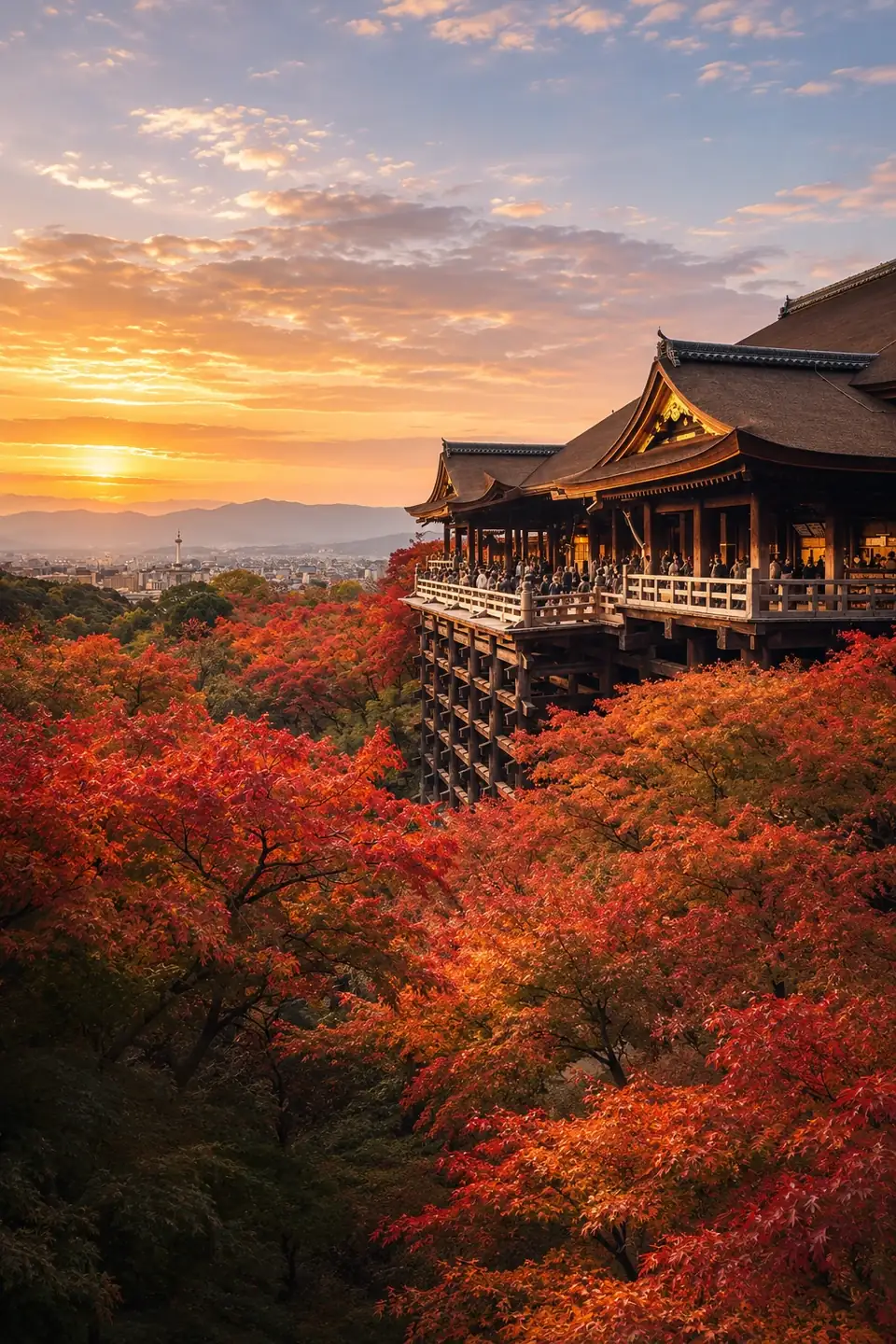
Kiyomizu-dera in Autumn
Founded in 778 in Kyoto's Higashiyama district, Kiyomizu-dera occupies extensive grounds and has been rebuilt several times after fires. Its projecting wooden stage is part of the National Treasure main hall. Trees surround the temple, bringing seasonal color, including spring cherry blossoms and autumn foliage.
Ninenzaka & Sannenzaka
Ninenzaka and Sannenzaka are historic lanes in Kyoto lined with old wooden buildings and traditional shops. Ninenzaka is said to date to 807. These streets connect the area around Kiyomizu-dera with Nene-no-Michi and Kodai-ji.
Sagano Bamboo Grove
The Sagano Bamboo Grove is a well-known walking area in Arashiyama, Kyoto. Tall bamboo surrounds the paths, creating a quiet, distinctive atmosphere. Nearby riverside scenery and Togetsukyo Bridge complete a visit to the area, with colorful foliage on the surrounding hills in autumn.
Togetsukyo Bridge
Togetsukyo spans the Katsura River in Kyoto, linking the Sagano and Arashiyama areas. The bridge carries both pedestrians and vehicles. Cherry trees along the river provide a scenic spring setting, and nearby walking paths lead into Arashiyama Park.
Kifune Shrine
Kifune is an ancient shrine north of Kyoto, near the western slopes of Mount Kurama. Its exact founding date is uncertain, and it has long been associated with the protection of water and forests. The Heian-period poet Izumi Shikibu is said to have prayed here for her husband's affection to return, contributing to the shrine's reputation for relationship blessings.
 AI-rendered illustration
 AI-rendered illustration
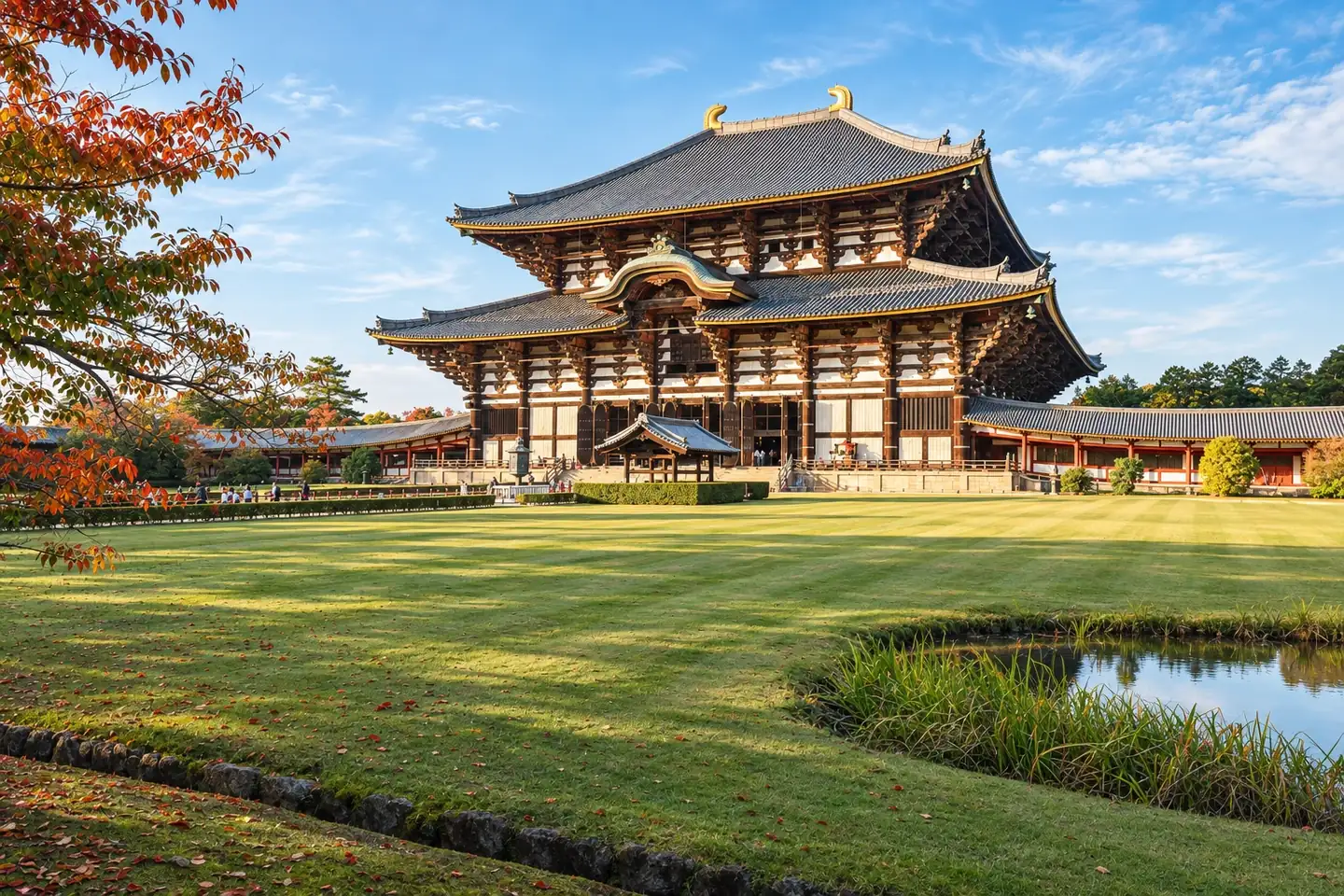 AI-rendered illustration
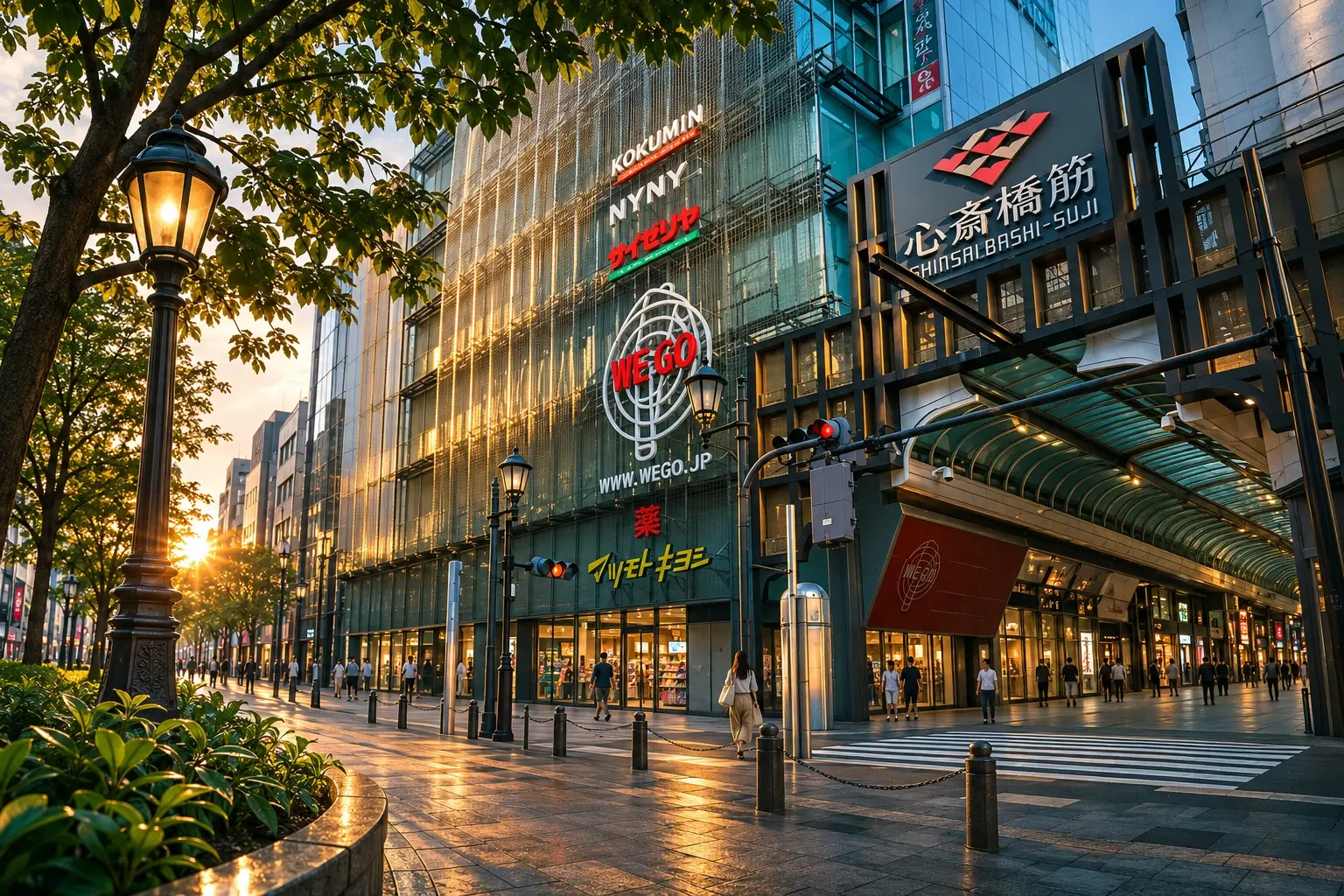 AI-rendered illustration

