Oginehara Observatory
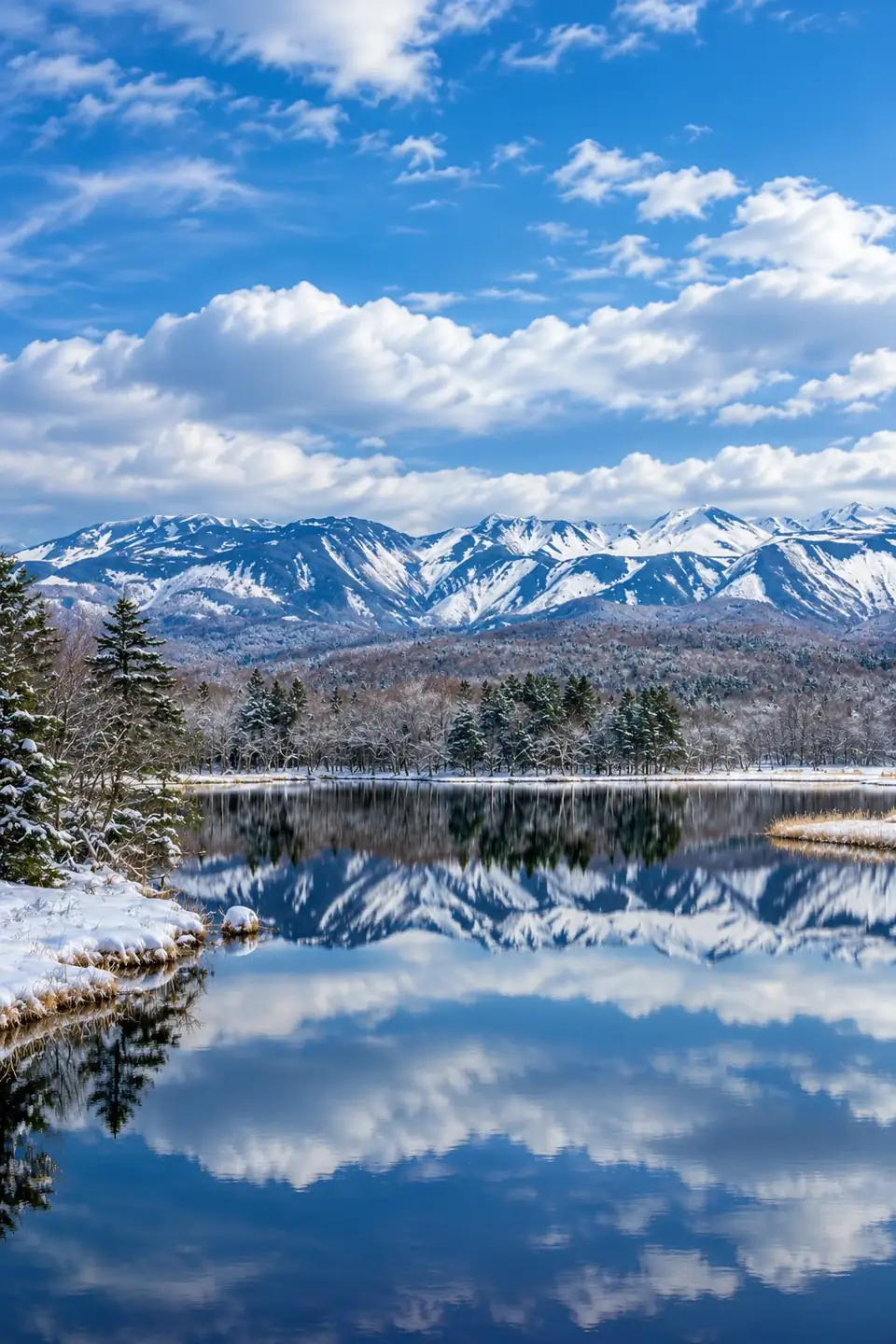
At Oginehara Observatory, clear weather reveals panoramic views of the Hidaka Mountains.
Japan · 7 DAYS
Sapporo → Obihiro → Kushiro → Shiretoko → Abashiri → Asahikawa → Biei → Furano
JOURNEY HIGHLIGHTS
Off-Season Travel: Shiretoko Peninsula’s Natural Beauty in Eastern Hokkaido - Home of the Red-Crowned Crane, One of Japan’s Three Great Sunsets, and the Wild Ends of Shiretoko Peninsula
Day 1 starts in Sapporo → Obihiro. International airfare is arranged separately.
Day 1 counts from arrival in Sapporo. Local itinerary and accommodation arranged according to actual arrival times; international departure locations and cross-border flights are not included in this itinerary. Local route upon arrival: Sapporo > Obihiro. Airport transfers can be arranged separately; inclusion subject to plan confirmation.
 AI-rendered illustration
Day 1 counts from arrival in Sapporo. Local itinerary and accommodation arranged according to actual arrival times; international departure locations and cross-border flights are not included in this itinerary. Local route upon arrival: Sapporo > Obihiro. Airport transfers can be arranged separately; inclusion subject to plan confirmation.
Breakfast: at your own expense. Lunch: at your own expense. Dinner: at your own expense.
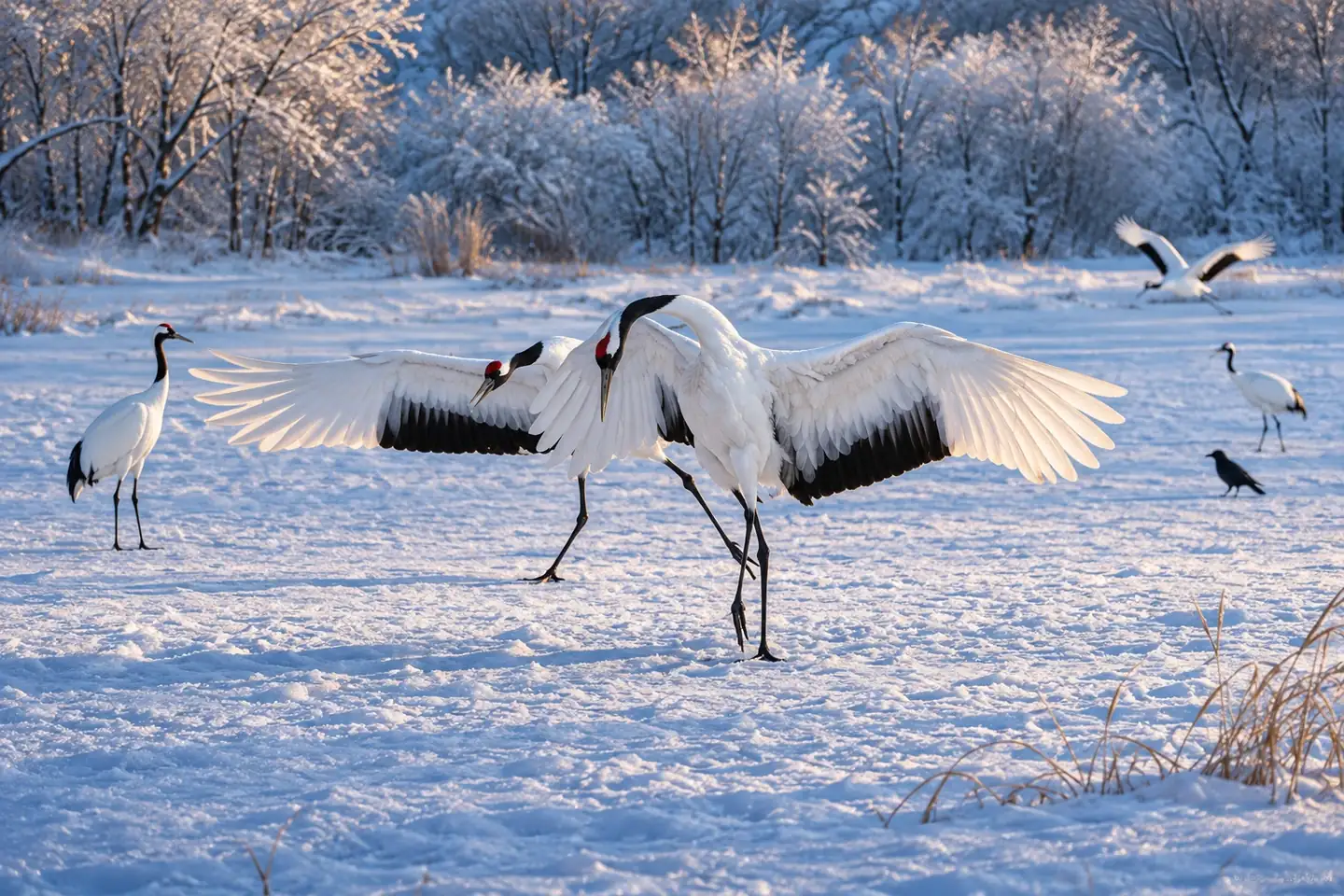
After hotel breakfast, visit Oginehara Observatory; on clear days, view the Hidaka mountain range. Then proceed to Kushiro: - Red-Crowned Crane Nature Park. The Ainu people regard the red-crowned crane as the 'God of the Marsh'. To protect this once critically endangered bird due to overhunting, the park was established in 1958. - Kushiro Marsh, Japan’s largest wetland and a designated National Natural Monument, teeming with rich ecosystems and rare wildlife, often called a real-life “Wizard of Oz.” - Nusamai Bridge, a famed Kushiro sunset spot overlooking the Pacific Ocean, recognized as one of the world’s top three sunset viewing locations.
 AI-rendered illustration
After hotel breakfast, visit Oginehara Observatory; on clear days, view the Hidaka mountain range. Then proceed to Kushiro: - Red-Crowned Crane Nature Park. The Ainu people regard the red-crowned crane as the 'God of the Marsh'. To protect this once critically endangered bird due to overhunting, the park was established in 1958. - Kushiro Marsh, Japan’s largest wetland and a designated National Natural Monument, teeming with rich ecosystems and rare wildlife, often called a real-life “Wizard of Oz.” - Nusamai Bridge, a famed Kushiro sunset spot overlooking the Pacific Ocean, recognized as one of the world’s top three sunset viewing locations.
Breakfast: at your own expense. Lunch: at your own expense. Dinner: at your own expense.
At Oginehara Observatory, clear weather reveals panoramic views of the Hidaka Mountains.
AI-rendered illustrationKushiro City's Red-Crowned Crane Nature Park, located in Hokkaido's Kushiro, is a zoo themed around the red-crowned crane. Covering 96,000 square meters, it is an annex of Kushiro City Zoo and is currently managed by the Kushiro City Park Greening Association.
Located in Kushiro Marsh National Park, Kushiro Marsh bursts with wildflowers in summer, and is visited by red-crowned cranes in winter. Between April and October, you can ride the Kushiro Marsh train to enjoy the scenery or disembark at Kushiro Marsh Station and walk 20 minutes to the marsh observatory for vast views. Several lookouts dot the nearby hills, with Hosooka Observatory being the best vantage point. A walking trail named 'Tansho Road' lets visitors stroll through the marsh.
Kushiro Wetlands, located north of Kushiro City in eastern Hokkaido, is Japan’s first wetland registered under the Ramsar Convention on wetlands of international importance. Covering 183 square kilometers, it is vast and home to over 2,000 species of plants and animals including Hokkaido deer (Ezo deer) and white-tailed eagles. In summer, wildflowers bloom in abundance, and in winter, the protected red-crowned cranes visit.
Spanning the Kushiro River, Nusamai Bridge is a landmark known alongside Sapporo’s Toyohira Bridge and Asahikawa’s Asahi Bridge as one of Hokkaido’s three famous bridges. The bridge railings feature four female statues representing the four seasons. It offers a renowned spot to watch the sun set over the Pacific Ocean.
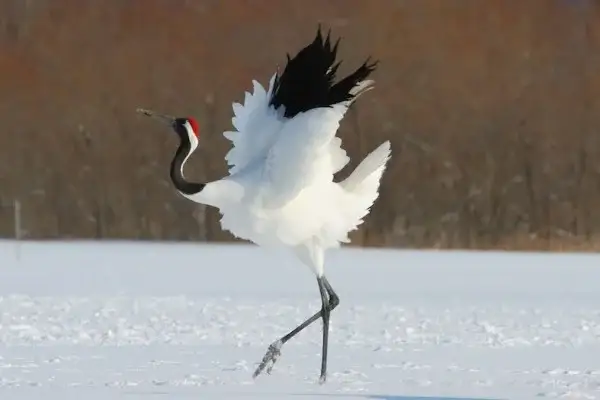
After a free breakfast, visit Tsurui Village on Hokkaido’s east side, a small village surrounded by Kushiro Marsh known for its natural red-crowned crane habitat, the village's symbolic bird adding unique allure. Then proceed to Lake Kussharo, one of Japan’s larger volcanic caldera lakes. The floating Nakajima Island is the largest freshwater island in Japan, offering camping, speed boating, and surfing, making it a popular retreat. Next, explore Akan National Park, one of Hokkaido’s oldest parks alongside Daisetsuzan National Park, covered largely by primeval forest and home to Hokkaido’s three most famous lakes: Akan, Kussharo, and Mashu.
After a free breakfast, visit Tsurui Village on Hokkaido’s east side, a small village surrounded by Kushiro Marsh known for its natural red-crowned crane habitat, the village's symbolic bird adding unique allure. Then proceed to Lake Kussharo, one of Japan’s larger volcanic caldera lakes. The floating Nakajima Island is the largest freshwater island in Japan, offering camping, speed boating, and surfing, making it a popular retreat. Next, explore Akan National Park, one of Hokkaido’s oldest parks alongside Daisetsuzan National Park, covered largely by primeval forest and home to Hokkaido’s three most famous lakes: Akan, Kussharo, and Mashu.
Breakfast: at your own expense. Lunch: at your own expense. Dinner: at your own expense.
Tsurui Village is renowned for its strong conservation efforts protecting the rare red-crowned crane. Each migration season, numerous visitors from Japan and abroad gather at its two major feeding stations, Tsurumidai and Ito Red-Crowned Crane Protection Zone, to witness the cranes' elegant dances. Surrounded by the scenic landscape year-round, Tsurui Village borders Kushiro Shitsugen National Park, the natural summer habitat of the cranes.
Lake Kussharo is a beautiful caldera lake in Akan National Park. With a circumference of 57 km, it is the largest lake in the park. Visitors can enjoy various outdoor activities such as fishing, hiking, kayaking, and cycling around the lake. A unique aspect is the presence of several natural outdoor hot springs (rotenburo) along the lakeshore, which are free to use and, unlike most Japanese hot springs, require wearing swimsuits. Note that some bathing areas may appear less clean. There is also a beach made of natural hot sand heated by geothermal sources.
Akan National Park is a mountainous park formed by volcanoes including Mount Meakan, Mount Oakan, and Akan-Fuji. Located in eastern Hokkaido, it centers around three volcanic lakes: Lake Akan, Lake Kussharo, and Lake Mashu. The scenery is majestic with abundant hot springs and is quite popular. Because it lies inland, it experiences significant temperature variation in one day. Even when daytime temperatures reach 30°C in summer, nights can fall below 10°C with radiative cooling often creating a sea of clouds. In winter, you can see frost-covered trees and sparkling ice beads formed from air moisture.
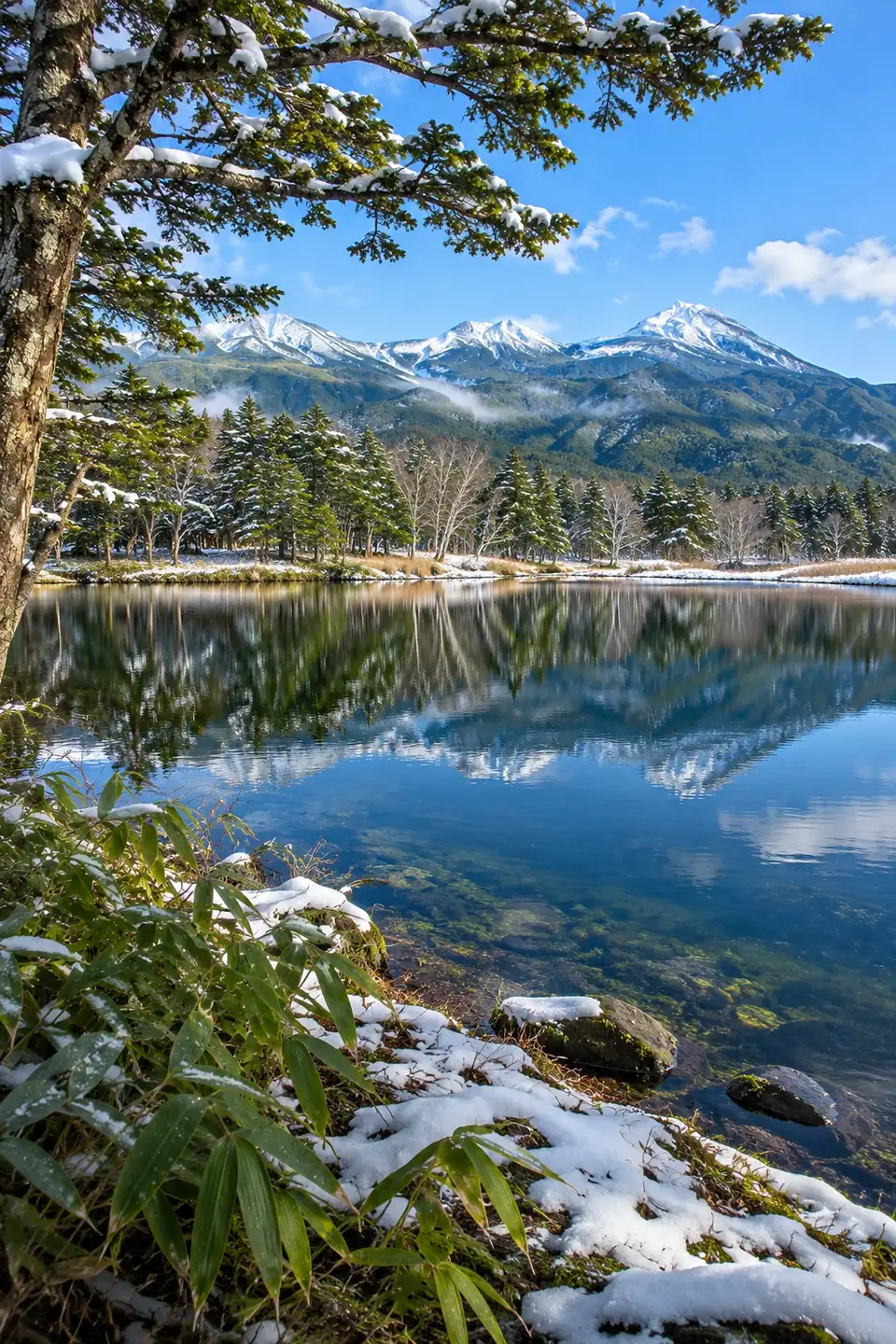
After a free breakfast, head to Shiretoko National Park located between the rugged northern mountains and cliffs of the Shiretoko Peninsula, a UNESCO World Heritage Site. From spring to autumn, enjoy serene views of the Five Lakes (collectively "Shiretoko Five Lakes"), follow hiking trails to hidden waterfalls, or take a nature cruise from Utoro port. The Shiretoko Five Lakes are a group of five volcanic barrier lakes nestled within forests in Shari Town, Hokkaido. They are a key sightseeing spot on the peninsula, surrounded by beautiful scenery. Walking along lakeside paths offers intimate encounters with nature and opportunities to see deer.
 AI-rendered illustration
After a free breakfast, head to Shiretoko National Park located between the rugged northern mountains and cliffs of the Shiretoko Peninsula, a UNESCO World Heritage Site. From spring to autumn, enjoy serene views of the Five Lakes (collectively "Shiretoko Five Lakes"), follow hiking trails to hidden waterfalls, or take a nature cruise from Utoro port. The Shiretoko Five Lakes are a group of five volcanic barrier lakes nestled within forests in Shari Town, Hokkaido. They are a key sightseeing spot on the peninsula, surrounded by beautiful scenery. Walking along lakeside paths offers intimate encounters with nature and opportunities to see deer.
Breakfast: at your own expense. Lunch: at your own expense. Dinner: at your own expense.
Shiretoko National Park is a UNESCO World Heritage Site. Ancient volcanic mountain ranges extend to the deep blue sea, hiding stunning waterfalls, clear lakes, pristine forests, and diverse wildlife.
AI-rendered illustrationThe Shiretoko Five Lakes are five lakes located within the Iwaobetsu Great Forest, the most popular scenic attraction on the Shiretoko Peninsula. Surrounded by primeval forest, they offer views of the Shiretoko Mountains, wildlife, and birds. The lakes are naturally formed basins fed entirely by underground springs, with no inflowing or outflowing rivers. A 3 km hiking trail circles the lakes, taking about 2 hours. About a 10-minute walk from the parking area brings you to an observation deck with panoramic views. Trail conditions and routes can be confirmed in advance at the Shiretoko Nature Center near the Furepe Falls entrance.
After a free breakfast, visit the Okhotsk Ryuhyo Museum, a science museum focused on drift ice. The facility includes an experience room at minus 15 degrees Celsius featuring massive blocks of real drift ice, allowing visitors year-round to feel the cold and chill of the ice drift. Proceed to Ubaranai Coral Grass located near Lake Notoro in Abashiri, Hokkaido. The best viewing period is mid-September to mid-October, especially at sunset (5:00-5:30 pm), when the coral grass glows bright red—the sight is stunning. Visit Kitahama Station, an unmanned JR Hokkaido Senmo Main Line station near the sea, known for its cozy atmosphere. Enjoy local specialty ramen at Asahikawa Ramen Village.

After a free breakfast, visit the Okhotsk Ryuhyo Museum, a science museum focused on drift ice. The facility includes an experience room at minus 15 degrees Celsius featuring massive blocks of real drift ice, allowing visitors year-round to feel the cold and chill of the ice drift. Proceed to Ubaranai Coral Grass located near Lake Notoro in Abashiri, Hokkaido. The best viewing period is mid-September to mid-October, especially at sunset (5:00-5:30 pm), when the coral grass glows bright red—the sight is stunning. Visit Kitahama Station, an unmanned JR Hokkaido Senmo Main Line station near the sea, known for its cozy atmosphere. Enjoy local specialty ramen at Asahikawa Ramen Village.
Breakfast: at your own expense. Lunch: at your own expense. Dinner: at your own expense.
The Okhotsk Ryuhyo Museum is a drift ice science museum. It features a -15°C cold room with large real drift ice blocks, allowing visitors to experience the freezing cold all year. The theater uses three large screens to display 3D images of Okhotsk's four seasons. Visitors can also operate a drift ice sightseeing icebreaker simulator to experience breaking through drift ice.
Autumn beauty of Japan’s largest coral grass colony, coloring the shore of Lake Notoro bright red.
Kitahama Station is a railway station operated by Hokkaido Railway Company located in Abashiri, Hokkaido. It is an unmanned station on the Senmō Main Line, administratively managed by Shiretoko Shari Station under JR Hokkaido's Kushiro Branch.
Asahikawa Ramen Village is home to many ramen shops clustered together, making it a ramen destination rather than a single restaurant. Each shop specializes in authentic Asahikawa ramen with distinctive features, all busy and popular. The noodles are slightly curly but firm and chewy, paired with a nutritious broth made from rich bone stock.
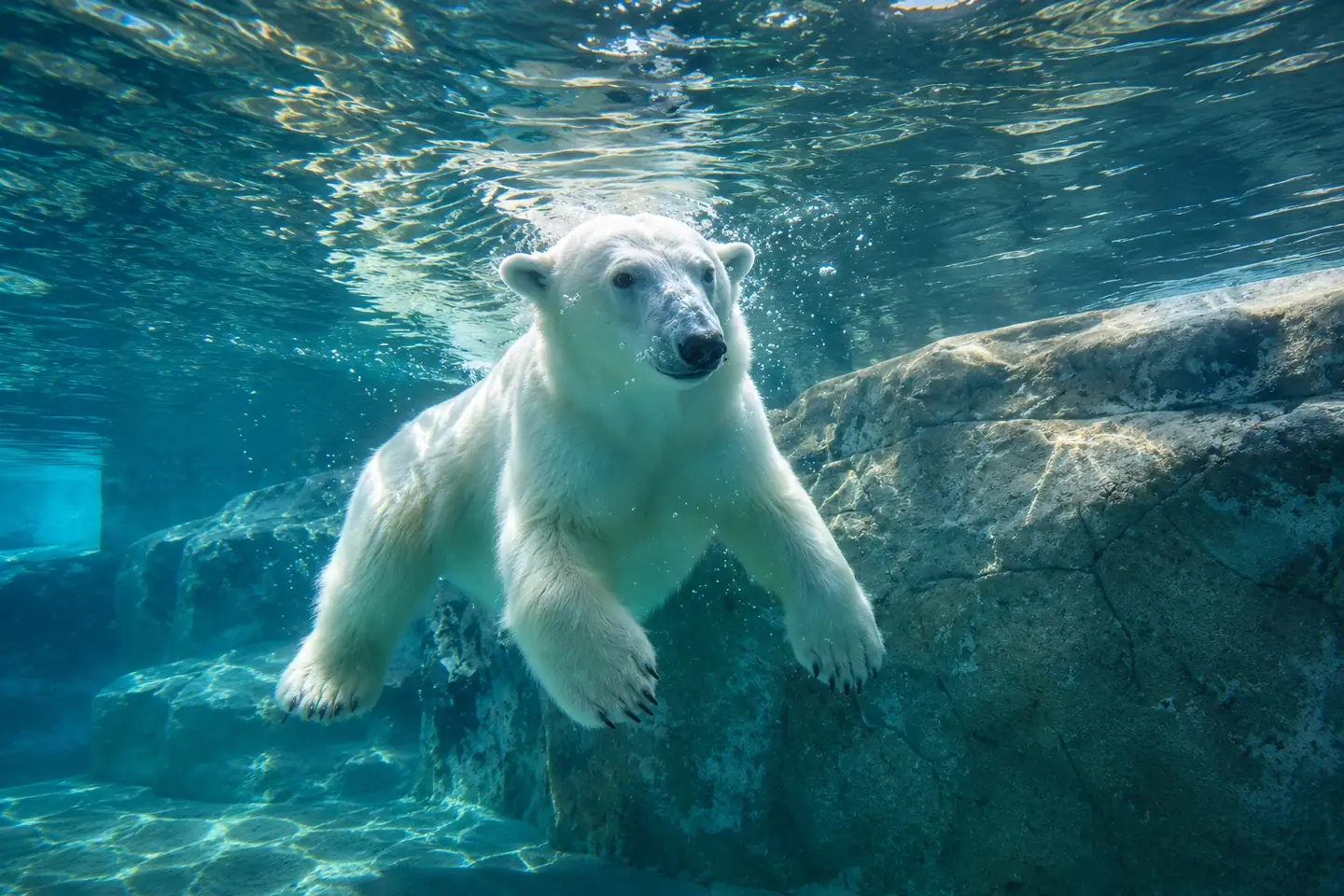
After a free breakfast, visit Asahiyama Zoo, Japan's northernmost zoo and the largest polar animal zoo in the country, famous for its unique animal behavioral displays. Continue to Biei Blue Pond in Biei Town, a must-see Instagram hotspot for Hokkaido travelers. Then visit Furano Forest Elf Terrace, a real-life “fairy forest” perfect for photos and exploration. Legend says elves just 15 cm tall live here, making the terrace feel like a portal into a fairy tale world. At night, illuminated lights enhance Furano's dreamy and gentle atmosphere.
 AI-rendered illustration
After a free breakfast, visit Asahiyama Zoo, Japan's northernmost zoo and the largest polar animal zoo in the country, famous for its unique animal behavioral displays. Continue to Biei Blue Pond in Biei Town, a must-see Instagram hotspot for Hokkaido travelers. Then visit Furano Forest Elf Terrace, a real-life “fairy forest” perfect for photos and exploration. Legend says elves just 15 cm tall live here, making the terrace feel like a portal into a fairy tale world. At night, illuminated lights enhance Furano's dreamy and gentle atmosphere.
Breakfast: at your own expense. Lunch: at your own expense. Dinner: at your own expense.
AI-rendered illustrationAs Japan’s northernmost and largest polar animal zoo, Asahiyama Zoo is famous for its distinctive animal behavior displays. Its unique design lets animals exhibit natural behaviors in near-natural habitats, while visitors observe unobstructed views, especially through glass aquariums to watch polar bears, seals, and hippos swimming, and penguins strolling outdoors on the snow in winter.
Blue Pond is a surprising natural wonder near Biei town. Created unintentionally when a dam was built to prevent mudflows during the eruption of Mt. Tokachi. The pond's water, sourced from Shirahige Falls, contains minerals that cause vivid turquoise, aquamarine, and cobalt blue colors. Its appearance varies with seasons, weather, and light conditions.
Ningle Terrace, designed by Japanese author Sō Kuramoto, is a shopping street nestled in Furano’s forest. Surrounded by dense trees, wooden walkways lead to a dozen log cabin-style craft shops. Products are locally made, inspired by Furano’s nature, offering unique souvenirs and accessories with regional character.
Enjoy free time as your departure schedule allows. The itinerary ends locally in Sapporo. An airport transfer can be arranged upon request according to flight details. International return flights and the day you arrive home are not included in this itinerary.
AI-rendered illustrationEnjoy free time as your departure schedule allows. The itinerary ends locally in Sapporo. An airport transfer can be arranged upon request according to flight details. International return flights and the day you arrive home are not included in this itinerary.
Breakfast: at your own expense. Lunch: at your own expense. Dinner: at your own expense.
YOUR ROUTE
Use this route as a starting point. Tell us your dates, pace and accommodation preferences.
Your quote will specify accommodation, guiding, transport, activities, meals and any optional arrangements before you book. International flights and airport transfers are discussed separately.
TRAVEL IN COMFORT
Up to 6 passengers

Up to 9 passengers

Our main touring vehicles. We recommend a vehicle based on your group size and luggage. Maximum seating capacity does not guarantee room for all bags when every seat is occupied. Vehicle availability is confirmed for your destination.
Kushiro City's Red-Crowned Crane Nature Park, located in Hokkaido's Kushiro, is a zoo themed around the red-crowned crane. Covering 96,000 square meters, it is an annex of Kushiro City Zoo and is currently managed by the Kushiro City Park Greening Association.
Kushiro Wetlands, located north of Kushiro City in eastern Hokkaido, is Japan’s first wetland registered under the Ramsar Convention on wetlands of international importance. Covering 183 square kilometers, it is vast and home to over 2,000 species of plants and animals including Hokkaido deer (Ezo deer) and white-tailed eagles. In summer, wildflowers bloom in abundance, and in winter, the protected red-crowned cranes visit.
Tsurui Village is renowned for its strong conservation efforts protecting the rare red-crowned crane. Each migration season, numerous visitors from Japan and abroad gather at its two major feeding stations, Tsurumidai and Ito Red-Crowned Crane Protection Zone, to witness the cranes' elegant dances. Surrounded by the scenic landscape year-round, Tsurui Village borders Kushiro Shitsugen National Park, the natural summer habitat of the cranes.
Akan National Park is a mountainous park formed by volcanoes including Mount Meakan, Mount Oakan, and Akan-Fuji. Located in eastern Hokkaido, it centers around three volcanic lakes: Lake Akan, Lake Kussharo, and Lake Mashu. The scenery is majestic with abundant hot springs and is quite popular. Because it lies inland, it experiences significant temperature variation in one day. Even when daytime temperatures reach 30°C in summer, nights can fall below 10°C with radiative cooling often creating a sea of clouds. In winter, you can see frost-covered trees and sparkling ice beads formed from air moisture.
Shiretoko National Park is a UNESCO World Heritage Site. Ancient volcanic mountain ranges extend to the deep blue sea, hiding stunning waterfalls, clear lakes, pristine forests, and diverse wildlife.
Autumn beauty of Japan's largest coral grass colony The shores of Lake Notoro turn a vibrant red.
Blue Pond is a surprising natural wonder near Biei town. Created unintentionally when a dam was built to prevent mudflows during the eruption of Mt. Tokachi. The pond's water, sourced from Shirahige Falls, contains minerals that cause vivid turquoise, aquamarine, and cobalt blue colors. Its appearance varies with seasons, weather, and light conditions.
The Shiretoko Five Lakes are five lakes located within the Iwaobetsu Great Forest, the most popular scenic attraction on the Shiretoko Peninsula. Surrounded by primeval forest, they offer views of the Shiretoko Mountains, wildlife, and birds. The lakes are naturally formed basins fed entirely by underground springs, with no inflowing or outflowing rivers. A 3 km hiking trail circles the lakes, taking about 2 hours. About a 10-minute walk from the parking area brings you to an observation deck with panoramic views. Trail conditions and routes can be confirmed in advance at the Shiretoko Nature Center near the Furepe Falls entrance.
This journey starts at the destination. Seasonal experiences, service inclusions and availability are confirmed with your personalized proposal.
Original source & photography · 6renyou ↗BEFORE YOU PLAN
OpenEast brings together Japan and South Korea itinerary ideas for travelers from North America, with China also part of our destination plans. Start with the local route, then consider flights and airport transfers around it.
Day 1 begins at the destination. International departure-only and return flight days are not counted as destination days. Plan your flights around the local itinerary dates.
International flights and airport transfers are confirmed separately. Do not assume they are included in a suggested itinerary.
These routes are itinerary ideas. Dates, hotels, admissions, seasonal activities, prices and availability need confirmation in a personalized proposal before booking.
Use the inquiry form to contact our team. A submission confirmation appears only when the email service accepts your request. An inquiry does not reserve a service or take payment.
Explore Japan itineraries → · Explore South Korea itineraries →