Japan · 7 DAYS

Theme Parks & Culture: 7-Day Nagoya and Osaka Tour

Nagoya → Kyoto → Nara → Osaka

7 daysFamilyItinerary idea

Request this itinerary

Leave your details, and our travel specialists will get in touch by email or your preferred contact method.

Your specialist will confirm the itinerary, pricing and availability with you.

How we use your information

Your inquiry is sent to info@jasperlimo.com so our team can respond. Please do not include passport or payment details.

JOURNEY HIGHLIGHTS

Japan, made personal.

Theme Park Highlights: 7-Day Nagoya & Osaka Tour including Ghibli Park, Universal Studios, Legoland, Traditional Ink-Making & Tanuki Valley Fudo-in Temple

Day 1 starts in Nagoya. International airfare is arranged separately.

    Your journey, day by day

    01

    Nagoya

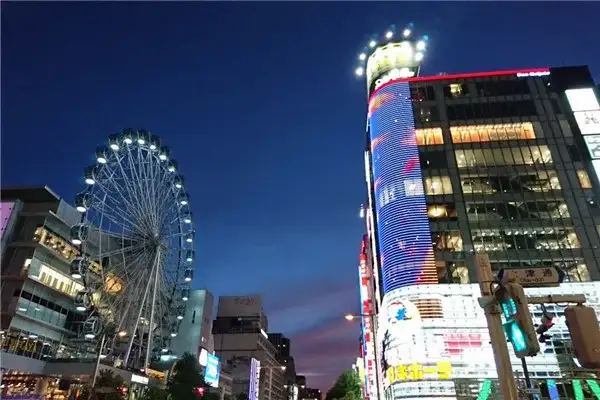
    Day 1 counts from arrival in Nagoya. Your local activities and hotel check-in will be arranged based on actual arrival time; international flights are not included. Planned attraction for the day: Sakae area; adjusted according to arrival time. Airport transfers may be arranged separately; inclusion subject to final proposal confirmation.

    Day 1 counts from arrival in Nagoya. Your local activities and hotel check-in will be arranged based on actual arrival time; international flights are not included. Planned attraction for the day: Sakae area; adjusted according to arrival time. Airport transfers may be arranged separately; inclusion subject to final proposal confirmation.

    Breakfast: at your own expense. Lunch: at your own expense. Dinner: at your own expense.

    Sakae

    Sakae

    Sakae Shopping District is Nagoya’s most famous shopping area, featuring a vast underground mall integrating dining, shopping, and entertainment. Malls like Sunshine Sakae, Lachic, and Matsuzakaya Main Store line the streets offering a wide variety of goods for an enjoyable shopping experience. About two kilometers away at Nagoya Station, the JR Central Twin Towers also offer shopping and leisure opportunities.

    02

    Nagoya

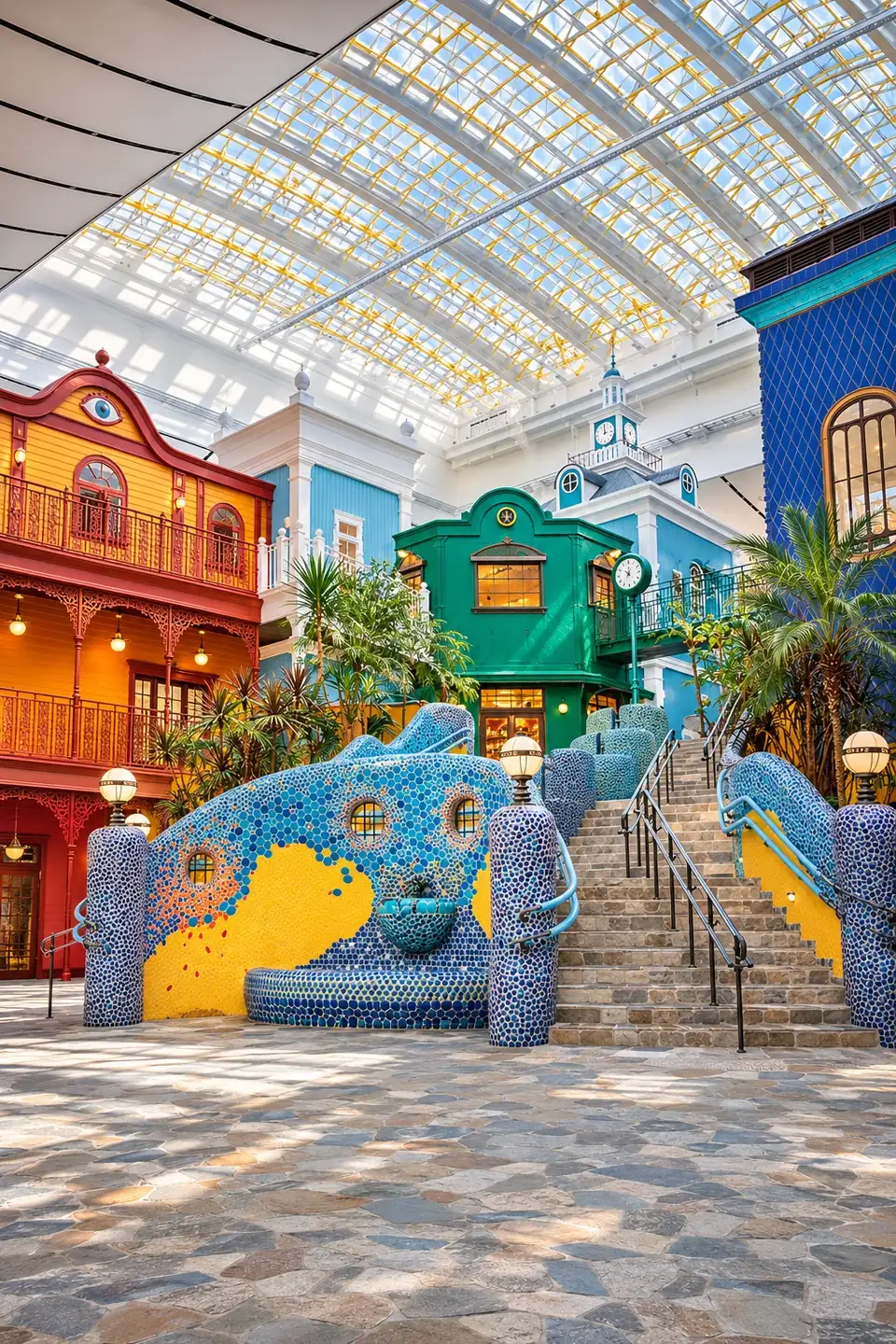
    After a free breakfast, spend the entire day enjoying Ghibli Park. Highlights of Ghibli Park's five zones include: Each zone is themed around Miyazaki Hayao's classic works, presenting the magical worlds from these animations. You can see beloved characters like Totoro, No-Face, and Yubaba. Walking through the park feels like becoming the main character in the films, embarking on adventures with these cute characters. Ghibli Warehouse: Exhibits all Ghibli works, including open storage, three special exhibitions, a children’s town, Catbus house, café, and shop. Youth Hill: Combines 19th-century architectural styles from “Howl’s Moving Castle” and “Whisper of the Heart,” including the Cat Post Office and “Earth House” antique shop from “Whisper of the Heart.” Dondoko Forest: Named after the sprouting prayer dance in “My Neighbor Totoro,” it contains two scenic spots and two shops; “Satsuki and Mei’s house” is a must-visit. Ghost Village: Inspired by the Japanese mountain village in “Princess Mononoke,” featuring a hands-on learning center, slides, and characters from the animation. Witch Valley: Themed on witch-related films like “Kiki’s Delivery Service,” “Howl’s Moving Castle,” and “The Cat Returns.” “Howl’s Moving Castle” stands 16 meters tall; classic elements like magic books and fried bacon are faithfully recreated.
    AI-rendered illustration

    After a free breakfast, spend the entire day enjoying Ghibli Park. Highlights of Ghibli Park's five zones include: Each zone is themed around Miyazaki Hayao's classic works, presenting the magical worlds from these animations. You can see beloved characters like Totoro, No-Face, and Yubaba. Walking through the park feels like becoming the main character in the films, embarking on adventures with these cute characters. Ghibli Warehouse: Exhibits all Ghibli works, including open storage, three special exhibitions, a children’s town, Catbus house, café, and shop. Youth Hill: Combines 19th-century architectural styles from “Howl’s Moving Castle” and “Whisper of the Heart,” including the Cat Post Office and “Earth House” antique shop from “Whisper of the Heart.” Dondoko Forest: Named after the sprouting prayer dance in “My Neighbor Totoro,” it contains two scenic spots and two shops; “Satsuki and Mei’s house” is a must-visit. Ghost Village: Inspired by the Japanese mountain village in “Princess Mononoke,” featuring a hands-on learning center, slides, and characters from the animation. Witch Valley: Themed on witch-related films like “Kiki’s Delivery Service,” “Howl’s Moving Castle,” and “The Cat Returns.” “Howl’s Moving Castle” stands 16 meters tall; classic elements like magic books and fried bacon are faithfully recreated.

    Breakfast: at your own expense. Lunch: at your own expense. Dinner: at your own expense.

    Nagoya Ghibli Theme ParkAI-rendered illustration

    Nagoya Ghibli Theme Park

    Based on classics like "Castle in the Sky," "Spirited Away," "Howl's Moving Castle," and "My Neighbor Totoro," the Ghibli Studio decided to recreate various characters and scenes from the animations in real life. The park's initial phase focuses on bringing the world of "My Neighbor Totoro," Miyazaki's representative work from 1988 and acclaimed as one of the finest family theme animations, to life.
    03

    Nagoya → Kyoto

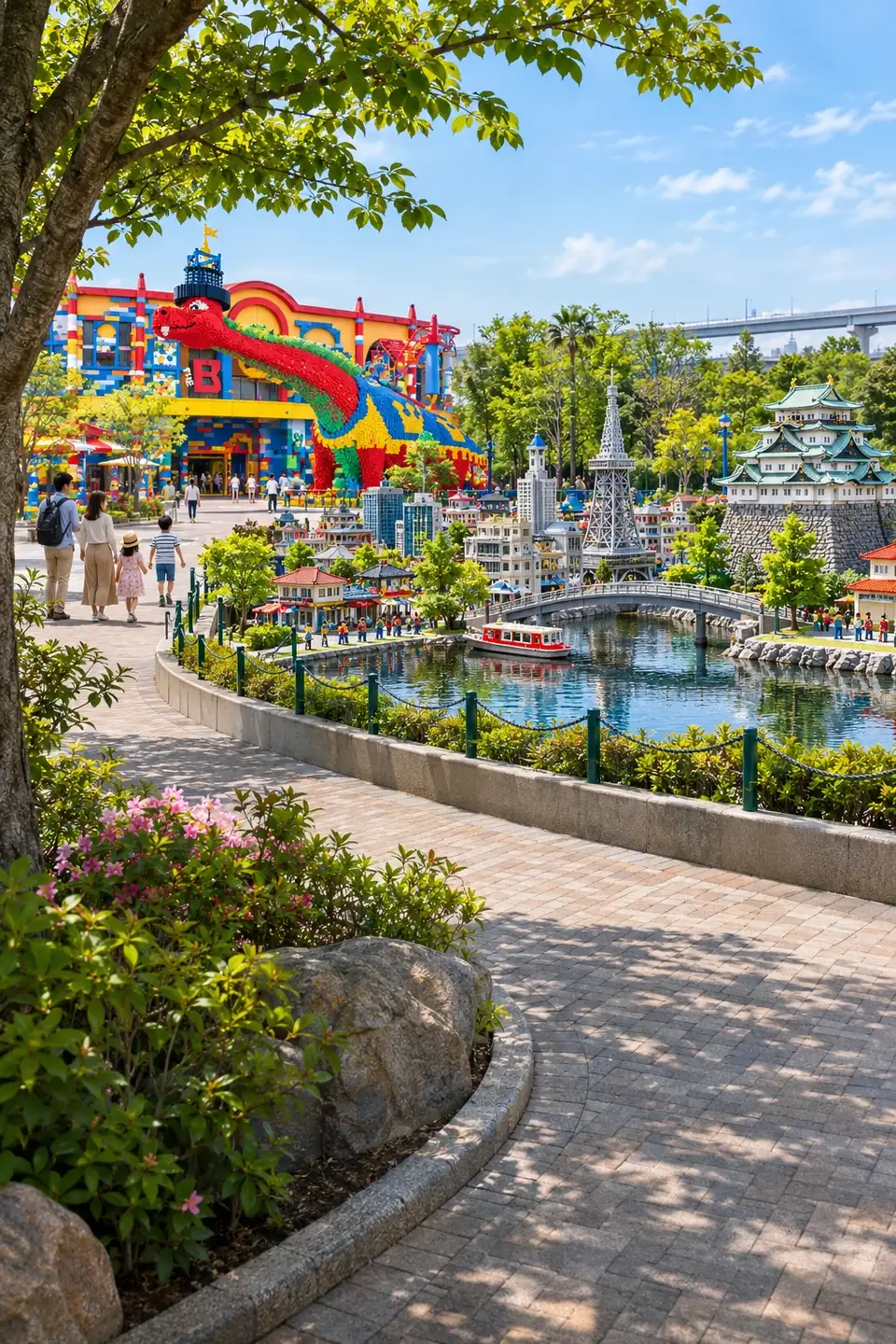
    After breakfast at leisure, visit Nagoya Legoland, a must-see theme park in Nagoya, full of imagination and pure fun. The park is built from over 17 million LEGO bricks and features more than 10,000 models. It has eight themed zones and over 40 rides, plus various special shows, enough for a full day of enjoyment. It is a top choice for families and parent-child visits. Visit the Toyota Automobile Museum, showcasing vehicles from the Benz Patent Motorwagen (1886) to the Toyota FCV-R (2011). The museum presents the rich history of automobile development. Over 140 cars worldwide are displayed, carefully maintained, including brands beyond Toyota such as Ford, Porsche, and Rolls-Royce. Later, travel to Kyoto’s Pontocho, a historic geisha district stretching between the Kamo River and Kiyamachi Street. Although named a "chō" (district), it's actually a narrow 560-meter-long, approximately 2-meter-wide street paved with checkered-patterned stones that shine beautifully when wet. Many restaurants line the east side by the river; in summer, they set up outdoor dining decks over the water serving riverbed cuisine.

    AI-rendered illustration

    After breakfast at leisure, visit Nagoya Legoland, a must-see theme park in Nagoya, full of imagination and pure fun. The park is built from over 17 million LEGO bricks and features more than 10,000 models. It has eight themed zones and over 40 rides, plus various special shows, enough for a full day of enjoyment. It is a top choice for families and parent-child visits. Visit the Toyota Automobile Museum, showcasing vehicles from the Benz Patent Motorwagen (1886) to the Toyota FCV-R (2011). The museum presents the rich history of automobile development. Over 140 cars worldwide are displayed, carefully maintained, including brands beyond Toyota such as Ford, Porsche, and Rolls-Royce. Later, travel to Kyoto’s Pontocho, a historic geisha district stretching between the Kamo River and Kiyamachi Street. Although named a "chō" (district), it's actually a narrow 560-meter-long, approximately 2-meter-wide street paved with checkered-patterned stones that shine beautifully when wet. Many restaurants line the east side by the river; in summer, they set up outdoor dining decks over the water serving riverbed cuisine.

    Breakfast: at your own expense. Lunch: at your own expense. Dinner: at your own expense.

    Nagoya LegolandAI-rendered illustration

    Nagoya Legoland

    Nagoya Legoland is the eighth Legoland globally and the second in Asia. The park uses 10 million blocks to recreate landmarks including Nagoya Castle. It is divided into seven themed areas with over 40 rides, shows, and attractions: the entrance, Lego City, Miniland, Adventure Land, Fantasy Land, Lego Kingdom, and Lego Technic Park.

    Toyota Automobile Museum

    The Toyota Museum is a comprehensive exhibition hall officially opened in April 1989, located in Nagakute City, Aichi Prefecture, east of Nagoya. It displays over 120 prestigious cars manufactured in Japan and other countries and systematically presents the history of automobile development through models of production lines from various periods.

    Pontocho

    Pontocho is a geisha entertainment district in Kyoto’s Nakagyo Ward, between the Kamo River and Kiyamachi Street. Originally a sandbar of the river, it was reclaimed and developed into Shinkawaramachi Street in the early Edo period. Filled with numerous izakayas, bars, and restaurants, it maintains its classical architecture and is one of Kyoto’s most charming old streets.

    04

    Kyoto

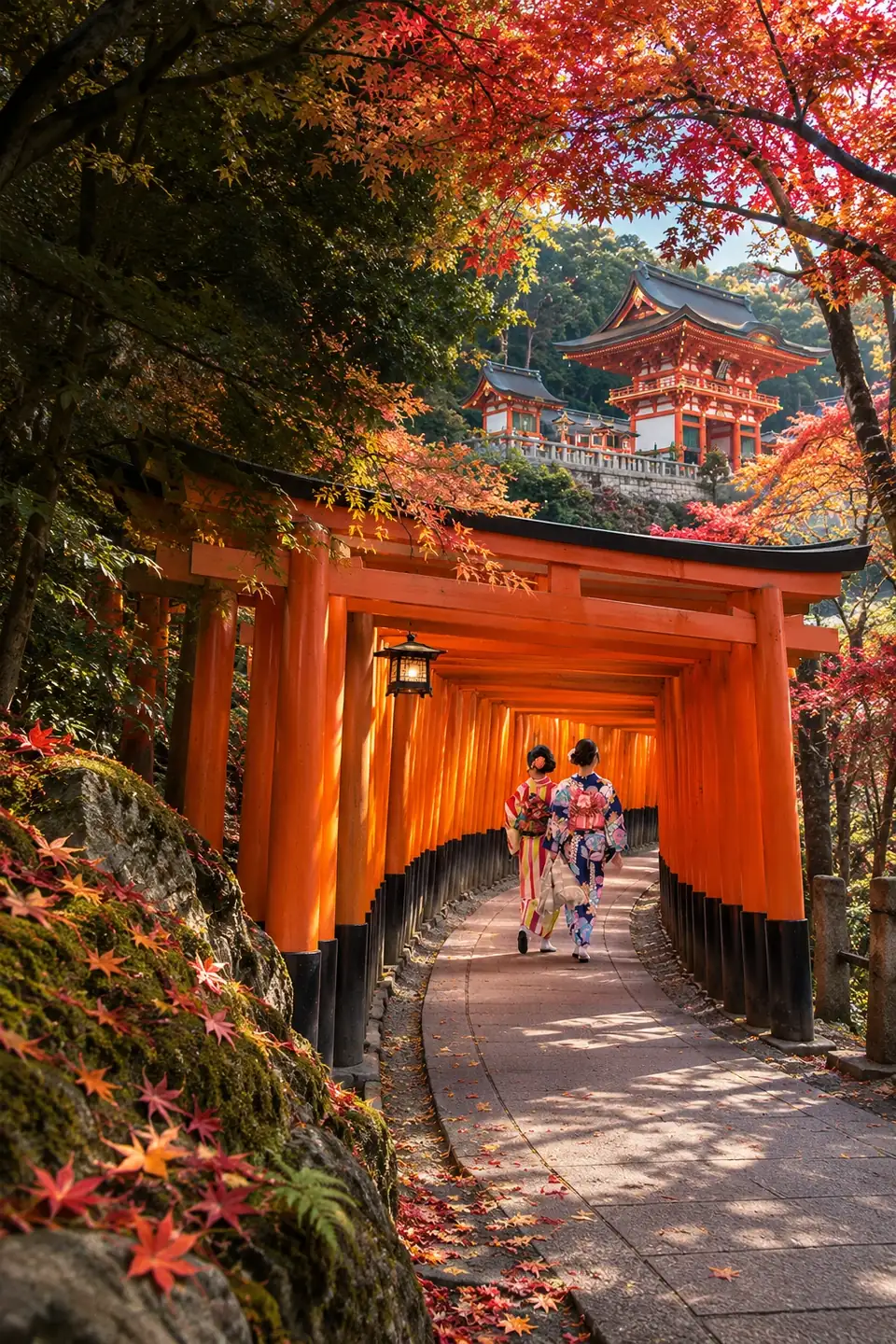
    After breakfast at leisure, enjoy a reservation-only Japanese kimono wearing experience and create lasting memories strolling historic streets in traditional attire. Then visit Tanuki Valley Fudo-in Temple, famous for its many tanuki statues. The temple is a popular spot for prayers for good luck and traffic safety and is a must-see for history enthusiasts. Next, explore Fushimi Inari Taisha, the head shrine of approximately one-third of Japan’s Inari shrines, known for prosperity and good fortune. The shrine features a grand Torii gate at the entrance and the iconic “Senbon Torii” or thousand red Torii gates, a famous Kyoto landmark also seen in the film "Memoirs of a Geisha." Finally, visit Gion, Kyoto’s renowned geisha district along Shijo Street between Yasaka Shrine and the Kamo River. By day, enjoy tea houses, restaurants, and traditional shops. At dusk, you may see geisha hurrying along lantern-lit streets, with buildings and streets maintaining a historic aesthetic, offering a deep sense of old Kyoto charm.

    AI-rendered illustration

    After breakfast at leisure, enjoy a reservation-only Japanese kimono wearing experience and create lasting memories strolling historic streets in traditional attire. Then visit Tanuki Valley Fudo-in Temple, famous for its many tanuki statues. The temple is a popular spot for prayers for good luck and traffic safety and is a must-see for history enthusiasts. Next, explore Fushimi Inari Taisha, the head shrine of approximately one-third of Japan’s Inari shrines, known for prosperity and good fortune. The shrine features a grand Torii gate at the entrance and the iconic “Senbon Torii” or thousand red Torii gates, a famous Kyoto landmark also seen in the film "Memoirs of a Geisha." Finally, visit Gion, Kyoto’s renowned geisha district along Shijo Street between Yasaka Shrine and the Kamo River. By day, enjoy tea houses, restaurants, and traditional shops. At dusk, you may see geisha hurrying along lantern-lit streets, with buildings and streets maintaining a historic aesthetic, offering a deep sense of old Kyoto charm.

    Breakfast: at your own expense. Lunch: at your own expense. Dinner: at your own expense.

    Tanuki Valley Fudo-in Temple

    Tanuki Valley Fudo-in Temple is a Shugendo Buddhist temple popular for prayers for traffic safety, disaster prevention, and cancer protection. It features many charming tanuki (raccoon dog) statues, making it a fun and interesting visit.

    Fushimi Inari TaishaAI-rendered illustration

    Fushimi Inari Taisha

    At the foot of Mount Inari in southern Kyoto, this historic shrine honors Inari, associated with harvests and prosperity in business. Beyond the main buildings, thousands of vermilion torii gates form paths up the mountain. The roughly four-kilometer circuit takes about two to three hours on foot and is one of Kyoto's best-known landscapes.

    Gion

    Gion is Kyoto's traditional entertainment district around Yasaka Shrine, the Kamo River and Higashioji-dori. It is known for its geiko and maiko culture, particularly in Gion Kobu and around Hanamikoji. Teahouses, restaurants, traditional buildings and small shops reward a leisurely visit. Kimono and yukata rentals are available, and the summer Gion Matsuri is a celebrated local festival.

    05

    Kyoto → Nara → Osaka

    After breakfast, head to Nara Park, one of Japan’s most beautiful parks and part of the Eight Views of Nara, famous for its natural beauty and rich cultural heritage. Here you’ll find the bell of Todaiji Temple, roaming deer at Kasugano Field, vines in Nanendo Hall, moonlight on Sarusawa Pond, fireflies by the Saho River, rain sounds at Kumoi Hill, pedestrians along Tobihashi Bridge, and snowy landscapes on Mt. Wakakusa, all forming picturesque scenes. Visit Kasuga Taisha Shrine, a UNESCO World Cultural Heritage site established in 710 to protect the ancient capital. The shrine is closely tied to the Fujiwara family's royal lineage and other noble and military families who revered the Kasuga deity. Experience the traditional ink-making craft in Nara, a distinctive local industry unparalleled in Japan in terms of origin, development, and current scale. In the evening, return to Osaka’s Shinsaibashi and Dotonbori areas, famous for the Dotonbori food street near Shinsaibashi, a symbol of Osaka’s culinary scene with bustling crowds daily.

    AI-rendered illustration

    After breakfast, head to Nara Park, one of Japan’s most beautiful parks and part of the Eight Views of Nara, famous for its natural beauty and rich cultural heritage. Here you’ll find the bell of Todaiji Temple, roaming deer at Kasugano Field, vines in Nanendo Hall, moonlight on Sarusawa Pond, fireflies by the Saho River, rain sounds at Kumoi Hill, pedestrians along Tobihashi Bridge, and snowy landscapes on Mt. Wakakusa, all forming picturesque scenes. Visit Kasuga Taisha Shrine, a UNESCO World Cultural Heritage site established in 710 to protect the ancient capital. The shrine is closely tied to the Fujiwara family's royal lineage and other noble and military families who revered the Kasuga deity. Experience the traditional ink-making craft in Nara, a distinctive local industry unparalleled in Japan in terms of origin, development, and current scale. In the evening, return to Osaka’s Shinsaibashi and Dotonbori areas, famous for the Dotonbori food street near Shinsaibashi, a symbol of Osaka’s culinary scene with bustling crowds daily.

    Breakfast: at your own expense. Lunch: at your own expense. Dinner: at your own expense.

    Nara Park

    Nara Park stretches across the eastern side of the city, near Mount Wakakusa, Todai-ji Temple, Kasuga Taisha and the Nara National Museum. Deer roam the grounds and are protected as a national natural monument. Fresh spring greenery, autumn foliage and quieter off-season walks give the park year-round appeal.

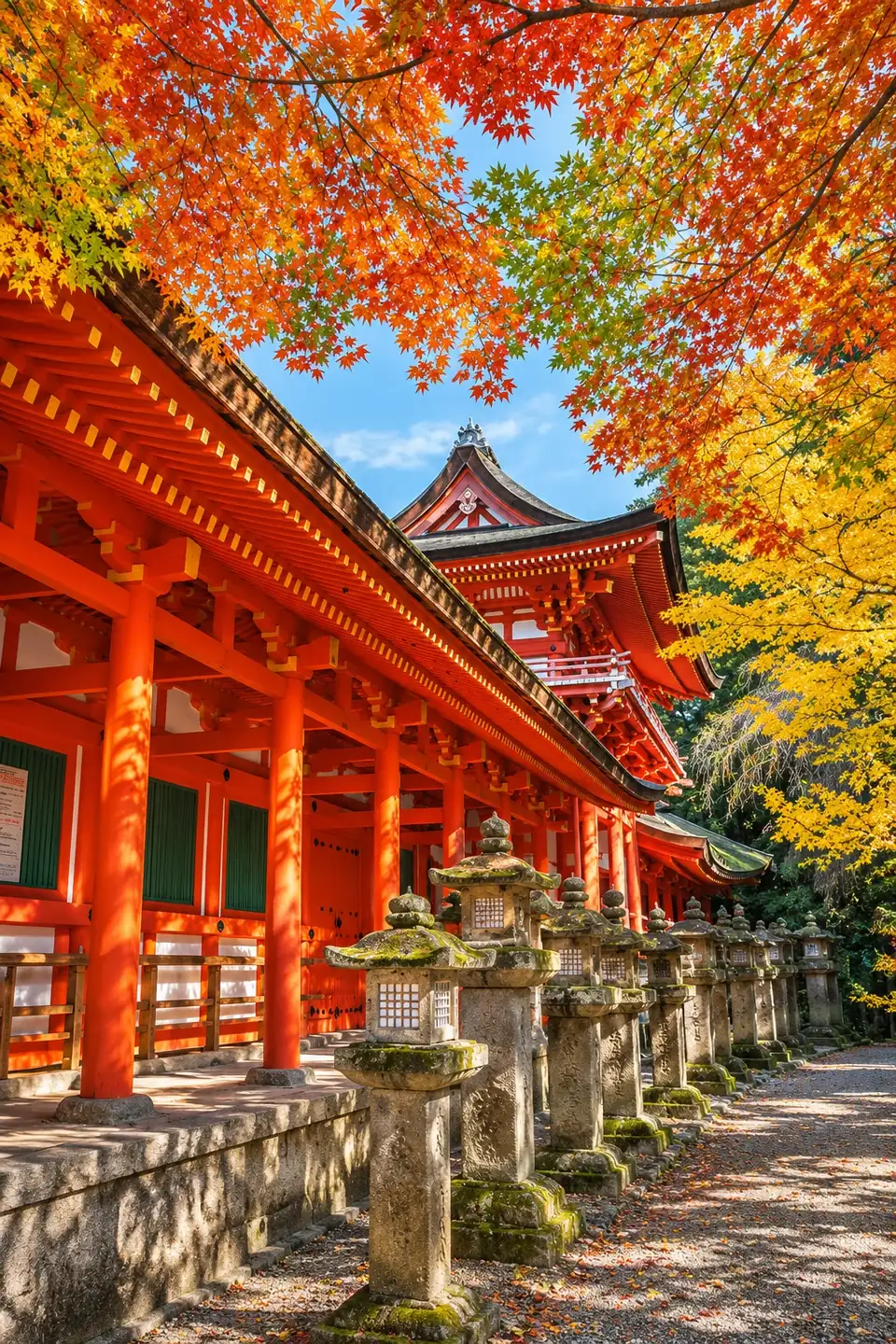
    Kasuga TaishaAI-rendered illustration

    Kasuga Taisha

    Founded more than 1,300 years ago, Kasuga Taisha is Nara's guardian shrine and the principal shrine of the Kasuga tradition. Its buildings are renewed through a traditional 20-year cycle, and worship rituals take place morning and evening. Moss-covered stone lanterns line the approach, where Nara's deer can often be seen.

    Shinsaibashi

    Shinsaibashi is one of Osaka's major shopping districts. Centered on the covered Shinsaibashi-suji arcade, it extends from Nagahori-dori toward Dotonbori. Boutiques, specialty stores, restaurants and department stores draw visitors throughout the day. Alongside shopping, enjoy Osaka specialties and international food, or explore nearby cinemas, theaters and nightlife.

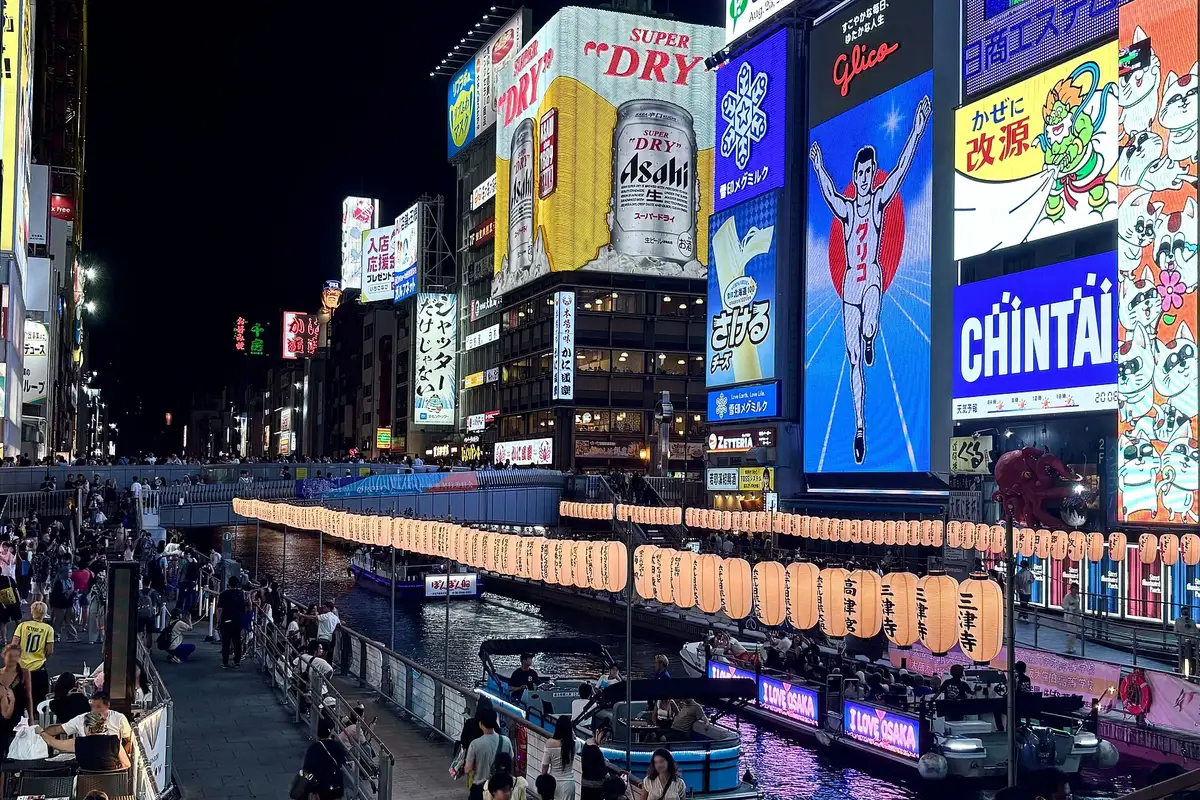
    Dotonbori

    Dotonbori is one of Osaka's liveliest districts and a landmark food destination. Try local favorites such as takoyaki, teppanyaki, grilled meat, kushikatsu, conveyor-belt sushi, pufferfish dishes and sweets. Even its smaller eateries can offer memorable tastes of Osaka.

    06

    Osaka

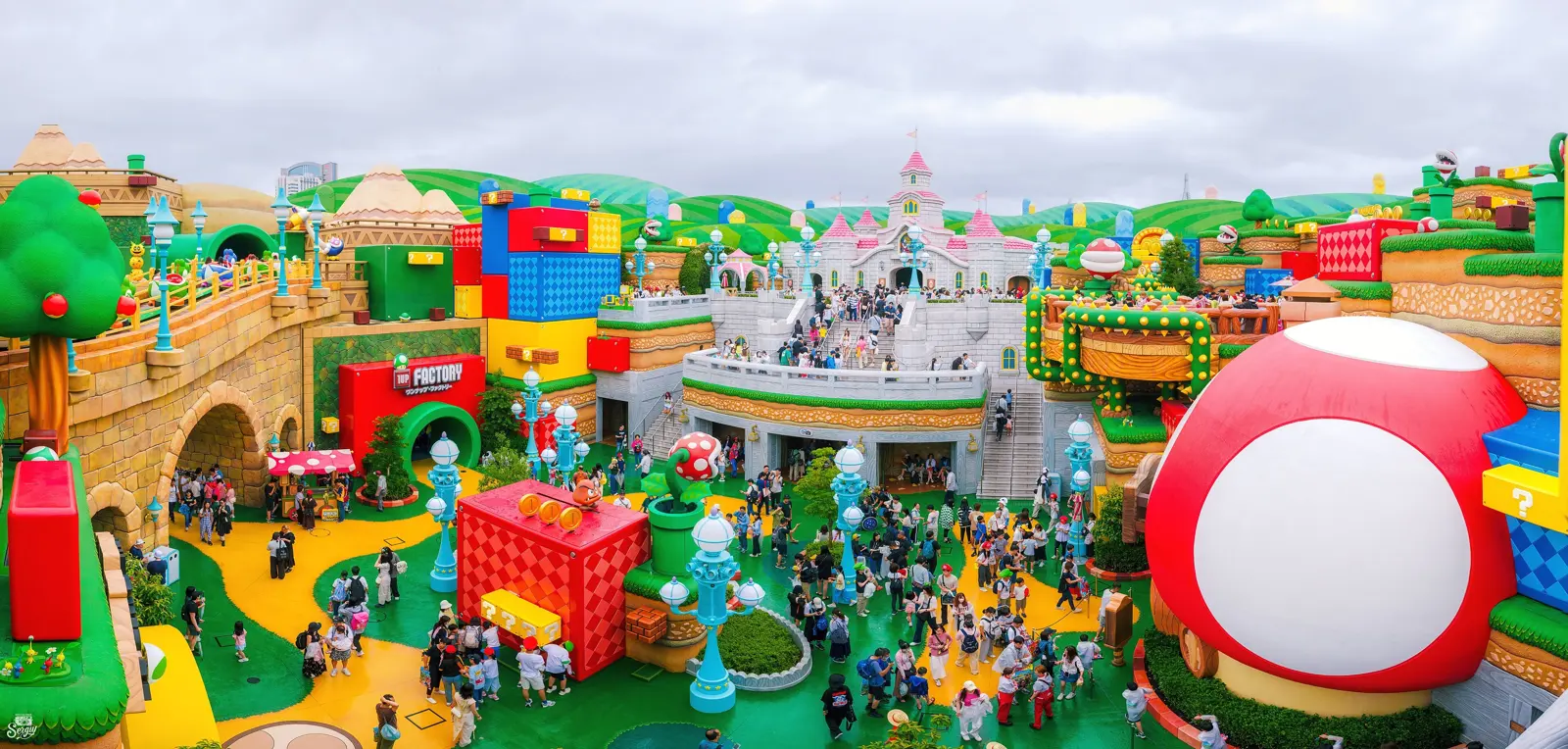
    Spend the day at Universal Studios Japan in Osaka. Explore its film- and character-inspired attractions, including SUPER NINTENDO WORLD. Check the current park calendar and confirm ticket requirements, attraction restrictions and seasonal events for your visit.

    Spend the day at Universal Studios Japan in Osaka. Explore its film- and character-inspired attractions, including SUPER NINTENDO WORLD. Check the current park calendar and confirm ticket requirements, attraction restrictions and seasonal events for your visit.

    Breakfast: at your own expense. Lunch: at your own expense. Dinner: at your own expense.

    Universal Studios Japan

    Universal Studios Japan

    Universal Studios Japan, often called USJ, is a popular Osaka theme park for both Japanese and international visitors. Film-themed attractions, immersive lands and lively entertainment make it a highlight of many Kansai family trips.

    07

    Osaka

    Enjoy free time as your departure schedule permits. Your itinerary ends locally in Osaka. An airport transfer can be arranged around your flight if needed. International return flights and the date you arrive home are not counted as itinerary days.

    Enjoy free time as your departure schedule permits. Your itinerary ends locally in Osaka. An airport transfer can be arranged around your flight if needed. International return flights and the date you arrive home are not counted as itinerary days.

    Breakfast: at your own expense. Lunch: at your own expense. Dinner: at your own expense.

    YOUR ROUTE

    Know the shape of your journey.

    Starts in
    Nagoya
    Ends in
    Osaka
    Local itinerary
    7 days

    A proposal shaped around you

    Use this route as a starting point. Tell us your dates, pace and accommodation preferences.

    Your quote will specify accommodation, guiding, transport, activities, meals and any optional arrangements before you book. International flights and airport transfers are discussed separately.

    TRAVEL IN COMFORT

    The right vehicle for your group.

    Toyota Alphard

    Up to 6 passengers

    Toyota HiAce

    Up to 9 passengers

    Our main touring vehicles. We recommend a vehicle based on your group size and luggage. Maximum seating capacity does not guarantee room for all bags when every seat is occupied. Vehicle availability is confirmed for your destination.

    More to discover

    Kimono Experience (Reservation Required Only)

    Kimono (Japanese: wafuku) is the traditional Japanese garment starting from the shogunate era. Modern kimono are divided into imperial and national dress styles. The national style, formally designated in 1941, was called "kimono" since Tokugawa Ieyasu's time and is also known as samurai-style clothing.

    Nagoya Ghibli Theme Park

    Based on classics like "Castle in the Sky," "Spirited Away," "Howl's Moving Castle," and "My Neighbor Totoro," the Ghibli Studio decided to recreate various characters and scenes from the animations in real life. The park's initial phase focuses on bringing the world of "My Neighbor Totoro," Miyazaki's representative work from 1988 and acclaimed as one of the finest family theme animations, to life.

    Nagoya Legoland

    Nagoya Legoland is the eighth Legoland globally and the second in Asia. The park uses 10 million blocks to recreate landmarks including Nagoya Castle. It is divided into seven themed areas with over 40 rides, shows, and attractions: the entrance, Lego City, Miniland, Adventure Land, Fantasy Land, Lego Kingdom, and Lego Technic Park.

    Toyota Automobile Museum

    The Toyota Museum is a comprehensive exhibition hall officially opened in April 1989, located in Nagakute City, Aichi Prefecture, east of Nagoya. It displays over 120 prestigious cars manufactured in Japan and other countries and systematically presents the history of automobile development through models of production lines from various periods.

    Tanuki Valley Fudo-in Temple

    Tanuki Valley Fudo-in Temple is a Shugendo Buddhist temple popular for prayers for traffic safety, disaster prevention, and cancer protection. It features many charming tanuki (raccoon dog) statues, making it a fun and interesting visit.

    Fushimi Inari Taisha

    At the foot of Mount Inari in southern Kyoto, this historic shrine honors Inari, associated with harvests and prosperity in business. Beyond the main buildings, thousands of vermilion torii gates form paths up the mountain. The roughly four-kilometer circuit takes about two to three hours on foot and is one of Kyoto's best-known landscapes.

    Nara Traditional Ink-Making Experience (Reservation Required)

    Did you know 95% of Japan’s ink is produced in Nara? This traditional craft has been made since the Muromachi period, over 1,000 years ago. In an ancient-style workshop, you can experience making traditional ink inksticks by hand, similar to making “nigiri” sushi.

    Universal Studios Japan

    Universal Studios Japan, often called USJ, is a popular Osaka theme park for both Japanese and international visitors. Film-themed attractions, immersive lands and lively entertainment make it a highlight of many Kansai family trips.

    Before you go

    This journey starts at the destination. Seasonal experiences, service inclusions and availability are confirmed with your personalized proposal.

    Original source & photography · 6renyou ↗

    Image credits and illustrations

    BEFORE YOU PLAN

    Travel planning, clearly explained.

    OpenEast brings together Japan and South Korea itinerary ideas for travelers from North America, with China also part of our destination plans. Start with the local route, then consider flights and airport transfers around it.

    When does Day 1 begin?

    Day 1 begins at the destination. International departure-only and return flight days are not counted as destination days. Plan your flights around the local itinerary dates.

    Are flights and airport transfers included?

    International flights and airport transfers are confirmed separately. Do not assume they are included in a suggested itinerary.

    Are these confirmed departures?

    These routes are itinerary ideas. Dates, hotels, admissions, seasonal activities, prices and availability need confirmation in a personalized proposal before booking.

    Can I book or send an inquiry here?

    Use the inquiry form to contact our team. A submission confirmation appears only when the email service accepts your request. An inquiry does not reserve a service or take payment.

    Explore Japan itineraries → · Explore South Korea itineraries →

    1 / 6

    Let’s plan your journey.

    Theme Park Highlights: 7-Day Nagoya & Osaka Tour including Ghibli Park, Universal Studios, Legoland, Traditional Ink-Making & Tanuki Valley Fudo-in Temple

    Leave your details, and our travel specialists will get in touch by email or your preferred contact method.

    Your specialist will confirm the itinerary, pricing and availability with you.

    How we use your information

    Your inquiry is sent to info@jasperlimo.com so our team can respond. Please do not include passport or payment details.

    Start planning