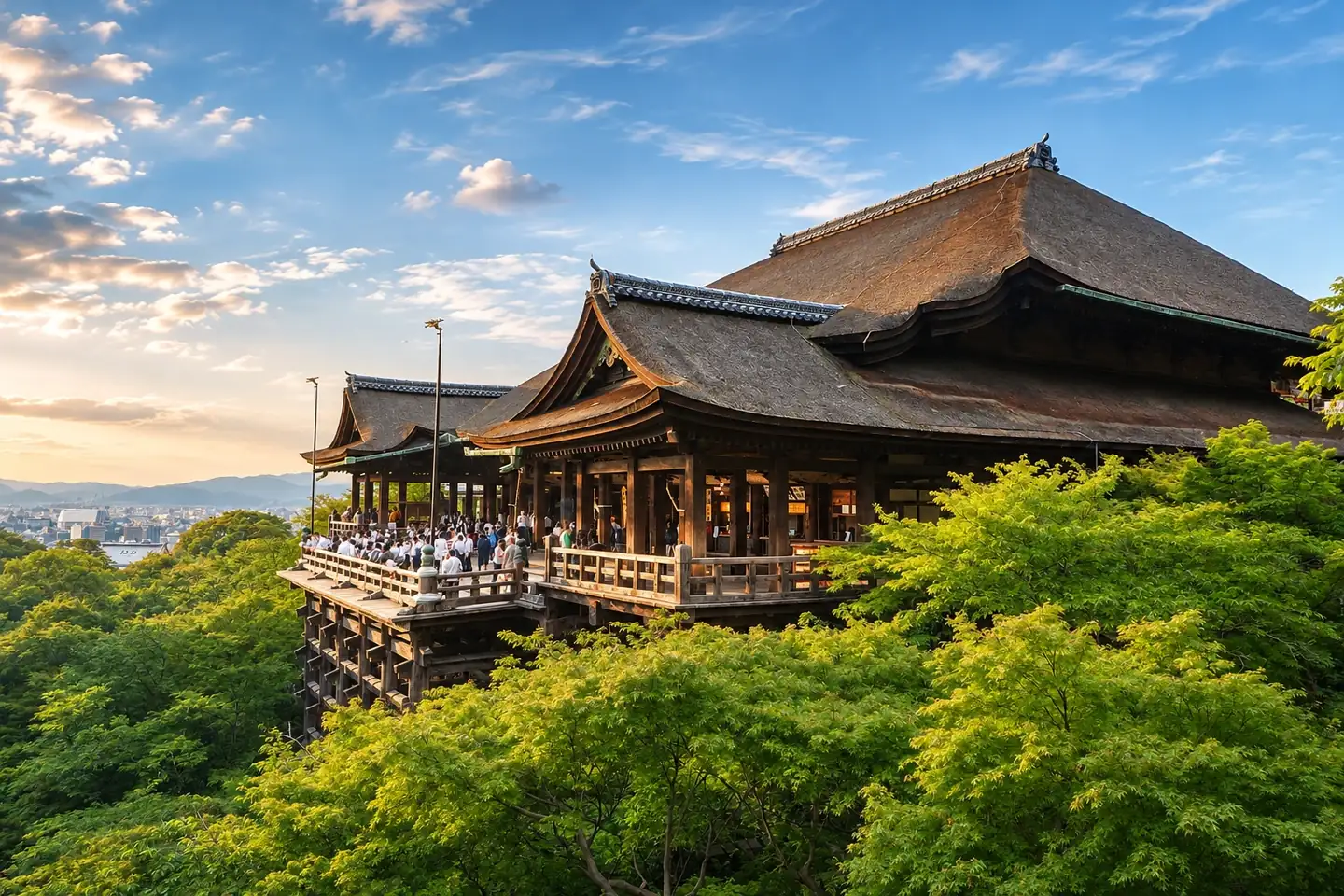
After breakfast, drive to Osaka Aquarium Kaiyukan, one of Japan’s most spectacular aquariums featuring underwater tunnels and marine life such as seals, whale sharks, and penguins, with opportunities to touch sharks. Next, visit Nara Park, a vast 660-hectare historical park containing landmarks such as Todaiji Temple, Kofukuji Temple, and Shosoin, dating back to the Tenpyo era (710–784). Over 1,300 deer live here, mostly gentle and friendly. Then head to the ancient capital Kyoto to visit Kiyomizu Temple, a Japanese National Treasure surrounded by greenery and beautiful scenery. In the evening, stroll around Gion, where historic geisha teahouses and architecture remain preserved; the area was designated a historic preservation district by the Japanese government in 1999. Overnight at a comfortable local hotel. A 10-hour car service is provided today.
Breakfast: at the hotel. Lunch: at your own expense. Dinner: at your own expense.
Osaka Aquarium Kaiyukan
Located in Osaka's Tempozan district, Kaiyukan is a large aquarium showcasing marine environments around the Pacific Rim. The source describes 14 major tanks and approximately 30,000 animals representing some 620 species. Exhibits recreate habitats associated with the Pacific Ring of Fire and surrounding ecosystems.
Nara Park
Nara Park stretches across the eastern side of the city, near Mount Wakakusa, Todai-ji Temple, Kasuga Taisha and the Nara National Museum. Deer roam the grounds and are protected as a national natural monument. Fresh spring greenery, autumn foliage and quieter off-season walks give the park year-round appeal.
 AI-rendered illustration
Kiyomizu-dera Temple
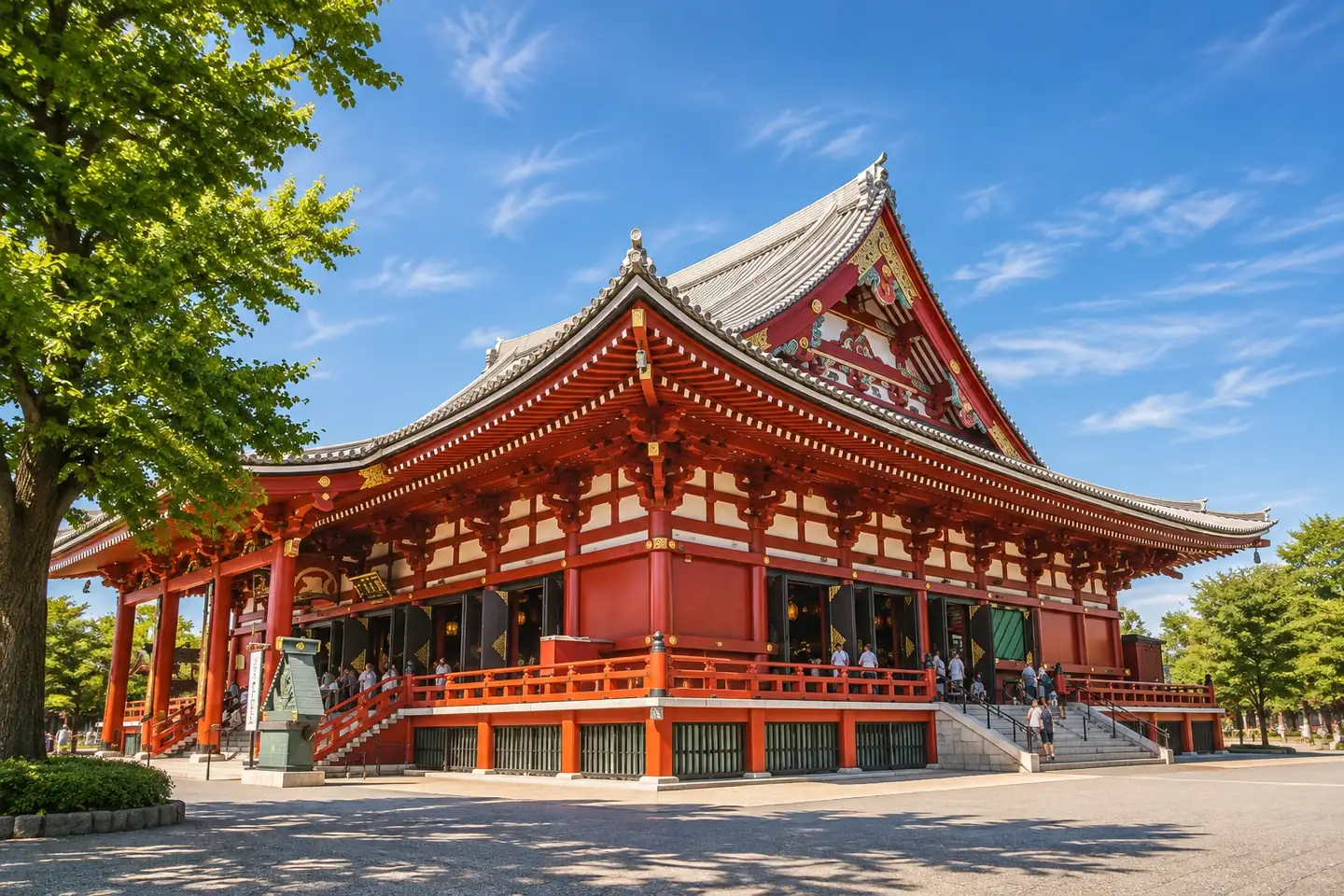
Founded in 778, before Kyoto became Japan's capital, Kiyomizu-dera stands on the slopes of Mount Otowa in eastern Kyoto. Following several fires, much of the present complex was rebuilt in 1631–1633 under the third Tokugawa shogun, Iemitsu. Its main hall is a National Treasure, while the Nio Gate, West Gate, three-story pagoda and bell tower are important cultural properties. In 1994 it became part of the UNESCO-listed Historic Monuments of Ancient Kyoto.
Ninenzaka & Sannenzaka
Ninenzaka and Sannenzaka are historic lanes in Kyoto lined with old wooden buildings and traditional shops. Ninenzaka is said to date to 807. These streets connect the area around Kiyomizu-dera with Nene-no-Michi and Kodai-ji.
Gion
Gion is Kyoto's traditional entertainment district around Yasaka Shrine, the Kamo River and Higashioji-dori. It is known for its geiko and maiko culture, particularly in Gion Kobu and around Hanamikoji. Teahouses, restaurants, traditional buildings and small shops reward a leisurely visit. Kimono and yukata rentals are available, and the summer Gion Matsuri is a celebrated local festival.
 AI-rendered illustration
 AI-rendered illustration