Hitachi Station
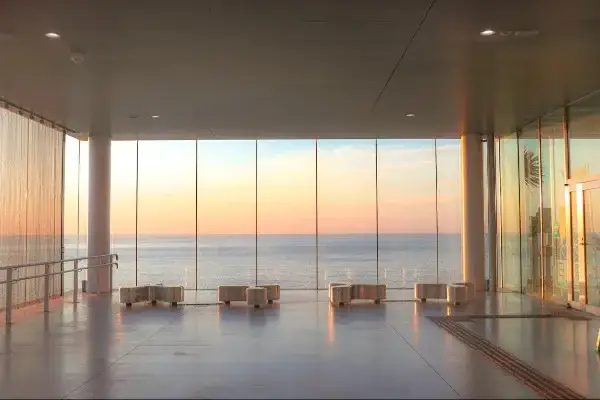
Hitachi Station's building is beautifully designed, resembling an art museum. The city’s name, Hitachi, originates from the stunning sunrises visible over the Pacific Ocean horizon at this location.
Japan · 6 DAYS
Tokyo → Ibaraki → Nikko → Gunma Prefecture → Karuizawa
JOURNEY HIGHLIGHTS
[Kanto Gunma Leisure Trip: Onsen & Relaxation 6 Days] Oarai Shrine Torii + Swan Lake Kumoba Pond + Millennium-old Kusatsu Hot Springs + Mount Asama Volcanic Wonder
Day 1 starts in Tokyo → Ibaraki. International airfare is arranged separately.
Day 1 starts upon arrival in Tokyo. Activities and hotel check-in are scheduled based on actual arrival time; international departure and transfer flights are not included. Local route on arrival day: Tokyo > Ibaraki. Planned sight: Hitachi Station; times adjusted according to arrival. Airport transfers available upon request, confirmation subject to itinerary.
Day 1 starts upon arrival in Tokyo. Activities and hotel check-in are scheduled based on actual arrival time; international departure and transfer flights are not included. Local route on arrival day: Tokyo > Ibaraki. Planned sight: Hitachi Station; times adjusted according to arrival. Airport transfers available upon request, confirmation subject to itinerary.
Breakfast: at your own expense. Lunch: at your own expense. Dinner: at your own expense.
Hitachi Station's building is beautifully designed, resembling an art museum. The city’s name, Hitachi, originates from the stunning sunrises visible over the Pacific Ocean horizon at this location.
After a free breakfast, visit Nakaminato Fish Market, comparable to Tokyo's Tsukiji Market, where local restaurant chefs source the freshest daily catch. The meeting point of the warm and cold currents off Ibaraki Prefecture’s coast brings a rich variety of seafood. Next, visit Oarai Isosaki Shrine located on a rugged coastline facing the Pacific Ocean. Its torii gate, known as Kamiso Torii, symbolizes the place where gods descend. Then see Tsukimachidaki Falls, a beautiful waterfall about 15 meters high and 10 meters wide, typically divided into two streams but sometimes three during heavy water flow. If lucky, visitors can witness rainbows here. Also called Okumi Falls, it is possible to view the waterfall from behind.
 AI-rendered illustration
After a free breakfast, visit Nakaminato Fish Market, comparable to Tokyo's Tsukiji Market, where local restaurant chefs source the freshest daily catch. The meeting point of the warm and cold currents off Ibaraki Prefecture’s coast brings a rich variety of seafood. Next, visit Oarai Isosaki Shrine located on a rugged coastline facing the Pacific Ocean. Its torii gate, known as Kamiso Torii, symbolizes the place where gods descend. Then see Tsukimachidaki Falls, a beautiful waterfall about 15 meters high and 10 meters wide, typically divided into two streams but sometimes three during heavy water flow. If lucky, visitors can witness rainbows here. Also called Okumi Falls, it is possible to view the waterfall from behind.
Breakfast: at your own expense. Lunch: at your own expense. Dinner: at your own expense.
Nakaminato Fish Market is a seafood-focused tourist market attracting over one million visitors annually. It adjoins Nakaminato Fishing Port, Ibaraki Prefecture's largest catch area, bordered by the vast Pacific Ocean. The market's location near the fishing port ensures a wide variety of fresh seafood, including large fish like bonito and tuna, as well as white-fleshed fish such as flounder, sea bream, and sea bass. It’s a paradise for purchasing fresh catch and enjoying delicious seafood cuisine.
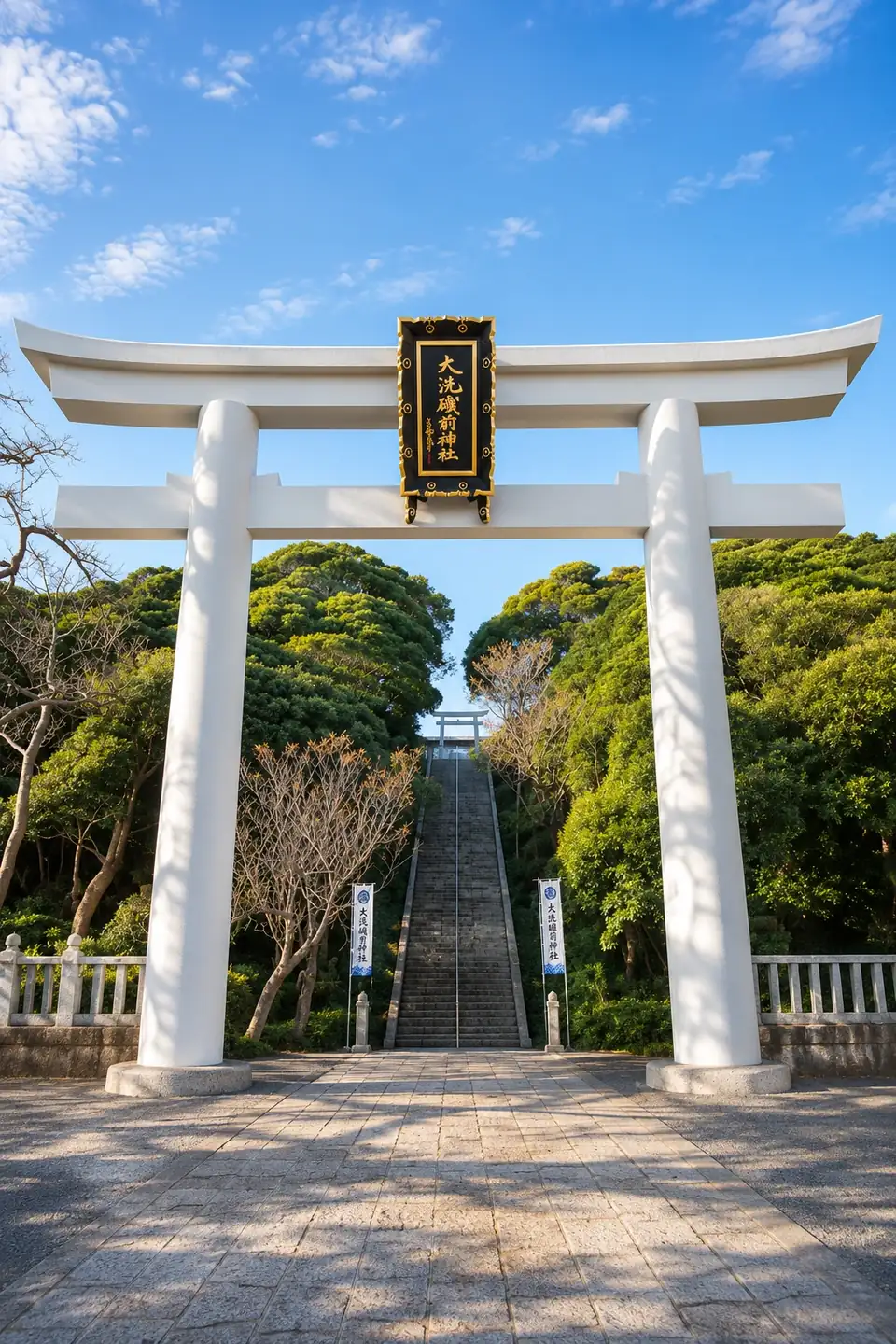
AI-rendered illustrationOarai Isosaki Shrine stands atop a hill facing the Pacific Ocean, enshrining Okuninushi (god of wealth) and Sukunahikona (god of medicine). The approach features three gates—Ichinotorii, Ninitorii, and Kamiso Torii. From the Kamiso Torii, the sunrise view is stunning. Many visit on January 1st for New Year blessings.
Oarai Isosaki Shrine is a historic shrine located in Oarai town, Ibaraki Prefecture, seated on a mountain facing the Pacific Ocean. The shrine’s famous Kamiiso Torii gate stands on a rock in the sea, renowned for its stunning views at sunrise and sunset, regarded as a sacred place where heavenly gods descend.
Tsukimachidaki Falls is a natural waterfall about 17 meters high and 12 meters wide, divided into three streams. There is a hollow behind the waterfall which visitors can enter. In summer, it is a popular place for children to play in the water; in winter, it forms an ice waterfall. The waterfall showcases different appearances through the seasons for visitors to enjoy.
After a free breakfast, drive along the Irohazaka mountain road, located between Nikko's Mabashi area and Lake Chuzenji on Route 120 in Tochigi Prefecture. Known for its many challenging hairpin turns—48 in total, each named after the ancient Japanese Iroha syllabary—it is considered one of Japan’s most difficult mountain roads to drive. Next, visit Lake Chuzenji, the highest natural lake in Japan located in western Nikko City, offering refreshing scenery and popularity especially during fall colors. The lake lies within Nikko National Park. Then, see Kegon Falls, one of Japan's most famous waterfalls, where water from Lake Chuzenji plunges nearly 100 meters into the valley below. The best time to visit is mid- to late October during peak autumn foliage. In winter, the falls partially freeze, creating a spectacular icy landscape. End the day at Kusatsu's Yubatake, the symbol of Kusatsu Onsen, a hot spring source about the size of a soccer field, surrounded by steam and a distinct sulfur scent. Enjoy a relaxing hot spring bath in Kusatsu Onsen to conclude the day.
After a free breakfast, drive along the Irohazaka mountain road, located between Nikko's Mabashi area and Lake Chuzenji on Route 120 in Tochigi Prefecture. Known for its many challenging hairpin turns—48 in total, each named after the ancient Japanese Iroha syllabary—it is considered one of Japan’s most difficult mountain roads to drive. Next, visit Lake Chuzenji, the highest natural lake in Japan located in western Nikko City, offering refreshing scenery and popularity especially during fall colors. The lake lies within Nikko National Park. Then, see Kegon Falls, one of Japan's most famous waterfalls, where water from Lake Chuzenji plunges nearly 100 meters into the valley below. The best time to visit is mid- to late October during peak autumn foliage. In winter, the falls partially freeze, creating a spectacular icy landscape. End the day at Kusatsu's Yubatake, the symbol of Kusatsu Onsen, a hot spring source about the size of a soccer field, surrounded by steam and a distinct sulfur scent. Enjoy a relaxing hot spring bath in Kusatsu Onsen to conclude the day.
Breakfast: at your own expense. Lunch: at your own expense. Dinner: at your own expense.
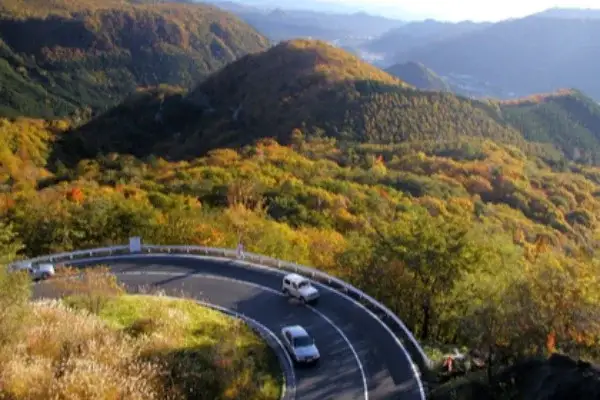
Irohazaka Mountain Road is a famous winding mountain route located between central Nikko and Oku-Nikko. The road has 48 sharp curves mostly at 180 degrees, each named sequentially after the old Japanese Iroha syllabary. It is considered Japan's most challenging mountain road for driving. Surrounded by mountains, it is a superb spot for autumn foliage viewing and an essential route to scenic attractions such as Lake Chuzenji and Kegon Falls. The difficult tight turns attract many drifting enthusiasts.
Lake Chuzenji is the largest lake in Nikko National Park and one of Japan’s most iconic high-altitude lakes. It is said to have been discovered in 782 by the pioneering monk Shodo Shonin when he reached the summit of Mount Nantai. In the late 19th century, it became a summer retreat for diplomats from Western countries, gradually developing into a resort area. The clear lake reflects the grandeur of Mount Nantai, creating an elegant and tranquil scene. Many visitors enjoy sightseeing cruises on the lake. The lakeside also features famous sites such as Kegon Falls, making it an ideal place for outdoor recreation and relaxation.
Kegon Falls is located in Nikko City, Tochigi Prefecture. It is a famous sightseeing spot. Water from Lake Chuzenji forms the Oshiri River, cutting across Mount Nantai and plunging from a height of 700 meters to create the main waterfall, which is 99 meters tall. The upper rock protrudes forward, and 12 small waterfalls flow through the crevices. Surrounded by autumn foliage, the scenery is stunning, making it the central attraction of Nikko National Park.
Yubatake is Kusatsu Onsen's landmark, located in the town center. It is a fenced hot spring source area about the size of a soccer field, constantly emitting white steam and faint sulfur fragrance.
Kusatsu Onsen is one of Japan's three famous hot springs, renowned for its exceptionally high-quality water. Historically praised as a 'famous spring,' local folk songs say "It cures all but lovesickness," highlighting its reputed healing powers.
After a free breakfast, visit Onioshidashi Park, a renowned site in Gunma Prefecture and one of the world's three great natural wonders. It is located at the northern foot of Mount Asama and formed by lava flows from the 1783 eruption, creating a unique rocky landscape. Then shop at Karuizawa Prince Shopping Plaza near Karuizawa Station South Exit, a large outlet mall with over 200 stores, beautiful surroundings, and an artificial lake decorated with lights in the evening. Be prepared to walk a lot as the stores are spread out. Next, visit the Stone Church, a unique chapel designed by an American architect inspired by Karuizawa's natural environment. The church integrates stone, light, water, greenery, and trees, attracting couples worldwide for weddings. Its curved stone and glass architecture symbolizes the strength of men and the softness of women, with sunlight calculated to illuminate and change the interior ambiance throughout the day, bathing visitors in a blessing of light.
After a free breakfast, visit Onioshidashi Park, a renowned site in Gunma Prefecture and one of the world's three great natural wonders. It is located at the northern foot of Mount Asama and formed by lava flows from the 1783 eruption, creating a unique rocky landscape. Then shop at Karuizawa Prince Shopping Plaza near Karuizawa Station South Exit, a large outlet mall with over 200 stores, beautiful surroundings, and an artificial lake decorated with lights in the evening. Be prepared to walk a lot as the stores are spread out. Next, visit the Stone Church, a unique chapel designed by an American architect inspired by Karuizawa's natural environment. The church integrates stone, light, water, greenery, and trees, attracting couples worldwide for weddings. Its curved stone and glass architecture symbolizes the strength of men and the softness of women, with sunlight calculated to illuminate and change the interior ambiance throughout the day, bathing visitors in a blessing of light.
Breakfast: at your own expense. Lunch: at your own expense. Dinner: at your own expense.
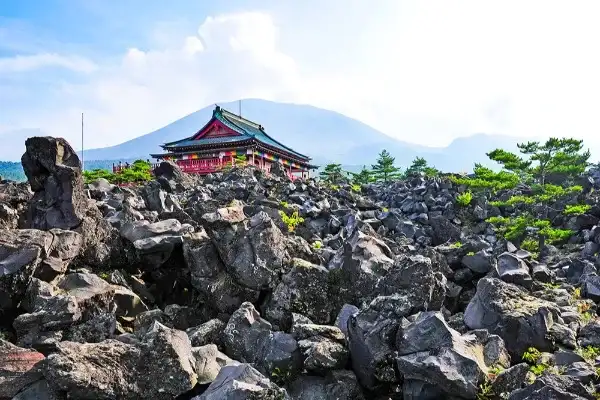
Onioshidashi Park, one of the world’s three great natural wonders, lies at the northern foot of Gunma’s Mount Asama. It features unique terrain created by lava flows from the 1783 Mount Asama eruption. Visitors can walk trails to admire the bizarre yet vivid rock formations and reflect on those who perished under the lava.
Karuizawa Prince Shopping Plaza is a large shopping mall in this scenic and refined area, adding convenience and charm. Located at the south exit of Karuizawa Station, it houses over 200 brand stores including Prada, Coach, DKNY, TOD'S and more, plus over a hundred restaurants, and even a golf course and ski resort. The mall is divided into four main zones.
The Stone Church is constructed by fusing stone and glass into a large curved structure. Architects carefully calculated the sun’s path so sunlight naturally illuminates the interior, changing the church’s atmosphere throughout the day. The stones symbolize strength and masculinity, glass softness and femininity. At the entrance, stones and glass arches are irregularly arranged, representing the early difficulties between bride and groom from different backgrounds, ultimately united by true love making vows inside the church.
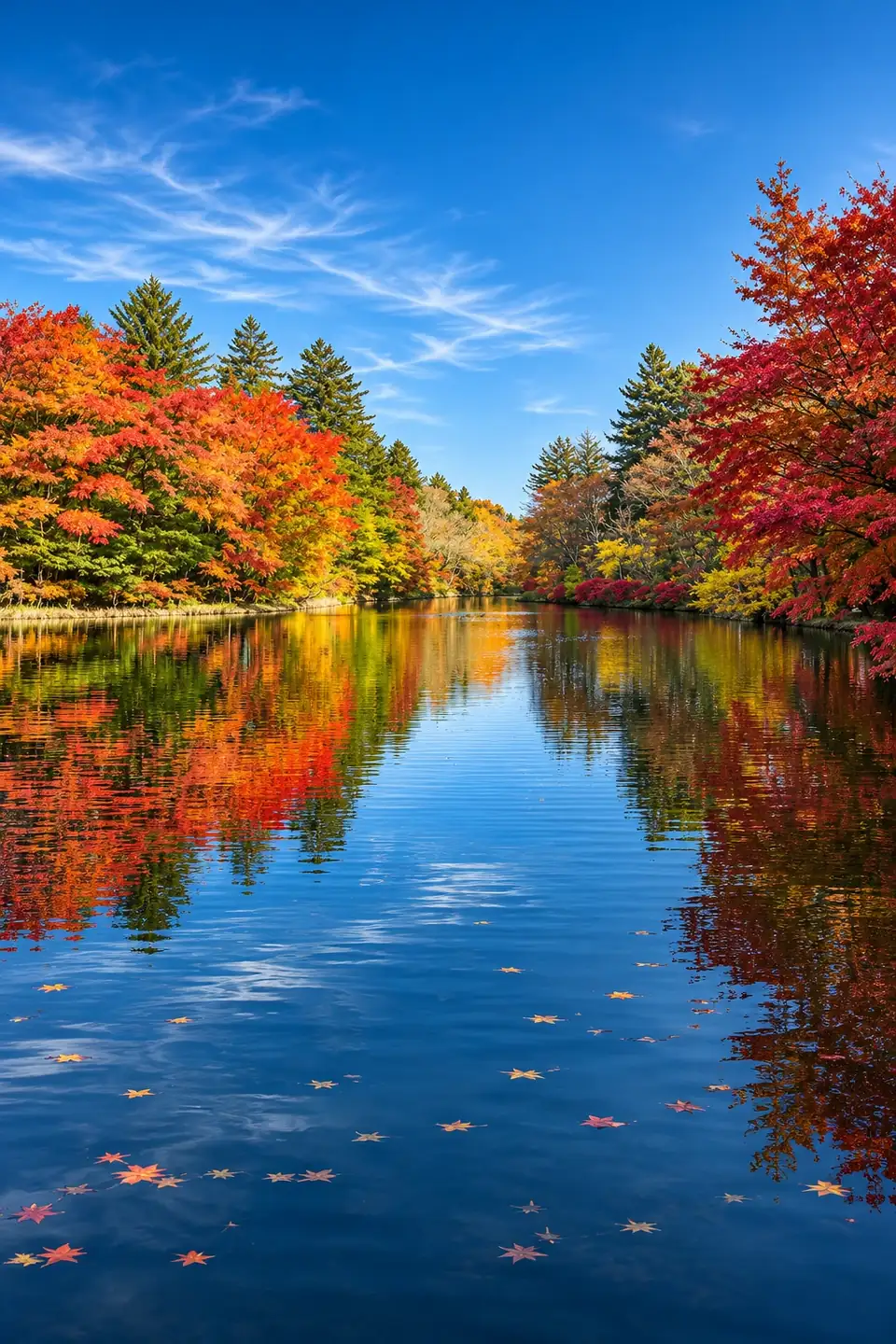
After a free breakfast, visit Kumoba Pond in southeastern Nagano, known as "Swan Lake." It is an excellent spot for forest bathing and a cool retreat in summer. In spring, Kumoba Pond becomes green and complements the blue sky; in autumn, red leaves reflect in the water forming a scenic landscape. Then, visit Tokyo's Ginza Six, a major shopping complex built on the former Matsuzakaya department store site with 6 basement and 13 above-ground floors housing 241 brands, including 121 flagship stores. The lobby features a large decoration by artist Yayoi Kusama, and there is a dedicated area selling her goods, as well as extensive food courts on the basement levels. Next, explore Tsukiji Market in Tokyo's Chuo Ward, the largest fish market in Japan spanning approximately 230,000 square meters. It is one of Tokyo's 11 central wholesale markets and is famous nationwide. Finally, visit the Pokémon Center at Nihonbashi located on the 5th floor of the Takashimaya department store, a dedicated center featuring large, cute Pokémon murals and exclusive merchandise.
 AI-rendered illustration
After a free breakfast, visit Kumoba Pond in southeastern Nagano, known as "Swan Lake." It is an excellent spot for forest bathing and a cool retreat in summer. In spring, Kumoba Pond becomes green and complements the blue sky; in autumn, red leaves reflect in the water forming a scenic landscape. Then, visit Tokyo's Ginza Six, a major shopping complex built on the former Matsuzakaya department store site with 6 basement and 13 above-ground floors housing 241 brands, including 121 flagship stores. The lobby features a large decoration by artist Yayoi Kusama, and there is a dedicated area selling her goods, as well as extensive food courts on the basement levels. Next, explore Tsukiji Market in Tokyo's Chuo Ward, the largest fish market in Japan spanning approximately 230,000 square meters. It is one of Tokyo's 11 central wholesale markets and is famous nationwide. Finally, visit the Pokémon Center at Nihonbashi located on the 5th floor of the Takashimaya department store, a dedicated center featuring large, cute Pokémon murals and exclusive merchandise.
Breakfast: at your own expense. Lunch: at your own expense. Dinner: at your own expense.
AI-rendered illustrationKumoba Pond, located in southeastern Nagano, is known as Swan Lake and is ideal for forest bathing and summer cooling. Attracted by the vivid red maple trees lining its banks, Kumoba Pond is picturesque with red maples reflected in the water. The pond changes with the seasons: in summer it wears a green dress enhanced by blue skies, with tender green leaves complementing the clear water like a natural landscape painting.
GINZA SIX combines luxury shopping with cultural spaces. Architect Yoshio Taniguchi drew inspiration from noren, the fabric curtains traditionally hung at Japanese shop and restaurant entrances. Individual luxury brands contributed distinctive ground-floor facades, creating variety within the overall design.
Tsukiji Market, operating for over 60 years, is one of Japan’s largest markets, especially famous for seafood. Its fish market history traces back to the Edo period when Tokugawa Ieyasu relocated fishers from Osaka to Edo Bay to supply city residents, marking the market’s origin. Fishers sold remaining catch at Nihonbashi market, where a monument now stands. Tools like over one-meter-long tuna carving knives and pushcarts are unique to the market.
The Pokemon Center is the official store for Pokemon, offering not only game software, trading card games, and a variety of original goods, but also many services and promotions that delight Pokemon fans.
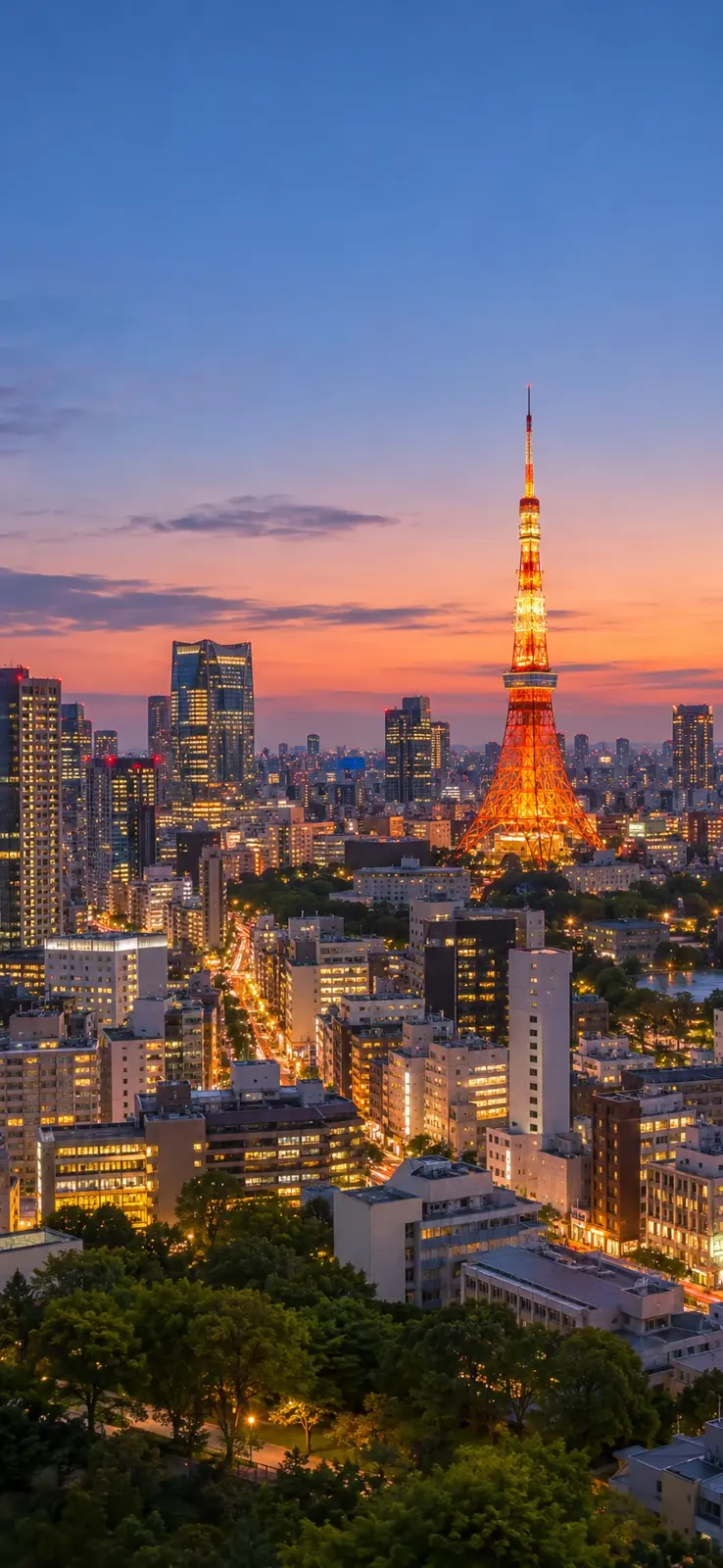
Enjoy free time as your departure schedule permits. Your itinerary ends locally in Tokyo. An airport transfer can be arranged around your flight if needed. International return flights and the date you arrive home are not counted as itinerary days.
Enjoy free time as your departure schedule permits. Your itinerary ends locally in Tokyo. An airport transfer can be arranged around your flight if needed. International return flights and the date you arrive home are not counted as itinerary days.
Breakfast: at your own expense. Lunch: at your own expense. Dinner: at your own expense.
YOUR ROUTE
Use this route as a starting point. Tell us your dates, pace and accommodation preferences.
Your quote will specify accommodation, guiding, transport, activities, meals and any optional arrangements before you book. International flights and airport transfers are discussed separately.
TRAVEL IN COMFORT
Up to 6 passengers

Up to 9 passengers

Our main touring vehicles. We recommend a vehicle based on your group size and luggage. Maximum seating capacity does not guarantee room for all bags when every seat is occupied. Vehicle availability is confirmed for your destination.
Oarai Isosaki Shrine stands atop a hill facing the Pacific Ocean, enshrining Okuninushi (god of wealth) and Sukunahikona (god of medicine). The approach features three gates—Ichinotorii, Ninitorii, and Kamiso Torii. From the Kamiso Torii, the sunrise view is stunning. Many visit on January 1st for New Year blessings.
Yubatake is Kusatsu Onsen's landmark, located in the town center. It is a fenced hot spring source area about the size of a soccer field, constantly emitting white steam and faint sulfur fragrance.
Onioshidashi Park, one of the world’s three great natural wonders, lies at the northern foot of Gunma’s Mount Asama. It features unique terrain created by lava flows from the 1783 Mount Asama eruption. Visitors can walk trails to admire the bizarre yet vivid rock formations and reflect on those who perished under the lava.
Kumoba Pond, located in southeastern Nagano, is known as Swan Lake and is ideal for forest bathing and summer cooling. Attracted by the vivid red maple trees lining its banks, Kumoba Pond is picturesque with red maples reflected in the water. The pond changes with the seasons: in summer it wears a green dress enhanced by blue skies, with tender green leaves complementing the clear water like a natural landscape painting.
This journey starts at the destination. Seasonal experiences, service inclusions and availability are confirmed with your personalized proposal.
Original source & photography · 6renyou ↗BEFORE YOU PLAN
OpenEast brings together Japan and South Korea itinerary ideas for travelers from North America, with China also part of our destination plans. Start with the local route, then consider flights and airport transfers around it.
Day 1 begins at the destination. International departure-only and return flight days are not counted as destination days. Plan your flights around the local itinerary dates.
International flights and airport transfers are confirmed separately. Do not assume they are included in a suggested itinerary.
These routes are itinerary ideas. Dates, hotels, admissions, seasonal activities, prices and availability need confirmation in a personalized proposal before booking.
Use the inquiry form to contact our team. A submission confirmation appears only when the email service accepts your request. An inquiry does not reserve a service or take payment.
Explore Japan itineraries → · Explore South Korea itineraries →