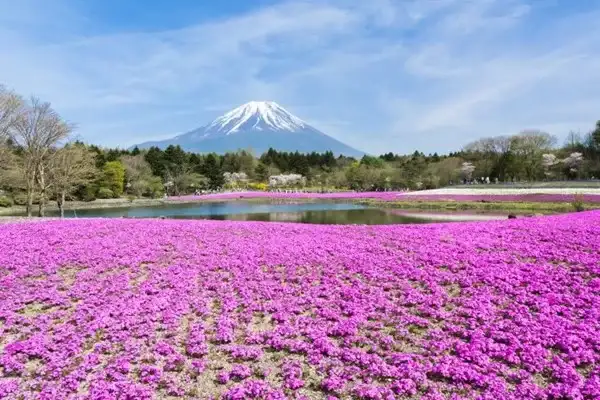
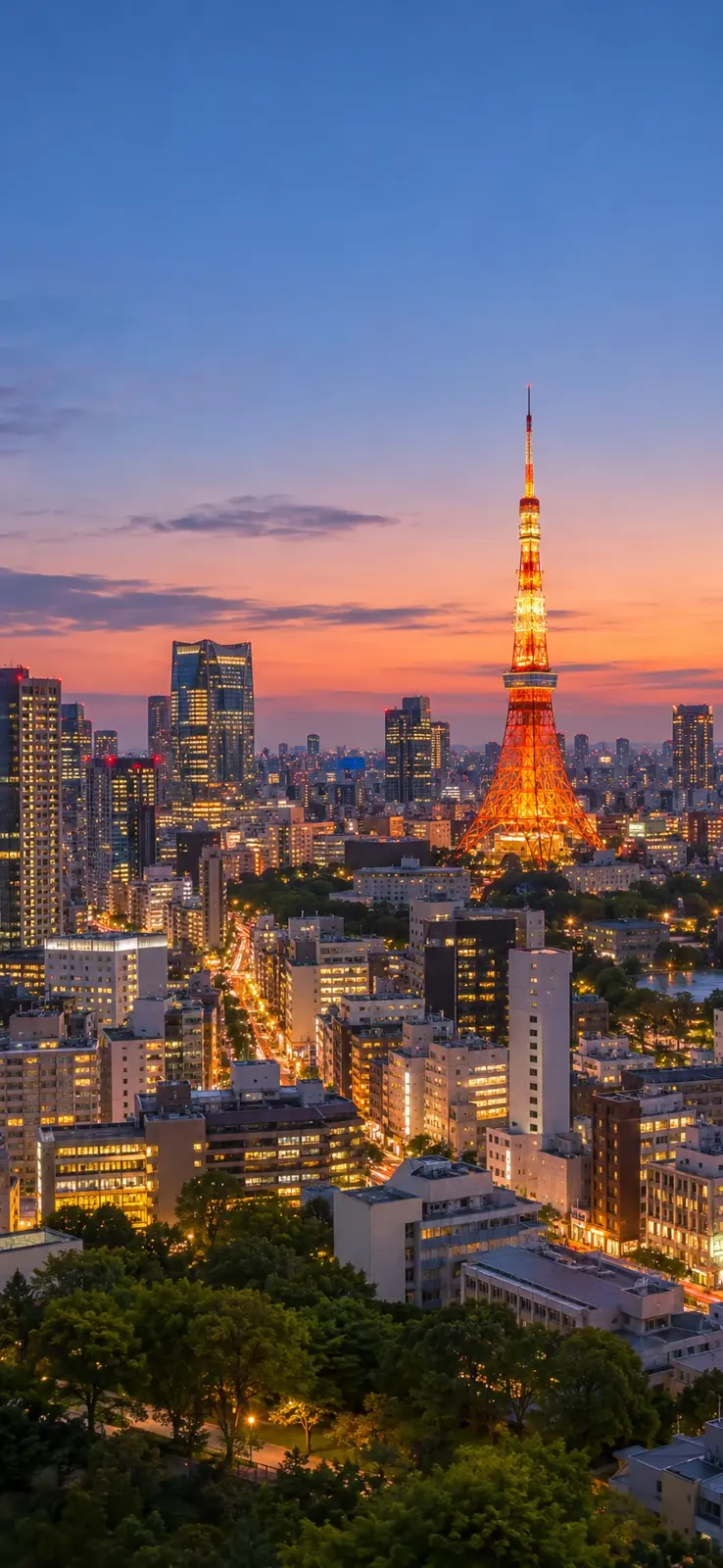
After hotel breakfast, depart to Ashikaga Flower Park.
In May, the park showcases stunning wisteria blossoms, including the oldest and largest specimen, the 140-year-old Noda Nine-foot Wisteria, covering 517 square meters and resembling a purple waterfall in full bloom, attracting many visitors.
Visit Tsutsujigaoka Park, home to over 10,000 azalea plants from more than 50 species, including Yama azalea, Kirishima azalea, and Ryukyu azalea. From late April to early May, a spectacular azalea bloom festival decorates the park with colorful flowers.
Visit the Stone Church – Uchimura Kanzō Memorial Hall, blending nature and art.
Breakfast: at your own expense. Lunch: at your own expense. Dinner: at your own expense.
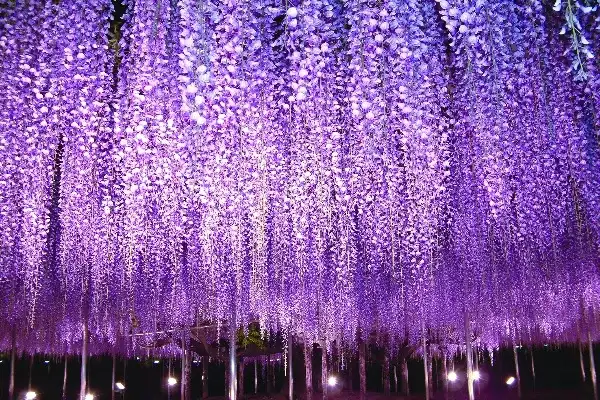
Ashikaga Flower Park
Home to the world’s most beautiful wisteria trellis, rated by CNN as one of the world’s top ten dreamy travel destinations! During blooming, clusters of butterfly-shaped flowers hang down like a floral canopy, turning the entire world purple and magical. A notable 144-year-old wisteria tree covers 1,990 square meters. Besides purple wisteria, you can see pink, white, and yellow wisteria resembling cascading waterfalls—simply stunning.
Tsutsujigaoka Park
Covering 11 hectares, Tsutsujigaoka Park cultivates around 10,000 azalea plants. Highlights include ancient Yama azalea trees estimated to be 800–1,000 years old, towering azalea specimens over 5 meters tall, and azalea tunnels you can walk under.
The Stone Church Ishino-kyo Memorial Hall for Kanzo Uchimura
The Stone Church is constructed by fusing stone and glass into a large curved structure. Architects carefully calculated the sun’s path so sunlight naturally illuminates the interior, changing the church’s atmosphere throughout the day. The stones symbolize strength and masculinity, glass softness and femininity. At the entrance, stones and glass arches are irregularly arranged, representing the early difficulties between bride and groom from different backgrounds, ultimately united by true love making vows inside the church.
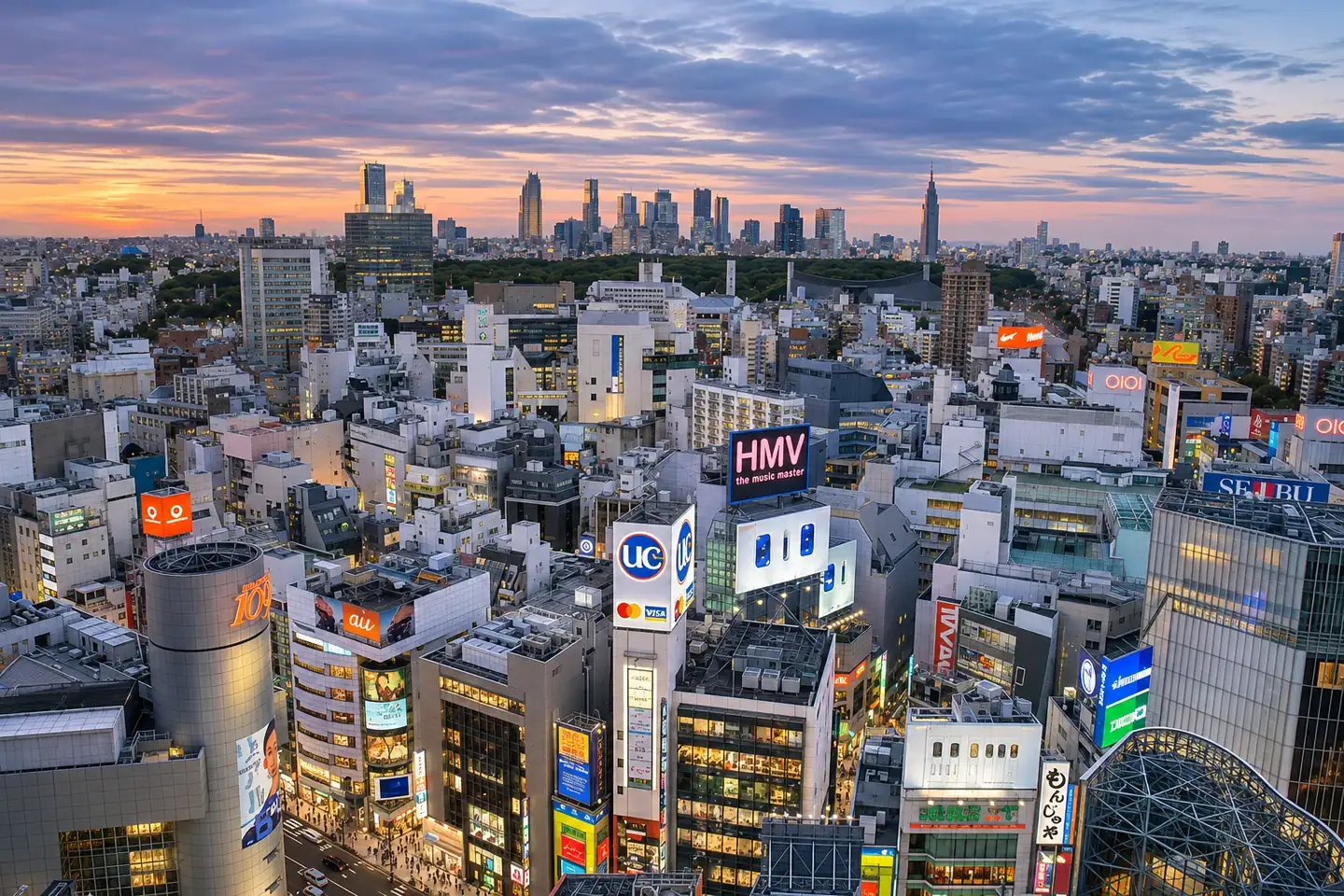 AI-rendered illustration
 AI-rendered illustration