Japan · 7 DAYS

Autumn Story: 7-Day Kansai + Chubu Autumn Foliage Tour

Nagoya → Takayama → Fukui → Mino → Gifu → Kyoto → Nara → Osaka

Off the Beaten Path: Deep Exploration of Japan’s Chubu and Kansai Regions to View Autumn Colors Experience Traditional Japanese Dance and Explore Japan’s “Jiuzhaigou” Geological Area

7 daysAutumnItinerary idea

Request this itinerary

Leave your details, and our travel specialists will get in touch by email or your preferred contact method.

Your specialist will confirm the itinerary, pricing and availability with you.

How we use your information

Your inquiry is sent to info@jasperlimo.com so our team can respond. Please do not include passport or payment details.

JOURNEY HIGHLIGHTS

Japan, made personal.

[Autumn Story: 7-Day Kansai + Chubu Autumn Foliage Tour] Shirakawa-go Gassho Village + Gero Onsen + Mino Washi Paper Making + Sagano Scenic Train

Day 1 starts in Nagoya. International airfare is arranged separately.

  • 01Off the Beaten Path: Deep Exploration of Japan’s Chubu and Kansai Regions to View Autumn Colors
  • 02Experience Traditional Japanese Dance and Explore Japan’s “Jiuzhaigou” Geological Area
  • 03Relax and Rejuvenate at Gero Onsen, One of Japan’s Top Three Hot Spring Towns

Your journey, day by day

01

Nagoya

Day 1 starts upon arrival in Nagoya. Local activities and accommodation will be arranged based on your arrival time; international flights are not included. Airport transfers can be arranged separately; inclusion depends on the final plan.

Day 1 starts upon arrival in Nagoya. Local activities and accommodation will be arranged based on your arrival time; international flights are not included. Airport transfers can be arranged separately; inclusion depends on the final plan.

Breakfast: at your own expense. Lunch: at your own expense. Dinner: at your own expense.

Kourankei Gorge

Kourankei Gorge

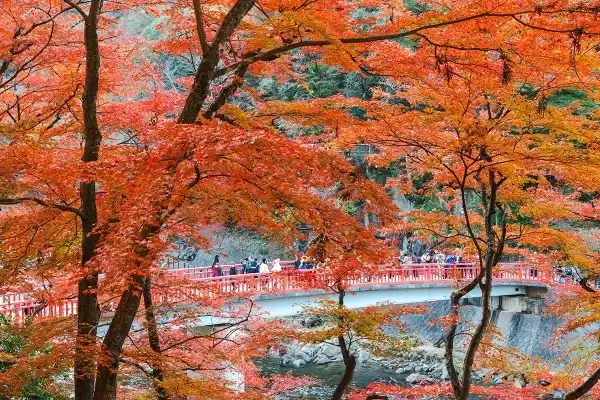
Kourankei Gorge is Tokai region’s top maple viewing spot, located in Okumikawa Asuke Town National Park. Its name combines 'Kou' from Kōjaku-ji Temple and 'Rankei' from Kyoto’s famous maple site Arashiyama. In the early 17th century, Zen Master San'ei planted a maple tree beside the gorge after reading the Heart Sutra. His followers planted more trees in the valley and ravines. Now, over 4,000 maple trees of 11 varieties grow along the gorge with the beautiful Basen River flowing through, creating a magnificent autumn painting and a must-visit maple site in Japan.

02

Nagoya → Takayama

Enjoy breakfast at the hotel before driving to Shirakawa-go near Takayama. Shirakawa-go Gassho-style village was designated a World Cultural Heritage Site in 1995. In winter, the snow-covered village illuminated at night creates a fairy-tale-like, dreamlike atmosphere.

AI-rendered illustration

Enjoy breakfast at the hotel before driving to Shirakawa-go near Takayama. Shirakawa-go Gassho-style village was designated a World Cultural Heritage Site in 1995. In winter, the snow-covered village illuminated at night creates a fairy-tale-like, dreamlike atmosphere.

Breakfast: at the hotel. Lunch: at your own expense. Dinner: at the hotel.

Takayama Jinya

Takayama Jinya is located in Takayama, known as "Little Kyoto." It was originally one of the residences of the Kanamori lords of Takayama Castle, preserving elegant and nostalgic architecture. Built in 1615 with over 400 years of history, only the storehouse remains from the original, the rest reconstructed to match the original style. The interior retains original layouts including the interrogation room with bamboo-crafted restraints, still used as the interrogation site. From the Meiji era, it served as prefectural and district government offices, making it Japan's only preserved local government building.

Shirakawa-go Gassho VillageAI-rendered illustration

Shirakawa-go Gassho Village

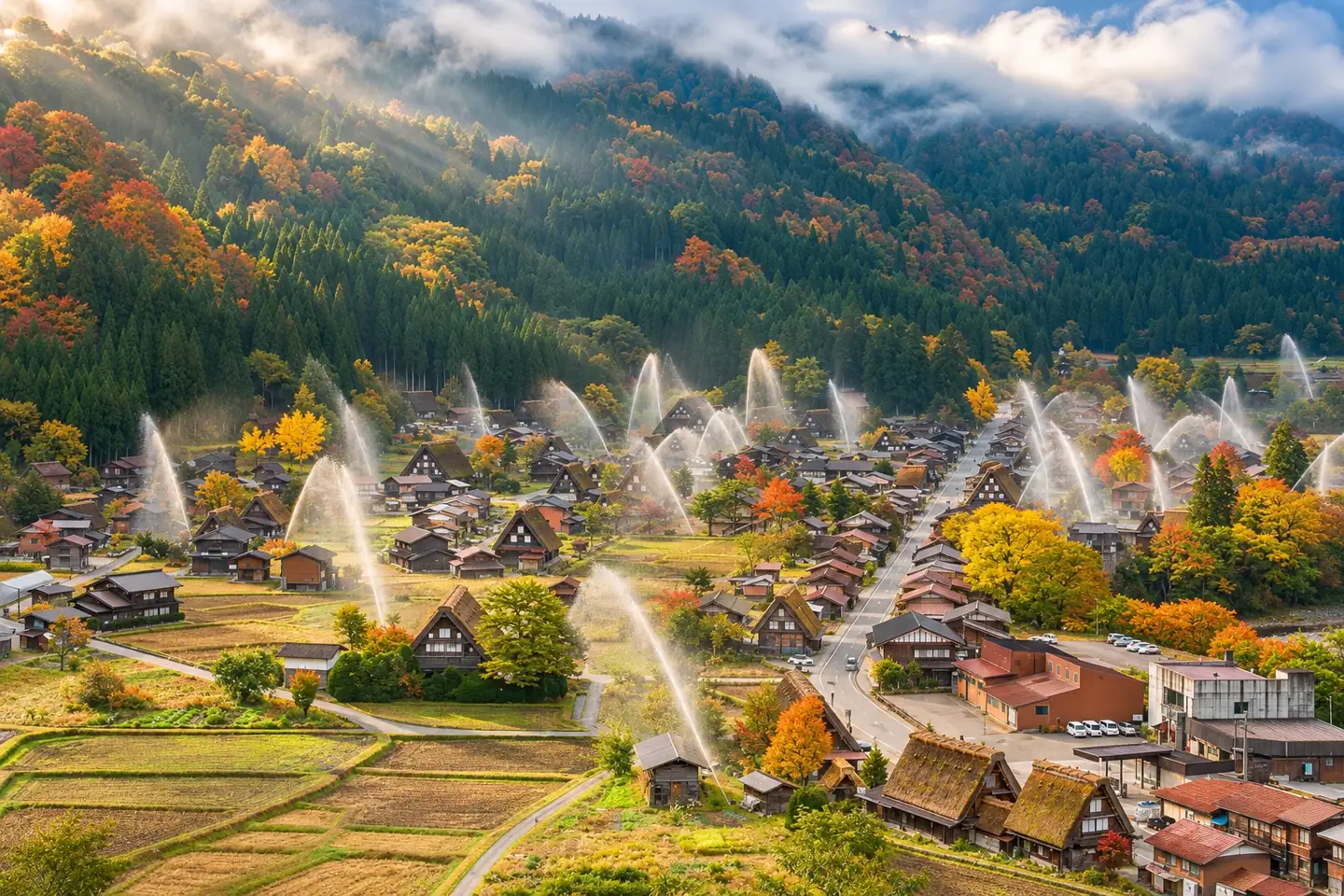
Shirakawa-go is a tranquil mountain village surrounded by mountains, with rice paddies and rivers running through. The village’s traditional gassho-style thatched houses number over 110, grouped together, and were designated a UNESCO World Cultural Heritage site in 1995. At the open-air museum, the Gassho Village Heritage Park, 25 gassho houses from across Shirakawa-go have been relocated and preserved. The park also features temple replicas, waterwheel huts, charcoal kilns, and stables built in the style of old rural villages. Traditional crafts such as dyeing and weaving are demonstrated, and visitors can experience them hands-on.

Gero Onsen Street

Gero’s natural hot springs reach temperatures up to 84°C, authentic natural springs. The alkaline simple hot spring water is clear, slightly fragrant, and mild. Soaking in the warm water leaves skin silky smooth. There is a publicly accessible open-air mixed bath in Gero town where people of all ages and genders can freely soak wearing swimsuits, one of Japan’s few mixed-gender hot spring spots.

03

Takayama → Fukui

After breakfast, head to Fukui Higashi along the Chubu coast. Here, you can let any past troubles wash away while facing the vast ocean.

After breakfast, head to Fukui Higashi along the Chubu coast. Here, you can let any past troubles wash away while facing the vast ocean.

Breakfast: at the hotel. Lunch: at your own expense. Dinner: at your own expense.

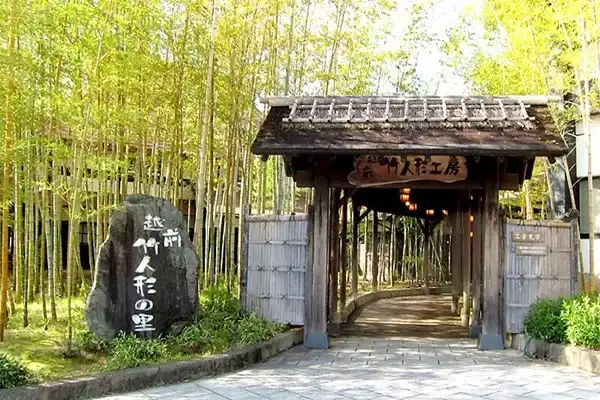
Echizen Bamboo Doll Village

Echizen Bamboo Doll Village

Echizen Bamboo Doll Village specializes in selling bamboo-crafted dolls. Inside, visitors can watch artisans make these dolls. It is the only place in Japan to view the works of renowned doll maker 'Reimei.' The museum also offers crafts and specialties from Japan's Hokuriku region, providing a comprehensive bamboo-themed experience for viewing, purchasing, and sampling.

Tojinbo Cliffs

Located in northern Fukui Prefecture along the Sea of Japan coast near Ishikawa Prefecture, Tojinbo is a steep rocky cliff formed by basalt columns shaped through years of sea wave erosion. These columnar jointed pyroxene andesite pillars are rare globally with only three such formations. The Tojinbo Bay, known as Tojinbo Great Pool, features cliffs up to 50 meters high and waters 17 meters deep. Visitors can view this dramatic landscape from the cliffs, sightseeing boats, or atop the 54.7-meter Tojinbo Tower.

04

Fukui → Mino → Gifu

After breakfast, enjoy a traditional Japanese song and dance performance, with opportunities to join in. Experience traditional papermaking techniques, a rarely known craft today, arranged especially for our small group. Finally, visit Monet’s Pond – a beautiful scene not to be forgotten.

After breakfast, enjoy a traditional Japanese song and dance performance, with opportunities to join in. Experience traditional papermaking techniques, a rarely known craft today, arranged especially for our small group. Finally, visit Monet’s Pond – a beautiful scene not to be forgotten.

Breakfast: at the hotel. Lunch: at your own expense. Dinner: at your own expense.
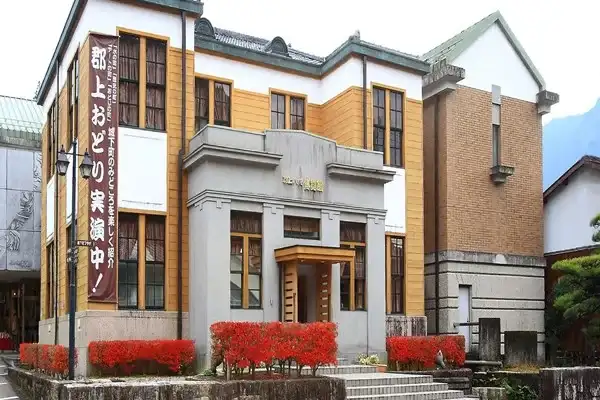
Gujo Hachiman Museum (Gujo Hachiman Dance)

Gujo Hachiman Museum (Gujo Hachiman Dance)

The Gujo Hachiman Museum is housed in a building originally constructed in Taisho 9 (1920) as a tax office. Exhibits relate to the local culture and environment, themed around the blessings of water, history, and traditional crafts. It also features live performances of the Gujo dance, a traditional folk dance with over 400 years of history, recognized as one of Japan's three major folk dances.

Monet's Pond (Nendo Shrine)

Near Nendo Shrine in Gifu Prefecture lies an unnamed pond with an impressionistic, dreamlike appearance. Filled with lotuses and koi, its clear water appears almost transparent under the sunlight, making it hard to tell there’s water inside. When water lilies bloom, it creates a serene and beautiful scene reminiscent of Monet’s famous works, earning it the name "Monet’s Water Lily Pond."
05

Gifu → Kyoto

After breakfast, drive to Kyoto, about 2-3 hours away by road. Although it’s a longer journey, it’s worth it to witness the stunning autumn leaves.

AI-rendered illustration

After breakfast, drive to Kyoto, about 2-3 hours away by road. Although it’s a longer journey, it’s worth it to witness the stunning autumn leaves.

Breakfast: at the hotel. Lunch: at your own expense. Dinner: at your own expense.

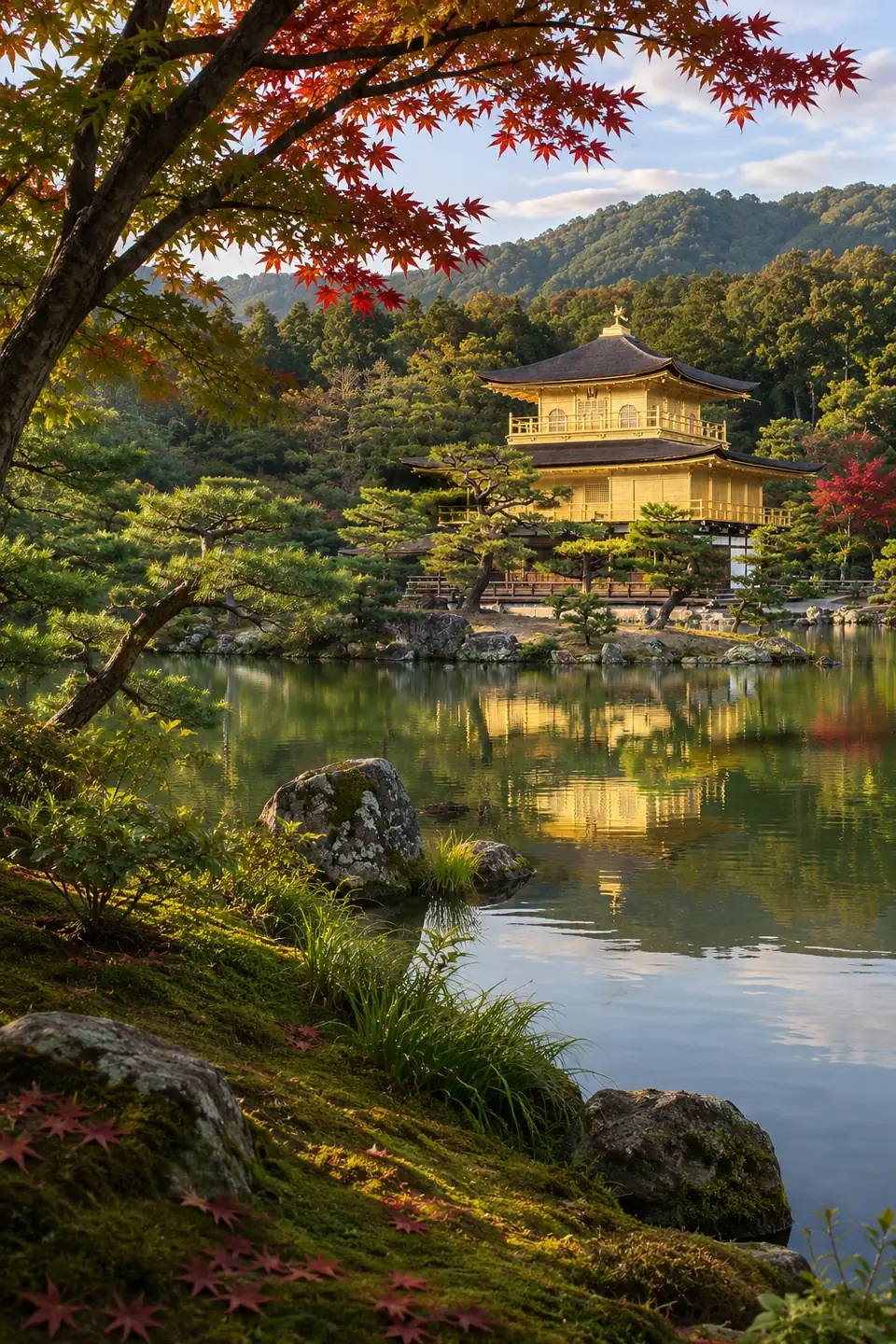
Kinkaku-ji TempleAI-rendered illustration

Kinkaku-ji Temple

Officially named Rokuon-ji, Kinkaku-ji developed from a villa associated with shogun Ashikaga Yoshimitsu into a Zen temple. Its familiar name, the Golden Pavilion, comes from the gold leaf covering its reliquary hall. The original pavilion was destroyed by arson in 1950; the golden structure seen today is a reconstruction.

Rurikō-in Temple

Rurikō-in Temple was originally the villa of Kyoto noble and politician Gentaro Tanaka, named "Kikakutei" by Meiji era statesman Sanjō Sanetomi. Underwent major renovations from Taisho to early Showa periods led by architect Gaiichi Nakamura and garden designer Tōemon Sano. In 2005 it became a temple named "Muryōju-san Kōmyō-ji Rurikō-in" affiliated with the Jodo Shinshu Higashi Honganji sect. Its name reflects the lush moss gardens and dynamic light within.

06

Kyoto → Nara → Osaka

In Kyoto and Nara, you’ll deeply feel the local culture and traditions. We’ll visit one of Japan’s centuries-old companies. At Nara Park, popular friendly deer await – be sure to greet them as you come and go.

AI-rendered illustration

In Kyoto and Nara, you’ll deeply feel the local culture and traditions. We’ll visit one of Japan’s centuries-old companies. At Nara Park, popular friendly deer await – be sure to greet them as you come and go.

Breakfast: at the hotel. Lunch: at your own expense. Dinner: at your own expense.

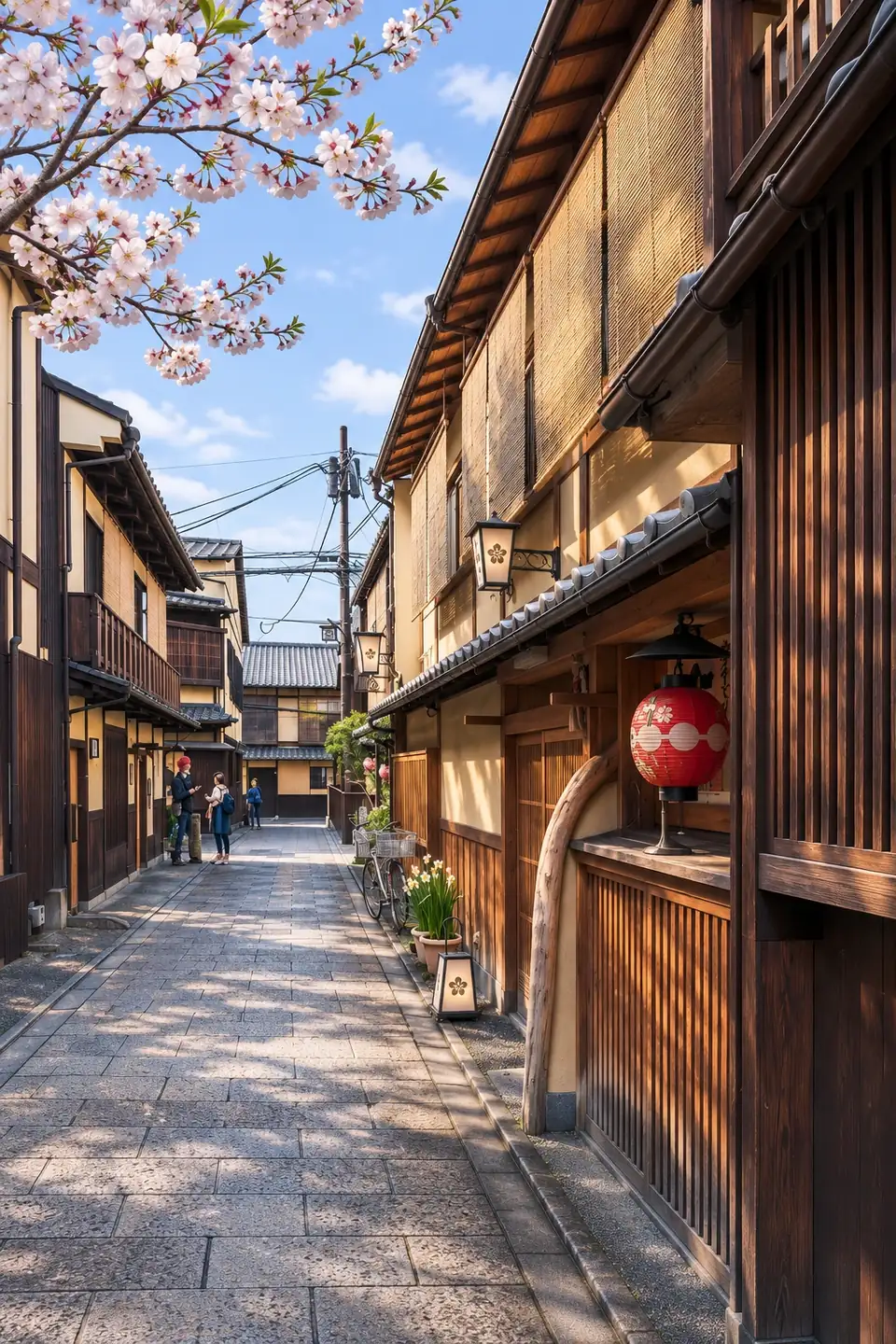
GionAI-rendered illustration

Gion

Gion is Kyoto's traditional entertainment district around Yasaka Shrine, the Kamo River and Higashioji-dori. It is known for its geiko and maiko culture, particularly in Gion Kobu and around Hanamikoji. Teahouses, restaurants, traditional buildings and small shops reward a leisurely visit. Kimono and yukata rentals are available, and the summer Gion Matsuri is a celebrated local festival.

Nara Park

Nara Park stretches across the eastern side of the city, near Mount Wakakusa, Todai-ji Temple, Kasuga Taisha and the Nara National Museum. Deer roam the grounds and are protected as a national natural monument. Fresh spring greenery, autumn foliage and quieter off-season walks give the park year-round appeal.

07

Osaka

Planned attractions for the day: Kuromon Market, Shinsaibashi. The itinerary ends locally in Osaka; airport transfer can be arranged separately based on actual flight times. International return flights and arrival dates at origin are not included.

AI-rendered illustration

Planned attractions for the day: Kuromon Market, Shinsaibashi. The itinerary ends locally in Osaka; airport transfer can be arranged separately based on actual flight times. International return flights and arrival dates at origin are not included.

Breakfast: at the hotel. Lunch: at your own expense. Dinner: at your own expense.

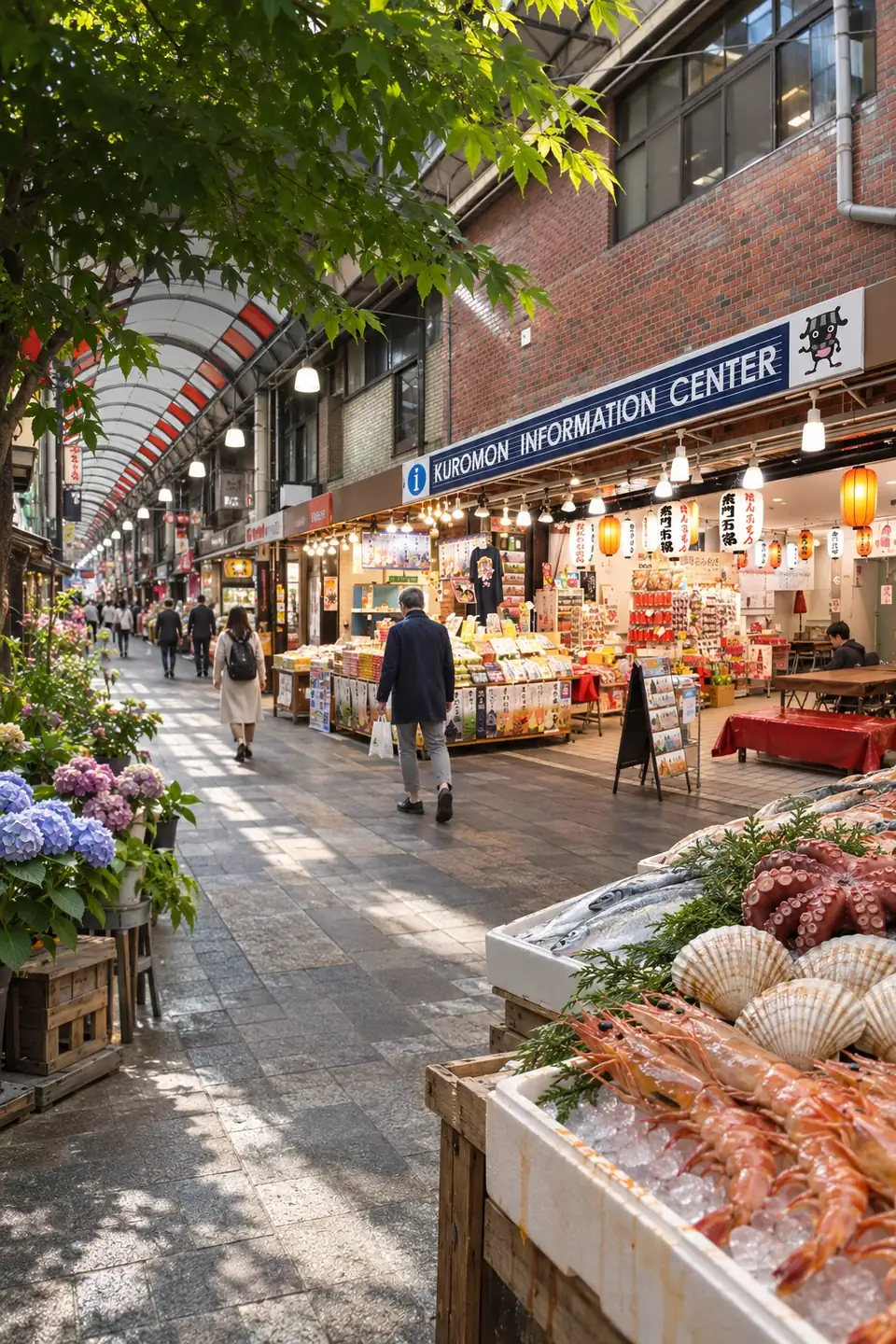
Kuromon MarketAI-rendered illustration

Kuromon Market

Known as Osaka’s kitchen, Kuromon Market is a traditional market that has operated since the Edo period. Stretching nearly 600 meters, it offers pickles, seafood, fruits and more with authentic flavors. You can enjoy fresh sashimi here, and late in the day, fresh products are sold at discounts.

Shinsaibashi

Shinsaibashi is one of Osaka's major shopping districts. Centered on the covered Shinsaibashi-suji arcade, it extends from Nagahori-dori toward Dotonbori. Boutiques, specialty stores, restaurants and department stores draw visitors throughout the day. Alongside shopping, enjoy Osaka specialties and international food, or explore nearby cinemas, theaters and nightlife.

YOUR ROUTE

Know the shape of your journey.

Starts in
Nagoya
Ends in
Osaka
Local itinerary
7 days

A proposal shaped around you

Use this route as a starting point. Tell us your dates, pace and accommodation preferences.

Your quote will specify accommodation, guiding, transport, activities, meals and any optional arrangements before you book. International flights and airport transfers are discussed separately.

TRAVEL IN COMFORT

The right vehicle for your group.

Toyota Alphard

Up to 6 passengers

Toyota HiAce

Up to 9 passengers

Our main touring vehicles. We recommend a vehicle based on your group size and luggage. Maximum seating capacity does not guarantee room for all bags when every seat is occupied. Vehicle availability is confirmed for your destination.

More to discover

Shirakawa-go Gassho Village

Shirakawa-go is a tranquil mountain village surrounded by mountains, with rice paddies and rivers running through. The village’s traditional gassho-style thatched houses number over 110, grouped together, and were designated a UNESCO World Cultural Heritage site in 1995. At the open-air museum, the Gassho Village Heritage Park, 25 gassho houses from across Shirakawa-go have been relocated and preserved. The park also features temple replicas, waterwheel huts, charcoal kilns, and stables built in the style of old rural villages. Traditional crafts such as dyeing and weaving are demonstrated, and visitors can experience them hands-on.

Gero Onsen Street

Gero’s natural hot springs reach temperatures up to 84°C, authentic natural springs. The alkaline simple hot spring water is clear, slightly fragrant, and mild. Soaking in the warm water leaves skin silky smooth. There is a publicly accessible open-air mixed bath in Gero town where people of all ages and genders can freely soak wearing swimsuits, one of Japan’s few mixed-gender hot spring spots.

Mino Washi Paper Museum (Traditional Paper Making Experience)

Founded in 1994, the Mino Washi Paper Museum preserves paper-making techniques dating back over 1,300 years. Though we use paper daily, few know its origins. Here, visitors can try traditional paper-making with a roughly 20-minute session resulting in a finished product about 33 cm by 45 cm. It's a hands-on craft experience (fee approximately 32 RMB per person).

Kinkaku-ji Temple

Officially named Rokuon-ji, Kinkaku-ji developed from a villa associated with shogun Ashikaga Yoshimitsu into a Zen temple. Its familiar name, the Golden Pavilion, comes from the gold leaf covering its reliquary hall. The original pavilion was destroyed by arson in 1950; the golden structure seen today is a reconstruction.

Rurikō-in Temple

Rurikō-in Temple was originally the villa of Kyoto noble and politician Gentaro Tanaka, named "Kikakutei" by Meiji era statesman Sanjō Sanetomi. Underwent major renovations from Taisho to early Showa periods led by architect Gaiichi Nakamura and garden designer Tōemon Sano. In 2005 it became a temple named "Muryōju-san Kōmyō-ji Rurikō-in" affiliated with the Jodo Shinshu Higashi Honganji sect. Its name reflects the lush moss gardens and dynamic light within.

Sagano Scenic Railway (Maple Season)

The Sagano Scenic Railway departs from Saga Station to Kameoka Station, running slowly along the picturesque Hozu River Gorge. The ride lasts about 25 minutes and is particularly stunning during autumn foliage season.

Gion

Gion is Kyoto's traditional entertainment district around Yasaka Shrine, the Kamo River and Higashioji-dori. It is known for its geiko and maiko culture, particularly in Gion Kobu and around Hanamikoji. Teahouses, restaurants, traditional buildings and small shops reward a leisurely visit. Kimono and yukata rentals are available, and the summer Gion Matsuri is a celebrated local festival.

Nara Park

Nara Park stretches across the eastern side of the city, near Mount Wakakusa, Todai-ji Temple, Kasuga Taisha and the Nara National Museum. Deer roam the grounds and are protected as a national natural monument. Fresh spring greenery, autumn foliage and quieter off-season walks give the park year-round appeal.

Before you go

This journey starts at the destination. Seasonal experiences, service inclusions and availability are confirmed with your personalized proposal.

Original source & photography · 6renyou ↗

Image credits and illustrations

BEFORE YOU PLAN

Travel planning, clearly explained.

OpenEast brings together Japan and South Korea itinerary ideas for travelers from North America, with China also part of our destination plans. Start with the local route, then consider flights and airport transfers around it.

When does Day 1 begin?

Day 1 begins at the destination. International departure-only and return flight days are not counted as destination days. Plan your flights around the local itinerary dates.

Are flights and airport transfers included?

International flights and airport transfers are confirmed separately. Do not assume they are included in a suggested itinerary.

Are these confirmed departures?

These routes are itinerary ideas. Dates, hotels, admissions, seasonal activities, prices and availability need confirmation in a personalized proposal before booking.

Can I book or send an inquiry here?

Use the inquiry form to contact our team. A submission confirmation appears only when the email service accepts your request. An inquiry does not reserve a service or take payment.

Explore Japan itineraries → · Explore South Korea itineraries →

1 / 5

Let’s plan your journey.

[Autumn Story: 7-Day Kansai + Chubu Autumn Foliage Tour] Shirakawa-go Gassho Village + Gero Onsen + Mino Washi Paper Making + Sagano Scenic Train

Leave your details, and our travel specialists will get in touch by email or your preferred contact method.

Your specialist will confirm the itinerary, pricing and availability with you.

How we use your information

Your inquiry is sent to info@jasperlimo.com so our team can respond. Please do not include passport or payment details.

Start planning