Japan · 9 DAYS

Maple Stories - Hokkaido Autumn Colors 9-Day Tour

Hokkaido → Sapporo → Noboribetsu → Hakodate → Lake Toya → Otaru → Asahikawa → Sounkyo → Abashiri → Shiretoko → Kushiro → Obihiro → Furano → Biei

9 daysWinterItinerary idea

Request this itinerary

Leave your details, and our travel specialists will get in touch by email or your preferred contact method.

Your specialist will confirm the itinerary, pricing and availability with you.

How we use your information

Your inquiry is sent to info@jasperlimo.com so our team can respond. Please do not include passport or payment details.

JOURNEY HIGHLIGHTS

Japan, made personal.

Maple Stories - Hokkaido Autumn Colors 9-Day Tour | Jozankei Autumn Leaves + Hakodate Kosetsuen (Miharashi Park) + Sounkyo Daisetsuzan + Shiretoko Pass

Day 1 starts in Hokkaido → Sapporo → Noboribetsu. International airfare is arranged separately.

    Your journey, day by day

    01

    Hokkaido → Sapporo → Noboribetsu

    Day 1 counts from arrival in Hokkaido. Your local activities and hotel check-in will be arranged based on actual arrival time; international departures and flights crossing borders are not included in this itinerary. Local route after arrival: Hokkaido > Sapporo > Noboribetsu. Planned site for the day: Hoheikyo Dam, schedule adjusted per arrival time. Airport transfers can be arranged separately as confirmed.

    Day 1 counts from arrival in Hokkaido. Your local activities and hotel check-in will be arranged based on actual arrival time; international departures and flights crossing borders are not included in this itinerary. Local route after arrival: Hokkaido > Sapporo > Noboribetsu. Planned site for the day: Hoheikyo Dam, schedule adjusted per arrival time. Airport transfers can be arranged separately as confirmed.

    Breakfast: at your own expense. Lunch: at your own expense. Dinner: at your own expense.

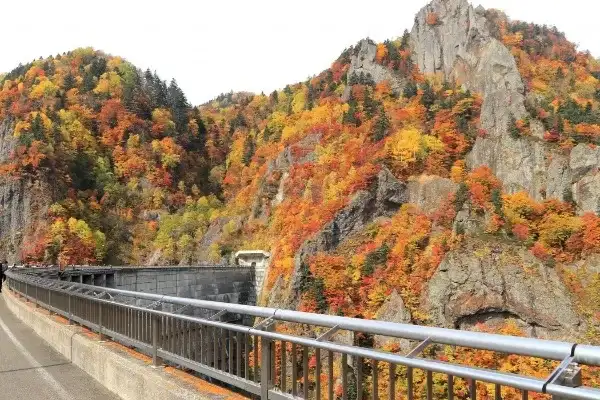
    Hoheikyo Gorge

    Hoheikyo Gorge

    Hoheikyo Gorge is located about 7 km upstream from Jozankei Onsen in Minami Ward, Sapporo City, within the Shikotsu-Toya National Park. Its core landmark is the Hoheikyo Dam. It is a well-known natural canyon and autumn foliage viewing spot near Sapporo and has been selected among Japan's "Top 100 Water Source Forests" and "Top 100 Dam Lakes."

    02

    Noboribetsu → Hakodate

    After hotel breakfast, depart for Noboribetsu Hell Valley. ★ Mid to late October is the best time for autumn foliage ★ Take a leisurely walk in this volcanic, steam-emitting valley with distinct sulfur scents. Formed about 10,000 years ago by volcanic eruptions, the valley features hot springs emerging daily. A circular walking path takes about 10 minutes to complete, offering breathtaking views of steam rising skyward.

    AI-rendered illustration

    After hotel breakfast, depart for Noboribetsu Hell Valley. ★ Mid to late October is the best time for autumn foliage ★ Take a leisurely walk in this volcanic, steam-emitting valley with distinct sulfur scents. Formed about 10,000 years ago by volcanic eruptions, the valley features hot springs emerging daily. A circular walking path takes about 10 minutes to complete, offering breathtaking views of steam rising skyward.

    Breakfast: at your own expense. Lunch: at your own expense. Dinner: at your own expense.
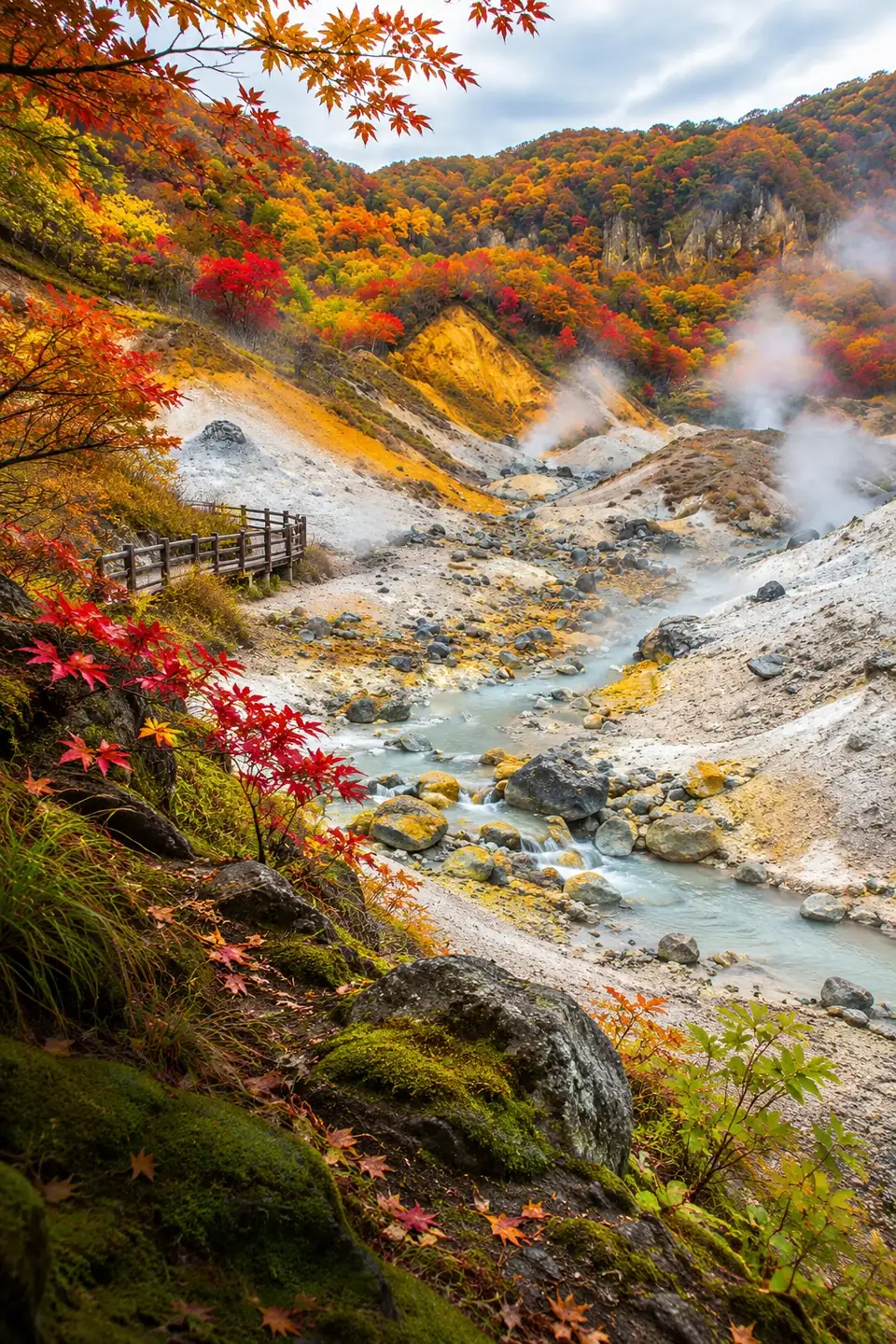
    Noboribetsu Hell ValleyAI-rendered illustration

    Noboribetsu Hell Valley

    Noboribetsu Hell Valley is a volcanic crater formed during a volcanic eruption of Mount Hiyori, and is the largest hot spring source in Noboribetsu Onsen. Bubbles constantly spurt from hot springs and steam vents; the boiling water resembles an 'evil demon’s hell,' hence the name Hell Valley.

    Onuma Quasi-National Park

    Onuma Quasi-National Park is an important natural scenic spot near Hakodate, formed by the volcanic activity of Mount Komagatake resulting in the damming of Onuma and Konuma lakes. Mount Komagatake remains an active volcano but has been flattened at the summit due to intense eruptions. The park showcases Hokkaido’s wild and pristine nature, with countless islands in the lakes. Some islands connect by bridges, allowing visitors to hike or rent bicycles. Large cruise boats tour Onuma Lake, while boating is possible on Konuma Lake.

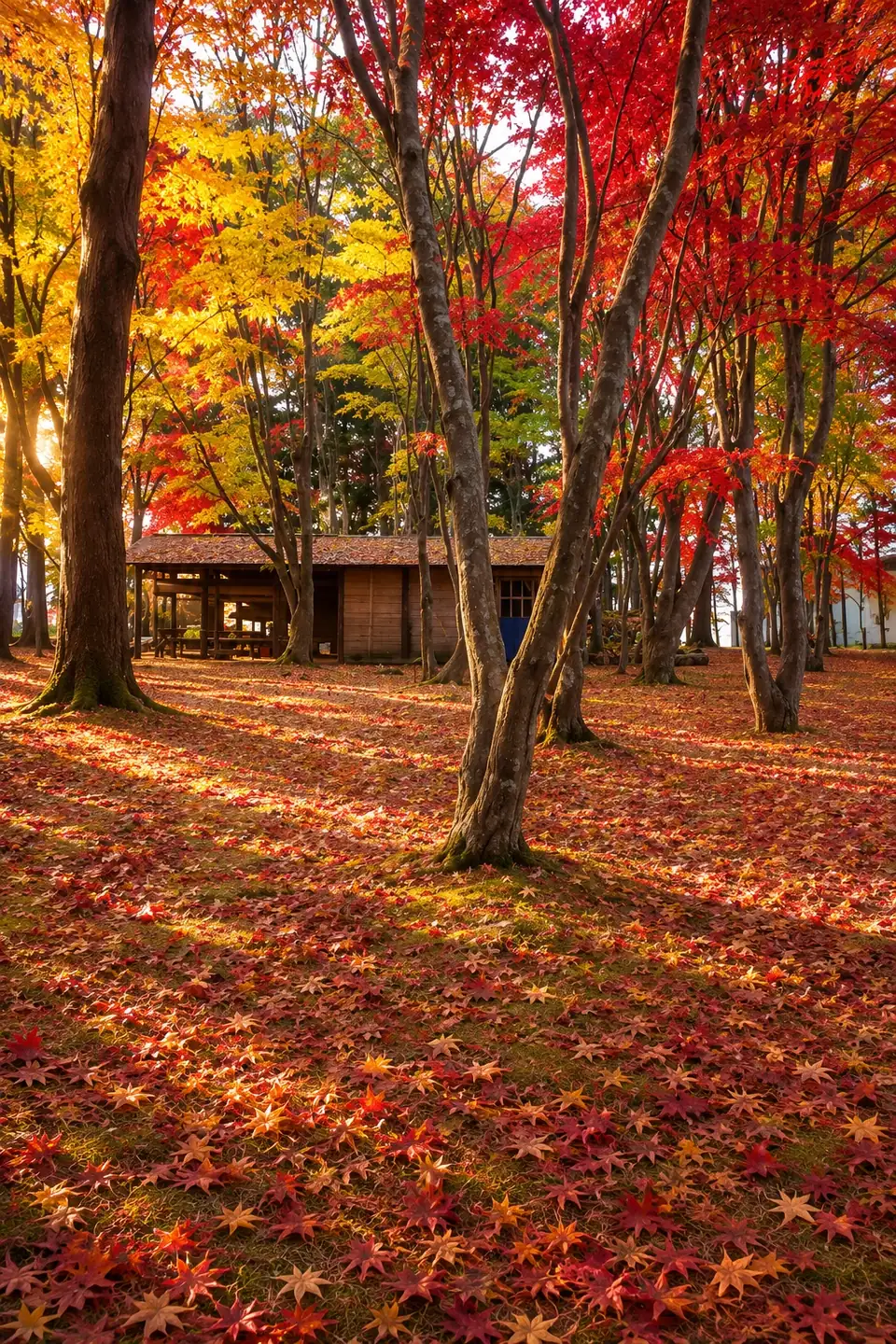
    Miharashi Park (Kosetsuen Garden)

    This park features a Japanese garden where old Japanese buildings harmonize with lush plants and trees. Especially notable is the stunning autumn foliage; from late October to mid-November, the garden appears illuminated with colorful leaves, creating a dreamlike atmosphere.

    Mount Hakodate

    Mount Hakodate overlooks the city between Hakodate Bay and the Tsugaru Strait. The view received three stars in the Michelin Green Guide Japan. This is a travel-guide distinction rather than a restaurant star award. Visibility and ropeway operations depend on conditions.
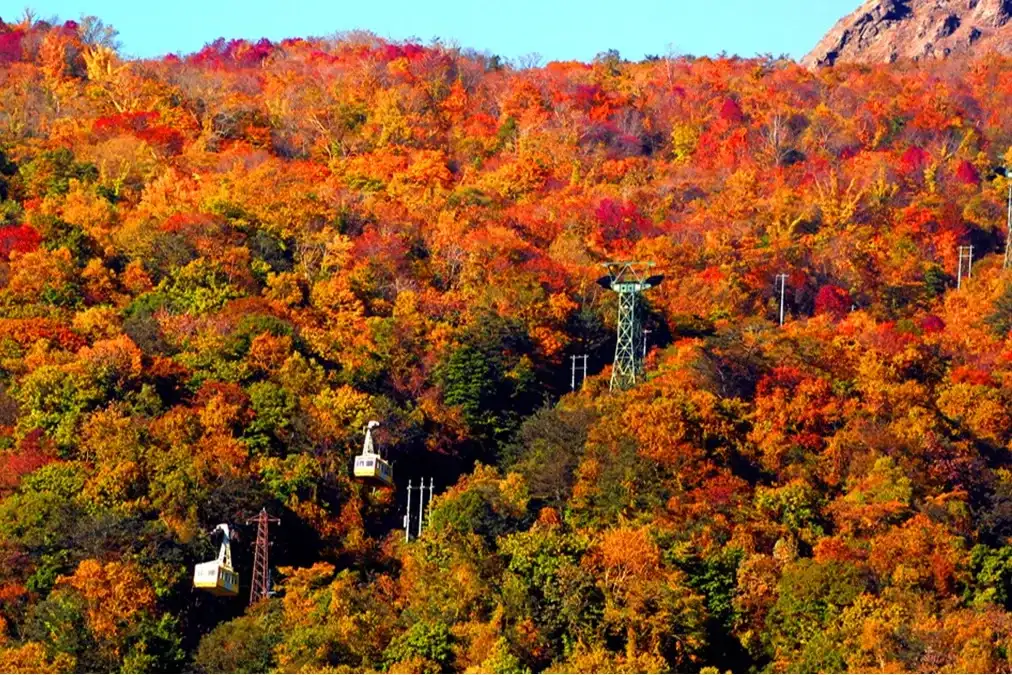
    03

    Hakodate → Lake Toya

    Hakodate Municipal Tropical Botanical Garden - Snow Monkey Hot Springs

    Hakodate Tropical Botanical Garden is known for its tropical plant collection, but its biggest attraction for visitors is the Snow Monkey Park. There are about 100 Japanese macaques living freely here. Year-round, they are lively, but the highlight is watching the monkeys bathing leisurely in the hot springs during cold seasons. From December 1 to early May, the garden fills pools with hot spring water, and the monkeys warm themselves by soaking in them, resembling human hot spring bathing. This unique sight is a famous attraction in Hakodate.

    Kanemori Warehouses

    Originally warehouses for storing goods at Hakodate Port, the Kanemori Warehouses form a group of European-style brick buildings made from red bricks, hence the common name Kanemori Red Brick Warehouses. Now repurposed for entertainment, dining, and leisure, their original structure and the large "Mori" character on the exterior walls remain. The most famous is the Western Goods Hall, the largest in the group, hosting over 20 boutiques offering imported items from around the world, with a rich variety and reasonable prices, often cheaper than domestic options.

    Lake Toya

    Lake Toya is a volcanic lake about 36.5 kilometers around, formed tens of thousands of years ago after a volcanic eruption. It remains ice-free in winter. In spring, cherry blossoms bloom lakeside, summer features evening fireworks, and autumn brings colorful foliage. Aside from admiring the beautiful water and shores, hundreds of wild Sika deer inhabit the lake's central island. Visitors can enjoy hiking, fishing, camping, and hot springs. The lakeside Toya Sun Palace Hotel is one of Japan's top resort hotels and once hosted the G8 Summit. Nearby is the active volcano Mount Usu, last erupting in 2000, offering close-up views.

    Usuzan Ropeway

    Usuzan Ropeway

    The Usuzan Ropeway is one of the classic ways to witness the dramatic scenes of the Usu volcanic group. Although the ride lasts only six minutes, the view of Showa-Shinzan suddenly appearing, with smoke venting from the volcano, is breathtaking.

    04

    Lake Toya → Otaru → Asahikawa

    AI-rendered illustration

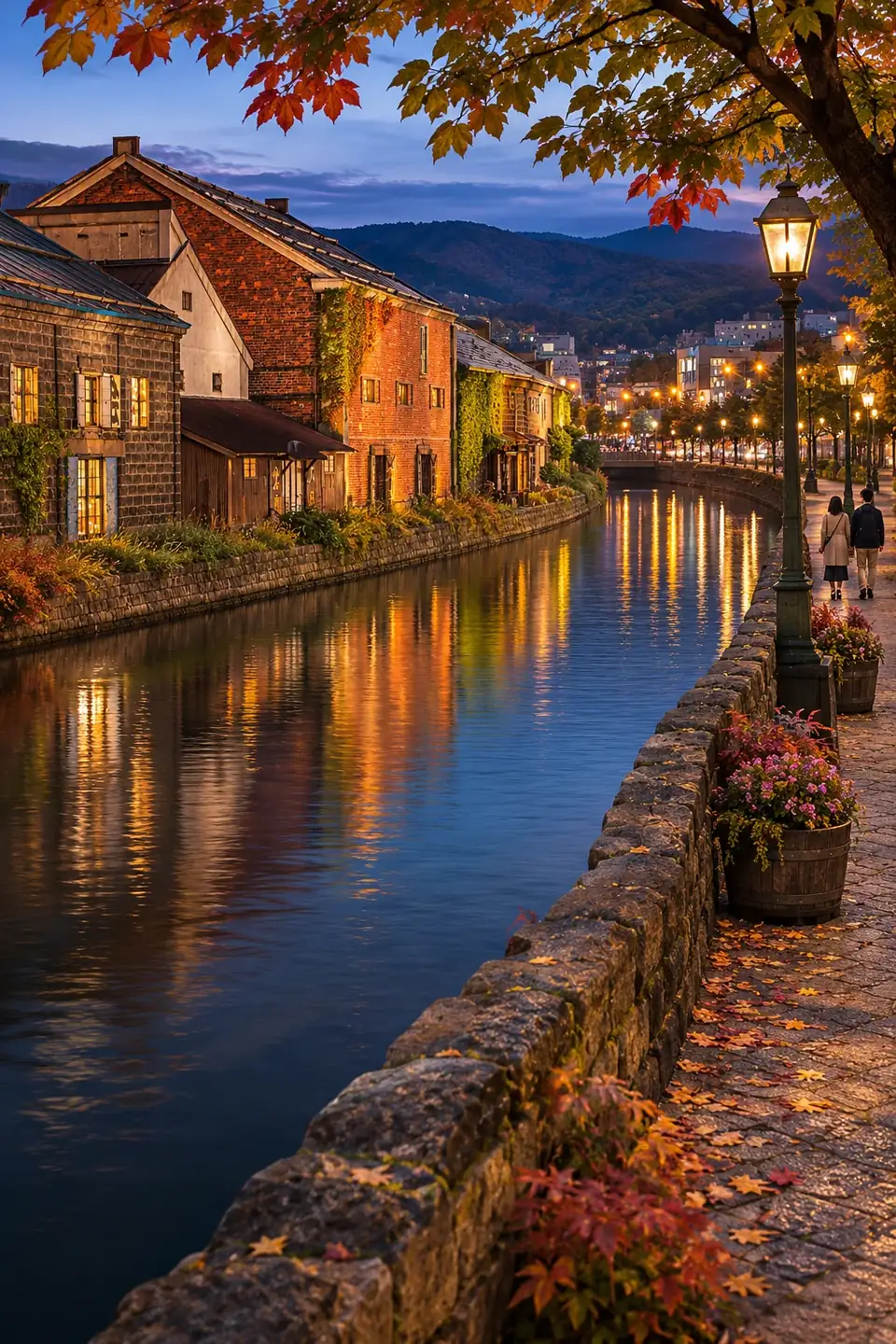
    Otaru CanalAI-rendered illustration

    Otaru Canal

    Otaru Canal is a signature Hokkaido waterfront landscape, with different moods throughout the year and particularly atmospheric winter scenes. Once used for cargo handling during the port city's commercial heyday, its surroundings now include craft shops and visitor attractions. Explore on foot, by rented bicycle, by rickshaw or on a sightseeing boat. The waterfront is especially attractive as evening lights come on.

    Otaru Music Box Museum

    The Otaru Music Box Museum occupies a historic building dating to 1912. Renaissance-style arched windows, dark red glazed brickwork and stone corner details give the building its distinctive character. Inside, music boxes form the focus of the visitor experience.

    Funamizaka Hill

    If you've seen the movie "Love Letter," Funamizaka will be familiar. Nestled in a quiet corner of Otaru, this slope’s name means 'hill with a view of boats.' It is Otaru's second steepest hill and from higher ground you gaze out to sea, recalling memorable scenes from the film.

    Asahikawa Ramen Village

    Asahikawa Ramen Village is home to many ramen shops clustered together, making it a ramen destination rather than a single restaurant. Each shop specializes in authentic Asahikawa ramen with distinctive features, all busy and popular. The noodles are slightly curly but firm and chewy, paired with a nutritious broth made from rich bone stock.

    05

    Asahikawa → Sounkyo → Abashiri

    Daisetsuzan Kurodake Ropeway Fall Foliage Viewing ★ Mid-September to mid-October ★ A 7-minute ride reaches an observation deck at 1,300 meters, offering vast views of Daisetsuzan National Park. Lake Notoro Coral Grass Scenic Viewing Coral grass turns brilliant red every September to October. Walking the wooden trails here lets you experience vibrant natural colors.

    AI-rendered illustration

    Daisetsuzan Kurodake Ropeway Fall Foliage Viewing ★ Mid-September to mid-October ★ A 7-minute ride reaches an observation deck at 1,300 meters, offering vast views of Daisetsuzan National Park. Lake Notoro Coral Grass Scenic Viewing Coral grass turns brilliant red every September to October. Walking the wooden trails here lets you experience vibrant natural colors.

    Breakfast: at your own expense. Lunch: at your own expense. Dinner: at your own expense.

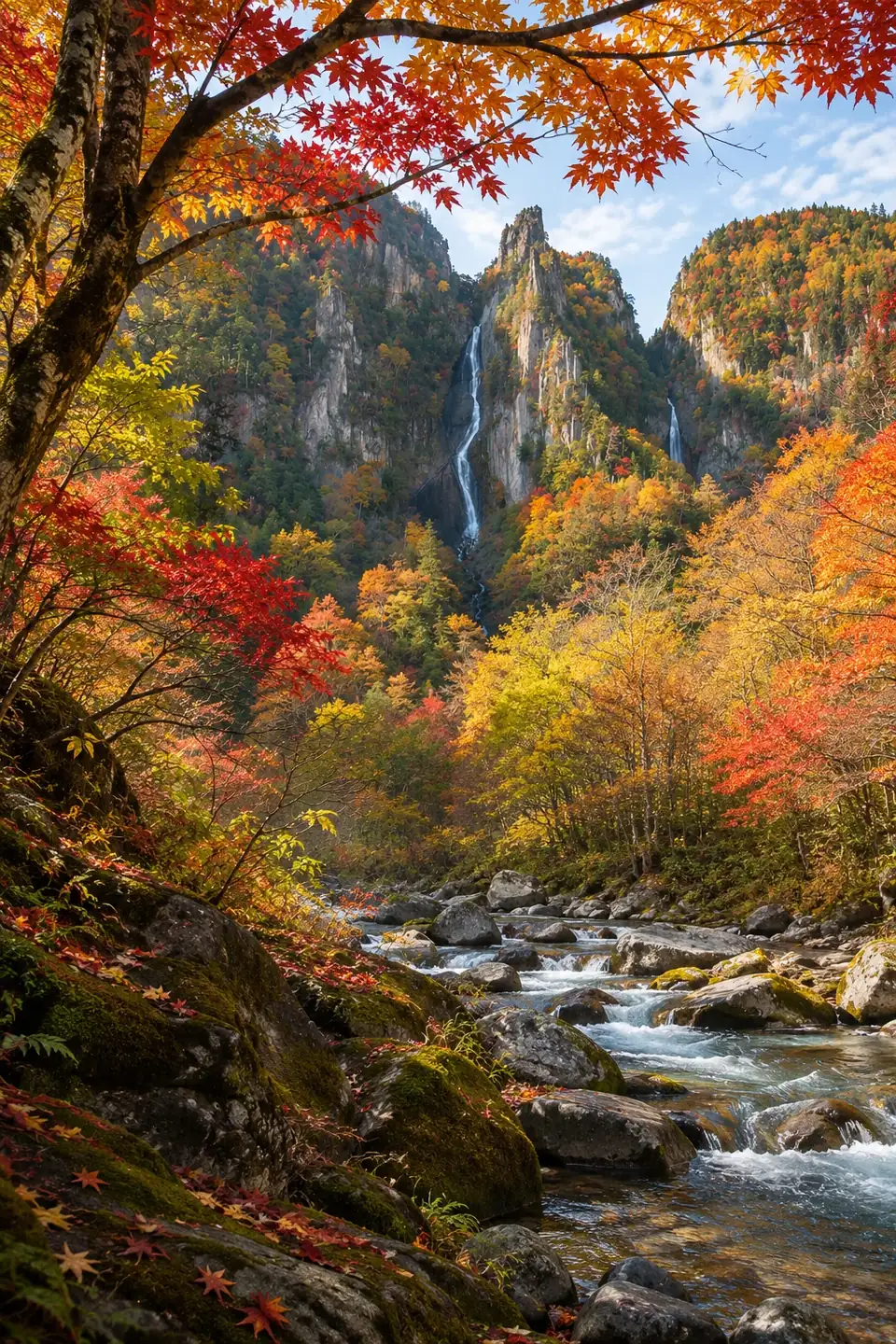
    Galaxy and Shooting Star Waterfalls

    The Galaxy and Shooting Star waterfalls are two famous sites within Sounkyo. Shooting Star Waterfall plunges straight down from a 90-meter cliff and is powerful, also called the Male Waterfall. Beside it, the Galaxy Waterfall flows gently by merging several small streams from 104 meters high and is known for its softness, also called the Female Waterfall. Together, they are known as the Couple Waterfalls.

    Sounkyo Kurodake Ropeway (Winter)

    Known as the "Roof of Hokkaido," Daisetsuzan is a mountain rich with nature and spectacular scenery. Starting from 670m elevation at Sounkyo, take the Sounkyo-Kurodake ropeway and Kurodake chairlift to easily reach the summit of Mount Kurodake, the main peak of Daisetsuzan. In spring and summer, enjoy alpine plants, observe Ezo flying squirrels, and hike. In autumn, admire vibrant fall foliage. Winter offers skiing and snow trekking. The area offers fun year-round, including Sounkyo's notable hot springs.

    Momiji ValleyAI-rendered illustration

    Momiji Valley

    Momiji Valley Park is situated at the foothills of the designated Mishima Primeval Forest Nature Reserve. As its name suggests, it is a prime spot for autumn foliage viewing. In fall, over 700 red maples cover the park in vivid crimson colors, creating a spectacular sight.

    Notoro Lake

    Notoro Lake is located in Abashiri City’s Abashiri Quasi-National Park. Named after nearby Notoro Cape, it transformed into a saltwater lake after 1973. The shoreline features a coral grass colony that turns vivid red each autumn, creating a striking spectacle.

    06

    Abashiri → Shiretoko → Kushiro

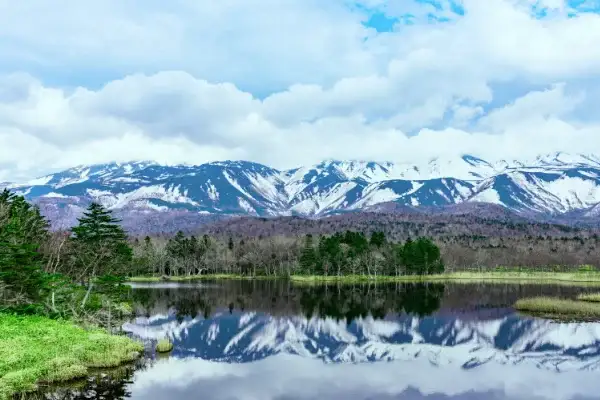
    Shiretoko National Park

    Shiretoko National Park

    Shiretoko National Park is a UNESCO World Heritage Site. Ancient volcanic mountain ranges extend to the deep blue sea, hiding stunning waterfalls, clear lakes, pristine forests, and diverse wildlife.

    Akan National Park

    Akan National Park is a mountainous park formed by volcanoes including Mount Meakan, Mount Oakan, and Akan-Fuji. Located in eastern Hokkaido, it centers around three volcanic lakes: Lake Akan, Lake Kussharo, and Lake Mashu. The scenery is majestic with abundant hot springs and is quite popular. Because it lies inland, it experiences significant temperature variation in one day. Even when daytime temperatures reach 30°C in summer, nights can fall below 10°C with radiative cooling often creating a sea of clouds. In winter, you can see frost-covered trees and sparkling ice beads formed from air moisture.

    Lake Kussharo

    Lake Kussharo is a beautiful caldera lake in Akan National Park. With a circumference of 57 km, it is the largest lake in the park. Visitors can enjoy various outdoor activities such as fishing, hiking, kayaking, and cycling around the lake. A unique aspect is the presence of several natural outdoor hot springs (rotenburo) along the lakeshore, which are free to use and, unlike most Japanese hot springs, require wearing swimsuits. Note that some bathing areas may appear less clean. There is also a beach made of natural hot sand heated by geothermal sources.

    07

    Kushiro → Obihiro → Furano

    Kushiro Marsh

    Located in Kushiro Marsh National Park, Kushiro Marsh bursts with wildflowers in summer, and is visited by red-crowned cranes in winter. Between April and October, you can ride the Kushiro Marsh train to enjoy the scenery or disembark at Kushiro Marsh Station and walk 20 minutes to the marsh observatory for vast views. Several lookouts dot the nearby hills, with Hosooka Observatory being the best vantage point. A walking trail named 'Tansho Road' lets visitors stroll through the marsh.

    Tsurui Village

    Tsurui Village is renowned for its strong conservation efforts protecting the rare red-crowned crane. Each migration season, numerous visitors from Japan and abroad gather at its two major feeding stations, Tsurumidai and Ito Red-Crowned Crane Protection Zone, to witness the cranes' elegant dances. Surrounded by the scenic landscape year-round, Tsurui Village borders Kushiro Shitsugen National Park, the natural summer habitat of the cranes.

    Kofuku Station (Hokkaido)

    Kofuku Station was a small train station in Kofuku Town, Hokkaido. The station closed in 1987 but the station building and two train cars remain. The small, somewhat dilapidated wooden station walls are covered with well-wishes written by visitors. Nearby vendors offer commemorative stamps and sell "Love and Happiness" tickets and related souvenirs.

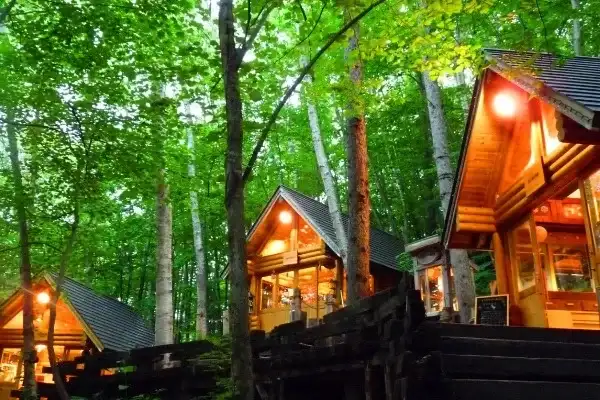
    Furano Elf Terrace

    Furano Elf Terrace

    Ningle Terrace, designed by Japanese author Sō Kuramoto, is a shopping street nestled in Furano’s forest. Surrounded by dense trees, wooden walkways lead to a dozen log cabin-style craft shops. Products are locally made, inspired by Furano’s nature, offering unique souvenirs and accessories with regional character.

    08

    Furano → Biei → Sapporo

    AI-rendered illustration

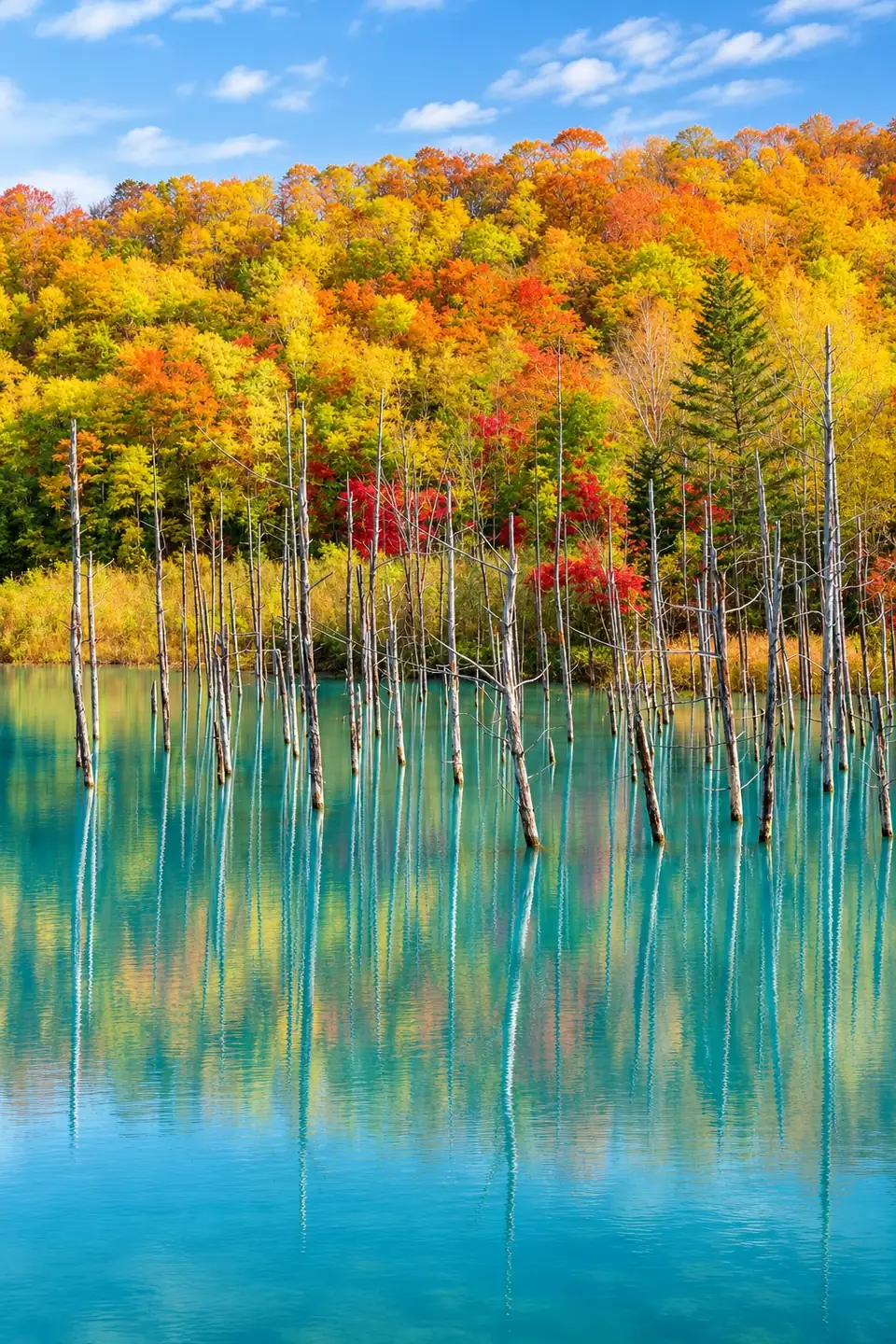
    Blue Pond (Autumn)AI-rendered illustration

    Blue Pond (Autumn)

    Shiroishi Blue Pond attracts hundreds of visitors during summer. However, it is also a lesser-known, excellent spot for viewing autumn leaves. When the color of the leaves interlaces with the pond's tranquil blue surface, it creates a unique color tapestry not seen in summer. Early October is the ideal time to view autumn foliage around the Blue Pond, as the surrounding broadleaf trees display brilliant colors.

    Odori Park

    Odori Park runs east–west for approximately 1.5 kilometers through central Sapporo. Its origins date to an 1871 firebreak separating government buildings to the north from residential and commercial districts to the south. It has become a major public space and event venue, associated with the Yosakoi Soran Festival, summer beer gardens, Bon festivities, the Snow Festival and winter illuminations. Event dates vary by year.

    Hokkaido University (winter season)

    Hokkaido University boasts a large campus that blends history and nature. The campus preserves buildings from its founding in the Meiji era, along with green spaces, streams, woods, and a farm. Highlights include the half-length statue of Dr. Clark symbolizing the university, the century-old Furukawa Hall, a comprehensive museum housing fossils of extinct animals from millions of years ago, a scenic ginkgo avenue lined with over 70 tall ginkgo trees, and the site of the Second Farm used during the Sapporo Agricultural College period. These elements showcase the rich characteristics of Hokkaido.

    Tanukikoji Shopping Street

    With more than a century of history, Tanukikoji stretches for approximately one kilometer across seven blocks in central Sapporo. More than 200 shops and businesses offer fashion, electronics, entertainment and dining.

    09

    Sapporo

    Enjoy free time as your departure schedule allows. The itinerary ends locally in Sapporo. An airport transfer can be arranged upon request according to flight details. International return flights and the day you arrive home are not included in this itinerary.

    AI-rendered illustration

    Enjoy free time as your departure schedule allows. The itinerary ends locally in Sapporo. An airport transfer can be arranged upon request according to flight details. International return flights and the day you arrive home are not included in this itinerary.

    YOUR ROUTE

    Know the shape of your journey.

    Starts in
    Hokkaido
    Ends in
    Sapporo
    Local itinerary
    9 days

    A proposal shaped around you

    Use this route as a starting point. Tell us your dates, pace and accommodation preferences.

    Your quote will specify accommodation, guiding, transport, activities, meals and any optional arrangements before you book. International flights and airport transfers are discussed separately.

    TRAVEL IN COMFORT

    The right vehicle for your group.

    Toyota Alphard

    Up to 6 passengers

    Toyota HiAce

    Up to 9 passengers

    Our main touring vehicles. We recommend a vehicle based on your group size and luggage. Maximum seating capacity does not guarantee room for all bags when every seat is occupied. Vehicle availability is confirmed for your destination.

    Before you go

    This journey starts at the destination. Seasonal experiences, service inclusions and availability are confirmed with your personalized proposal.

    Original source & photography · 6renyou ↗

    Image credits and illustrations

    BEFORE YOU PLAN

    Travel planning, clearly explained.

    OpenEast brings together Japan and South Korea itinerary ideas for travelers from North America, with China also part of our destination plans. Start with the local route, then consider flights and airport transfers around it.

    When does Day 1 begin?

    Day 1 begins at the destination. International departure-only and return flight days are not counted as destination days. Plan your flights around the local itinerary dates.

    Are flights and airport transfers included?

    International flights and airport transfers are confirmed separately. Do not assume they are included in a suggested itinerary.

    Are these confirmed departures?

    These routes are itinerary ideas. Dates, hotels, admissions, seasonal activities, prices and availability need confirmation in a personalized proposal before booking.

    Can I book or send an inquiry here?

    Use the inquiry form to contact our team. A submission confirmation appears only when the email service accepts your request. An inquiry does not reserve a service or take payment.

    Explore Japan itineraries → · Explore South Korea itineraries →

    1 / 6

    Let’s plan your journey.

    Maple Stories - Hokkaido Autumn Colors 9-Day Tour | Jozankei Autumn Leaves + Hakodate Kosetsuen (Miharashi Park) + Sounkyo Daisetsuzan + Shiretoko Pass

    Leave your details, and our travel specialists will get in touch by email or your preferred contact method.

    Your specialist will confirm the itinerary, pricing and availability with you.

    How we use your information

    Your inquiry is sent to info@jasperlimo.com so our team can respond. Please do not include passport or payment details.

    Start planning