After breakfast at the hotel, visit Ooyashiro Shrine (Torii Gate Over Water). The large tidal difference between low and high tide produces varying scenic views. This lesser-known spot is rated among Japan's top ten must-see sights. Next, visit Yutoku Inari Shrine, one of Japan’s three major Inari shrines, popular for prayers for business prosperity, family wealth, abundant fishing, and traffic safety. Proceed to Saga Ninja Village, Japan’s only large-scale theme park faithfully recreating Edo period architecture with a ninja theme. Then explore Arita Porcelain Park, a cultural site combining European architectural style with traditional Japanese ceramic craftsmanship, featuring pottery experiences and a history exhibition. Overnight stay at Takeo Onsen.
Breakfast: at your own expense. Lunch: at your own expense. Dinner: at your own expense.
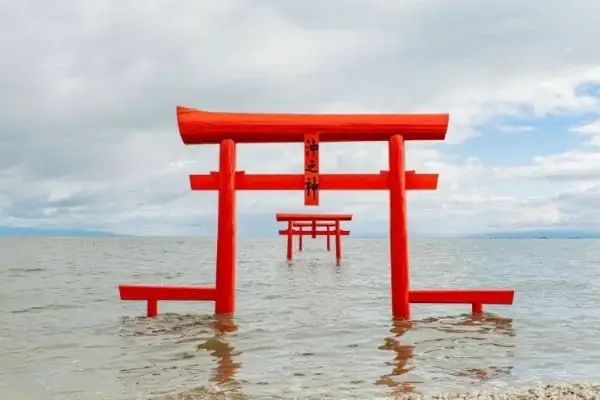
Ooyashiro Shrine (Torii Gate Over Water)
The sea torii gate at Ooyashiro Shrine can be walked through at low tide. Depending on sunrise, moon phases, and tide levels, this spot offers spectacular scenes ideal for photography.
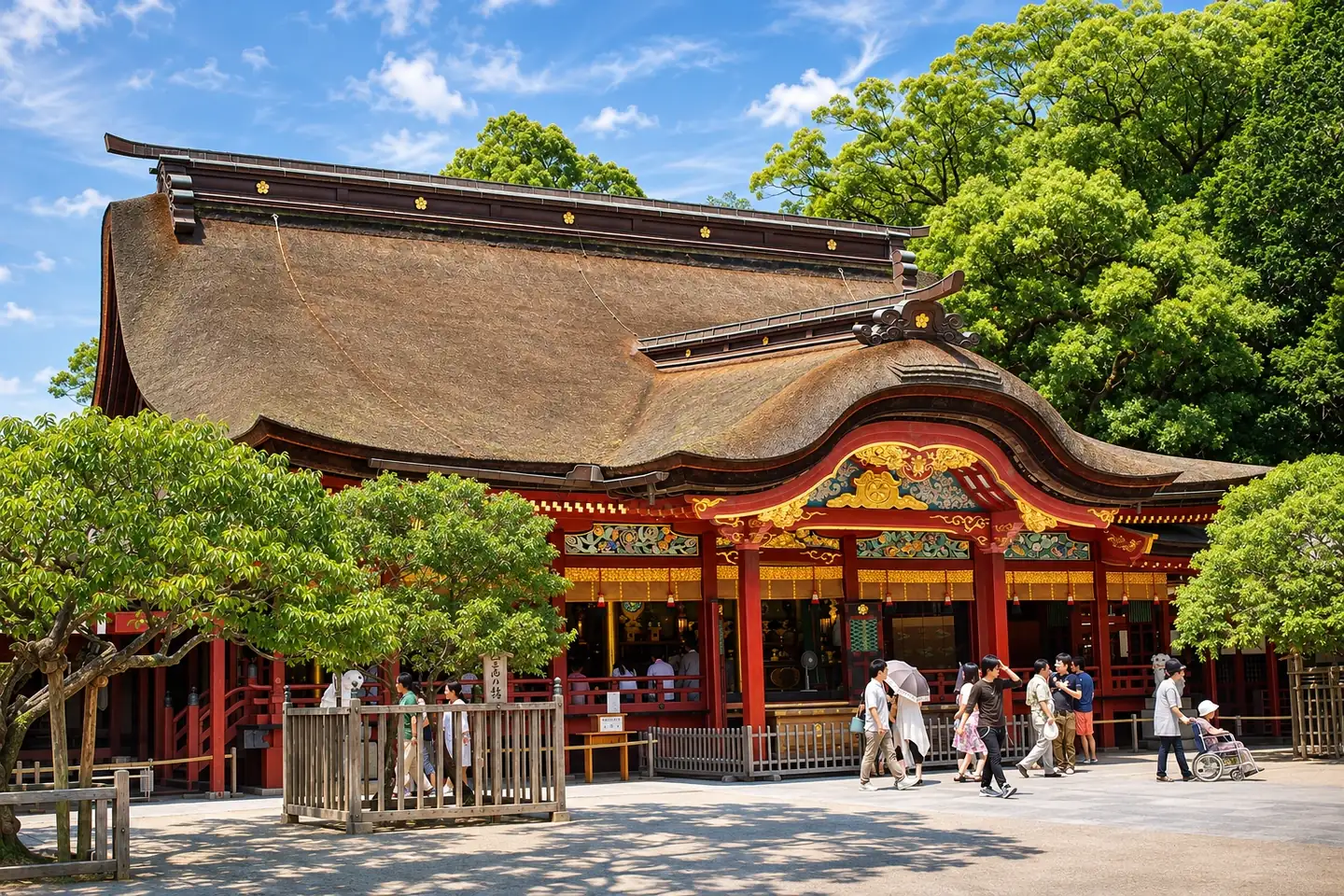
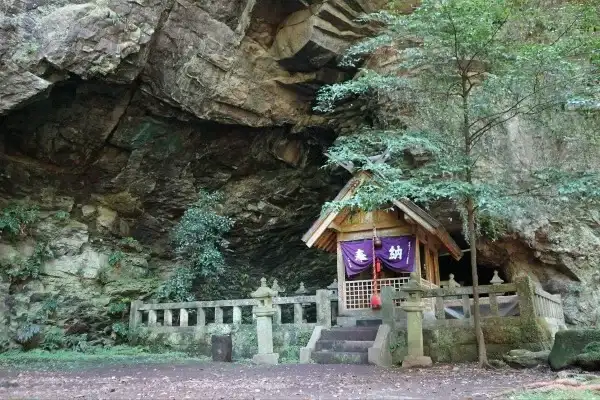
Yutoku Inari Shrine
Yutoku Inari Shrine was established in 1687 and is one of Japan's three great Inari shrines alongside Fushimi Inari and Kasama Inari. Its origin traces to Hanako Taifu, wife of the daimyo Nabeshima Naomasa of Kashima Domain, who brought the Inari deity's spirit from Kyoto's Hanakawauchi residence upon marriage. The main hall is built against a stone cliff in a spacious area at the mountain's base. The shrine complex includes a tower gate, kagura hall, main hall, and worship hall, all decorated with lacquerwork. Because of its style and grandeur, it is nicknamed "Nishinippon’s Nikko." Famous rituals include the spring festival “Tamaoka” on April 8 and the autumn fire festival “Himatsuri” on December 8.
Saga Ninja Village
Located in Ureshino City, Saga Prefecture, the Saga Ninja Village theme park "Original Ninja Village Hizen Yume Kaido" recreates the Edo period Nagasaki highway town with about 40 facilities including checkpoints, magistrate's office, ninja houses, theater, and mechanical clock tower.
Arita Porcelain Park
Arita Porcelain Park is a leisure park themed around ceramics. Its highlight is a ceramic art museum modeled after Germany’s Zweibrücken Palace. The museum houses world-renowned Arita ware ceramics, tracing the history from the Edo to Meiji periods, including a notable 180 cm tall vase exhibited at the 1870 Vienna World Expo. Visitors can enjoy hands-on pottery shaping and painting, even beginners can create unique Arita ware works. The annual Arita Pottery Fair held from late April to early May is a grand local festival with nearly a century of history.
Takeo Onsen
Takeo Onsen dates back 1,300 years, documented in the ancient "Hizen Province Fudoki." The vermilion tower gate symbolizes the hot springs and was designed by architect Tatsuno Kingo, a native of Saga Prefecture who also contributed to Tokyo Station's design.
 AI-rendered illustration
 AI-rendered illustration
 AI-rendered illustration
 AI-rendered illustration

