Japan · 7 DAYS

Hokuriku Winter Secret: 7-Day Shirakawa-go Illumination Festival Tour

Nagoya → Nagano Prefecture → Matsumoto → Takayama → Shirakawa-go → Kanazawa → Gifu

In-depth visits to historic villages and natural wonders. Experience traditional crafts and the charm of modern shopping streets.

7 daysWinterItinerary idea

Request this itinerary

Leave your details, and our travel specialists will get in touch by email or your preferred contact method.

Your specialist will confirm the itinerary, pricing and availability with you.

How we use your information

Your inquiry is sent to info@jasperlimo.com so our team can respond. Please do not include passport or payment details.

JOURNEY HIGHLIGHTS

Japan, made personal.

[Hokuriku Winter Secret: 7-Day Shirakawa-go Illumination Festival Tour] Explore Takayama’s sake breweries, ride the Shinhotaka Ropeway, see snow monkeys bathing in hot springs at Jigokudani, enjoy Shirakawa-go’s winter scenery, and visit the real-life location of "Your Name."

Day 1 starts in Nagoya. International airfare is arranged separately.

  • 01In-depth visits to historic villages and natural wonders.
  • 02Experience traditional crafts and the charm of modern shopping streets.
  • 03Enjoy the annual Shirakawa-go Illumination Festival.

Your journey, day by day

01

Nagoya

Day 1 counts from arrival in Nagoya. Activities and accommodation will be arranged based on actual arrival times; international flights are not included. Airport transfers can be arranged separately; inclusion depends on the confirmed plan.

AI-rendered illustration

Day 1 counts from arrival in Nagoya. Activities and accommodation will be arranged based on actual arrival times; international flights are not included. Airport transfers can be arranged separately; inclusion depends on the confirmed plan.

Breakfast: at your own expense. Lunch: at your own expense. Dinner: at your own expense.

02

Nagoya → Nagano Prefecture → Matsumoto

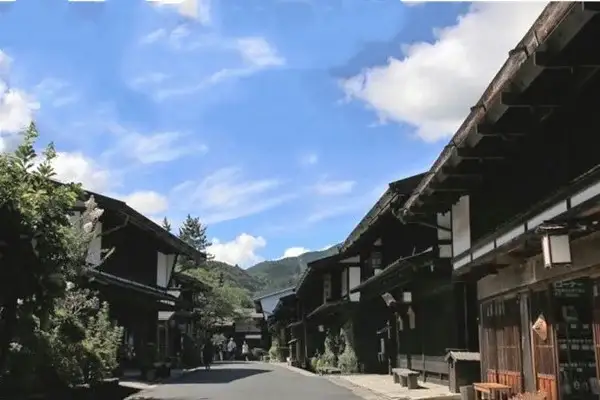
After hotel breakfast, gather to visit Tsumago-juku, a well-preserved post town on the Nakasendo Trail with Edo-period streets that evoke a tranquil atmosphere reminiscent of a traveler’s rest. Then visit Magome-juku, another well-maintained Nakasendo post town featuring stone-paved streets and traditional Edo-style buildings, offering nostalgic local snacks and atmosphere. Next is Lake Suwa in Suwa City, Nagano Prefecture—the real-life inspiration for Itomori Lake in the animated film "Your Name." Then visit Suwa Taisha Shrine. Overnight in Matsumoto hotel. Includes 10 hours car service today.

After hotel breakfast, gather to visit Tsumago-juku, a well-preserved post town on the Nakasendo Trail with Edo-period streets that evoke a tranquil atmosphere reminiscent of a traveler’s rest. Then visit Magome-juku, another well-maintained Nakasendo post town featuring stone-paved streets and traditional Edo-style buildings, offering nostalgic local snacks and atmosphere. Next is Lake Suwa in Suwa City, Nagano Prefecture—the real-life inspiration for Itomori Lake in the animated film "Your Name." Then visit Suwa Taisha Shrine. Overnight in Matsumoto hotel. Includes 10 hours car service today.

Breakfast: at the hotel. Lunch: at your own expense. Dinner: at your own expense.

Tsumago Post Town

Tsumago Post Town

Tsumago-juku is the 42nd post town on the Nakasendo route, located on the eastern bank of the Nagiso River in Nagano Prefecture's Kiso District. Along with nearby Magome-juku and the mountain trail connecting them, it is a famous Kiso Road sightseeing spot. In 1976, it was designated an important preservation district for groups of historic buildings, one of the first selected.

Magome-juku

Magome-juku was the 43rd of the 69 post stations on the Edo-period Nakasendo route, about 332 km from its starting point at Nihonbashi in Edo (Tokyo). Built along steep mountain paths with stone retaining walls, the town center features the honjin (principal inn), waki-honjin (secondary inn), and rows of hatago inns and eateries. After Tokugawa Ieyasu unified Japan, the Nakasendo road, spanning 540 km from Edo, became a key commercial route; Tsumago and Magome flourished as midway post towns along this historic highway.

Lake Suwa

Lake Suwa lies at the intersection of Okaya, Suwa City, and Shimosuwa Town in Nagano Prefecture. It is the source of the Tenryu River, a Class A river under Japan’s River Law. The lake is designated under the Special Measures Law for Water Quality Protection. Located centrally in Nagano, during winter when frozen, you can see unique scenes of people fishing for wakasagi through holes drilled in the ice and ice skaters. When temperatures stay below -10°C for 10 consecutive days, the ice contracts and expands causing loud cracking, and ice blocks rise over a meter in a rare phenomenon called "Omiwatari."

Suwa Taisha Shrine

Suwa Taisha is a shrine complex surrounding Lake Suwa, consisting of four shrines. Esteemed as a god of agriculture and hunting, it is the main shrine for over 10,000 Suwa shrines across Japan. Its origin is uncertain, but since it appears in the 712 Kojiki chronicles, it's considered one of Japan's oldest shrines. Every six years during the Monkey and Tiger years, the 'Onbashira' festival takes place, known as one of Japan's three major unique festivals. The highlight is the "Kiotoshi" event, where men ride massive wooden pillars sliding down a hill at high speed.

03

Matsumoto → Nagano Prefecture → Matsumoto

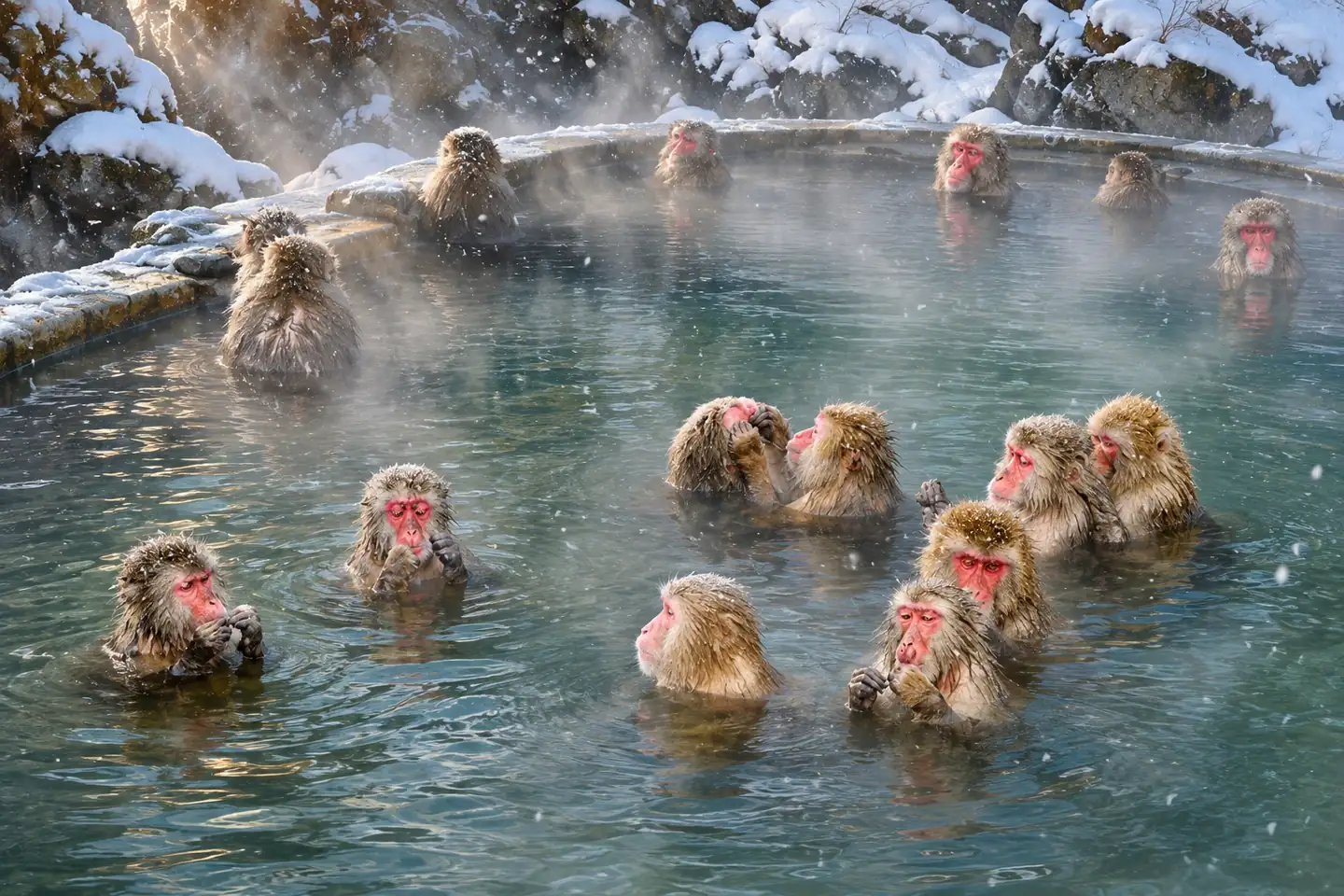
After hotel breakfast, visit Jigokudani Monkey Park to see the unique sight of wild monkeys bathing in hot springs. Note: The park requires at least a 30-minute walk from the drop-off point; please wear comfortable clothes and shoes. Photo tip: The monkeys are accustomed to humans and can be photographed freely, but do not feed or touch them. Then visit Togakushi Shrine in Nagano Prefecture at the foot of Mount Togakushi, a sacred mountain with three shrines: Hokosha, Chusha, and Okusha. When visiting Okusha, don't miss the cedar-lined path with 400-year-old trees towering impressively, especially majestic when dusted with snow in winter. Note: Okusha path is usually closed in early January due to avalanche risk; visitors can enjoy the area near the shrine gate. Recommend bringing snow cleats in advance. Overnight in Matsumoto hotel. Includes 10 hours car service today.

AI-rendered illustration

After hotel breakfast, visit Jigokudani Monkey Park to see the unique sight of wild monkeys bathing in hot springs. Note: The park requires at least a 30-minute walk from the drop-off point; please wear comfortable clothes and shoes. Photo tip: The monkeys are accustomed to humans and can be photographed freely, but do not feed or touch them. Then visit Togakushi Shrine in Nagano Prefecture at the foot of Mount Togakushi, a sacred mountain with three shrines: Hokosha, Chusha, and Okusha. When visiting Okusha, don't miss the cedar-lined path with 400-year-old trees towering impressively, especially majestic when dusted with snow in winter. Note: Okusha path is usually closed in early January due to avalanche risk; visitors can enjoy the area near the shrine gate. Recommend bringing snow cleats in advance. Overnight in Matsumoto hotel. Includes 10 hours car service today.

Breakfast: at the hotel. Lunch: at your own expense. Dinner: at your own expense.

Jigokudani Monkey ParkAI-rendered illustration

Jigokudani Monkey Park

After passing through Shibu and Yudanaka Onsen into the mountains, a 30-minute walk brings you to a hot spring park dedicated to monkeys, situated opposite the independent inn Korakukan at Jigokudani Onsen. Here you can observe wild Japanese macaques soaking in the hot springs. Watching the serious-faced monkey king relax with mother and baby monkeys in the hot water is quite amusing. The Jigokudani hot spring, a natural fountain producing a 20-meter-high hot spring jet emerging from the riverbed, is designated a national natural monument and worth seeing.

Togakushi Shrine (Winter)

Togakushi Shrine, near Mt. Togakushi northwest of Nagano City, is historic and blends Tendai esoteric Buddhism, Shingon esoteric Buddhism, and Shinto, regarded as a sacred site by many worshippers. It consists of five shrines: Okusha, Chusha, Hokosha, Kuzuryusha, and Hinomikosha. Okusha is the main shrine dedicated to Ame-no-Tajikarao-no-Mikoto. Visitors here often pray for wishes to be granted and a bountiful harvest. The shrine's construction date is unknown. A must-visit when in Togakushi.

Togakushi Shrine Mirror Pond

A 30-minute walk from Togakushi Shrine's Chusha brings you to the enchanting Mirror Pond. Located at 1,100 meters elevation on the Togakushi Plateau, surrounded by the Togakushi peak range, it offers stunning autumn foliage views from early to late October. The maple leaves reflect like a vibrant tapestry on the pond's surface, creating a dreamlike and exquisite landscape. This foliage spot is popular with photographers and is one of Nagano Prefecture's renowned scenic sites.

Togakushi Shrine Okusha

Togakushi Shrine, near Mt. Togakushi northwest of Nagano City, is historic and blends Tendai esoteric Buddhism, Shingon esoteric Buddhism, and Shinto, regarded as a sacred site by many worshippers. It consists of five shrines: Okusha, Chusha, Hokosha, Kuzuryusha, and Hinomikosha. Okusha is the main shrine dedicated to Ame-no-Tajikarao-no-Mikoto. Visitors here often pray for wishes to be granted and a bountiful harvest. The shrine's construction date is unknown. A must-visit when in Togakushi.

04

Matsumoto → Nagano Prefecture → Takayama

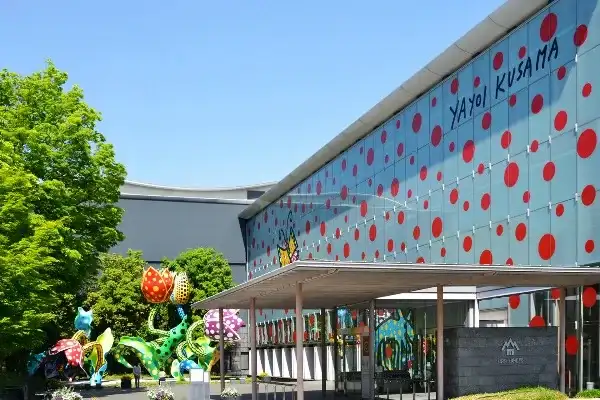
After hotel breakfast, start today’s itinerary. Visit Matsumoto City Museum of Art, a landmark building in Matsumoto. The city is the hometown of internationally renowned contemporary artist Yayoi Kusama, known for her vibrant and wild art. Then take the Shin-Hotaka Ropeway to ascend over 2,000 meters to a viewing platform in the Northern Japanese Alps. The ropeway stretches 3200 meters with a vertical drop of 1,039 meters: the first section is a fully glass gondola, and the second is a rare double-decker cabin unique in Japan. Note: The ropeway may close in strong winds or bad weather and the itinerary will adjust accordingly. Afterwards, stroll through Sanmachi Old Town to explore sake breweries. The Hida Takayama region is famous for premium sake thanks to pure water, high-quality rice, and a unique plateau climate. Once home to over 100 breweries, now about 40 remain. Overnight in Takayama. Includes 10 hours of vehicle service.

After hotel breakfast, start today’s itinerary. Visit Matsumoto City Museum of Art, a landmark building in Matsumoto. The city is the hometown of internationally renowned contemporary artist Yayoi Kusama, known for her vibrant and wild art. Then take the Shin-Hotaka Ropeway to ascend over 2,000 meters to a viewing platform in the Northern Japanese Alps. The ropeway stretches 3200 meters with a vertical drop of 1,039 meters: the first section is a fully glass gondola, and the second is a rare double-decker cabin unique in Japan. Note: The ropeway may close in strong winds or bad weather and the itinerary will adjust accordingly. Afterwards, stroll through Sanmachi Old Town to explore sake breweries. The Hida Takayama region is famous for premium sake thanks to pure water, high-quality rice, and a unique plateau climate. Once home to over 100 breweries, now about 40 remain. Overnight in Takayama. Includes 10 hours of vehicle service.

Breakfast: at the hotel. Lunch: at your own expense. Dinner: at the hotel.

Matsumoto City Museum of Art

Matsumoto City Museum of Art

The museum houses a large collection of artworks including traditional Japanese pieces such as pottery, lacquerware, and paintings, as well as works by internationally famous artists like Monet, Van Gogh, and Picasso.

Sanmachi Old Street

Sanmachi Old Street in Takayama mainly includes three merchant streets: Ichinomachi, Ninommachi, and Sannomachi. The southern part, Kami Sanmachi Old Street, is the best-preserved area and has been designated as an Important Preservation District for Groups of Traditional Buildings by the Japanese government.

05

Takayama → Shirakawa-go → Kanazawa

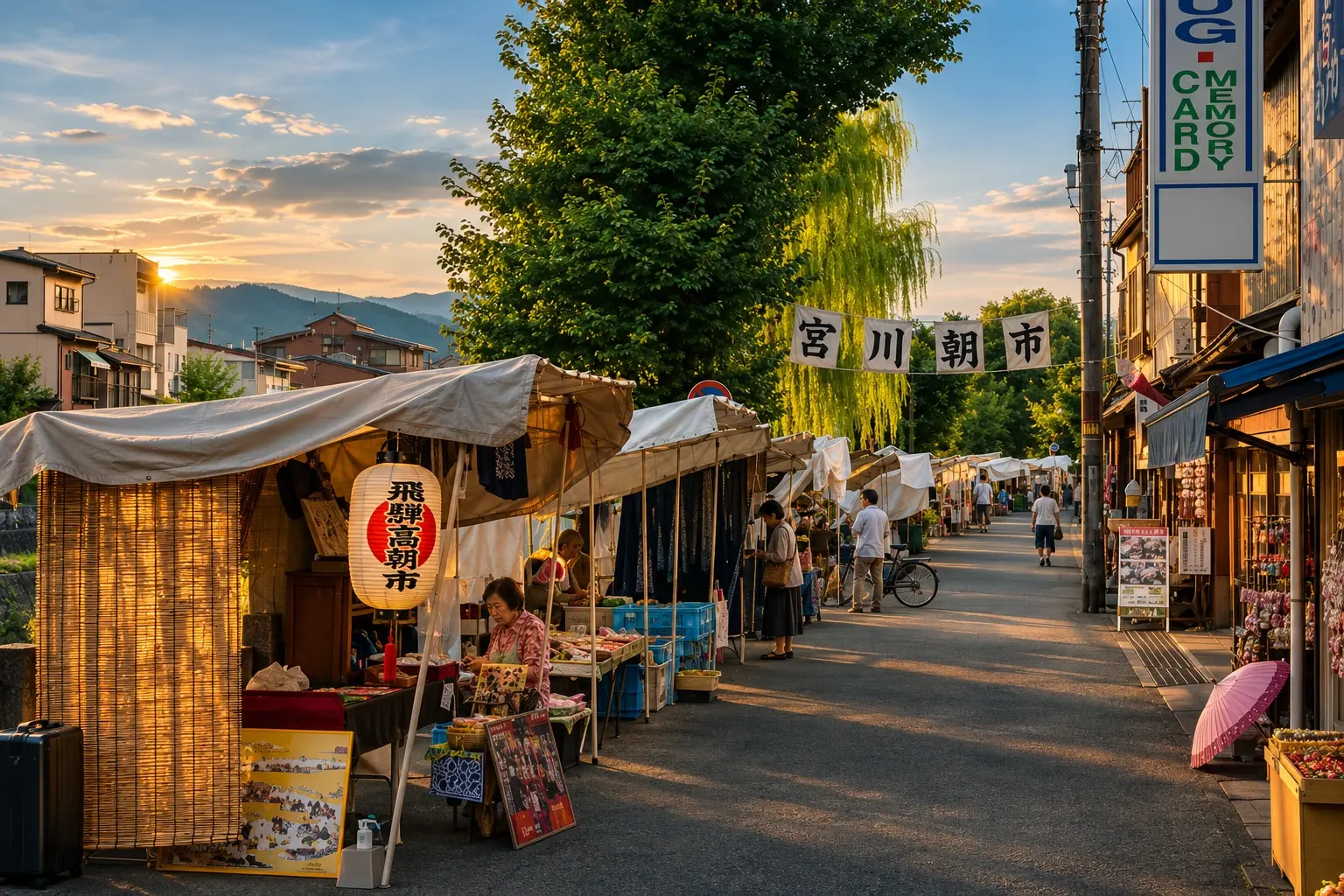
After hotel breakfast, visit Takayama Morning Market, one of Japan's three major morning markets, dating back to the Edo period, bustling with locals buying fresh ingredients. Then visit Sakurayama Hachiman Shrine, located in northern old town Takayama, serving as the guardian shrine, with a large torii gate at entrance and lined with shops and restaurants. The vermilion gates stand out vividly especially after snowfall. Next, visit Hida Furukawa in Gifu Prefecture, a quiet town featured in "Your Name," positioned between Kanazawa and Nagoya without airport or Shinkansen access, offering a peaceful yet accessible setting ideal for the movie's iconic scenes. Finally, experience the Shirakawa-go Illumination festival, where heavy snow turns the hidden mountain village into a magical fairy-tale world. The 2027 illumination dates are January 11, 17, 24, and 31, from 5:30 pm to 7:30 pm. Admission tickets must be arranged in advance due to limited availability. Drones are strictly prohibited since the village is a residential area. Entry with ticket allows free access to illuminated villages but not to observation decks. Daytime entry does not require reservation, with last entry at 3 pm and village clearing by 5 pm to prepare for the evening event.
AI-rendered illustration

After hotel breakfast, visit Takayama Morning Market, one of Japan's three major morning markets, dating back to the Edo period, bustling with locals buying fresh ingredients. Then visit Sakurayama Hachiman Shrine, located in northern old town Takayama, serving as the guardian shrine, with a large torii gate at entrance and lined with shops and restaurants. The vermilion gates stand out vividly especially after snowfall. Next, visit Hida Furukawa in Gifu Prefecture, a quiet town featured in "Your Name," positioned between Kanazawa and Nagoya without airport or Shinkansen access, offering a peaceful yet accessible setting ideal for the movie's iconic scenes. Finally, experience the Shirakawa-go Illumination festival, where heavy snow turns the hidden mountain village into a magical fairy-tale world. The 2027 illumination dates are January 11, 17, 24, and 31, from 5:30 pm to 7:30 pm. Admission tickets must be arranged in advance due to limited availability. Drones are strictly prohibited since the village is a residential area. Entry with ticket allows free access to illuminated villages but not to observation decks. Daytime entry does not require reservation, with last entry at 3 pm and village clearing by 5 pm to prepare for the evening event.

Breakfast: at the hotel. Lunch: at your own expense. Dinner: at your own expense.

Takayama Morning MarketAI-rendered illustration

Takayama Morning Market

Takayama’s morning market is one of Japan’s three major morning markets, held in front of Miyagawa and Takayama Jinya. The Miyagawa Market stretches approximately 350 meters from Kajibashi Bridge to Yayoi Bridge, featuring over 60 stalls. Along the riverside near the street, vendors sell vegetables, fruits, pickles, and spices outdoors. On the street interior side are shops offering snacks, sweets, and crafts. Along with Takayama specialty crafts like sarubobo dolls and hand-carved knives, chopsticks and other Japanese small goods are available.

Sakurayama Hachiman Shrine

Sakurayama Hachiman Shrine is located a bit farther from the town center, about a 15-minute walk from Miyagawa Morning Market. Typically quiet, it becomes the main venue of the famous Takayama Festival held October 9-10 each year. Founded in 377 AD and set against the mountain, it includes five smaller shrines such as the Inari Shrine that prays for prosperous business. The Takayama Festival, also known as Hachiman Festival, showcases ornate floats usually stored in the Takayama Yatai Kaikan in front of the shrine.

Hida Furukawa

Located at the northernmost part of Gifu, Hida Furukawa is a town known for its beautifully named 400-year-old historic streets and the Setogawa River. It is a sister city to Shuhe Ancient Town in Yunnan, China. The Setogawa River running through Furukawa was constructed 400 years ago to reclaim new farmland. The buildings retain the appearance from four centuries ago, and the river flows continuously alongside them. Near the Araki River stands Enkoji Temple, which also has over 400 years of history.

Shirakawa-go Gassho Village (Winter)

Shirakawa-go is located on the slopes of Mount Hakusan in northwest Gifu Prefecture. It is a quiet mountain village surrounded by mountains, with rice paddies and rivers interwoven. The village is famous for its over 110 "Gassho-style" (thatched steeply sloped gabled roofs) houses clustered together, designated as a UNESCO World Cultural Heritage site in 1995.
06

Kanazawa → Gifu → Nagoya

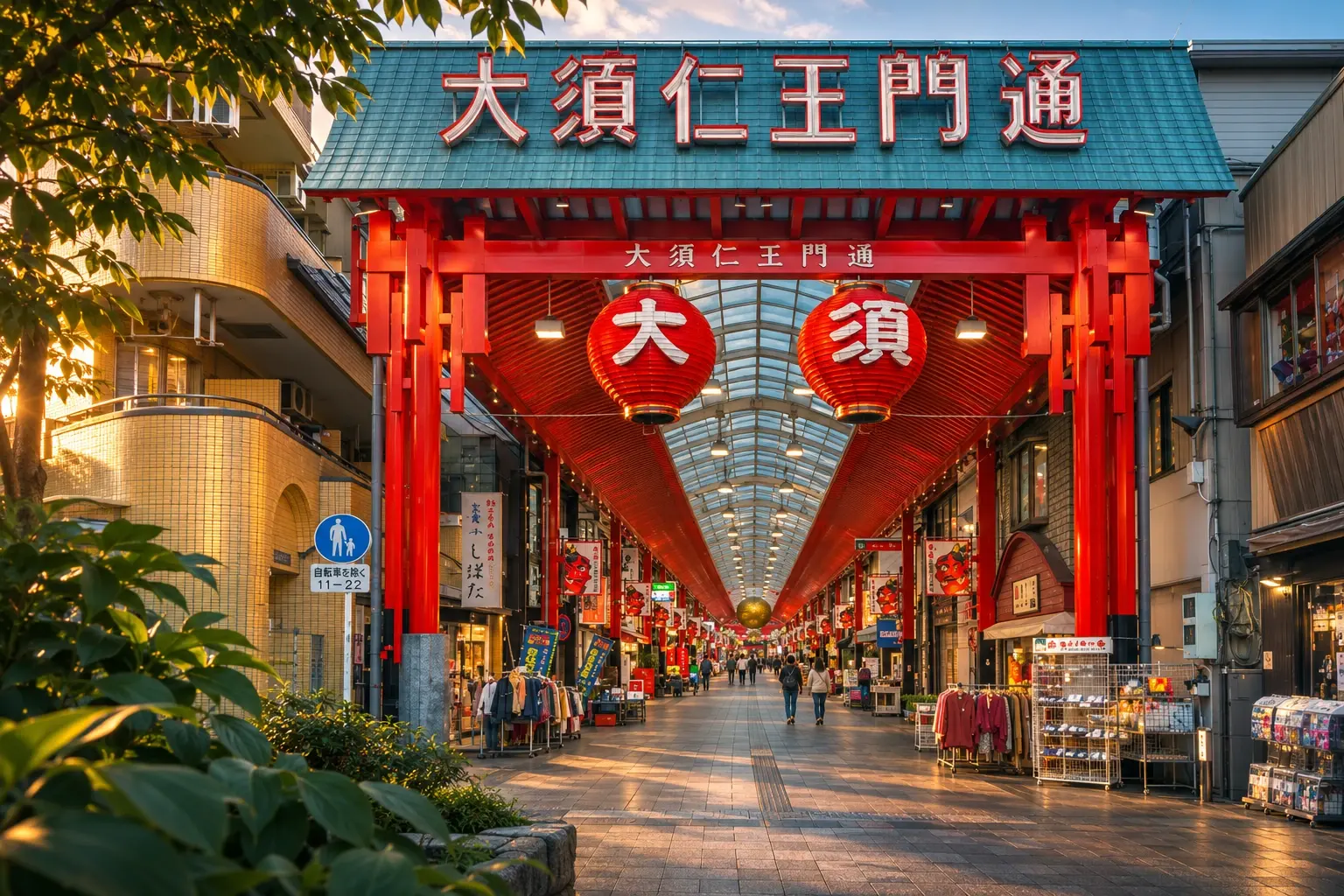
After hotel breakfast, visit Kenrokuen Garden in Kanazawa, one of the city’s landmarks with a long and illustrious history. Created over centuries by the Maeda family, this Japanese stroll garden exemplifies seasonal beauty with varied landscapes. Enjoy a special gold leaf crafting experience. Then return to Nagoya and explore the Osu Shopping District. Travel time is approximately 3.5–4 hours. Savor Nagoya specialty Unagi (eel) from Horai-ken (note: if Horai-ken is closed or full, an alternative eel restaurant will be arranged). Overnight in Nagoya. Includes 10 hours of vehicle service.

AI-rendered illustration

After hotel breakfast, visit Kenrokuen Garden in Kanazawa, one of the city’s landmarks with a long and illustrious history. Created over centuries by the Maeda family, this Japanese stroll garden exemplifies seasonal beauty with varied landscapes. Enjoy a special gold leaf crafting experience. Then return to Nagoya and explore the Osu Shopping District. Travel time is approximately 3.5–4 hours. Savor Nagoya specialty Unagi (eel) from Horai-ken (note: if Horai-ken is closed or full, an alternative eel restaurant will be arranged). Overnight in Nagoya. Includes 10 hours of vehicle service.

Breakfast: at the hotel. Lunch: at your own expense. Dinner: local specialty meal.

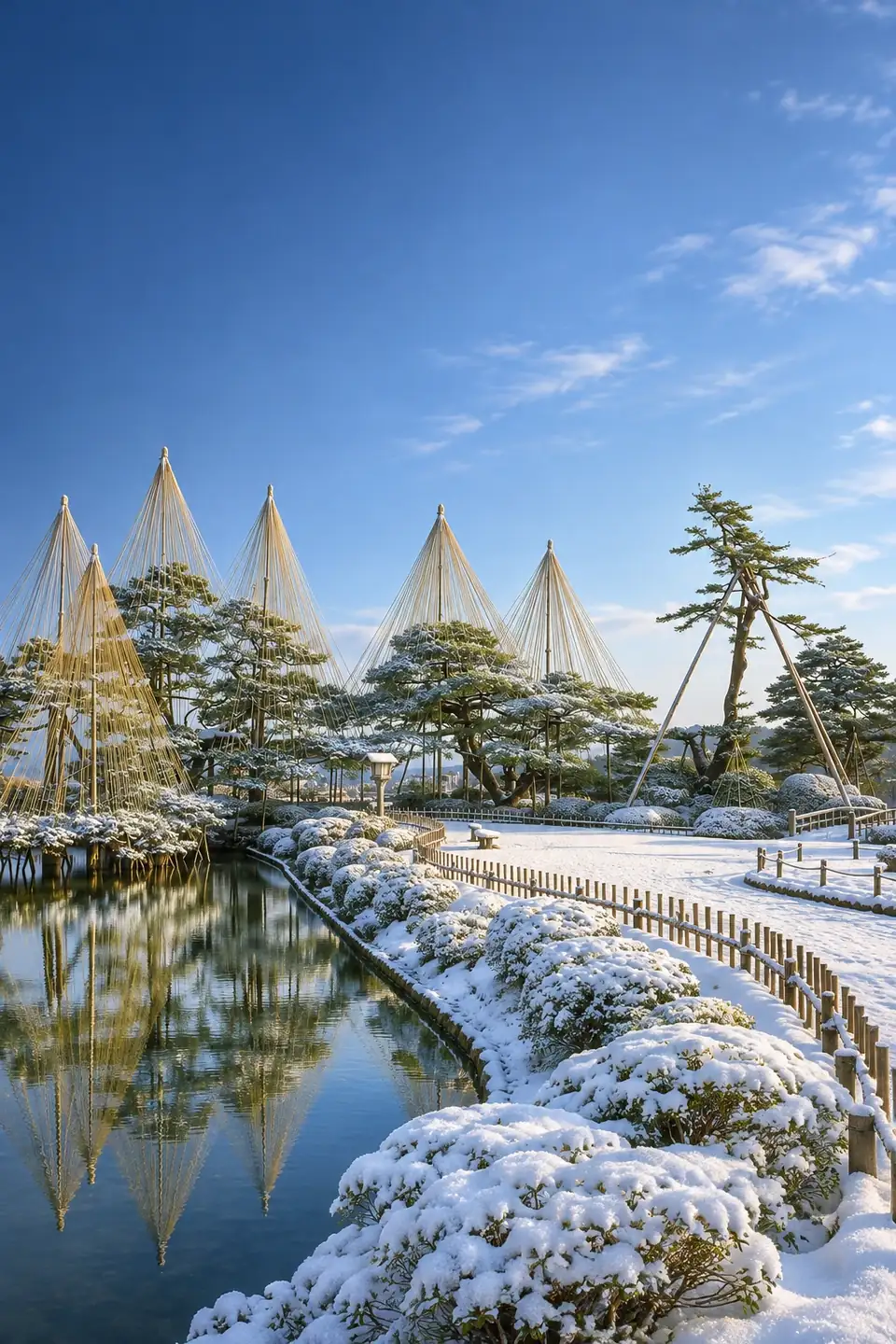
Kenrokuen Garden (Winter)

In heavy snowfall regions like Tohoku and Hokuriku, trees are tied with ropes in winter to prevent damage from frost and snow — this is called “Yukitsuri.” Kenrokuen Garden’s famous winter scenery is its Yukitsuri display. Starting November 1 with the Karasaki Pine, snow suspension work progresses throughout the garden, completing by mid-December. The ropes are removed after the snow season in mid-March, taking about a week. The removal of the Karasaki Pine Yukitsuri is the last step, symbolizing the arrival of spring in Hokuriku.

Osu Shopping StreetAI-rendered illustration

Osu Shopping Street

Osu is located in central Nagoya City. It features the historic Osu Shopping District, densely packed with about 1,200 various shops, making it a great shopping destination in Nagoya. The district spans Osu 2-chome to 3-chome and is bordered by four main streets: Wakamiya Odori, Fushimi Dori, Osu Dori, and Minami Otsu Dori. Conveniently situated between Osu Kannon and Kamimaezu stations on the Tsurumai Line for easy access.

07

Nagoya

Enjoy free time as your departure schedule allows. The itinerary ends locally in Nagoya; airport transfer can be arranged to suit your flight schedule. International return flights are arranged separately; travel days after the local itinerary ends are not included in the itinerary length.

AI-rendered illustration

Enjoy free time as your departure schedule allows. The itinerary ends locally in Nagoya; airport transfer can be arranged to suit your flight schedule. International return flights are arranged separately; travel days after the local itinerary ends are not included in the itinerary length.

Breakfast: at the hotel. Lunch: at your own expense. Dinner: at your own expense.

YOUR ROUTE

Know the shape of your journey.

Starts in
Nagoya
Ends in
Nagoya
Local itinerary
7 days

A proposal shaped around you

Use this route as a starting point. Tell us your dates, pace and accommodation preferences.

Your quote will specify accommodation, guiding, transport, activities, meals and any optional arrangements before you book. International flights and airport transfers are discussed separately.

TRAVEL IN COMFORT

The right vehicle for your group.

Toyota Alphard

Up to 6 passengers

Toyota HiAce

Up to 9 passengers

Our main touring vehicles. We recommend a vehicle based on your group size and luggage. Maximum seating capacity does not guarantee room for all bags when every seat is occupied. Vehicle availability is confirmed for your destination.

Before you go

This journey starts at the destination. Seasonal experiences, service inclusions and availability are confirmed with your personalized proposal.

Original source & photography · 6renyou ↗

Image credits and illustrations

BEFORE YOU PLAN

Travel planning, clearly explained.

OpenEast brings together Japan and South Korea itinerary ideas for travelers from North America, with China also part of our destination plans. Start with the local route, then consider flights and airport transfers around it.

When does Day 1 begin?

Day 1 begins at the destination. International departure-only and return flight days are not counted as destination days. Plan your flights around the local itinerary dates.

Are flights and airport transfers included?

International flights and airport transfers are confirmed separately. Do not assume they are included in a suggested itinerary.

Are these confirmed departures?

These routes are itinerary ideas. Dates, hotels, admissions, seasonal activities, prices and availability need confirmation in a personalized proposal before booking.

Can I book or send an inquiry here?

Use the inquiry form to contact our team. A submission confirmation appears only when the email service accepts your request. An inquiry does not reserve a service or take payment.

Explore Japan itineraries → · Explore South Korea itineraries →

1 / 4

Let’s plan your journey.

[Hokuriku Winter Secret: 7-Day Shirakawa-go Illumination Festival Tour] Explore Takayama’s sake breweries, ride the Shinhotaka Ropeway, see snow monkeys bathing in hot springs at Jigokudani, enjoy Shirakawa-go’s winter scenery, and visit the real-life location of "Your Name."

Leave your details, and our travel specialists will get in touch by email or your preferred contact method.

Your specialist will confirm the itinerary, pricing and availability with you.

How we use your information

Your inquiry is sent to info@jasperlimo.com so our team can respond. Please do not include passport or payment details.

Start planning