Japan · 6 DAYS

Autumn Journey to Kansai: 6 Days of Autumn Colors in Osaka, Kyoto and Nara

Osaka → Kyoto → Nara

Private night maple viewing at historic temples, away from crowds Savor autumn-exclusive Kaiseki cuisine in a mountain valley

6 daysAutumnItinerary idea

Request this itinerary

Leave your details, and our travel specialists will get in touch by email or your preferred contact method.

Your specialist will confirm the itinerary, pricing and availability with you.

How we use your information

Your inquiry is sent to info@jasperlimo.com so our team can respond. Please do not include passport or payment details.

JOURNEY HIGHLIGHTS

Japan, made personal.

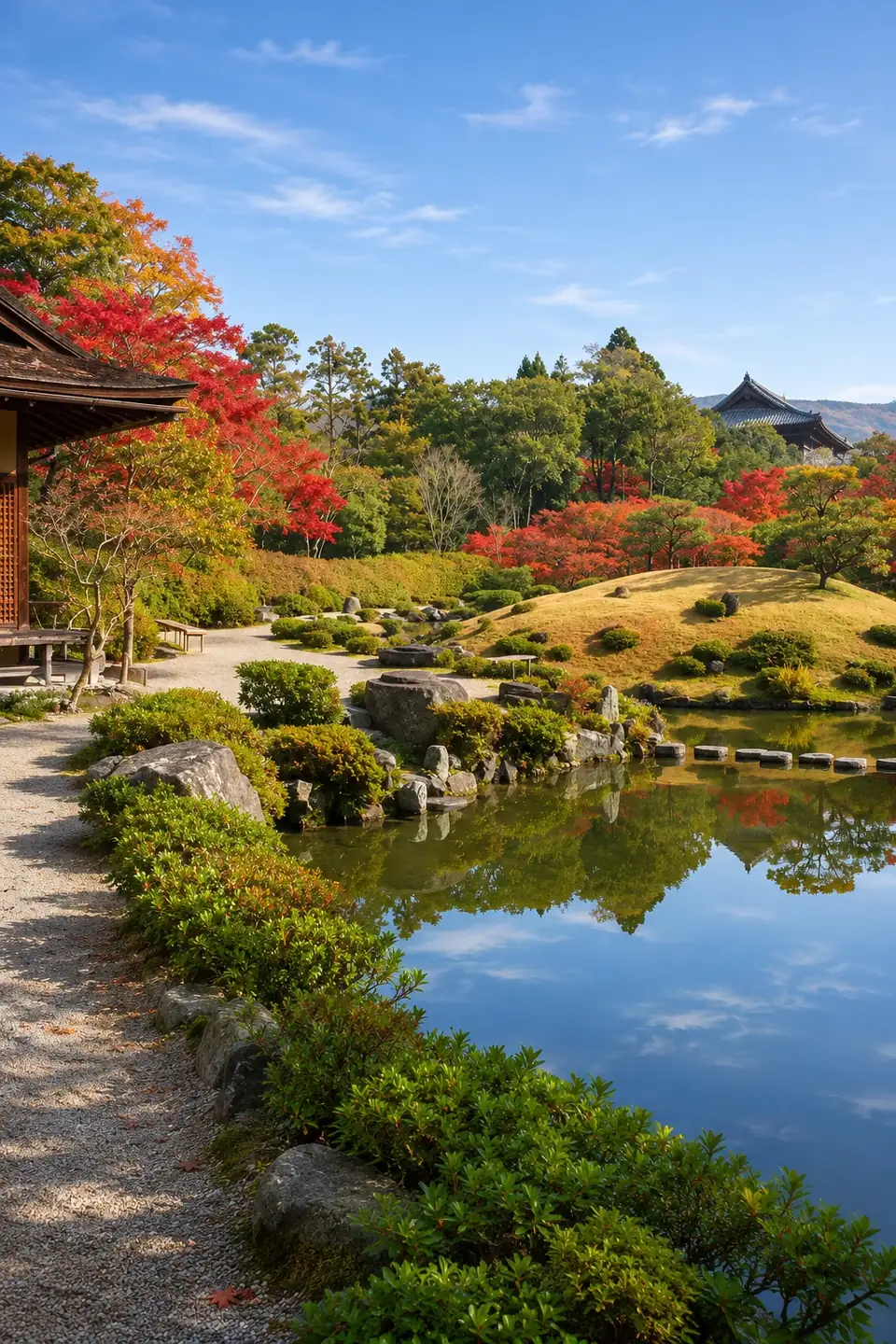
Autumn Journey to Kansai: 6 Days of Autumn Colors in Osaka, Kyoto and Nara - Eizan Maple Tunnel + Ine Funaya Fishing Village + Deer-adorned Autumn Mountains in Nara + Classic Temples Night Maple Viewing Elegant Tour

Day 1 starts in Osaka. International airfare is arranged separately.

  • 01Private night maple viewing at historic temples, away from crowds
  • 02Savor autumn-exclusive Kaiseki cuisine in a mountain valley
  • 03Explore Kansai’s unique autumn scenery on both mountain and sea routes

Your journey, day by day

01

Osaka

Day 1 begins on arrival in Osaka. Local sightseeing and hotel check-in depend on your arrival time; international departure and flight days are not included. Airport transfers can be arranged separately; inclusion depends on your confirmed proposal.

Day 1 begins on arrival in Osaka. Local sightseeing and hotel check-in depend on your arrival time; international departure and flight days are not included. Airport transfers can be arranged separately; inclusion depends on your confirmed proposal.

Breakfast: at your own expense. Lunch: at your own expense. Dinner: at your own expense.

02

Osaka → Kyoto

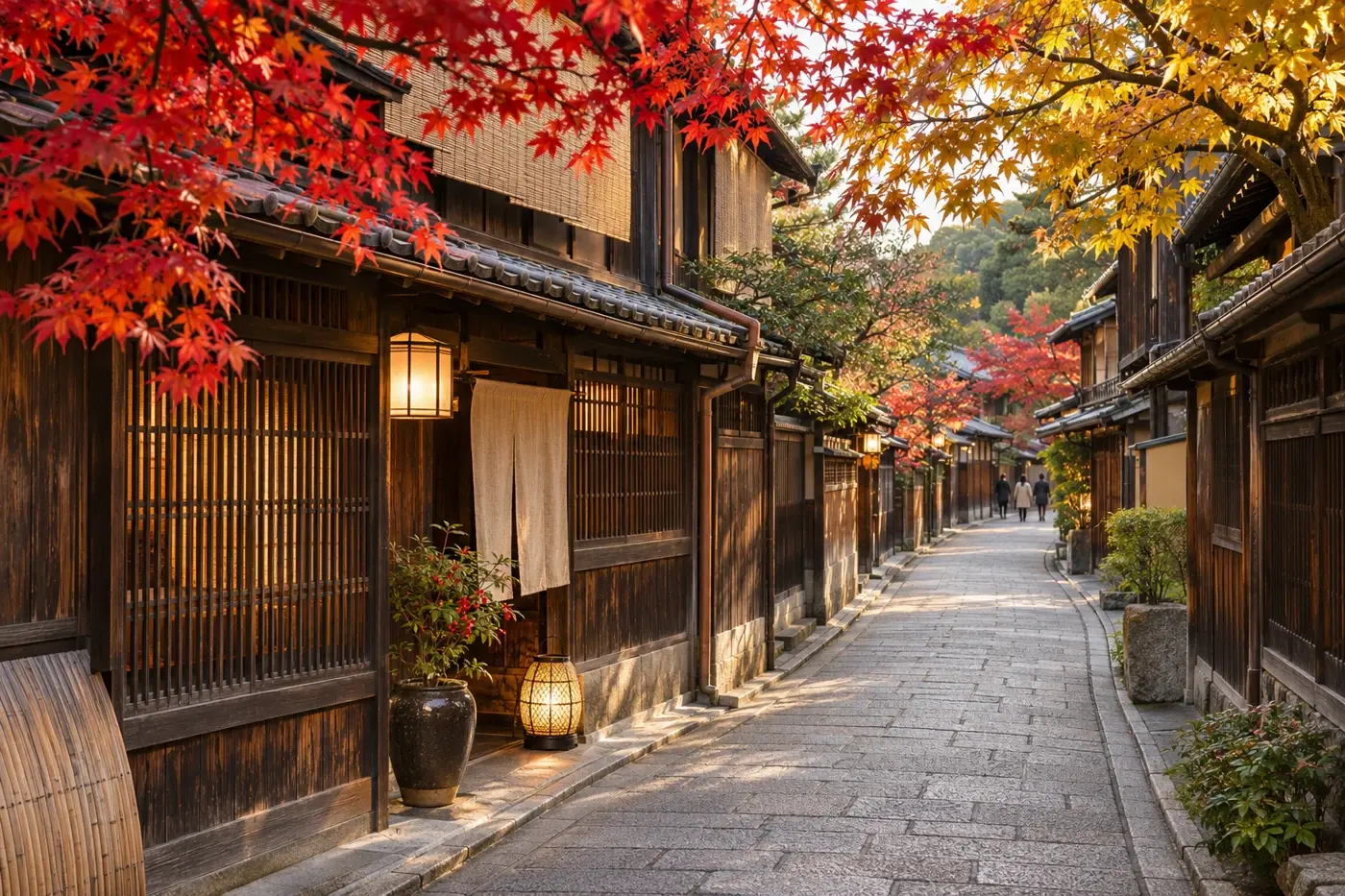
Explore northern Kyoto along the Kibune–Kurama corridor. Visit Manshu-in in the morning outside peak hours for autumn leaves framed by traditional architecture. Continue to Kibune for a proposed seasonal kaiseki lunch at Hirobun, with an indoor window seat overlooking the stream. Visit Kifune Shrine in the afternoon and walk through the valley. Near dusk, board the Eizan Railway from Kibuneguchi for the maple tunnel between Ichihara and Ninose. Seasonal illuminated services may dim the carriage lights as they pass the trees. Alight at Demachiyanagi and, if available on your date, visit Shinnyo-do for evening foliage before returning to the city. The source presents this as a 2026 seasonal program; train illumination, restaurant arrangements and temple evening access need confirmation. Proposed accommodation: GOOD NATURE HOTEL KYOTO.

Explore northern Kyoto along the Kibune–Kurama corridor. Visit Manshu-in in the morning outside peak hours for autumn leaves framed by traditional architecture. Continue to Kibune for a proposed seasonal kaiseki lunch at Hirobun, with an indoor window seat overlooking the stream. Visit Kifune Shrine in the afternoon and walk through the valley. Near dusk, board the Eizan Railway from Kibuneguchi for the maple tunnel between Ichihara and Ninose. Seasonal illuminated services may dim the carriage lights as they pass the trees. Alight at Demachiyanagi and, if available on your date, visit Shinnyo-do for evening foliage before returning to the city. The source presents this as a 2026 seasonal program; train illumination, restaurant arrangements and temple evening access need confirmation. Proposed accommodation: GOOD NATURE HOTEL KYOTO.

Breakfast: at the hotel. Lunch: at your own expense. Dinner: at your own expense.

Manshu-in Temple

Manshu-in’s study hall is almost like a temple within a garden. Wide, precisely raked white gravel represents the sea, with islands made of trees, rocks, shrubs, and moss. The gravel ‘sea’ encompasses two main temple buildings, and inside, you can enjoy tranquil garden views ideal for meditation. In autumn, maples on the hillside turn fiery red, enhanced by fallen leaves in the garden. The temple buildings themselves are old, designated important cultural properties, showcasing early Edo period shoin-style architecture and featuring famous paintings by the Kano School.

Kifune Shrine

Kifune is an ancient shrine north of Kyoto, near the western slopes of Mount Kurama. Its exact founding date is uncertain, and it has long been associated with the protection of water and forests. The Heian-period poet Izumi Shikibu is said to have prayed here for her husband's affection to return, contributing to the shrine's reputation for relationship blessings.

Eizan Electric Railway

The Eizan Railway serves northern Kyoto's Rakuhoku area. Trains depart from Demachiyanagi, near the Imperial Palace and Shimogamo Shrine, and the route divides at Takaragaike. The eastern branch reaches Yase-Hieizanguchi, while the western route continues toward Kibuneguchi and Kurama. Historic sights such as Kifune Shrine and Kurama-dera lie along the wider route. Fresh spring foliage, summer riverside dining, autumn leaves and winter snow give the journey seasonal variety.

Shinnyodo Temple

This is a Tendai sect temple officially named Shōjō Gokuraku-ji. Its name means “Temple of True Ultimate Bliss,” and Shinnyodo originally referred to the main hall. Founded in the early Heian period, it was established by Ennin, who carved an Amida Buddha statue from sacred wood as the principal image. The statue, known as the “Nodding Amida,” is famed for protecting women and beloved by ordinary people. An opening ceremony is held every November 15. The temple grounds include triple pagoda, gate, Gansan Daishi Hall, and bell tower, all designated cultural assets of Kyoto Prefecture.

03

Kyoto

Explore quieter corners of eastern Kyoto. In the morning, walk around the red-brick Suirokaku Aqueduct at Nanzen-ji, then visit Tenju-an for its autumn garden. The source associates the aqueduct with fan-created K-On! imagery. Have a yudofu set lunch near Nanzen-ji. In the afternoon, visit Jisso-in in Iwakura, known for foliage reflected in polished dark floors; special access is subject to confirmation. The source proposes a reservation-only twilight garden event at Murin-an, including a guided evening visit and matcha. Confirm event dates and reserve ahead, as spaces may be limited. Proposed accommodation: Tokyu Stay Kyoto Sakaiza.

Explore quieter corners of eastern Kyoto. In the morning, walk around the red-brick Suirokaku Aqueduct at Nanzen-ji, then visit Tenju-an for its autumn garden. The source associates the aqueduct with fan-created K-On! imagery. Have a yudofu set lunch near Nanzen-ji. In the afternoon, visit Jisso-in in Iwakura, known for foliage reflected in polished dark floors; special access is subject to confirmation. The source proposes a reservation-only twilight garden event at Murin-an, including a guided evening visit and matcha. Confirm event dates and reserve ahead, as spaces may be limited. Proposed accommodation: Tokyu Stay Kyoto Sakaiza.

Breakfast: at the hotel. Lunch: at your own expense. Dinner: at your own expense.

Nanzen-ji Temple

Nanzen-ji is a Zen Buddhist temple in Kyoto and the head temple of the Nanzen-ji branch of the Rinzai sect. Founded in 1291 by Emperor Kameyama and led by the first chief priest Daimei Kokushi Mugon Fumon, it is the first Zen temple built on imperial initiative and ranked above the Kyoto Five Mountains, making it the highest-ranked Zen temple in Japan.

Nanzen-ji Suirokaku Aqueduct

Suirokaku Aqueduct at Nanzen-ji forms part of the Lake Biwa Canal system. The source dates its completion to 1890 and credits engineer Sakuro Tanabe. The red-brick and granite structure is approximately 93.2 meters long and nine meters high, with European-style arches inspired by Roman aqueducts. It crosses the temple grounds and continues to carry water toward Kyoto. The contrast between its brick arches, Zen temple buildings and wooded setting makes it a popular photography location in cherry blossom, fresh-green and autumn seasons.

Jisso-in Temple, Iwakura

Jisso-in, also known as Iwakura Monzeki or Iwakura Palace, is a Tendai Buddhist temple in northern Kyoto with historic imperial connections. Founded in 1229, it traditionally had abbots drawn from the imperial family. Its celebrated floor reflections mirror autumn leaves or fresh spring greenery in the polished dark wooden floor of the Taki-no-ma hall. The source recommends sunny autumn days for red foliage and overcast spring days for green reflections. Confirm current viewing and photography rules before visiting.

Murin-an Garden

Murin-an was built in Kyoto between 1894 and 1896 as a villa for statesman Aritomo Yamagata. Its grounds cover approximately 3,135 square meters. The Yamagata family donated it to Kyoto in 1941, and it became a nationally designated Place of Scenic Beauty in 1951. Garden designer Jihei Ogawa VII worked to Yamagata's instructions, using the Higashiyama hills as borrowed scenery. Open lawns and a flowing stream fed by the Lake Biwa Canal create a bright, naturalistic landscape.
04

Kyoto

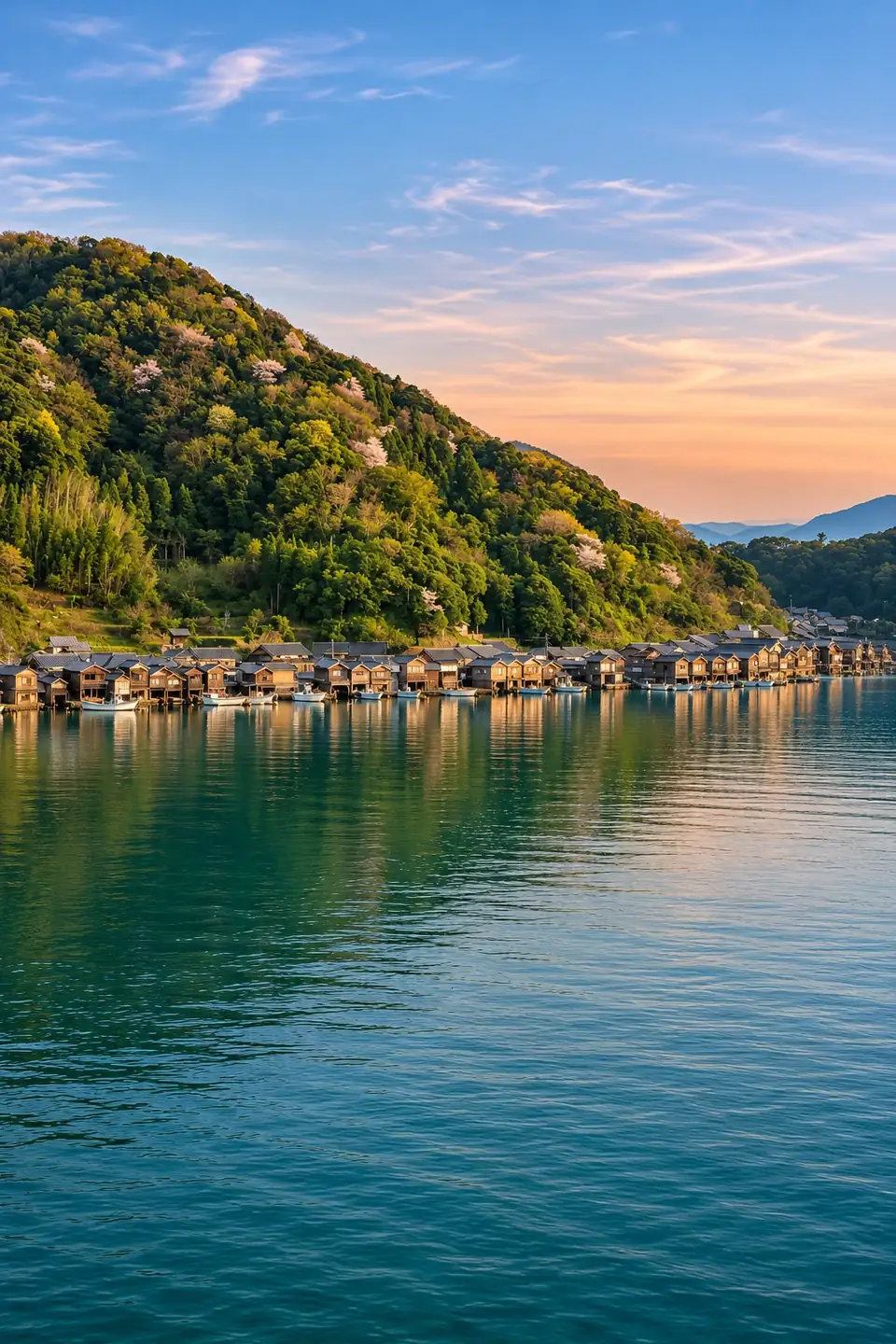
Sea of Kyoto & Amanohashidate + Ine Funaya Village Day Tour Morning: Private car to Amanohashidate and Kasamatsu Park; take the chairlift to overlook the sandbar with autumn foliage mixing sea, coast, and forest. Noon: Lunch at Ine Town, enjoying a seafood set meal in the Funaya village. Afternoon: Boat cruise in Ine Bay, views of waterfront Funaya houses against autumn leaves; stroll around the village. Accommodation: Tokyu Stay Kyoto Sakurayacho

AI-rendered illustration

Sea of Kyoto & Amanohashidate + Ine Funaya Village Day Tour Morning: Private car to Amanohashidate and Kasamatsu Park; take the chairlift to overlook the sandbar with autumn foliage mixing sea, coast, and forest. Noon: Lunch at Ine Town, enjoying a seafood set meal in the Funaya village. Afternoon: Boat cruise in Ine Bay, views of waterfront Funaya houses against autumn leaves; stroll around the village. Accommodation: Tokyu Stay Kyoto Sakurayacho

Breakfast: at the hotel. Lunch: at your own expense. Dinner: at your own expense.

Amanohashidate

Amanohashidate is located in Miyazu, Kyoto Prefecture, along the Sea of Japan coast. It is a roughly 3-kilometer-long sandbar that separates Aso Bay from Miyazu Bay, covered with pine trees. Visitors can walk along it or take a sightseeing boat tour. Known for its striking combination of white sand and green pines, it is counted among Japan's three scenic views alongside Miyajima in Hiroshima and Matsushima in Miyagi. Nearby hot springs offer opportunities for relaxation and skin care.

Kasamatsu Park

Kasamatsu Park is part of the Amanohashidate scenic area, one of Japan's three most famous views. It serves as the best viewpoint after ascending, where visitors can enjoy panoramic views. You ride a unique chairlift up the slope here, offering a different experience than a typical cable car.

Ine Funaya VillageAI-rendered illustration

Ine Funaya Village

Ine Village is a charming village on the east side of the Tango Peninsula with a beautiful bay. Houses there are built over the water, with boats moored beneath; these are called Funaya houses. The best way to explore Ine is by boat. It is rated by Japanese people as one of the 18 most beautiful rural villages in Japan, and is conveniently visited along with Amanohashidate.

05

Kyoto → Nara → Osaka

Nara In-Depth Morning: Visit Isuien Garden, a Japanese pond garden with autumn foliage and reflections of red maples in the water, with few visitors; then move to Nigatsudo Hall for a high vantage view over Nara city’s autumn colors. Noon: Lunch in Naramachi old town, featuring limited autumn seasonal persimmon leaf sushi. Afternoon: Avoid the main entrance’s deer herd and stroll around the foothills of Wakakusa Hill on Nara Park’s east side, enjoying the foliage and quiet deer interaction. Evening: Return to Osaka, visit Kuromon Market for souvenir shopping. Accommodation: Holiday Inn Express Osaka-Midosuji, downtown Osaka

AI-rendered illustration

Nara In-Depth Morning: Visit Isuien Garden, a Japanese pond garden with autumn foliage and reflections of red maples in the water, with few visitors; then move to Nigatsudo Hall for a high vantage view over Nara city’s autumn colors. Noon: Lunch in Naramachi old town, featuring limited autumn seasonal persimmon leaf sushi. Afternoon: Avoid the main entrance’s deer herd and stroll around the foothills of Wakakusa Hill on Nara Park’s east side, enjoying the foliage and quiet deer interaction. Evening: Return to Osaka, visit Kuromon Market for souvenir shopping. Accommodation: Holiday Inn Express Osaka-Midosuji, downtown Osaka

Breakfast: at the hotel. Lunch: at your own expense. Dinner: at your own expense.

Isuien GardenAI-rendered illustration

Isuien Garden

Isuien Garden is a beautiful Japanese garden with blooms all year round, divided into front and rear gardens. The front garden, built in 1673, features Sanshutei, Hyoshintei, Seishutei, and Teishuken pavilions. The rear garden, constructed in the Meiji period, is a tsukiyama-style pond stroll garden divided into Yagudo and the Neiraku Art Museum sections. Both are nationally designated scenic spots. The garden also houses and exhibits numerous antique artworks.

Nigatsu-dō

Nigatsu-dō is located on the hillside east of Todai-ji and Wakakusa. Known as the Kannon Hall for housing two statues of Kannon Bodhisattva, it is one of Todai-ji's important wooden structures, said to have been originally built by a monk. Stone lanterns line the stairs leading up to Nigatsu-dō. From the second floor, visitors can overlook the entire city of Nara. There is a shrine midway along the balcony for making prayers.

Naramachi

Naramachi is Nara's oldest district, located in the alleys near Sarusawa Pond. Wooden lattice-window buildings from the Edo period stand side by side. The old streets hide many cafes and tea houses with traditional exteriors and stylish interiors. Gango-ji Temple, a UNESCO World Heritage Site, is also located within Naramachi.

Mount Wakakusa

Mount Wakakusa rises approximately 350 meters near Todai-ji and Kasuga Taisha. Seasonal walking routes offer views across Nara. The mountain is known for Wakakusa Yamayaki, a traditional January event combining fireworks with the burning of the hillside grass. Evening views are another attraction; check seasonal access arrangements.

Kuromon Market

Known as Osaka’s kitchen, Kuromon Market is a traditional market that has operated since the Edo period. Stretching nearly 600 meters, it offers pickles, seafood, fruits and more with authentic flavors. You can enjoy fresh sashimi here, and late in the day, fresh products are sold at discounts.

06

Osaka

Scheduled attraction for the day: Expo ’70 Commemorative Park. The itinerary ends locally in Osaka; airport transfer can be arranged separately according to actual flight schedules. International return flights and arrival/departure dates to the starting location are not included in this itinerary.

Scheduled attraction for the day: Expo ’70 Commemorative Park. The itinerary ends locally in Osaka; airport transfer can be arranged separately according to actual flight schedules. International return flights and arrival/departure dates to the starting location are not included in this itinerary.

Breakfast: at the hotel. Lunch: at your own expense. Dinner: at your own expense.

Expo ’70 Commemorative Park

Expo ’70 Commemorative Park

Built on the original site to commemorate the successful Japan World Expo of 1970, this cultural park covers an area about 65 times the size of Koshien Stadium. It is divided into the Natural and Cultural Gardens and the Japanese Garden. The Tower of the Sun, designed by artist Taro Okamoto for the Expo’s theme pavilion, remains a symbol of the Expo and, together with Tsutenkaku and Osaka Castle Tower, is one of Osaka's iconic landmarks.

YOUR ROUTE

Know the shape of your journey.

Starts in
Osaka
Ends in
Osaka
Local itinerary
6 days

A proposal shaped around you

Use this route as a starting point. Tell us your dates, pace and accommodation preferences.

Your quote will specify accommodation, guiding, transport, activities, meals and any optional arrangements before you book. International flights and airport transfers are discussed separately.

TRAVEL IN COMFORT

The right vehicle for your group.

Toyota Alphard

Up to 6 passengers

Toyota HiAce

Up to 9 passengers

Our main touring vehicles. We recommend a vehicle based on your group size and luggage. Maximum seating capacity does not guarantee room for all bags when every seat is occupied. Vehicle availability is confirmed for your destination.

More to discover

Manshu-in Temple

Manshu-in’s study hall is almost like a temple within a garden. Wide, precisely raked white gravel represents the sea, with islands made of trees, rocks, shrubs, and moss. The gravel ‘sea’ encompasses two main temple buildings, and inside, you can enjoy tranquil garden views ideal for meditation. In autumn, maples on the hillside turn fiery red, enhanced by fallen leaves in the garden. The temple buildings themselves are old, designated important cultural properties, showcasing early Edo period shoin-style architecture and featuring famous paintings by the Kano School.

Shinnyodo Temple

This is a Tendai sect temple officially named Shōjō Gokuraku-ji. Its name means “Temple of True Ultimate Bliss,” and Shinnyodo originally referred to the main hall. Founded in the early Heian period, it was established by Ennin, who carved an Amida Buddha statue from sacred wood as the principal image. The statue, known as the “Nodding Amida,” is famed for protecting women and beloved by ordinary people. An opening ceremony is held every November 15. The temple grounds include triple pagoda, gate, Gansan Daishi Hall, and bell tower, all designated cultural assets of Kyoto Prefecture.

Eizan Electric Railway

Eizan Electric Railway consists of two routes serving Kyoto’s northern area called "Rakuhoku." It departs from Demachiyanagi Station near Kyoto Imperial Palace and Shimogamo Shrine, heading north to Ho-ike Station where it branches east to Hieizan-Hieiguchi and west to Kibuneguchi and Kurama. Along the route, besides historic temples like Kibune Shrine and Kurama-dera, the scenery changes dramatically with the seasons: fresh green in late spring, cool riverbeds in summer, brilliant autumn maples, and snowy winter views—each with its own charm.

Nanzen-ji Temple

Nanzen-ji is a Zen Buddhist temple in Kyoto and the head temple of the Nanzen-ji branch of the Rinzai sect. Founded in 1291 by Emperor Kameyama and led by the first chief priest Daimei Kokushi Mugon Fumon, it is the first Zen temple built on imperial initiative and ranked above the Kyoto Five Mountains, making it the highest-ranked Zen temple in Japan.

Nanzen-ji Suirokaku Aqueduct

Suirokaku Aqueduct at Nanzen-ji forms part of the Lake Biwa Canal system. The source dates its completion to 1890 and credits engineer Sakuro Tanabe. The red-brick and granite structure is approximately 93.2 meters long and nine meters high, with European-style arches inspired by Roman aqueducts. It crosses the temple grounds and continues to carry water toward Kyoto. The contrast between its brick arches, Zen temple buildings and wooded setting makes it a popular photography location in cherry blossom, fresh-green and autumn seasons.

Jisso-in Temple, Iwakura

Jisso-in, also known as Iwakura Monzeki or Iwakura Palace, is a Tendai Buddhist temple in northern Kyoto with historic imperial connections. Founded in 1229, it traditionally had abbots drawn from the imperial family. Its celebrated floor reflections mirror autumn leaves or fresh spring greenery in the polished dark wooden floor of the Taki-no-ma hall. The source recommends sunny autumn days for red foliage and overcast spring days for green reflections. Confirm current viewing and photography rules before visiting.

Murin-an Garden

Murin-an was built in Kyoto between 1894 and 1896 as a villa for statesman Aritomo Yamagata. Its grounds cover approximately 3,135 square meters. The Yamagata family donated it to Kyoto in 1941, and it became a nationally designated Place of Scenic Beauty in 1951. Garden designer Jihei Ogawa VII worked to Yamagata's instructions, using the Higashiyama hills as borrowed scenery. Open lawns and a flowing stream fed by the Lake Biwa Canal create a bright, naturalistic landscape.
Before you go

This journey starts at the destination. Seasonal experiences, service inclusions and availability are confirmed with your personalized proposal.

Original source & photography · 6renyou ↗

Image credits and illustrations

BEFORE YOU PLAN

Travel planning, clearly explained.

OpenEast brings together Japan and South Korea itinerary ideas for travelers from North America, with China also part of our destination plans. Start with the local route, then consider flights and airport transfers around it.

When does Day 1 begin?

Day 1 begins at the destination. International departure-only and return flight days are not counted as destination days. Plan your flights around the local itinerary dates.

Are flights and airport transfers included?

International flights and airport transfers are confirmed separately. Do not assume they are included in a suggested itinerary.

Are these confirmed departures?

These routes are itinerary ideas. Dates, hotels, admissions, seasonal activities, prices and availability need confirmation in a personalized proposal before booking.

Can I book or send an inquiry here?

Use the inquiry form to contact our team. A submission confirmation appears only when the email service accepts your request. An inquiry does not reserve a service or take payment.

Explore Japan itineraries → · Explore South Korea itineraries →

1 / 3

Let’s plan your journey.

Autumn Journey to Kansai: 6 Days of Autumn Colors in Osaka, Kyoto and Nara - Eizan Maple Tunnel + Ine Funaya Fishing Village + Deer-adorned Autumn Mountains in Nara + Classic Temples Night Maple Viewing Elegant Tour

Leave your details, and our travel specialists will get in touch by email or your preferred contact method.

Your specialist will confirm the itinerary, pricing and availability with you.

How we use your information

Your inquiry is sent to info@jasperlimo.com so our team can respond. Please do not include passport or payment details.

Start planning