Japan · 8 DAYS

Snow Country Illuminations 2027: 8-Day Shirakawa-go Light-Up Tour

Nagoya → Nagano Prefecture → Matsumoto → Takayama → Shirakawa-go → Kanazawa

Journey to Snow Country Lights, Encounters with Mountains and Artisans Exclusive Shirakawa Light-Up, Leisurely Tour of Hokuriku Post Towns

8 daysWinterItinerary idea

Request this itinerary

Leave your details, and our travel specialists will get in touch by email or your preferred contact method.

Your specialist will confirm the itinerary, pricing and availability with you.

How we use your information

Your inquiry is sent to info@jasperlimo.com so our team can respond. Please do not include passport or payment details.

JOURNEY HIGHLIGHTS

Japan, made personal.

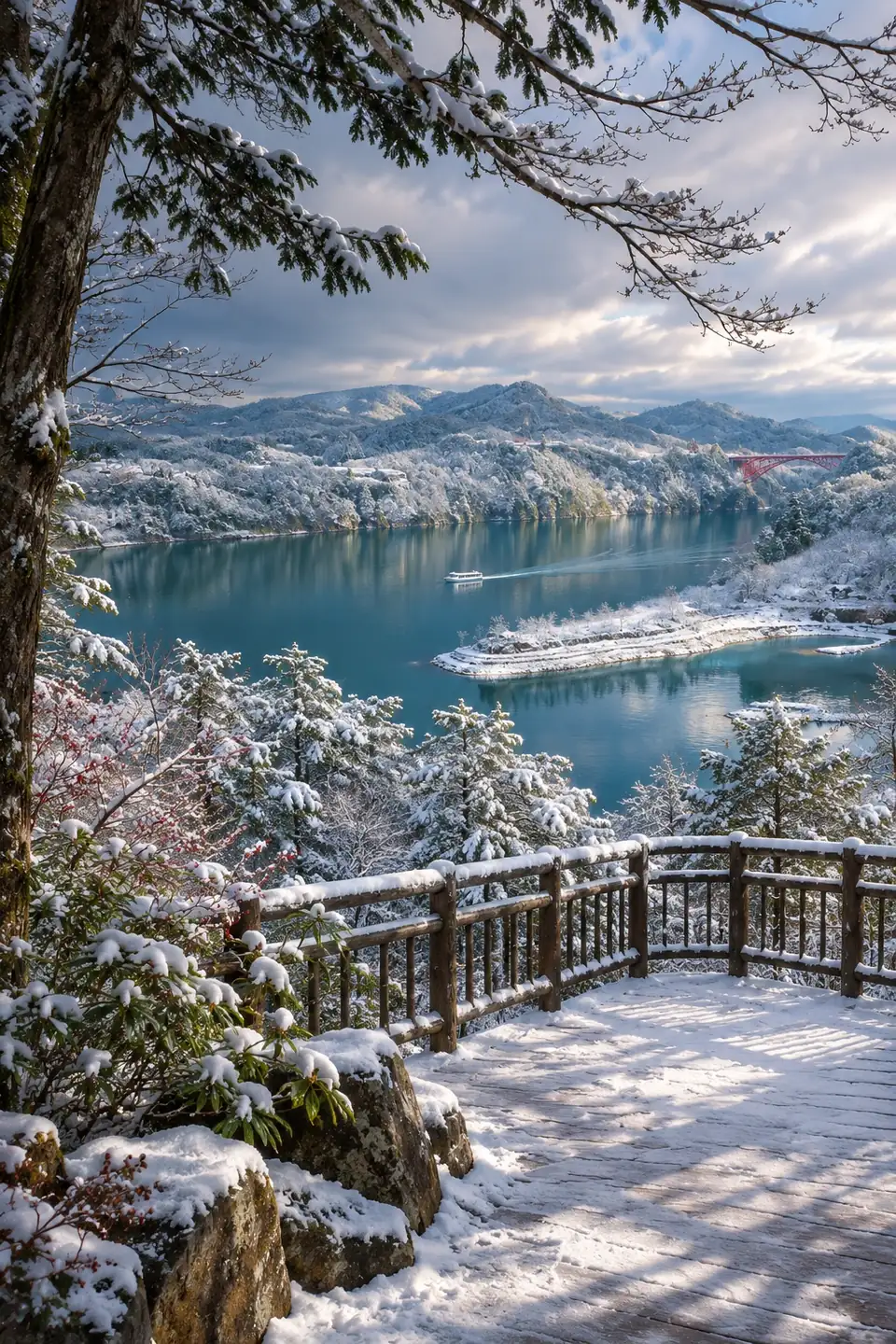
Snow Country Illuminations 2027: 8-Day Shirakawa-go Light Up Tour Experience the ice and snow fairy tale of Shirakawa-go, explore Togakushi ancient cedar forest, meet the snow monkeys at Jigokudani, enjoy Alpine snow views from Shin-Hotaka Ropeway, stroll the historic streets of Hida Takayama, tour Kenrokuen Garden with snow protection in Kanazawa, and try your hand at gold leaf craftsmanship.

Day 1 starts in Nagoya. International airfare is arranged separately.

  • 01Journey to Snow Country Lights, Encounters with Mountains and Artisans
  • 02Exclusive Shirakawa Light-Up, Leisurely Tour of Hokuriku Post Towns
  • 03Tracing Snowy Ancient Gardens, Immersive Winter Aesthetics

Your journey, day by day

01

Nagoya

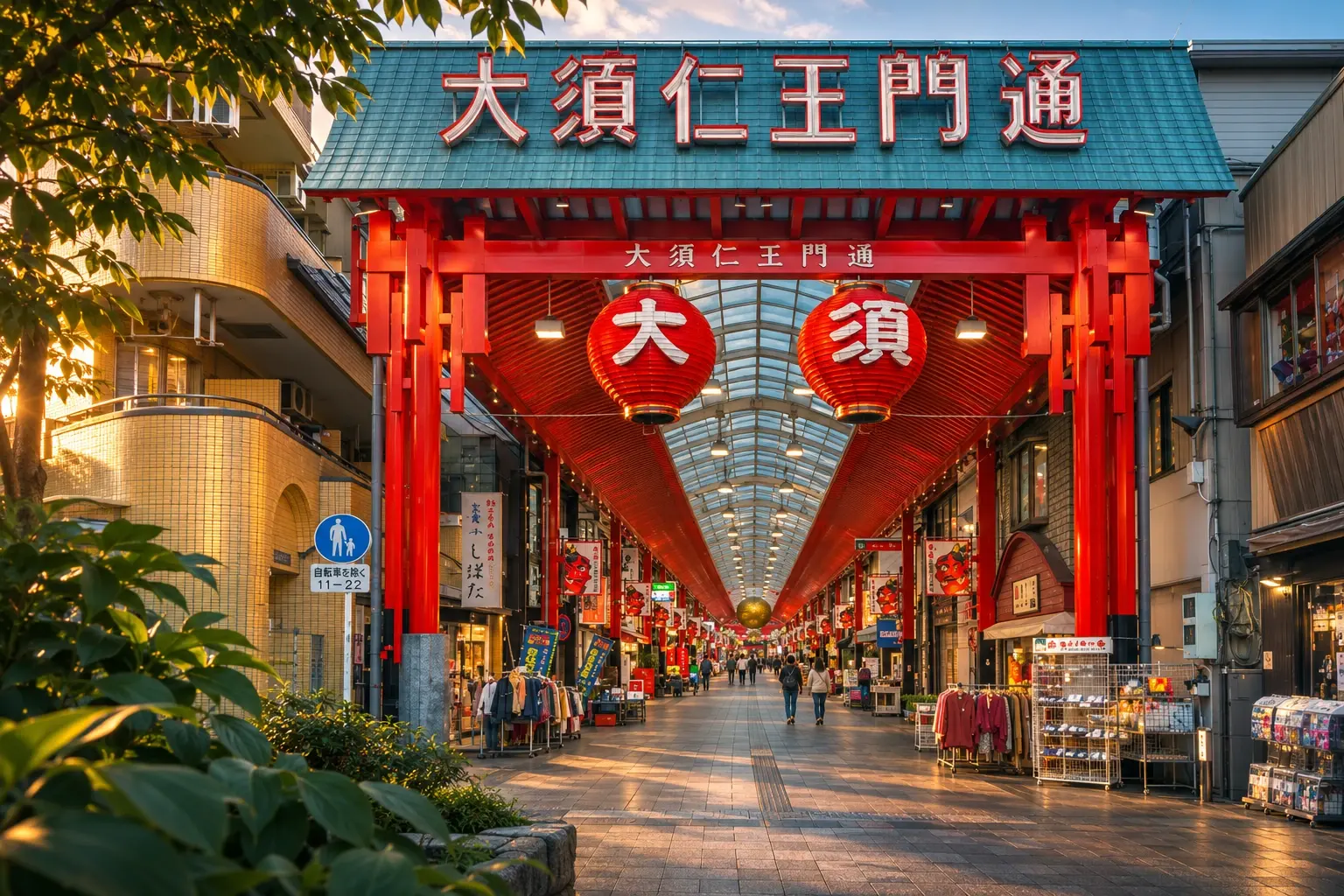
Day 1 counts from arrival in Nagoya. Activities and accommodations are arranged based on actual arrival time. International departures and cross-border flights are excluded from this itinerary. Planned visit: Osu Shopping Street; schedule adjusted according to arrival time. Airport transfers can be arranged separately; inclusion subject to confirmation.

AI-rendered illustration

Day 1 counts from arrival in Nagoya. Activities and accommodations are arranged based on actual arrival time. International departures and cross-border flights are excluded from this itinerary. Planned visit: Osu Shopping Street; schedule adjusted according to arrival time. Airport transfers can be arranged separately; inclusion subject to confirmation.

Breakfast: at your own expense. Lunch: at your own expense. Dinner: at your own expense.

Osu Shopping StreetAI-rendered illustration

Osu Shopping Street

Osu is located in central Nagoya City. It features the historic Osu Shopping District, densely packed with about 1,200 various shops, making it a great shopping destination in Nagoya. The district spans Osu 2-chome to 3-chome and is bordered by four main streets: Wakamiya Odori, Fushimi Dori, Osu Dori, and Minami Otsu Dori. Conveniently situated between Osu Kannon and Kamimaezu stations on the Tsurumai Line for easy access.

02

Nagoya → Nagano Prefecture → Matsumoto

Stroll the Historic Nakasendo Post Towns After breakfast, depart for Enakyo Gorge Observation Deck to view snowy canyon scenery; tour the historic Nakasendo post towns of Tsumago and Magome to experience Edo-period post town atmosphere; overnight stay in Matsumoto with no hotel changes for two nights. Accommodation: Matsumoto Kagetsu Hotel.

AI-rendered illustration

Stroll the Historic Nakasendo Post Towns After breakfast, depart for Enakyo Gorge Observation Deck to view snowy canyon scenery; tour the historic Nakasendo post towns of Tsumago and Magome to experience Edo-period post town atmosphere; overnight stay in Matsumoto with no hotel changes for two nights. Accommodation: Matsumoto Kagetsu Hotel.

Breakfast: at the hotel. Lunch: at your own expense. Dinner: at the hotel.

Enakyo Gorge Observation Deck (Winter)AI-rendered illustration

Enakyo Gorge Observation Deck (Winter)

The observation deck is located at Enakyo Gorge in eastern Gifu, featuring cliffs and bizarre rock formations shaped by natural erosion, spanning from the artificial lake formed by the Oi Dam blocking the Kiso River upstream to Nakatsugawa. The umbrella-shaped rock that seems to pierce the earth is a nationally protected natural monument, alongside reddish moss-covered rocks that are iconic gorge formations. Cherry blossoms, azaleas, and fall foliage at Enakyo Gorge are even more beautiful against these massive rocks, attracting many visitors. Visitors can enjoy boat tours on the water or take an aerial ropeway for a bird’s-eye view. On the north bank is Enakyo Amusement Park with 25 attractions, fun for adults and children alike, where the Ferris wheel offers views of Enakyo Gorge and the Southern Alps.

Tsumago-juku

Tsumago-juku is the 42nd post town on the Nakasendo route, located on the east bank of the Ran River in Nagiso Town, Kiso District, Nagano Prefecture, with fewer than 1,000 residents. It retains the ambiance and architecture of the Edo period, including short supporting beams and vertically latticed windows. Many historic inns and teahouses remain, along with restored post town features like signboards. It's one of Japan's first important traditional preservation districts for groups of historical buildings.

Magome-juku

Magome-juku was the 43rd of the 69 post stations on the Edo-period Nakasendo route, about 332 km from its starting point at Nihonbashi in Edo (Tokyo). Built along steep mountain paths with stone retaining walls, the town center features the honjin (principal inn), waki-honjin (secondary inn), and rows of hatago inns and eateries. After Tokugawa Ieyasu unified Japan, the Nakasendo road, spanning 540 km from Edo, became a key commercial route; Tsumago and Magome flourished as midway post towns along this historic highway.

Kiso Valley

A pristine Japanese countryside preserving the best-kept old Nakasendo trade route, charming historic towns, and the sacred Mt. Ontake.

03

Matsumoto → Nagano Prefecture → Matsumoto

Snow-Covered Ancient Cedars and Wild Snow Monkeys Encounter After hotel breakfast, visit Togakushi Shrine, stroll the snowy ancient cedar walkway, and enjoy Togakushi soba noodles; proceed to Jigokudani Monkey Park for snow hiking and observing wild macaques; after touring, return to Matsumoto. Accommodation: Hotel in Matsumoto city.

AI-rendered illustration

Snow-Covered Ancient Cedars and Wild Snow Monkeys Encounter After hotel breakfast, visit Togakushi Shrine, stroll the snowy ancient cedar walkway, and enjoy Togakushi soba noodles; proceed to Jigokudani Monkey Park for snow hiking and observing wild macaques; after touring, return to Matsumoto. Accommodation: Hotel in Matsumoto city.

Breakfast: at the hotel. Lunch: at your own expense. Dinner: at the hotel.

Togakushi Shrine (Winter)

Togakushi Shrine, near Mt. Togakushi northwest of Nagano City, is historic and blends Tendai esoteric Buddhism, Shingon esoteric Buddhism, and Shinto, regarded as a sacred site by many worshippers. It consists of five shrines: Okusha, Chusha, Hokosha, Kuzuryusha, and Hinomikosha. Okusha is the main shrine dedicated to Ame-no-Tajikarao-no-Mikoto. Visitors here often pray for wishes to be granted and a bountiful harvest. The shrine's construction date is unknown. A must-visit when in Togakushi.

Togakushi Shrine Okusha Approach

Togakushi Shrine developed from mountain worship of Mt. Togakushi. Historically a temple complex with many hermitages, it became significant post-Meiji era for its deep relations to deities of the Ama-no-Iwato myth. The shrine complex consists of five shrines: Okusha, Chusha, Hokosha, Kuzuryusha, and Hinomikosha.

Togakushi Shrine Mirror Pond

A 30-minute walk from Togakushi Shrine's Chusha brings you to the enchanting Mirror Pond. Located at 1,100 meters elevation on the Togakushi Plateau, surrounded by the Togakushi peak range, it offers stunning autumn foliage views from early to late October. The maple leaves reflect like a vibrant tapestry on the pond's surface, creating a dreamlike and exquisite landscape. This foliage spot is popular with photographers and is one of Nagano Prefecture's renowned scenic sites.

Togakushi Shrine Okusha

Togakushi Shrine, near Mt. Togakushi northwest of Nagano City, is historic and blends Tendai esoteric Buddhism, Shingon esoteric Buddhism, and Shinto, regarded as a sacred site by many worshippers. It consists of five shrines: Okusha, Chusha, Hokosha, Kuzuryusha, and Hinomikosha. Okusha is the main shrine dedicated to Ame-no-Tajikarao-no-Mikoto. Visitors here often pray for wishes to be granted and a bountiful harvest. The shrine's construction date is unknown. A must-visit when in Togakushi.

Jigokudani Monkey ParkAI-rendered illustration

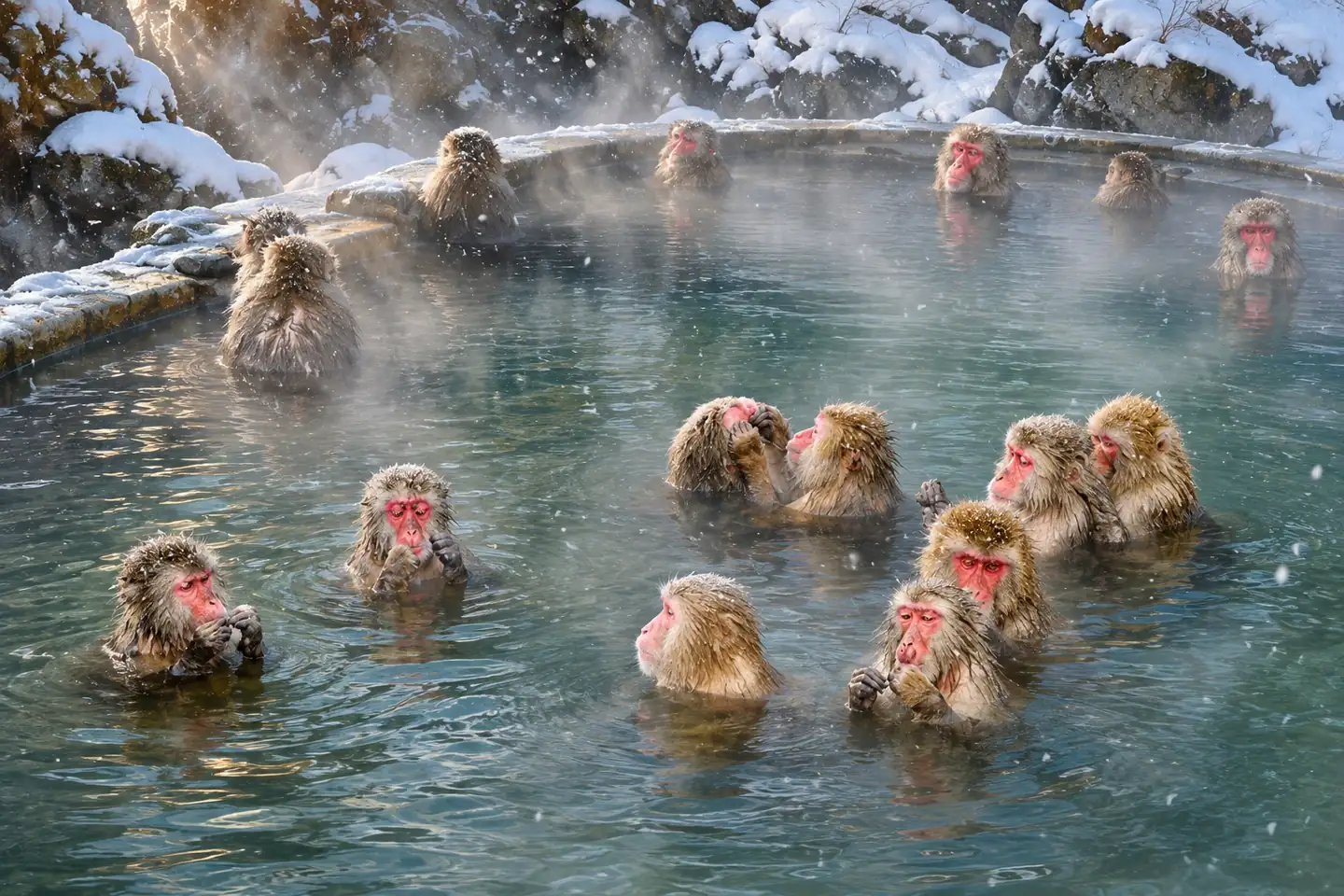
Jigokudani Monkey Park

After passing through Shibu and Yudanaka Onsen into the mountains, a 30-minute walk brings you to a hot spring park dedicated to monkeys, situated opposite the independent inn Korakukan at Jigokudani Onsen. Here you can observe wild Japanese macaques soaking in the hot springs. Watching the serious-faced monkey king relax with mother and baby monkeys in the hot water is quite amusing. The Jigokudani hot spring, a natural fountain producing a 20-meter-high hot spring jet emerging from the riverbed, is designated a national natural monument and worth seeing.

04

Matsumoto → Nagano Prefecture → Takayama

Ascend to the Clouds and Explore Historic Streets in Hida Takayama After hotel breakfast, visit Matsumoto Castle Keep, one of Japan’s three premier castles; ride Japan's unique Shin-Hotaka double-decker ropeway to view Northern Alps snowy peaks; arrive afternoon in Hida Takayama to stroll the Kami-Sannomachi historic streets and explore sake breweries; stay overnight at a hot spring hotel in Takayama enjoying a two-meal course featuring Hida beef. Accommodation: Takayama Green Hotel.

Ascend to the Clouds and Explore Historic Streets in Hida Takayama After hotel breakfast, visit Matsumoto Castle Keep, one of Japan’s three premier castles; ride Japan's unique Shin-Hotaka double-decker ropeway to view Northern Alps snowy peaks; arrive afternoon in Hida Takayama to stroll the Kami-Sannomachi historic streets and explore sake breweries; stay overnight at a hot spring hotel in Takayama enjoying a two-meal course featuring Hida beef. Accommodation: Takayama Green Hotel.

Breakfast: at the hotel. Lunch: at your own expense. Dinner: at the hotel.

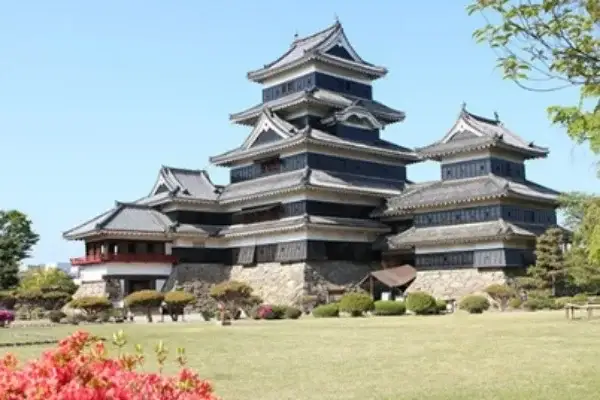
Matsumoto Castle Keep

Matsumoto Castle Keep

Matsumoto Castle, located in Matsumoto City, Nagano Prefecture, was built in 1504 (Eisho 1), originally named Fukashi Castle. It is a flatland castle centered on the main keep linked by smaller keeps and turrets, forming Japan's only complex connected keep architecture. Matsumoto Castle is one of Japan's twelve surviving original keeps and, along with Himeji, Inuyama, and Hikone Castles, is designated a National Treasure.

Hida Takayama

Many streets in Takayama retain the elegant atmosphere of ancient times, earning the nickname 'Little Kyoto.' The area's temples, shrines, rivers, and bridges all exude Kyoto-like charm, in some respects even surpassing Kyoto. The leisurely and serene atmosphere here captivates visitors, who can enjoy quiet rural scenery even in the city center.

Sanmachi Suji Old Town

Sanmachi Suji Old Town is the heart of Takayama city, featuring well-preserved historic buildings. You can spend a day strolling these ancient streets, browsing a wide range of handicraft shops for souvenirs, enjoying local tea, and savoring specialties like Wagyu beef sushi. Nearby, many sake breweries offer tasting sessions; Harada Brewery is open to visitors for tours.

05

Takayama → Shirakawa-go → Kanazawa

World Heritage Fairy Tale Illumination Festival After hotel breakfast, visit Takayama Miyagawa Morning Market early in the morning; pass through Hida Furukawa; in the evening, attend the Shirakawa-go illumination festival by qualification; after the illumination, drive north to Kanazawa for overnight stay. Stay two nights in Kanazawa; on the illumination day, a complimentary 2-hour extended car service is provided. Accommodation: Kanazawa Hyatt Centric Hotel The 2027 Shirakawa-go illumination dates have been announced: January 11 (Mon, holiday) 17:30–19:30 January 17 (Sun) 17:30–19:30 January 24 (Sun) 17:30–19:30 January 31 (Sun) 17:30–19:30 Illumination spots are limited and require advance arrangement.

World Heritage Fairy Tale Illumination Festival After hotel breakfast, visit Takayama Miyagawa Morning Market early in the morning; pass through Hida Furukawa; in the evening, attend the Shirakawa-go illumination festival by qualification; after the illumination, drive north to Kanazawa for overnight stay. Stay two nights in Kanazawa; on the illumination day, a complimentary 2-hour extended car service is provided. Accommodation: Kanazawa Hyatt Centric Hotel The 2027 Shirakawa-go illumination dates have been announced: January 11 (Mon, holiday) 17:30–19:30 January 17 (Sun) 17:30–19:30 January 24 (Sun) 17:30–19:30 January 31 (Sun) 17:30–19:30 Illumination spots are limited and require advance arrangement.

Breakfast: at the hotel. Lunch: at your own expense. Dinner: at your own expense.
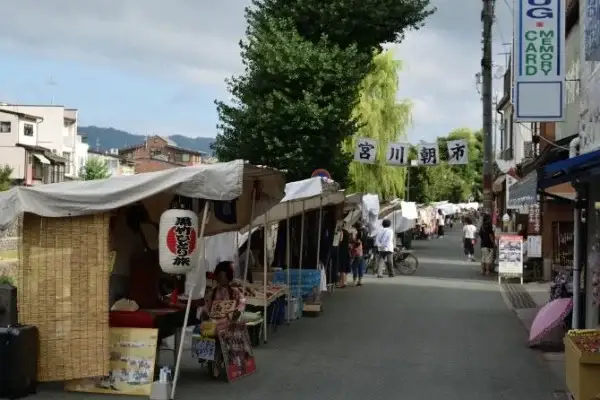
Miyagawa Morning Market

Miyagawa Morning Market

Miyagawa Morning Market stretches about 350 meters along the banks of the Miyagawa River from Kajiwa Bridge to Yayoi Bridge in the town center, with over 60 stalls. On the riverbank near the street, open-air shops sell vegetables, fruits, pickles, spices, and more. On the opposite street side, shops mainly offer snacks, sweets, and crafts. Besides Takayama specialties such as monkey baby dolls and hand-carved wood items, you can find chopsticks and other traditional Japanese small goods.

Hida Furukawa

Located at the northernmost part of Gifu, Hida Furukawa is a town known for its beautifully named 400-year-old historic streets and the Setogawa River. It is a sister city to Shuhe Ancient Town in Yunnan, China. The Setogawa River running through Furukawa was constructed 400 years ago to reclaim new farmland. The buildings retain the appearance from four centuries ago, and the river flows continuously alongside them. Near the Araki River stands Enkoji Temple, which also has over 400 years of history.

Shirakawa-go Gassho Village (Winter)

Shirakawa-go is located on the slopes of Mount Hakusan in northwest Gifu Prefecture. It is a quiet mountain village surrounded by mountains, with rice paddies and rivers interwoven. The village is famous for its over 110 "Gassho-style" (thatched steeply sloped gabled roofs) houses clustered together, designated as a UNESCO World Cultural Heritage site in 1995.
06

Kanazawa

Hokuriku Kanazawa: Garden Snow Scenes and Artisan Crafts After breakfast at the hotel, visit Kanazawa 21st Century Museum of Contemporary Art and Kenrokuen Garden to see the winter-only Yukitsuri (snow suspenders); stroll through Higashi Chaya District; experience hand-applied gold leaf craft (take your work home); in the evening, explore Omicho Market and sample fresh seafood. Accommodation: Kanazawa Hyatt Centric Hotel

Hokuriku Kanazawa: Garden Snow Scenes and Artisan Crafts After breakfast at the hotel, visit Kanazawa 21st Century Museum of Contemporary Art and Kenrokuen Garden to see the winter-only Yukitsuri (snow suspenders); stroll through Higashi Chaya District; experience hand-applied gold leaf craft (take your work home); in the evening, explore Omicho Market and sample fresh seafood. Accommodation: Kanazawa Hyatt Centric Hotel

Breakfast: at the hotel. Lunch: at your own expense. Dinner: at your own expense.

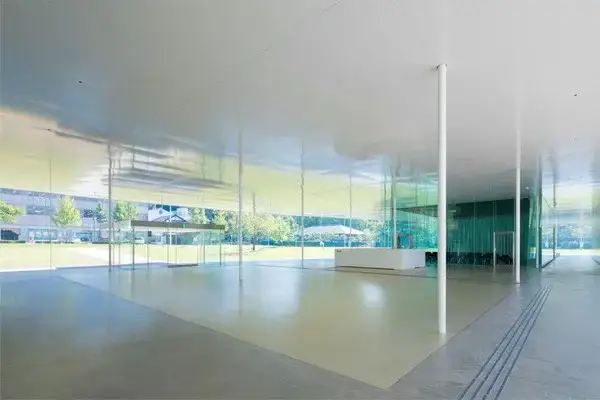
Kanazawa 21st Century Museum of Contemporary Art (Pool requires same-day reservation)

Kanazawa 21st Century Museum of Contemporary Art (Pool requires same-day reservation)

Kanazawa 21st Century Museum focuses on modern art featuring numerous artworks. The museum's design won the Golden Lion Award at the Venice Architecture Biennale. The building’s low glass cylindrical structure uses extensive glass walls, giving a visual impression of transparency and flow, which is a hallmark of the designers. Inside, the most notable exhibit is Argentine installation artist Leandro Erlich’s “Swimming Pool,” where a 50 cm thick ‘water layer’ separates above and below the pool, allowing visitors to see unique perspectives from the poolside or beneath the water. Note: Pool visits require same-day reservation with limited availability subject to actual conditions.

Kenrokuen Garden (Winter)

In heavy snowfall regions like Tohoku and Hokuriku, trees are tied with ropes in winter to prevent damage from frost and snow — this is called “Yukitsuri.” Kenrokuen Garden’s famous winter scenery is its Yukitsuri display. Starting November 1 with the Karasaki Pine, snow suspension work progresses throughout the garden, completing by mid-December. The ropes are removed after the snow season in mid-March, taking about a week. The removal of the Karasaki Pine Yukitsuri is the last step, symbolizing the arrival of spring in Hokuriku.

Higashi Chaya District

Kanazawa has three historic Chaya (teahouse) districts dating back to the Edo period: Nishi Chaya, Higashi Chaya, and Kazue-machi. Stone-paved streets are lined with many Edo-era teahouse buildings. Higashi Chaya is the largest of the three. It is a good place to experience local tea culture.

Omicho Market

Omicho Market is known as the kitchen of Kanazawa city with over 300 years of history. The street is packed with nearly 200 shops offering a wide variety of items: seafood, vegetables, fruits, cooked dishes, international spices, flowers, clothing, and textiles — all high quality and reasonably priced. Bustling shoppers and lively sales calls create a vibrant market atmosphere from morning till night. In winter, local crab catches pile up, attracting many visitors.

07

Kanazawa → Nagoya

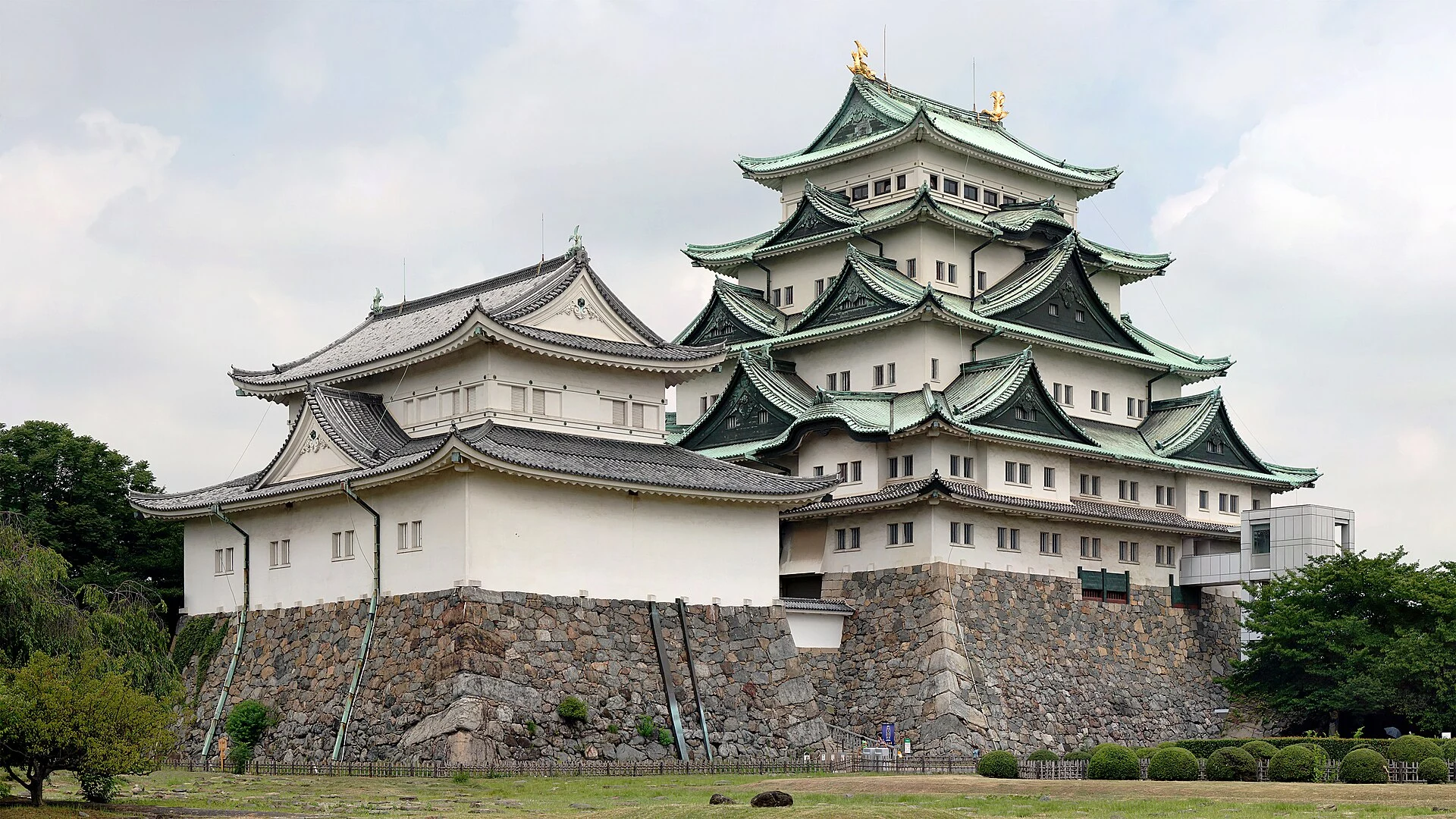
Farewell Hokuriku, Return to Urban Romance in Nagoya Depart Kanazawa and drive south to Nagoya; upon arrival, tour Nagoya Castle (Honmaru Palace and Meijo Park), one of Japan’s top three castles, appreciating Tokugawa-era painted palaces and winter gardens. Then enjoy a complimentary dinner of Hōraiken eel rice. In the evening, explore the Sakae shopping district and Oasis 21 to enjoy the Water Spaceship city night views and relax. Accommodation: Nagoya Courtyard by Marriott Hotel

Farewell Hokuriku, Return to Urban Romance in Nagoya Depart Kanazawa and drive south to Nagoya; upon arrival, tour Nagoya Castle (Honmaru Palace and Meijo Park), one of Japan’s top three castles, appreciating Tokugawa-era painted palaces and winter gardens. Then enjoy a complimentary dinner of Hōraiken eel rice. In the evening, explore the Sakae shopping district and Oasis 21 to enjoy the Water Spaceship city night views and relax. Accommodation: Nagoya Courtyard by Marriott Hotel

Breakfast: at the hotel. Lunch: at your own expense. Dinner: at your own expense.

Nagoya Castle

Nagoya Castle

Nagoya Castle, also known as Meijo, is a nationally designated historic site and ranks fourth among Japan's top 100 castles. After the Battle of Sekigahara, Tokugawa Ieyasu, founder of the Tokugawa shogunate and birthplace of Oda Nobunaga, built Nagoya Castle on the ruins of Nagoya Castle to provide for his ninth son. Orders were sent to various daimyos to assist in construction. Katō Kiyomasa, Fukushima Masanori, and others contributed to show loyalty. The castle, completed in under two years, was inherited by three generations of Tokugawa family. A bronze statue of Katō Kiyomasa carrying stones stands in Meijo Park today.

Sakae

Sakae Shopping District is Nagoya’s most famous shopping area, featuring a vast underground mall integrating dining, shopping, and entertainment. Malls like Sunshine Sakae, Lachic, and Matsuzakaya Main Store line the streets offering a wide variety of goods for an enjoyable shopping experience. About two kilometers away at Nagoya Station, the JR Central Twin Towers also offer shopping and leisure opportunities.

08

Nagoya

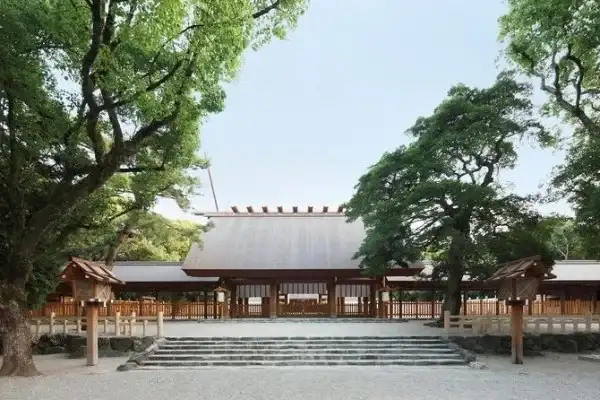
Today's planned sites: Atsuta Shrine and Oasis 21. The itinerary ends locally in Nagoya; airport transfer can be arranged based on actual flight schedules. International return flights and arrival dates at your origin are not included in this itinerary.

Today's planned sites: Atsuta Shrine and Oasis 21. The itinerary ends locally in Nagoya; airport transfer can be arranged based on actual flight schedules. International return flights and arrival dates at your origin are not included in this itinerary.

Breakfast: at the hotel. Lunch: at your own expense. Dinner: at your own expense.

Atsuta Shrine

Atsuta Shrine

Atsuta Shrine is one of Japan’s oldest shrines, believed to have been established by Emperor Keiko in the 2nd century AD, with a history of 1900 years. The main hall enshrines five deities including Takehiko no Mikoto, Miyatsuhime, Amaterasu Omikami, Susanoo no Mikoto, and Ukanomitama no Mikoto. The shrine has been highly revered throughout Japanese history and holds great authority among the people. Successive rulers, including Toyotomi Hideyoshi and Tokugawa Ieyasu, have extensively renovated it. Recently, the Japanese Emperor and Empress have also paid visits.

Oasis 21

YOUR ROUTE

Know the shape of your journey.

Starts in
Nagoya
Ends in
Nagoya
Local itinerary
8 days

A proposal shaped around you

Use this route as a starting point. Tell us your dates, pace and accommodation preferences.

Your quote will specify accommodation, guiding, transport, activities, meals and any optional arrangements before you book. International flights and airport transfers are discussed separately.

TRAVEL IN COMFORT

The right vehicle for your group.

Toyota Alphard

Up to 6 passengers

Toyota HiAce

Up to 9 passengers

Our main touring vehicles. We recommend a vehicle based on your group size and luggage. Maximum seating capacity does not guarantee room for all bags when every seat is occupied. Vehicle availability is confirmed for your destination.

More to discover

Enakyo Gorge Observation Deck (Winter)

The observation deck is located at Enakyo Gorge in eastern Gifu, featuring cliffs and bizarre rock formations shaped by natural erosion, spanning from the artificial lake formed by the Oi Dam blocking the Kiso River upstream to Nakatsugawa. The umbrella-shaped rock that seems to pierce the earth is a nationally protected natural monument, alongside reddish moss-covered rocks that are iconic gorge formations. Cherry blossoms, azaleas, and fall foliage at Enakyo Gorge are even more beautiful against these massive rocks, attracting many visitors. Visitors can enjoy boat tours on the water or take an aerial ropeway for a bird’s-eye view. On the north bank is Enakyo Amusement Park with 25 attractions, fun for adults and children alike, where the Ferris wheel offers views of Enakyo Gorge and the Southern Alps.

Kiso Valley

A pristine Japanese countryside preserving the best-kept old Nakasendo trade route, charming historic towns, and the sacred Mt. Ontake.

Togakushi Shrine (Winter)

Togakushi Shrine, near Mt. Togakushi northwest of Nagano City, is historic and blends Tendai esoteric Buddhism, Shingon esoteric Buddhism, and Shinto, regarded as a sacred site by many worshippers. It consists of five shrines: Okusha, Chusha, Hokosha, Kuzuryusha, and Hinomikosha. Okusha is the main shrine dedicated to Ame-no-Tajikarao-no-Mikoto. Visitors here often pray for wishes to be granted and a bountiful harvest. The shrine's construction date is unknown. A must-visit when in Togakushi.

Togakushi Shrine Okusha Approach

Togakushi Shrine developed from mountain worship of Mt. Togakushi. Historically a temple complex with many hermitages, it became significant post-Meiji era for its deep relations to deities of the Ama-no-Iwato myth. The shrine complex consists of five shrines: Okusha, Chusha, Hokosha, Kuzuryusha, and Hinomikosha.

Jigokudani Monkey Park

After passing through Shibu and Yudanaka Onsen into the mountains, a 30-minute walk brings you to a hot spring park dedicated to monkeys, situated opposite the independent inn Korakukan at Jigokudani Onsen. Here you can observe wild Japanese macaques soaking in the hot springs. Watching the serious-faced monkey king relax with mother and baby monkeys in the hot water is quite amusing. The Jigokudani hot spring, a natural fountain producing a 20-meter-high hot spring jet emerging from the riverbed, is designated a national natural monument and worth seeing.

Matsumoto Castle Keep

Matsumoto Castle, located in Matsumoto City, Nagano Prefecture, was built in 1504 (Eisho 1), originally named Fukashi Castle. It is a flatland castle centered on the main keep linked by smaller keeps and turrets, forming Japan's only complex connected keep architecture. Matsumoto Castle is one of Japan's twelve surviving original keeps and, along with Himeji, Inuyama, and Hikone Castles, is designated a National Treasure.

Shin-Hotaka Ropeway

A high-altitude cable car offering views of the Northern Alps' snowy landscape. It has two lines: the first runs from Shin-Hotaka Onsen at the mountain base to Shirakabadaira Station; the second continues to the terminus at Nishihotakaguchi Station. The 3,200 meter total length with a 1,039 meter elevation difference ranks it among the world's longest. Passengers enjoy breathtaking views of snow-covered rugged mountains. Ride the double-decker ropeway to the summit at 2,156 meters elevation, where an observation deck offers 360-degree panoramic views of the Northern Alps. During specific autumn periods, operating hours are extended to sunset. In winter, giant snow corridors up to 3 meters tall adorn the summit and Senrigoya area, creating a magical snowy world. Nearby stations have natural walking trails showcasing alpine flowers and vibrant autumn leaves depending on the season.

Shirakawa-go Light Up

Annual Shirakawa-go illumination event.

Before you go

This journey starts at the destination. Seasonal experiences, service inclusions and availability are confirmed with your personalized proposal.

Original source & photography · 6renyou ↗

Image credits and illustrations

BEFORE YOU PLAN

Travel planning, clearly explained.

OpenEast brings together Japan and South Korea itinerary ideas for travelers from North America, with China also part of our destination plans. Start with the local route, then consider flights and airport transfers around it.

When does Day 1 begin?

Day 1 begins at the destination. International departure-only and return flight days are not counted as destination days. Plan your flights around the local itinerary dates.

Are flights and airport transfers included?

International flights and airport transfers are confirmed separately. Do not assume they are included in a suggested itinerary.

Are these confirmed departures?

These routes are itinerary ideas. Dates, hotels, admissions, seasonal activities, prices and availability need confirmation in a personalized proposal before booking.

Can I book or send an inquiry here?

Use the inquiry form to contact our team. A submission confirmation appears only when the email service accepts your request. An inquiry does not reserve a service or take payment.

Explore Japan itineraries → · Explore South Korea itineraries →

1 / 5

Let’s plan your journey.

Snow Country Illuminations 2027: 8-Day Shirakawa-go Light Up Tour Experience the ice and snow fairy tale of Shirakawa-go, explore Togakushi ancient cedar forest, meet the snow monkeys at Jigokudani, enjoy Alpine snow views from Shin-Hotaka Ropeway, stroll the historic streets of Hida Takayama, tour Kenrokuen Garden with snow protection in Kanazawa, and try your hand at gold leaf craftsmanship.

Leave your details, and our travel specialists will get in touch by email or your preferred contact method.

Your specialist will confirm the itinerary, pricing and availability with you.

How we use your information

Your inquiry is sent to info@jasperlimo.com so our team can respond. Please do not include passport or payment details.

Start planning