Japan · 11 DAYS

Shikoku Hidden Gems & Setouchi Art Islands 11-Day Tour

Osaka → Tokushima → Kochi → Matsuyama → Kagawa Prefecture → Takamatsu → Naoshima Island → Shodoshima Island

Explore Shikoku’s hidden regions and experience natural wonders like the Iya Vine Bridge and Oboke River cruise. Stroll the art islands, visiting iconic Naoshima pumpkin and Ritsurin Garden to appreciate cultural aesthetics.

11 daysCulture & natureItinerary idea

Request this itinerary

Leave your details, and our travel specialists will get in touch by email or your preferred contact method.

Your specialist will confirm the itinerary, pricing and availability with you.

How we use your information

Your inquiry is sent to info@jasperlimo.com so our team can respond. Please do not include passport or payment details.

JOURNEY HIGHLIGHTS

Japan, made personal.

Shikoku Hidden Gems & Setouchi Art Islands 11-Day Tour: Gorge rafting + pilgrimage to mountain and seashore temples + Setouchi art island hopping + historic Dogo Onsen + urban Osaka exploration

Day 1 starts in Osaka → Tokushima. International airfare is arranged separately.

  • 01Explore Shikoku’s hidden regions and experience natural wonders like the Iya Vine Bridge and Oboke River cruise.
  • 02Stroll the art islands, visiting iconic Naoshima pumpkin and Ritsurin Garden to appreciate cultural aesthetics.
  • 03Enjoy bustling Osaka with visits to Osaka Castle and Shinsaibashi, indulging in city dining and shopping.

Your journey, day by day

01

Osaka → Tokushima

Day 1 starts upon arrival in Osaka. Local itinerary and accommodation arranged based on actual arrival time; international departures and flights are not counted in the itinerary. Local route after arrival: Osaka > Tokushima. Planned sightseeing: Temple 1, Ryozenji; adjusted according to arrival time. Airport transfers can be arranged separately; inclusion subject to confirmation.

AI-rendered illustration

Day 1 starts upon arrival in Osaka. Local itinerary and accommodation arranged based on actual arrival time; international departures and flights are not counted in the itinerary. Local route after arrival: Osaka > Tokushima. Planned sightseeing: Temple 1, Ryozenji; adjusted according to arrival time. Airport transfers can be arranged separately; inclusion subject to confirmation.

Breakfast: at your own expense. Lunch: at your own expense. Dinner: at your own expense.

Ryozenji Temple, First Sacred Temple

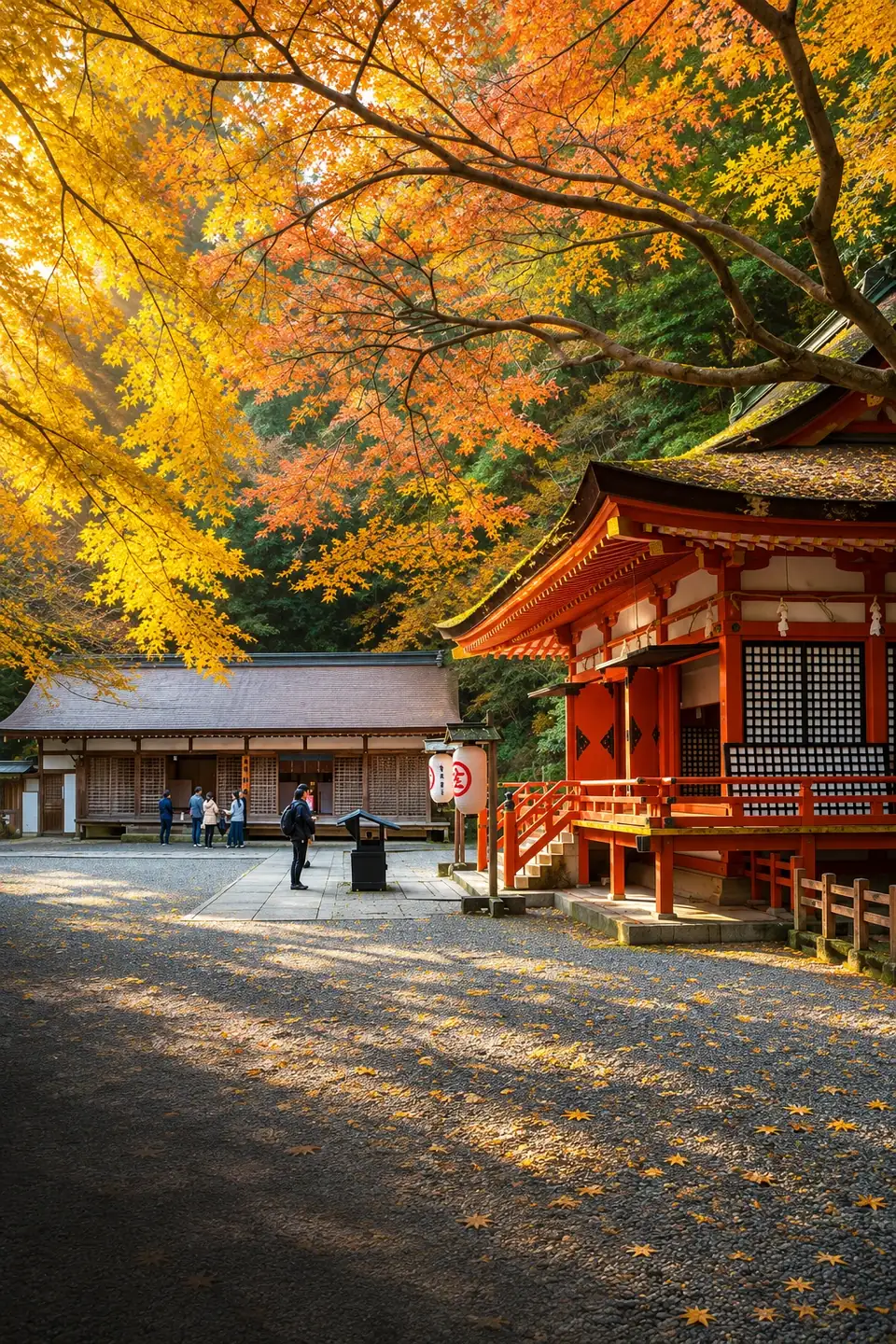
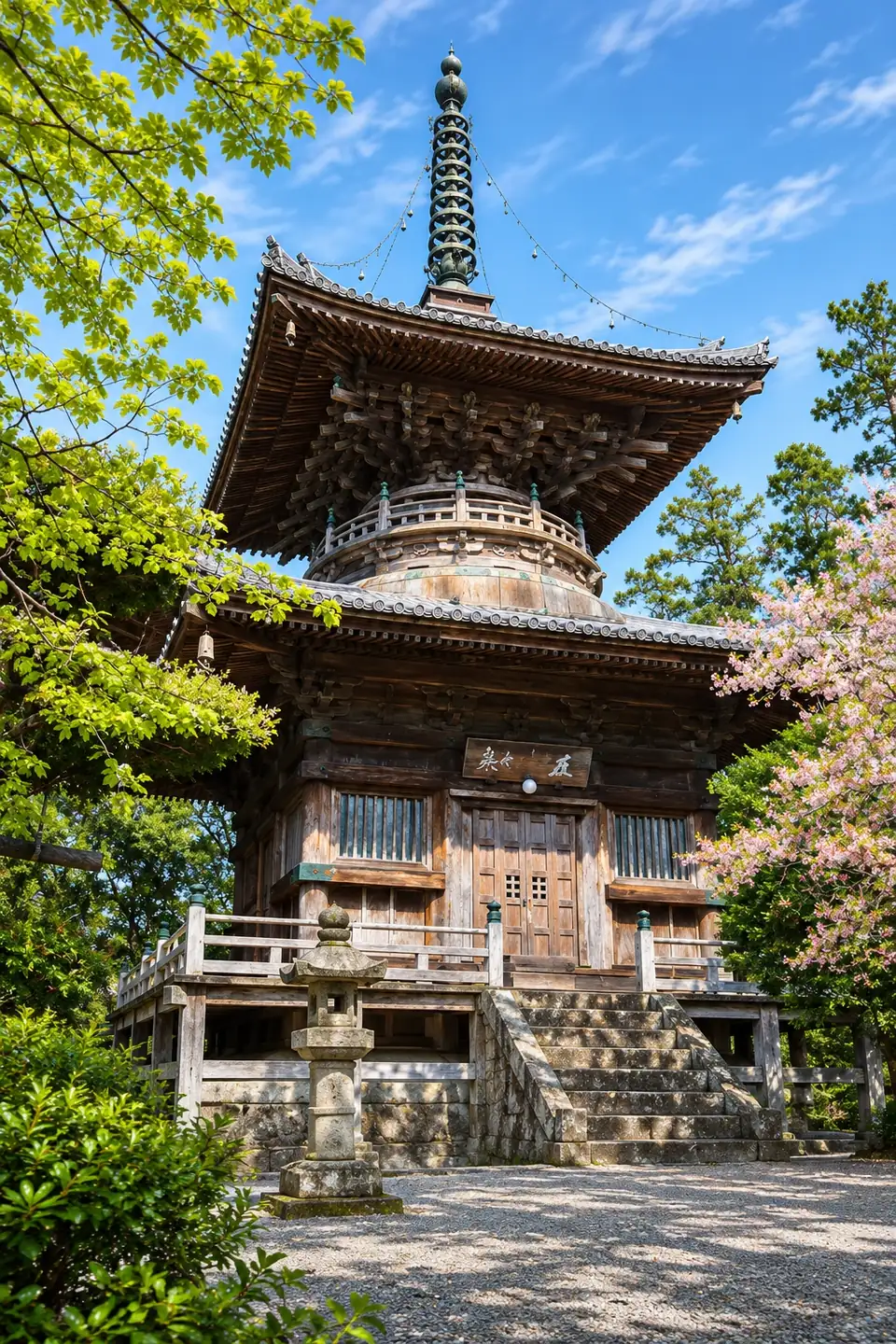
Located in Naruto City, Tokushima Prefecture, Ryozenji Temple on Mt. Nechiyama is the starting point of the Shikoku pilgrimage's 88 temples, known as "The Temple of Vows." Founded in the Nara period, it has been rebuilt multiple times following fires that destroyed buildings including the main hall and pagoda. The current structures mostly represent modern reconstructions. The famous monk Kobo Daishi is said to have practiced here for 21 days during his travels. Surrounded by lush trees and scenic views, the temple's main hall is a national treasure along with the three-story pagoda, guardian shrine, and bell tower, all important cultural assets.

02

Tokushima

Begin your nature exploration in Tokushima. After breakfast at your hotel, head to Mt. Tsurugi and take the sightseeing chairlift for an easy ascent to enjoy spectacular mountain views. Then visit the mysterious Sky Village for a unique cloud-level stroll experience. In the afternoon, explore the Iya Valley, admire the deep gorge’s natural beauty, and visit the famous Oku-Iya Double Vine Bridges to experience traditional vine bridges. Lunch and dinner are on your own, with opportunities to savor local specialties along the way. Immerse yourself in Tokushima’s mountain scenery and culture today.

Begin your nature exploration in Tokushima. After breakfast at your hotel, head to Mt. Tsurugi and take the sightseeing chairlift for an easy ascent to enjoy spectacular mountain views. Then visit the mysterious Sky Village for a unique cloud-level stroll experience. In the afternoon, explore the Iya Valley, admire the deep gorge’s natural beauty, and visit the famous Oku-Iya Double Vine Bridges to experience traditional vine bridges. Lunch and dinner are on your own, with opportunities to savor local specialties along the way. Immerse yourself in Tokushima’s mountain scenery and culture today.

Breakfast: at the hotel. Lunch: at your own expense. Dinner: at your own expense.

Mt. Tsurugi

Mt. Tsurugi stands at 1,955 meters, making it the second highest peak in Shikoku and the second tallest mountain in western Japan. It is part of the Tsurugi Quasi-National Park, spanning Tokushima’s Miyoshi and Mima cities near the Kochi border. The ridge has a sharp sword-like shape, from which the mountain’s name derives. It has a thousand-year history as a sacred site for Shugendo mountain asceticism and is associated with legends of Emperor Antoku’s buried treasured sword.

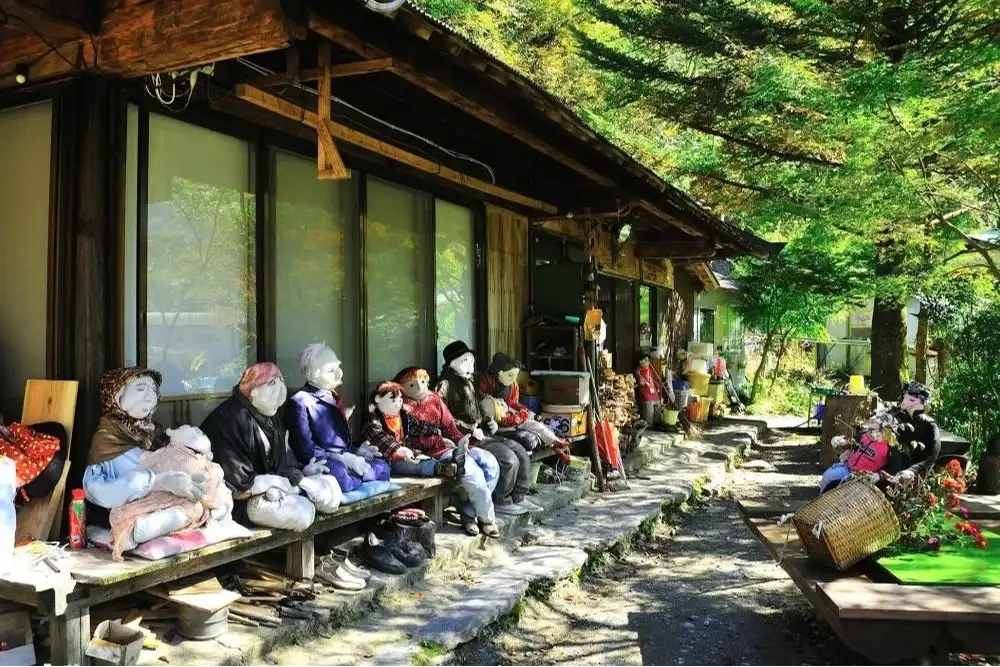
Sky Village

Sky Village

A niche secret spot formed due to village depopulation and aging, with very few actual residents but over 300 life-size handmade straw scarecrows scattered throughout, outnumbering people and inspiring the name "Sky Village."

Iya Valley

Located in the Oboke and Koboke area of central Shikoku, this river features clear waters with rugged mountains and strange rocks on both banks. The JR Nanpu Line runs along the river; you can get off at Oboke Station and walk about 30 minutes to the boat dock. Boats run every 20-30 minutes, with a boatman providing Japanese commentary. Wild ducks can be seen in the water. In winter, dress warmly as the river breeze is strong.

Oku-Iya Double Vine Bridge

The Iya Vine Bridge is 45 meters long and made from kiwi vine vines. When crossing, you can see the rushing water below and the bridge sways with each step, making it quite thrilling! Historically, villagers crossed the mountains and rivers using these bridges. Today, walking the same path allows visitors to experience a glimpse of past life.

03

Tokushima

Your exciting journey in Tokushima begins with a visit to the dramatic Oboke Gorge, where the Yoshino River has carved a stunning V-shaped valley filled with unique rock formations. Then embark on an Oboke boat cruise for close natural views and a water perspective of the scenery. Next, cross into Kochi Prefecture to visit Chikurinji Temple, where you can stroll peacefully amid serene Zen atmosphere, experiencing a blend of history and nature. Breakfast is provided at the hotel; lunch and dinner are at your discretion to explore local food.

AI-rendered illustration

Your exciting journey in Tokushima begins with a visit to the dramatic Oboke Gorge, where the Yoshino River has carved a stunning V-shaped valley filled with unique rock formations. Then embark on an Oboke boat cruise for close natural views and a water perspective of the scenery. Next, cross into Kochi Prefecture to visit Chikurinji Temple, where you can stroll peacefully amid serene Zen atmosphere, experiencing a blend of history and nature. Breakfast is provided at the hotel; lunch and dinner are at your discretion to explore local food.

Breakfast: at the hotel. Lunch: at your own expense. Dinner: at your own expense.

Oboke GorgeAI-rendered illustration

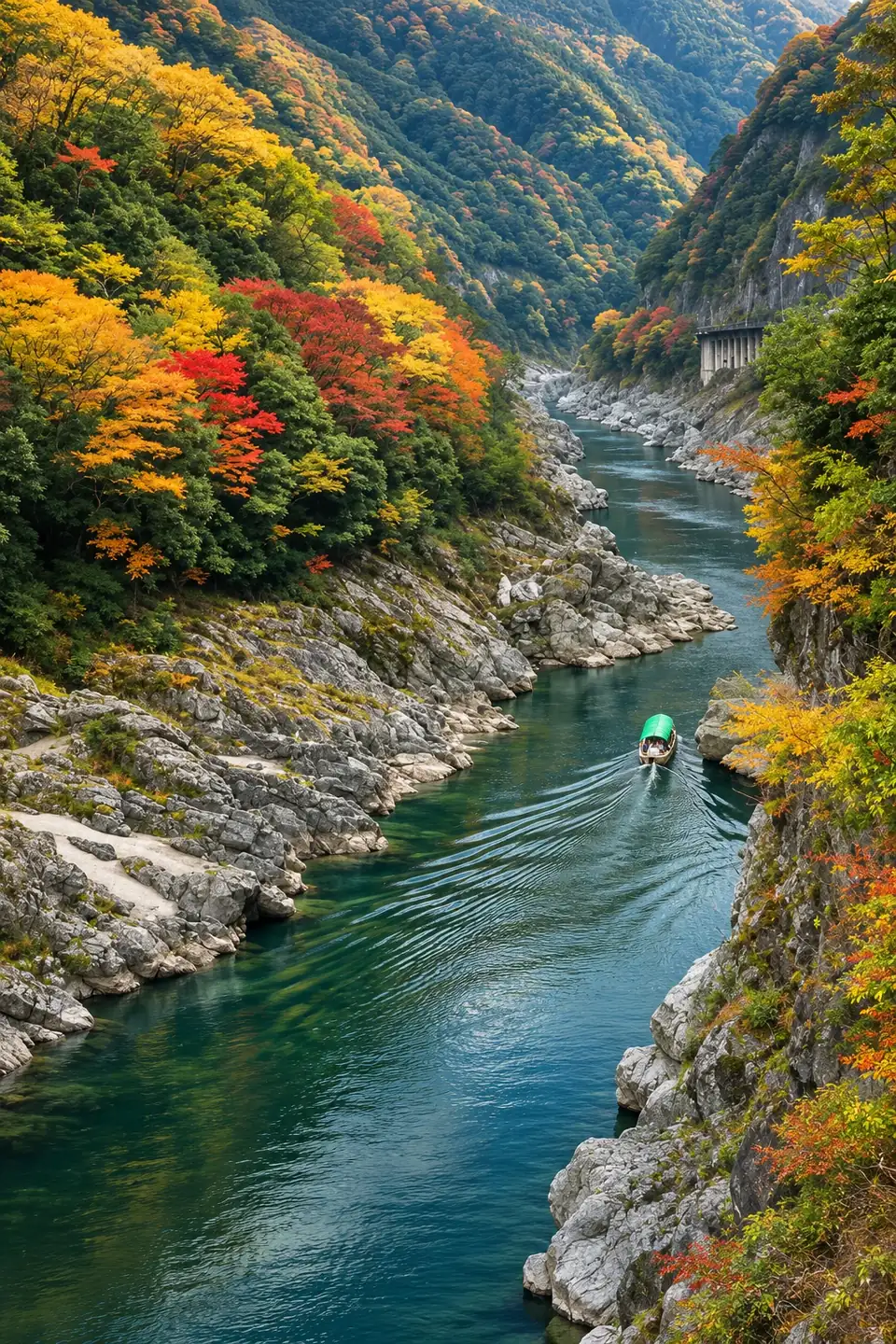
Oboke Gorge

A valley formed from metamorphic rocks dating back 60 to 80 million years ago. Visitors can enjoy scenic V-shaped views of Oboke Gorge from the river. Famous for its sightseeing boats with over 100 years of history, the boat ride offers beautiful seasonal landscapes.

Chikurinji Temple

Chikurinji Temple is located on Godaisan Hill in Kochi City, Temple No.31 on Shikoku’s 88 Temple Pilgrimage. Its principal deity is Manjushri Bodhisattva, one of Japan’s top three Manjushri shrines. Founded in 724 AD by the monk Gyoki under imperial order, it was fashioned after China's Mount Wutai. Famous poet Muso Soseki is said to have designed the temple gardens. It is also the setting of the famous folk tale "Junshin and Shoma."

04

Kochi

Enjoy a relaxing day in Kochi. After a delicious breakfast at your hotel, board the nostalgic Shimanto Torocco train to admire gorgeous views along the Shimanto River. Later, experience a unique Shimanto River houseboat ride, enjoying the tranquility and healing power of nature on the water.

Enjoy a relaxing day in Kochi. After a delicious breakfast at your hotel, board the nostalgic Shimanto Torocco train to admire gorgeous views along the Shimanto River. Later, experience a unique Shimanto River houseboat ride, enjoying the tranquility and healing power of nature on the water.

Breakfast: at the hotel. Lunch: at your own expense. Dinner: at your own expense.

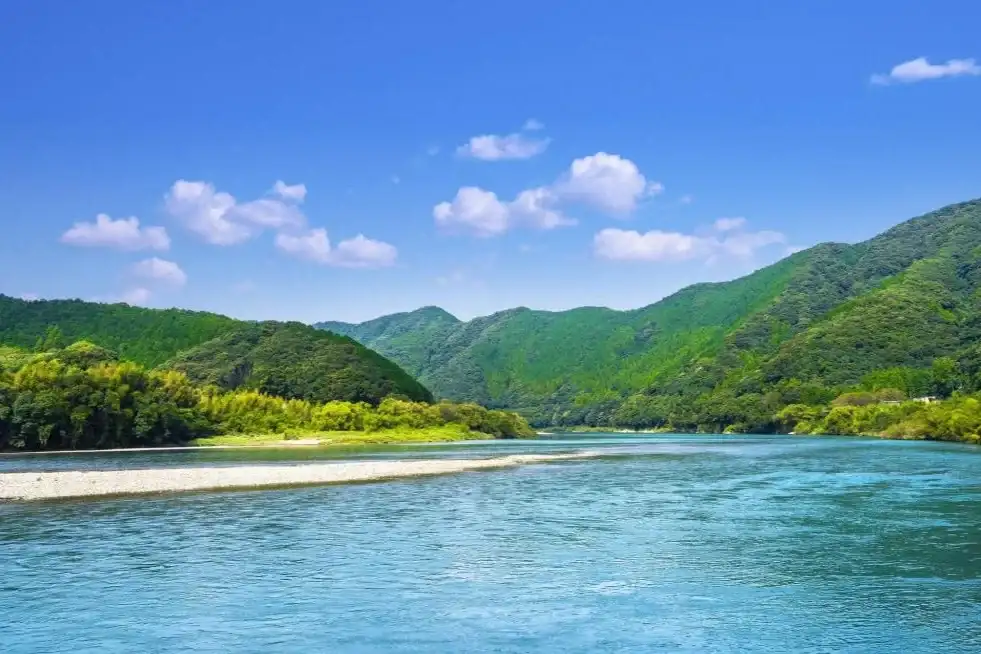
Shimanto River

Shimanto River

The Shimanto River is 196 km long, the longest river in Shikoku, and known as Japan’s "last clear stream." It is one of Japan’s three cleanest rivers. Originating near the border of Kochi and Ehime at Nyu-san Mountain, the river has almost no large dams along its main course, preserving its natural flow with exceptionally transparent waters.

05

Kochi → Matsuyama

Depart Kochi for Matsuyama to begin a journey rich in history and warmth. On arrival, visit the magnificent Matsuyama Castle to feel its solemn character. Stroll through town and encounter the charming Botchan Karakuri Clock, evoking melodies from Natsume Soseki’s novel. Next, pray at Isaniwa Shrine, then relax in Dogo Onsen, a hot spring with over a millennium of history, washing away travel fatigue. Breakfast at the hotel; lunch and dinner are self-arranged to fully experience Matsuyama’s unique charm.

AI-rendered illustration

Depart Kochi for Matsuyama to begin a journey rich in history and warmth. On arrival, visit the magnificent Matsuyama Castle to feel its solemn character. Stroll through town and encounter the charming Botchan Karakuri Clock, evoking melodies from Natsume Soseki’s novel. Next, pray at Isaniwa Shrine, then relax in Dogo Onsen, a hot spring with over a millennium of history, washing away travel fatigue. Breakfast at the hotel; lunch and dinner are self-arranged to fully experience Matsuyama’s unique charm.

Breakfast: at the hotel. Lunch: at your own expense. Dinner: at your own expense.
Matsuyama CastleAI-rendered illustration

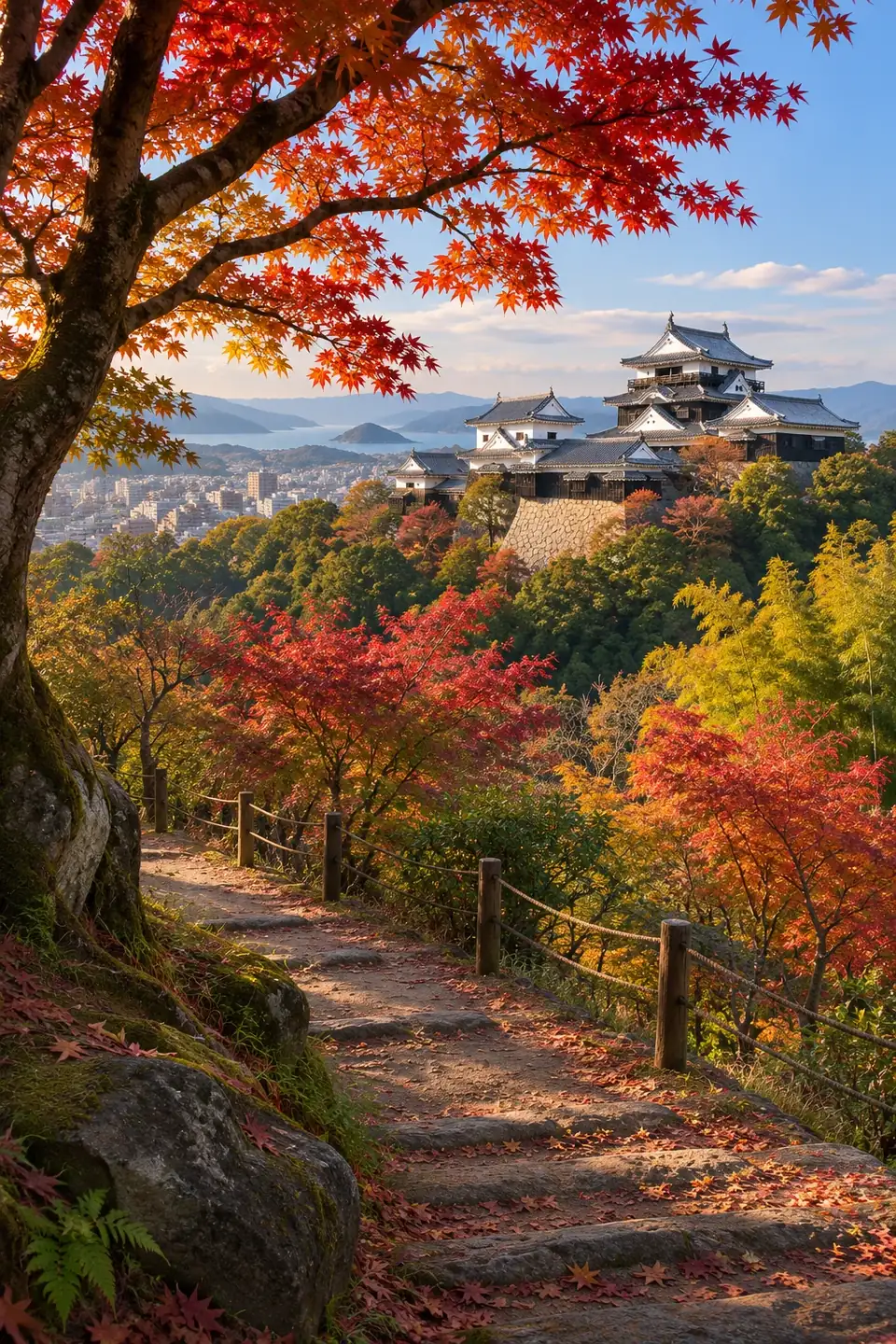
Matsuyama Castle

A very beautiful place, but relatively remote and seldom visited.

Botchan Mechanical Clock

Built in 1994 to commemorate the 100th anniversary of Dogo Onsen Honkan, located in front of Dogo Onsen Station’s Poseien Park. From 8:00 AM to 10:00 PM every hour (and every 30 minutes on weekends, holidays, and special periods), the mechanical clock performs with music, depicting scenes and characters from Natsume Soseki’s novel ‘Botchan’ set in Matsuyama and Dogo Onsen. The clock’s exterior design is inspired by Dogo Onsen Honkan’s Shouroukaku building.

Isaniwa Shrine

Also called 'Yuzuki Hachiman-gu,' Isaniwa Shrine is located in Matsuyama City, Ehime Prefecture, near Dogo Onsen. Listed in the Engishiki, it is an ancient shrine. Its main hall, completed in 1667, is one of Japan’s three great Hachiman-zukuri structures alongside Kyoto’s Iwashimizu Hachimangu and Oita’s Usa Jingu. The entire complex is designated a National Important Cultural Property.

Dogo Onsen

The Dogo Onsen Honkan, rebuilt in 1894 (Meiji 27), shines with historic charm. Visitors can view records of ongoing preservation and repair works. It is a public bathhouse recognized as an Important Cultural Property, uniquely running restoration works while remaining open. The 3-story wooden structure has a tiled and copper sheet roof. The first floor houses the bath area, and the second and third floors serve as rest rooms.
06

Matsuyama → Kagawa Prefecture

From Matsuyama, journey to Kagawa Prefecture for a nature-filled day. Visit the famous "Sky Torii" gate standing grandly between sea and sky. Then proceed to Tsunohama Beach, nicknamed "Japan’s Uyuni Salt Flat," where the mirror-like surface reflects the sky beautifully, especially at dusk. Breakfast is at the hotel; lunch and dinner are on your own. Take this chance to savor local specialties and enjoy a leisurely meal experience.

From Matsuyama, journey to Kagawa Prefecture for a nature-filled day. Visit the famous "Sky Torii" gate standing grandly between sea and sky. Then proceed to Tsunohama Beach, nicknamed "Japan’s Uyuni Salt Flat," where the mirror-like surface reflects the sky beautifully, especially at dusk. Breakfast is at the hotel; lunch and dinner are on your own. Take this chance to savor local specialties and enjoy a leisurely meal experience.

Breakfast: at the hotel. Lunch: at your own expense. Dinner: at your own expense.

Sky Torii Gate

Located atop Mount Inatsuki at 404 meters above sea level, this shrine is also known as Inazumi Shrine. From the Torii Gate at the summit, visitors enjoy panoramic views over Kanonji City and the expansive Seto Inland Sea. The shrine’s Torii is called the "Sky Torii" and was selected as one of Shikoku’s eighty-eight scenic spots in 2018.

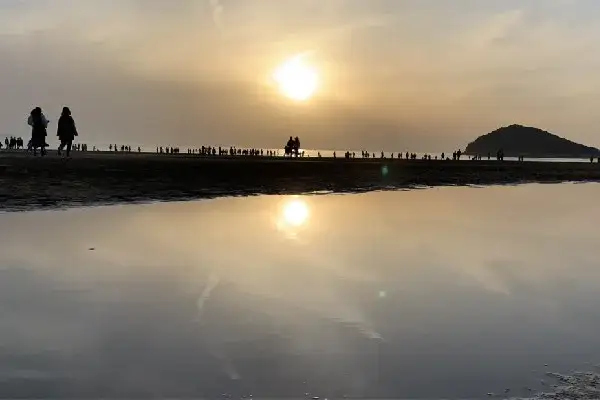
Tsunohama Beach

Tsunohama Beach

Tsunohama is a famous 1-kilometer-long sandy beach known for its shallow, expansive coastline and is often called "Japan's mirror" due to sky-like reflections on the water’s surface. At dusk, the reflections create a dreamlike water mirror effect, making it a popular photography spot.

07

Kagawa Prefecture → Takamatsu

Explore Takamatsu City, Kagawa Prefecture. After a hearty breakfast at your hotel, visit the renowned Kotohira-gu Shrine to feel its historic and solemn atmosphere. Next, stroll through Ritsurin Garden, one of Japan’s three most famous gardens, admiring exquisite Japanese landscaping and seasonal changes. Lunch and dinner are self-arranged, allowing you to enjoy local dishes freely. This day blends culture and nature for memorable experiences.

AI-rendered illustration

Explore Takamatsu City, Kagawa Prefecture. After a hearty breakfast at your hotel, visit the renowned Kotohira-gu Shrine to feel its historic and solemn atmosphere. Next, stroll through Ritsurin Garden, one of Japan’s three most famous gardens, admiring exquisite Japanese landscaping and seasonal changes. Lunch and dinner are self-arranged, allowing you to enjoy local dishes freely. This day blends culture and nature for memorable experiences.

Breakfast: at the hotel. Lunch: at your own expense. Dinner: at your own expense.

Kotohira-gu ShrineAI-rendered illustration

Kotohira-gu Shrine

Known affectionately as Konpira-san, Kotohira-gu stands on the slopes of Mount Kotohira and honors Omononushi and Emperor Sutoku. Its long stone stairway is a defining feature: 365 steps lead to the main gate, 785 to the principal sanctuary and 1,368 to the inner shrine, Izutama-jinja. Souvenir shops and restaurants line the approach, where walking sticks are available to rent. The source itinerary also mentions stairway palanquins; availability should be checked. Inside the gate, five historic sweet stalls known as the Gonin Byakusho trade under privileges inherited from their ancestors. Along the climb are the richly carved Asahi-sha, a study hall decorated with paintings by Maruyama Okyo and Ito Jakuchu, a treasure hall and several torii gates. The upper shrine offers views across Kotohira.

Ritsurin Garden

Ritsurin Garden is located in the southern suburbs of Takamatsu City, Kagawa Prefecture on Shikoku Island, covering about 75 hectares. The garden is designed around six ponds and thirteen artificial hills, harmonizing with the distant Mt. Shiun, offering different scenery through the seasons. From the early to mid-Edo period, it was considered Japan’s most famous 'strolling daimyo garden.' Featuring rock and water landscapes with engaging compositions, Ritsurin Garden has been passed down through the ages as a valuable cultural heritage.

08

Takamatsu → Naoshima Island → Takamatsu

Depart Takamatsu by ferry to start an artistic journey on Naoshima Island. Visit the iconic Red Pumpkin and poetic violin sculpture representing Yayoi Kusama and Nawa Koji’s creativity. Explore the Chichu Art Museum designed by Tadao Ando, where natural light and shadows enhance the experience of modern art. Don’t miss the famous "Pumpkin at the Edge of the World" by the sea for stunning photo opportunities. Return to Takamatsu after the tour. Breakfast at the hotel; lunch and dinner are on your own to enjoy local flavors.

Depart Takamatsu by ferry to start an artistic journey on Naoshima Island. Visit the iconic Red Pumpkin and poetic violin sculpture representing Yayoi Kusama and Nawa Koji’s creativity. Explore the Chichu Art Museum designed by Tadao Ando, where natural light and shadows enhance the experience of modern art. Don’t miss the famous "Pumpkin at the Edge of the World" by the sea for stunning photo opportunities. Return to Takamatsu after the tour. Breakfast at the hotel; lunch and dinner are on your own to enjoy local flavors.

Breakfast: at the hotel. Lunch: at your own expense. Dinner: at your own expense.

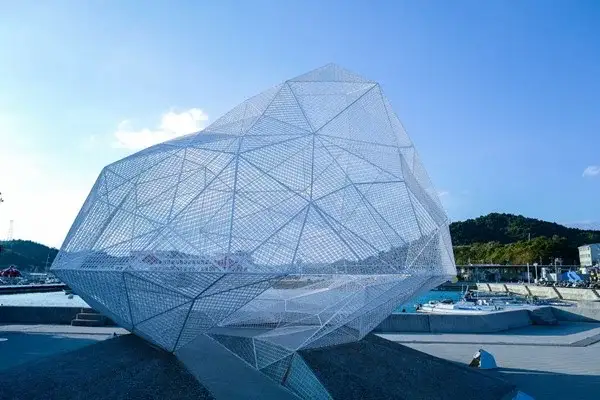
Naoshima Violin

Naoshima Violin

Created for the triennial Setouchi Triennale, this artwork aims to form "the 28th island" among Naoshima's 27 islands. As an art piece, it embodies Naoshima's "Art Island" identity with a light, transparent design evoking a floating island on water. Like nearby works such as the Sea Station by SANAA and Naoshima Bath by Shinro Otake, the violin is accessible, allowing visitors to enter, walk around, or rest inside.

Red Pumpkin

The first large red pumpkin seen at Miyaura Port. Its vivid color and shape contrast sharply with Naoshima's architecture, marking a refined seaside station. Black holes on its surface are hollowed spaces inviting visitors inside.

Chichu Art Museum

Located within Setonaikai National Park, the Chichu Art Museum blends seamlessly with its natural surroundings. Architect Tadao Ando designed nearly 70% of the building underground to preserve the ecosystem, with an entrance following the hillside slope. The museum features Ando’s signature exposed concrete style and houses five Monet Water Lilies paintings. Monet created these late in life while suffering cataracts. Ando designed the museum interior to simulate a dim, underground ambiance, reflecting the philosophy "better dim than bright, better underground than on the surface."

Pumpkin of the World’s End

The large pumpkin in the Seto Inland Sea is one of Yayoi Kusama’s iconic works. Kusama’s fondness for pumpkins is well-known in the art world; pumpkins frequently appear in her creative works.

09

Takamatsu → Shodoshima Island → Takamatsu

From Takamatsu, take a ferry to charming Shodoshima Island. Visit Olive Park to enjoy romantic scenery of white windmills and olive trees and try making olive oil. Then head to Kankakei Gorge, one of Japan's three most beautiful ravines, to admire autumn foliage or lush green mountains by cable car. Finish with a walk on Angel Road, a tidal sandbar famous for photos and believed to bring good relationships. After a full day, return to Takamatsu, concluding your Seto Inland Sea adventure.

AI-rendered illustration

From Takamatsu, take a ferry to charming Shodoshima Island. Visit Olive Park to enjoy romantic scenery of white windmills and olive trees and try making olive oil. Then head to Kankakei Gorge, one of Japan's three most beautiful ravines, to admire autumn foliage or lush green mountains by cable car. Finish with a walk on Angel Road, a tidal sandbar famous for photos and believed to bring good relationships. After a full day, return to Takamatsu, concluding your Seto Inland Sea adventure.

Breakfast: at the hotel. Lunch: at your own expense. Dinner: at your own expense.

Shodoshima IslandAI-rendered illustration

Shodoshima Island

Shodoshima Island lies northeast of Takamatsu City and is the easternmost island of the Bisan Seto Islands in the Seto Inland Sea. It is the second-largest island in the Seto Inland Sea after Awaji Island, with a coastline of about 126 kilometers. The island enjoys a Mediterranean-like warm climate, ideal for cultivating citrus fruits, and is renowned as the birthplace of olive tree cultivation in Japan.

Shodoshima Olive Park

Shodoshima was the first place in Japan where olives were successfully cultivated on a large scale. To commemorate the island's olive history, Olive Park was established near the original olive groves. The park offers a blue, green, and white landscape of sky, sea, olives, herbs, clouds, and windmills. Studio Ghibli’s "Kiki’s Delivery Service" filmed scenes here. The park cultivates about 2,000 olive trees and over 130 types of herbs.

Kankakei Gorge

During autumn, over fifty species of deciduous trees create a magnificent display of fall colors at Kankakei Gorge. Taking the ropeway to the summit offers breathtaking panoramic views of the colorful valley below. The gorge, shaped over two million years, features striking rock formations and layers accented by diverse tree shapes, resembling a finely detailed painting. The area includes 20 scenic spots named as Kankakei's 12 summit views and 8 valley views, formed by volcanic rock weathering. Among its 1,000+ plant species, 50 are foliage trees turning vivid red in autumn.

Angel Road

Angel Road is a sandbar stretching about 500 meters that appears only during low tide twice a day. When visible, it forms a golden pathway connecting several small islands. The largest island is Yudeshima. Legend says couples holding hands while crossing Angel Road to Yudeshima will have a happy and sweet love.

10

Takamatsu → Osaka

Depart Takamatsu for Osaka to begin an exciting urban exploration. Visit the grand Osaka Castle and climb the Tenshukaku (main tower) for panoramic views and history. Stroll Osaka Castle Park for a relaxing break. In the evening, explore bustling Shinsaibashi Shopping Street and experience lively Dotonbori, enjoying local street foods amid vibrant neon lights. This day blends historical culture with modern trends, showcasing Kansai’s diverse charm.

AI-rendered illustration

Depart Takamatsu for Osaka to begin an exciting urban exploration. Visit the grand Osaka Castle and climb the Tenshukaku (main tower) for panoramic views and history. Stroll Osaka Castle Park for a relaxing break. In the evening, explore bustling Shinsaibashi Shopping Street and experience lively Dotonbori, enjoying local street foods amid vibrant neon lights. This day blends historical culture with modern trends, showcasing Kansai’s diverse charm.

Breakfast: at the hotel. Lunch: at your own expense. Dinner: at your own expense.

Osaka Castle Main Tower

Osaka Castle's main tower is the landmark of the castle grounds. The castle is associated with Toyotomi Hideyoshi and has undergone destruction and reconstruction over its history. The present concrete tower dates to 1931 and was renovated in 1997. Its exhibitions explore Hideyoshi and Osaka's past. The source lists a December 28–January 1 closure; verify current opening dates before visiting.

Osaka Castle Park

Osaka Castle Park is a large green space in the heart of the city, with wooded grounds surrounding the landmark castle tower. From the tower, visitors can look out across Osaka.

ShinsaibashiAI-rendered illustration

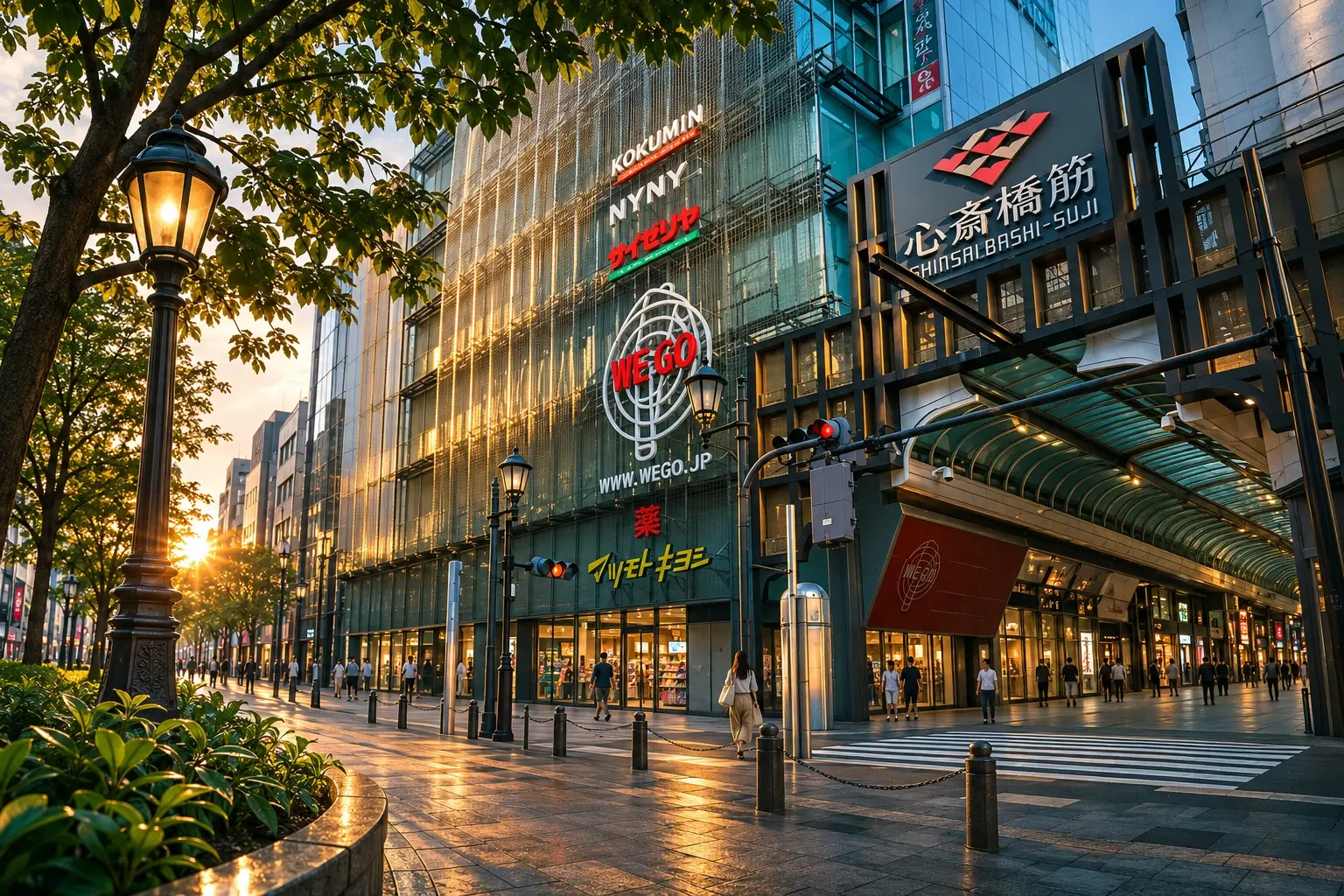
Shinsaibashi

Shinsaibashi is one of Osaka's major shopping districts. Centered on the covered Shinsaibashi-suji arcade, it extends from Nagahori-dori toward Dotonbori. Boutiques, specialty stores, restaurants and department stores draw visitors throughout the day. Alongside shopping, enjoy Osaka specialties and international food, or explore nearby cinemas, theaters and nightlife.

Dotonbori

Dotonbori is one of Osaka's liveliest districts and a landmark food destination. Try local favorites such as takoyaki, teppanyaki, grilled meat, kushikatsu, conveyor-belt sushi, pufferfish dishes and sweets. Even its smaller eateries can offer memorable tastes of Osaka.

11

Osaka

Today’s planned spots: Umeda and Umeda Sky Building Floating Garden Observatory. This ends the tour in Osaka; airport transfers may be arranged separately according to your flight. International flights and arrival in your home country are not included in this itinerary.

AI-rendered illustration

Today’s planned spots: Umeda and Umeda Sky Building Floating Garden Observatory. This ends the tour in Osaka; airport transfers may be arranged separately according to your flight. International flights and arrival in your home country are not included in this itinerary.

Breakfast: at the hotel. Lunch: at your own expense. Dinner: at your own expense.

UmedaAI-rendered illustration

Umeda

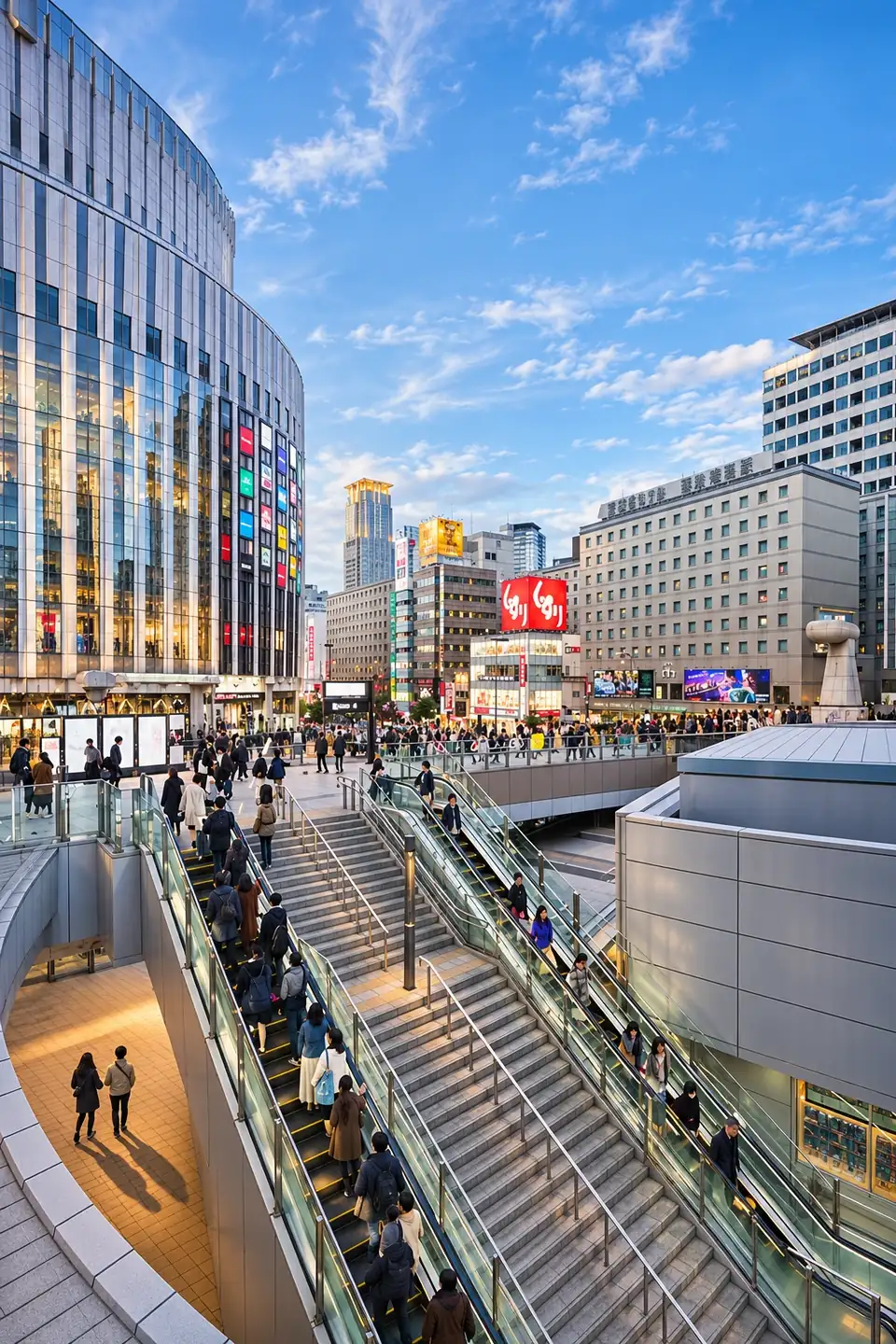
Umeda is northern Osaka’s economic center, anchored by the huge transport hub of Umeda-Osaka station where JR, Hankyu, Hanshin, and three subway lines converge. The surrounding area is filled with department stores and skyscrapers housing companies, banks, and restaurants. Compared to the more southern Namba and Shinsaibashi areas, Umeda is called “North” and is bustling all day. The expansive Umeda underground mall features a scenic fountain plaza known as Izumi Square, a popular leisure spot.

Umeda Sky Building Floating Garden Observatory

The Umeda Sky Building is a 40-story structure consisting of Tower East and Tower West connected at the top by a circular rooftop Floating Garden Observatory, one of Japan's few 360-degree open-air observation decks. It's a popular spot to watch sunsets and one of Japan's top 100 sunset views. At night, it offers spectacular views of Osaka's city lights. The observatory includes special seating areas for couples and an outdoor altar for wishes related to love. The rooftop floor is paved with glowing stones, creating a romantic and mystical atmosphere.

YOUR ROUTE

Know the shape of your journey.

Starts in
Osaka
Ends in
Osaka
Local itinerary
11 days

A proposal shaped around you

Use this route as a starting point. Tell us your dates, pace and accommodation preferences.

Your quote will specify accommodation, guiding, transport, activities, meals and any optional arrangements before you book. International flights and airport transfers are discussed separately.

TRAVEL IN COMFORT

The right vehicle for your group.

Toyota Alphard

Up to 6 passengers

Toyota HiAce

Up to 9 passengers

Our main touring vehicles. We recommend a vehicle based on your group size and luggage. Maximum seating capacity does not guarantee room for all bags when every seat is occupied. Vehicle availability is confirmed for your destination.

More to discover

Mt. Tsurugi Sightseeing Chairlift

This is a single-seat open-air chairlift (not an enclosed cable car), providing a convenient ride halfway up Mt. Tsurugi. It greatly reduces the physical effort of climbing, suitable for general tourists and beginners.

Sky Village

A niche secret spot formed due to village depopulation and aging, with very few actual residents but over 300 life-size handmade straw scarecrows scattered throughout, outnumbering people and inspiring the name "Sky Village."

Oboke Gorge

A valley formed from metamorphic rocks dating back 60 to 80 million years ago. Visitors can enjoy scenic V-shaped views of Oboke Gorge from the river. Famous for its sightseeing boats with over 100 years of history, the boat ride offers beautiful seasonal landscapes.

Shimanto Torocco Train

The Shimanto Torocco is a half-open sightseeing train made from converted old freight cars on JR Shikoku's Yodo Line, nicknamed the "Yodo Line Trio." It runs along the Shimanto River, known as Japan’s "last clear stream."

Shimanto River Houseboat

Flowing through Japan's last pristine river basin, the Shimanto River is Shikoku's second largest river, sourced from the Shikoku mountains' Nyukosan peak. Unlike other rivers, it is less turbulent and has no upstream dams, resulting in crystal-clear water where about 150 fish species thrive, earning it Japan’s top ranking for natural purity. Taking a sightseeing houseboat downstream allows you to enjoy the beautiful scenery of the Shimanto River and appreciate the harmony between humans and nature, underscoring the preciousness of this last clear stream.

Dogo Onsen

Dogo Onsen Main Building has shone brightly since its renovation in 1894 (Meiji 27). Here you can see records of ongoing preservation and restoration work. As an important cultural property, it operates as a public bath while undergoing maintenance—the first such example in Japan. The wooden structure has three stories, with a tiled and copper roof. The first floor houses the bathing area, and the second and third floors feature resting rooms.

Naoshima Violin

Created for the triennial Setouchi Triennale, this artwork aims to form "the 28th island" among Naoshima's 27 islands. As an art piece, it embodies Naoshima's "Art Island" identity with a light, transparent design evoking a floating island on water. Like nearby works such as the Sea Station by SANAA and Naoshima Bath by Shinro Otake, the violin is accessible, allowing visitors to enter, walk around, or rest inside.

Kankakei Gorge

During autumn, over fifty species of deciduous trees create a magnificent display of fall colors at Kankakei Gorge. Taking the ropeway to the summit offers breathtaking panoramic views of the colorful valley below. The gorge, shaped over two million years, features striking rock formations and layers accented by diverse tree shapes, resembling a finely detailed painting. The area includes 20 scenic spots named as Kankakei's 12 summit views and 8 valley views, formed by volcanic rock weathering. Among its 1,000+ plant species, 50 are foliage trees turning vivid red in autumn.

Before you go

This journey starts at the destination. Seasonal experiences, service inclusions and availability are confirmed with your personalized proposal.

Original source & photography · 6renyou ↗

Image credits and illustrations

BEFORE YOU PLAN

Travel planning, clearly explained.

OpenEast brings together Japan and South Korea itinerary ideas for travelers from North America, with China also part of our destination plans. Start with the local route, then consider flights and airport transfers around it.

When does Day 1 begin?

Day 1 begins at the destination. International departure-only and return flight days are not counted as destination days. Plan your flights around the local itinerary dates.

Are flights and airport transfers included?

International flights and airport transfers are confirmed separately. Do not assume they are included in a suggested itinerary.

Are these confirmed departures?

These routes are itinerary ideas. Dates, hotels, admissions, seasonal activities, prices and availability need confirmation in a personalized proposal before booking.

Can I book or send an inquiry here?

Use the inquiry form to contact our team. A submission confirmation appears only when the email service accepts your request. An inquiry does not reserve a service or take payment.

Explore Japan itineraries → · Explore South Korea itineraries →

1 / 8

Let’s plan your journey.

Shikoku Hidden Gems & Setouchi Art Islands 11-Day Tour: Gorge rafting + pilgrimage to mountain and seashore temples + Setouchi art island hopping + historic Dogo Onsen + urban Osaka exploration

Leave your details, and our travel specialists will get in touch by email or your preferred contact method.

Your specialist will confirm the itinerary, pricing and availability with you.

How we use your information

Your inquiry is sent to info@jasperlimo.com so our team can respond. Please do not include passport or payment details.

Start planning