Japan · 6 DAYS

Snowy Hokuriku & Lake Region 6-Day Tour

Kansai → Shiga Prefecture → Fukui → Ishikawa → Kanazawa → Toyama → Takayama → Shirakawa-go → Nagoya

Winter View of Hokuriku's Scenic Panorama Deep Cultural and Craft Experiences

6 daysWinterItinerary idea

Request this itinerary

Leave your details, and our travel specialists will get in touch by email or your preferred contact method.

Your specialist will confirm the itinerary, pricing and availability with you.

How we use your information

Your inquiry is sent to info@jasperlimo.com so our team can respond. Please do not include passport or payment details.

JOURNEY HIGHLIGHTS

Japan, made personal.

Snowy Hokuriku & Lake Region Discovery - 6 Days: Lake Biwa, Shirakawa-go Gassho Village, Kanazawa Kenroku-en Garden, Amaharashi Coast, Nosaku Studio, Eiheiji Temple, Inuyama Castle

Day 1 starts in Kansai → Shiga Prefecture. International airfare is arranged separately.

  • 01Winter View of Hokuriku's Scenic Panorama
  • 02Deep Cultural and Craft Experiences
  • 03Selected Quality Accommodations

Your journey, day by day

01

Kansai → Shiga Prefecture

Day 1 is counted from arrival at Kansai. Your local activities and hotel check-in will be arranged based on arrival time; international flights are not included. Local route after arrival: Kansai > Shiga Prefecture. Planned sites: Lake Biwa; schedule adjusted according to arrival time. Airport transfers can be arranged separately; inclusion depends on the confirmed itinerary.

AI-rendered illustration

Day 1 is counted from arrival at Kansai. Your local activities and hotel check-in will be arranged based on arrival time; international flights are not included. Local route after arrival: Kansai > Shiga Prefecture. Planned sites: Lake Biwa; schedule adjusted according to arrival time. Airport transfers can be arranged separately; inclusion depends on the confirmed itinerary.

Breakfast: at your own expense. Lunch: at your own expense. Dinner: at the hotel.

Lake BiwaAI-rendered illustration

Lake Biwa

Lake Biwa is a symbol of Japan, a national park, and the largest lake in the country. It is also the water source for SK-II. The lakeside is famous for the "Eight Views of Omi," known for its stunning scenery. A local specialty is crucian carp sushi, made using traditional fermentation methods with crucian carp from Lake Biwa; sushi here consists of rice rolls with fish, vegetables, and salt, a dish documented as early as the 8th century. Additionally, Omi beef is another regional delicacy.

02

Shiga Prefecture → Fukui → Ishikawa

Lake Biwa → Shirahige Shrine → Makino Metasequoia Tree-Lined Path → Eiheiji Temple → Yamanaka Onsen / Ishikawa Prefecture Hot Spring Area Shirahige Shrine: An ancient 2,000-year-old grand shrine in the Omi region, known as the Itsukushima of Omi. Its iconic vermilion torii stands in the waters of Lake Biwa, reflecting beautifully on the lake surface. Makino Metasequoia Tree-Lined Path: A 2.4 km roadside path selected as one of Japan’s New 100 Famous Street Trees, featuring 500 tall metasequoia trees. In winter, snow-covered avenue provides a deeply atmospheric scene. Eiheiji Temple: The head temple of the Soto sect, established by Zen Master Dogen. Spanning 330,000 square meters with over 70 halls built along the mountainside. Residents include practicing monks; visitors can experience the serene Zen temple atmosphere with its corridors and halls. Breakfast: Hotel|Lunch: On own|Dinner: Kaiseki cuisine at hotel Accommodation: Yamanaka Onsen Chuuhachi Hachi or equivalent

Lake Biwa → Shirahige Shrine → Makino Metasequoia Tree-Lined Path → Eiheiji Temple → Yamanaka Onsen / Ishikawa Prefecture Hot Spring Area Shirahige Shrine: An ancient 2,000-year-old grand shrine in the Omi region, known as the Itsukushima of Omi. Its iconic vermilion torii stands in the waters of Lake Biwa, reflecting beautifully on the lake surface. Makino Metasequoia Tree-Lined Path: A 2.4 km roadside path selected as one of Japan’s New 100 Famous Street Trees, featuring 500 tall metasequoia trees. In winter, snow-covered avenue provides a deeply atmospheric scene. Eiheiji Temple: The head temple of the Soto sect, established by Zen Master Dogen. Spanning 330,000 square meters with over 70 halls built along the mountainside. Residents include practicing monks; visitors can experience the serene Zen temple atmosphere with its corridors and halls. Breakfast: Hotel|Lunch: On own|Dinner: Kaiseki cuisine at hotel Accommodation: Yamanaka Onsen Chuuhachi Hachi or equivalent

Breakfast: at the hotel. Lunch: at your own expense. Dinner: at the hotel.

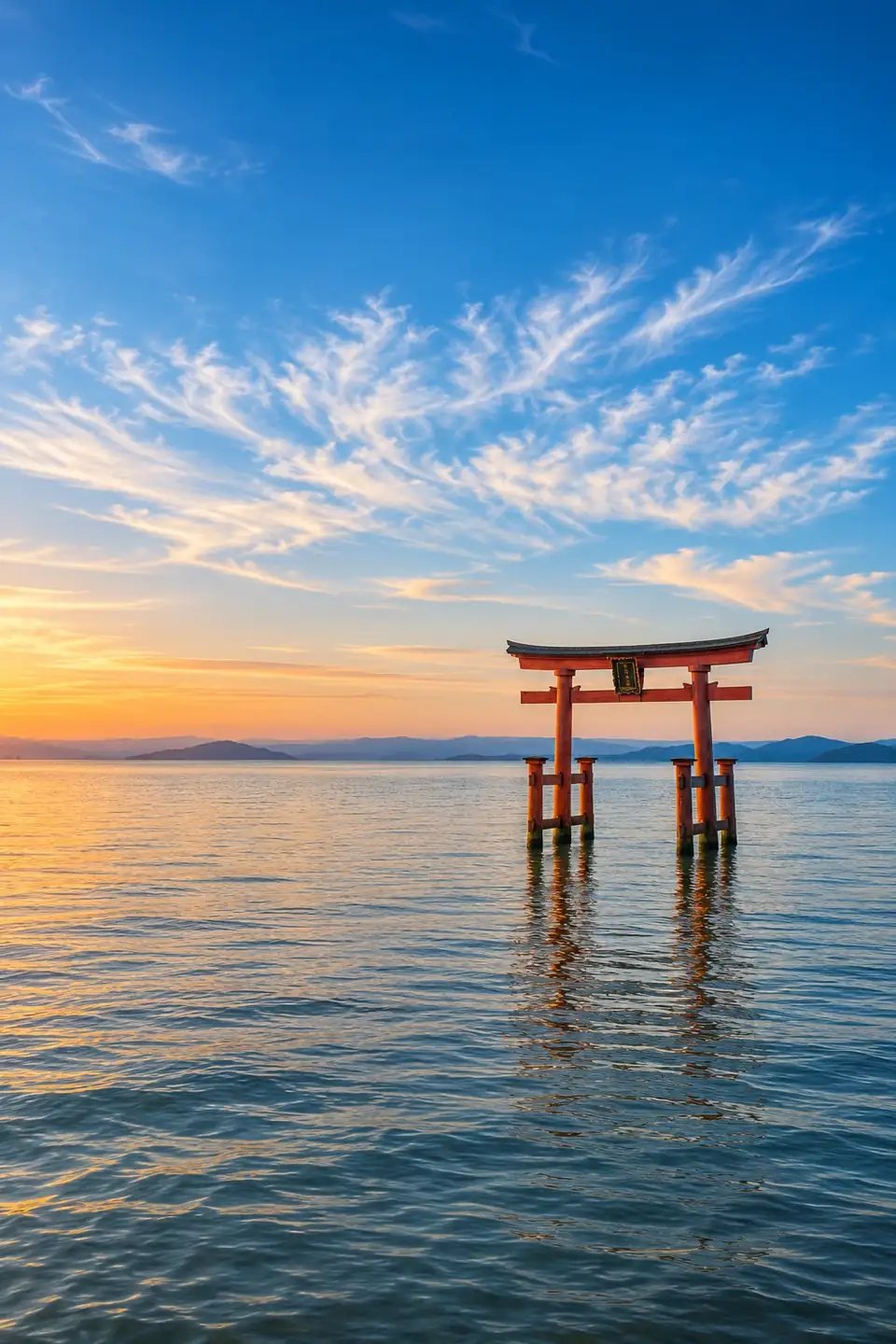
Shirahige Shrine

Shirahige Shrine was established in 1900 and holds a long history. It is the head shrine of Shirahige Shrines throughout Japan and has been recognized as part of Japan's heritage story elements. The scenery here is charming, with Chikubu Island rising on the horizon as a backdrop and fishing boats passing between the shrine's torii gates on the lake. At night, the illuminated torii gates create an enchanting atmosphere.

Makino Metasequoia Tree-Lined Road

Makino Metasequoia Tree-Lined Road

Selected as one of the "New 100 Famous Streets Trees of Japan," this 2.4 km long road is lined with about 500 metasequoia trees on both sides. The scenery changes dramatically with the seasons: fresh light green in spring, a cool shaded tunnel in summer, golden bronze in autumn, and a solemn silver-white after snowfall in winter. It is located adjacent to Lake Biwa.

Eiheiji Temple

Eiheiji Temple is located in Eiheiji Town, Yoshida District, Fukui Prefecture, Japan, and is the head temple of the Soto Zen sect. Its mountain name is Kichijozan. The principal deities are Shakyamuni, Maitreya, and Amida Buddha representing the three Buddhas of past, present, and future. The founder is Hatano Yoshishige, and the first abbot was Zen Master Dogen.

03

Ishikawa → Fukui → Kanazawa

Hot Spring Hotel → Omicho Market → Kenrokuen Garden → Higashi Chaya District [Full Day in Kanazawa] Omicho Market: Over 300 years old, known as the “Kitchen of Kanazawa,” with about 170 shops offering an authentic Hokuriku seafood market atmosphere. Kenrokuen Garden: One of Japan’s three great gardens, developed over more than a century by the Kaga domain. In winter, unique snow suspensions protect the pine trees, creating a signature wintry view of Kanazawa. Higashi Chaya District: A nationally designated important traditional building area. This Edo-period upscale geisha district features wooden lattice townhouses and stone-paved streets, perfect for leisurely strolls with a touch of Kaga culture. Breakfast: Hotel|Lunch: On own|Dinner: On own Accommodation: Hotel Nikko Kanazawa or equivalent

Hot Spring Hotel → Omicho Market → Kenrokuen Garden → Higashi Chaya District [Full Day in Kanazawa] Omicho Market: Over 300 years old, known as the “Kitchen of Kanazawa,” with about 170 shops offering an authentic Hokuriku seafood market atmosphere. Kenrokuen Garden: One of Japan’s three great gardens, developed over more than a century by the Kaga domain. In winter, unique snow suspensions protect the pine trees, creating a signature wintry view of Kanazawa. Higashi Chaya District: A nationally designated important traditional building area. This Edo-period upscale geisha district features wooden lattice townhouses and stone-paved streets, perfect for leisurely strolls with a touch of Kaga culture. Breakfast: Hotel|Lunch: On own|Dinner: On own Accommodation: Hotel Nikko Kanazawa or equivalent

Breakfast: at the hotel. Lunch: at your own expense. Dinner: at your own expense.

Omicho Market

Omicho Market

Omicho Market is known as the kitchen of Kanazawa city with over 300 years of history. The street is packed with nearly 200 shops offering a wide variety of items: seafood, vegetables, fruits, cooked dishes, international spices, flowers, clothing, and textiles — all high quality and reasonably priced. Bustling shoppers and lively sales calls create a vibrant market atmosphere from morning till night. In winter, local crab catches pile up, attracting many visitors.

Kenrokuen Garden

Kenrokuen is considered one of Japan's top three gardens. Developed over 170 years by four generations of feudal lords, it features a beautiful circular walking garden style. A large central pond runs through it, surrounded by Japanese-style artificial hills and pavilions. The garden embodies six aesthetic qualities—spaciousness, seclusion, artifice, antiquity, water features, and distant views—hence its name "Kenrokuen." It offers distinct natural beauty each season: cherry and plum blossoms in spring, azaleas and irises in summer, autumn maples, and in winter, snow suspensions protect the pines, creating a dreamlike snowy landscape.

Higashi Chaya District

Kanazawa has three historic Chaya (teahouse) districts dating back to the Edo period: Nishi Chaya, Higashi Chaya, and Kazue-machi. Stone-paved streets are lined with many Edo-era teahouse buildings. Higashi Chaya is the largest of the three. It is a good place to experience local tea culture.

04

Kanazawa → Toyama → Kanazawa

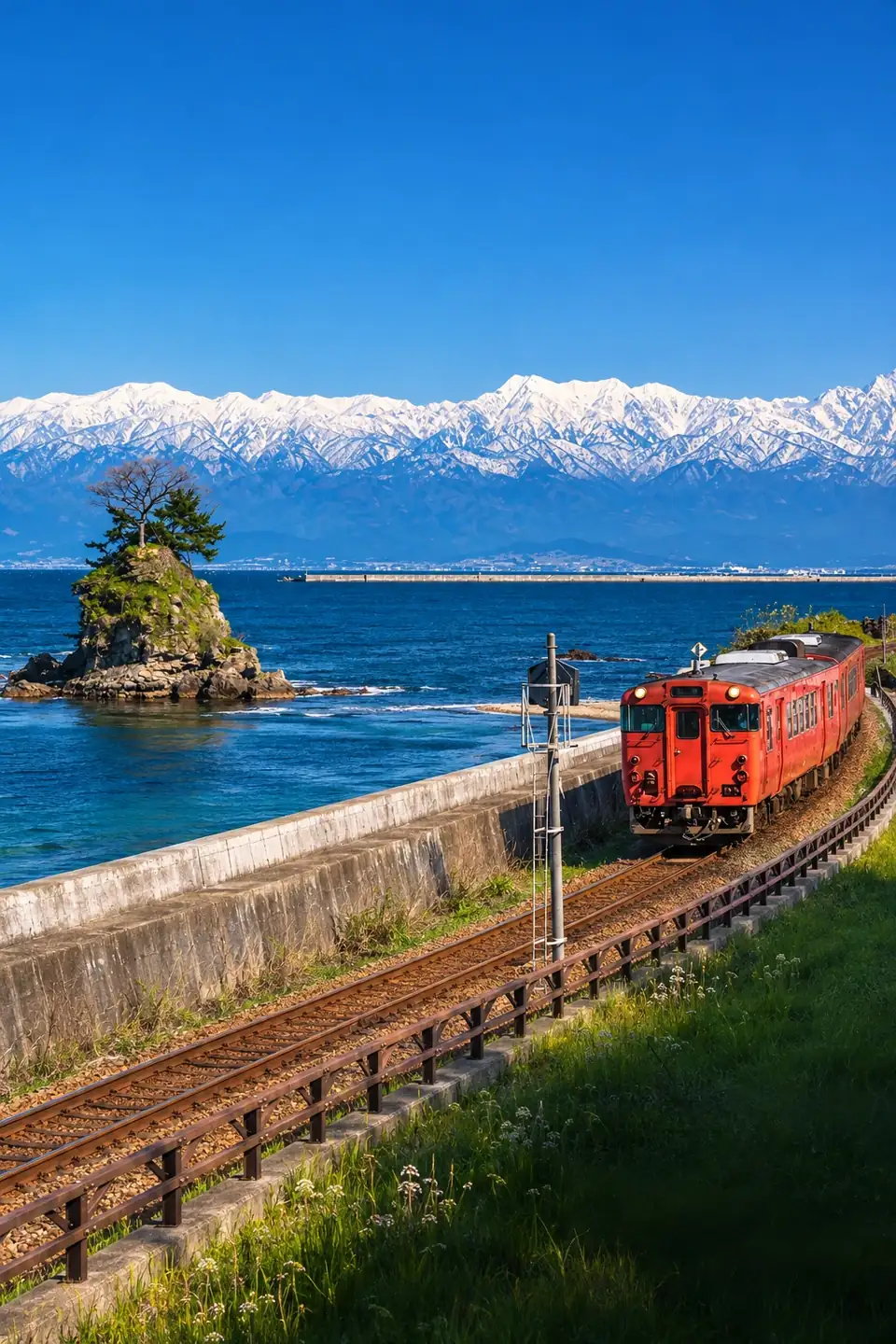
Kanazawa → Amaharing Coast → National Treasure Zuiryuji Temple → Nousaku Headquarters → Return to Kanazawa Amaharing Coast (Toyama-Takaoka): Selected among Japan's top 100 coastal spots. On clear days, views include the snow-capped Tateyama Mountain Range exceeding 3,000 meters, combining snowy mountains and sea views. National Treasure Zuiryuji Temple: Toyama’s only nationally designated treasure site. The temple complex is the mausoleum of Maeda Toshinaga, featuring the Sanmon gate, Dharma Hall, and Buddha Hall, all national treasures with exquisite Zen architecture. Nousaku Headquarters: Takaoka’s 400-year metal casting tradition continues here, producing made-to-order pure tin craftworks. Factory tours and hands-on making experiences are available. Breakfast: Hotel|Lunch: Sake brewery set meal / Kaiseki cuisine|Dinner: On own Accommodation: Continue staying at Kanazawa hotel (same class)

AI-rendered illustration

Kanazawa → Amaharing Coast → National Treasure Zuiryuji Temple → Nousaku Headquarters → Return to Kanazawa Amaharing Coast (Toyama-Takaoka): Selected among Japan's top 100 coastal spots. On clear days, views include the snow-capped Tateyama Mountain Range exceeding 3,000 meters, combining snowy mountains and sea views. National Treasure Zuiryuji Temple: Toyama’s only nationally designated treasure site. The temple complex is the mausoleum of Maeda Toshinaga, featuring the Sanmon gate, Dharma Hall, and Buddha Hall, all national treasures with exquisite Zen architecture. Nousaku Headquarters: Takaoka’s 400-year metal casting tradition continues here, producing made-to-order pure tin craftworks. Factory tours and hands-on making experiences are available. Breakfast: Hotel|Lunch: Sake brewery set meal / Kaiseki cuisine|Dinner: On own Accommodation: Continue staying at Kanazawa hotel (same class)

Breakfast: at the hotel. Lunch: local specialty meal. Dinner: at your own expense.

Amaharing Coast National ParkAI-rendered illustration

Amaharing Coast National Park

Amaharing Coast is located in Takaoka City, Toyama Prefecture, and is part of the Noto Peninsula Quasi-National Park. It’s accessible by the local commuter train, the Himi Line. From late October to early June, on clear days, visitors may witness the spectacular snow-capped Tateyama Mountain Range visible across the coast.
Zuiryuji Temple

Zuiryuji Temple is the most important temple in Toyama Prefecture and a major tourist spot in Takaoka. The temple complex is beautiful and spacious, housing a grand Buddhist statue that attracts many visitors. A special spring night illumination event showcases the temple’s tranquil beauty. The temple buildings are arranged symmetrically, providing a pleasant experience exploring its grounds.

Nousaku Factory

"Nousaku" is an old metal casting company located in Takaoka city, Toyama Prefecture, established in 1916. It produces castware using tin, copper, and brass for tea utensils, ikebana tools, decorative goods, and more. Since 2006, under its fifth-generation president, the brand has innovated by exclusively using 100% tin to create tableware, earning notable acclaim in the industry.

05

Kanazawa → Takayama → Shirakawa-go → Nagoya

Kanazawa → Shirakawa-go Gassho Village → Sanko Inari Shrine → Inuyama Castle Town Shirakawa-go Gassho Village: A UNESCO World Heritage Site. Characteristic steep thatched roofs called gassho-zukuri were developed to withstand heavy snow; the village looks like a fairy tale covered in winter snow. Sanko Inari Shrine (Inuyama): A historic shrine at the base of a mountain featuring a tunnel of pink heart-shaped ema plaques popular on social media. Visitors pray for romantic relationships and business prosperity. Inuyama Castle Town: Centered around Inuyama Castle, Japan’s oldest wooden castle keep, the town preserves Edo period townhouses and streets. Breakfast: Hotel|Lunch: On own|Dinner: On own Accommodation: Nagoya Prince Hotel Sky Tower or equivalent

Kanazawa → Shirakawa-go Gassho Village → Sanko Inari Shrine → Inuyama Castle Town Shirakawa-go Gassho Village: A UNESCO World Heritage Site. Characteristic steep thatched roofs called gassho-zukuri were developed to withstand heavy snow; the village looks like a fairy tale covered in winter snow. Sanko Inari Shrine (Inuyama): A historic shrine at the base of a mountain featuring a tunnel of pink heart-shaped ema plaques popular on social media. Visitors pray for romantic relationships and business prosperity. Inuyama Castle Town: Centered around Inuyama Castle, Japan’s oldest wooden castle keep, the town preserves Edo period townhouses and streets. Breakfast: Hotel|Lunch: On own|Dinner: On own Accommodation: Nagoya Prince Hotel Sky Tower or equivalent

Breakfast: at the hotel. Lunch: at your own expense. Dinner: at your own expense.

Shirakawa-go Gassho Village (Winter)

Shirakawa-go is located on the slopes of Mount Hakusan in northwest Gifu Prefecture. It is a quiet mountain village surrounded by mountains, with rice paddies and rivers interwoven. The village is famous for its over 110 "Gassho-style" (thatched steeply sloped gabled roofs) houses clustered together, designated as a UNESCO World Cultural Heritage site in 1995.

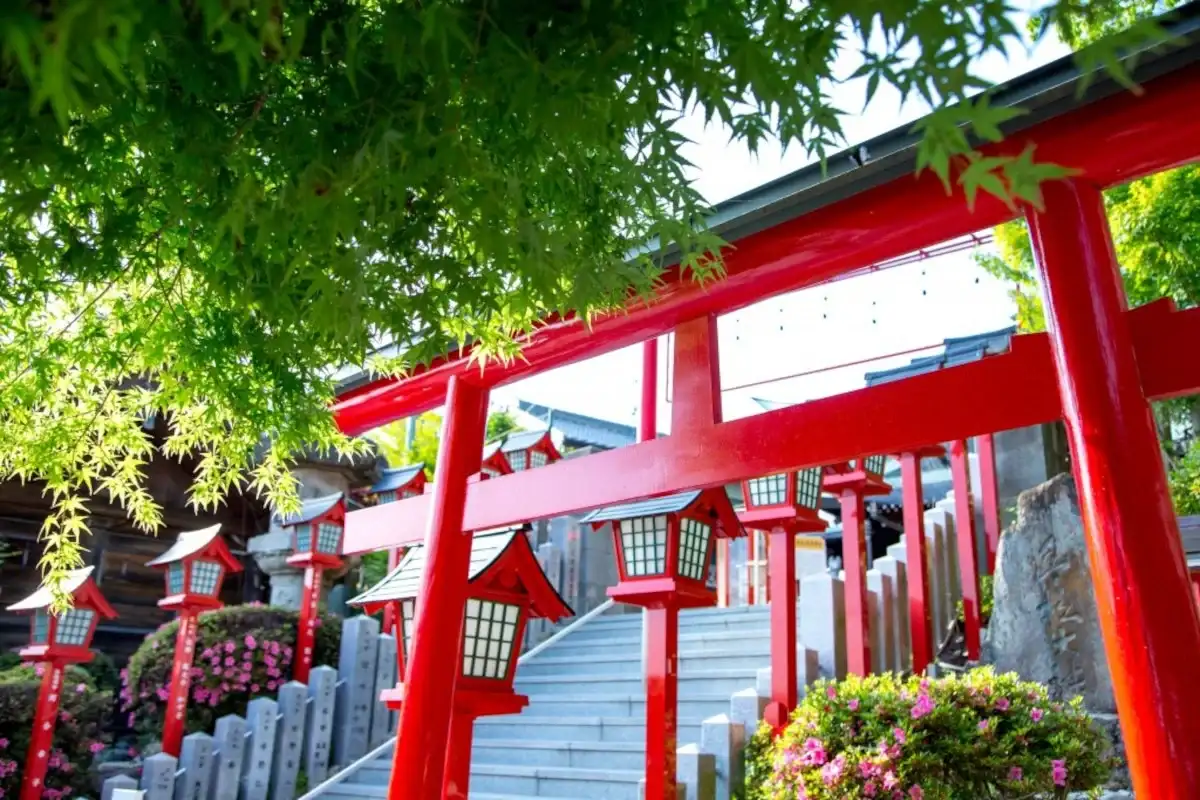
Sanko Inari Shrine

Sanko Inari Shrine

Sanko Inari Shrine is a historic shrine located at the foot of Shiroyama Hill. At the hilltop stands Inuyama Castle, attracting many visitors and making the shrine lively. The charming pink heart-shaped ema plaques are especially popular among women.

Inuyama Castle

Japan has many castles, but only four are designated National Treasures, including Inuyama Castle. Built during the Muromachi Shogunate, it sits on a small hill beside the Kiso River and is also known as Hakutei Castle. Its main keep is among the 12 oldest wooden keeps surviving in Japan and is the oldest style. On Thursdays, visitors can watch free performances by the Aichi Prefecture Sengoku Princess troupe.

06

Nagoya

Planned site: Sakae. The itinerary ends in Nagoya. Airport transfers can be arranged based on actual flight schedules. International return flights and arrival days at the departure location are not counted in this itinerary.

Planned site: Sakae. The itinerary ends in Nagoya. Airport transfers can be arranged based on actual flight schedules. International return flights and arrival days at the departure location are not counted in this itinerary.

Breakfast: at the hotel. Lunch: at your own expense. Dinner: at your own expense.

Sakae

Sakae

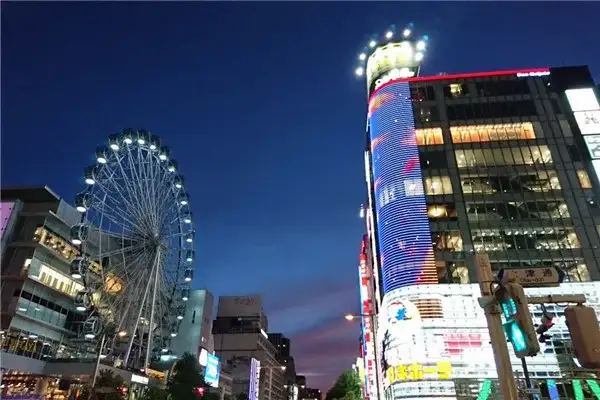
Sakae Shopping District is Nagoya’s most famous shopping area, featuring a vast underground mall integrating dining, shopping, and entertainment. Malls like Sunshine Sakae, Lachic, and Matsuzakaya Main Store line the streets offering a wide variety of goods for an enjoyable shopping experience. About two kilometers away at Nagoya Station, the JR Central Twin Towers also offer shopping and leisure opportunities.

YOUR ROUTE

Know the shape of your journey.

Starts in
Kansai
Ends in
Nagoya
Local itinerary
6 days

A proposal shaped around you

Use this route as a starting point. Tell us your dates, pace and accommodation preferences.

Your quote will specify accommodation, guiding, transport, activities, meals and any optional arrangements before you book. International flights and airport transfers are discussed separately.

TRAVEL IN COMFORT

The right vehicle for your group.

Toyota Alphard

Up to 6 passengers

Toyota HiAce

Up to 9 passengers

Our main touring vehicles. We recommend a vehicle based on your group size and luggage. Maximum seating capacity does not guarantee room for all bags when every seat is occupied. Vehicle availability is confirmed for your destination.

More to discover

Lake Biwa

Lake Biwa is a symbol of Japan, a national park, and the largest lake in the country. It is also the water source for SK-II. The lakeside is famous for the "Eight Views of Omi," known for its stunning scenery. A local specialty is crucian carp sushi, made using traditional fermentation methods with crucian carp from Lake Biwa; sushi here consists of rice rolls with fish, vegetables, and salt, a dish documented as early as the 8th century. Additionally, Omi beef is another regional delicacy.

Shirahige Shrine

Shirahige Shrine was established in 1900 and holds a long history. It is the head shrine of Shirahige Shrines throughout Japan and has been recognized as part of Japan's heritage story elements. The scenery here is charming, with Chikubu Island rising on the horizon as a backdrop and fishing boats passing between the shrine's torii gates on the lake. At night, the illuminated torii gates create an enchanting atmosphere.

Makino Metasequoia Tree-Lined Road

Selected as one of the "New 100 Famous Streets Trees of Japan," this 2.4 km long road is lined with about 500 metasequoia trees on both sides. The scenery changes dramatically with the seasons: fresh light green in spring, a cool shaded tunnel in summer, golden bronze in autumn, and a solemn silver-white after snowfall in winter. It is located adjacent to Lake Biwa.

Eiheiji Temple

Eiheiji Temple is located in Eiheiji Town, Yoshida District, Fukui Prefecture, Japan, and is the head temple of the Soto Zen sect. Its mountain name is Kichijozan. The principal deities are Shakyamuni, Maitreya, and Amida Buddha representing the three Buddhas of past, present, and future. The founder is Hatano Yoshishige, and the first abbot was Zen Master Dogen.

Gold Leaf Crafting Experience

Gold leaf is an alloy made primarily of pure gold with very small amounts of silver and copper, hammered and stretched into thin sheets. A coin-sized alloy sheet can be extended to 1 jō (a traditional Japanese mat area unit of about 1.65 square meters), with a thickness of only 0.01 to 0.02 millimeters. Its thinness allows light to pass through. If touched by fingertips, it immediately disintegrates into fine powder, disappearing without a trace. Visitors can experience the crafting process hands-on and create their own utensils, embracing the artisan spirit. You can also enjoy popular gold leaf ice cream—taking a bite of "gold" for a sweet and joyful moment.

Kenrokuen Garden

Kenrokuen is considered one of Japan's top three gardens. Developed over 170 years by four generations of feudal lords, it features a beautiful circular walking garden style. A large central pond runs through it, surrounded by Japanese-style artificial hills and pavilions. The garden embodies six aesthetic qualities—spaciousness, seclusion, artifice, antiquity, water features, and distant views—hence its name "Kenrokuen." It offers distinct natural beauty each season: cherry and plum blossoms in spring, azaleas and irises in summer, autumn maples, and in winter, snow suspensions protect the pines, creating a dreamlike snowy landscape.

Nousaku Headquarters|NOUSAKU-LAB Tinware Handcraft Experience (Reservation Required)

Based on Takaoka’s 400-year tradition of metal sand casting, the pure tin DIY workshop allows you to handcraft tin sake cups, chopstick rests, and other small items. Tin is soft and an excellent heat conductor, enhancing the taste of sake and beer in tin cups. Finished pieces can be taken home immediately. Group visits require full reservation; availability is limited during peak seasons and holidays, so alternative plans should be prepared. Free admission; materials fee applies for the workshop. Photos show workshop interior, sand mold casting, tin sake cup DIY process, and visitor creations.

Amaharing Coast National Park

Amaharing Coast is located in Takaoka City, Toyama Prefecture, and is part of the Noto Peninsula Quasi-National Park. It’s accessible by the local commuter train, the Himi Line. From late October to early June, on clear days, visitors may witness the spectacular snow-capped Tateyama Mountain Range visible across the coast.

Before you go

This journey starts at the destination. Seasonal experiences, service inclusions and availability are confirmed with your personalized proposal.

Original source & photography · 6renyou ↗

Image credits and illustrations

BEFORE YOU PLAN

Travel planning, clearly explained.

OpenEast brings together Japan and South Korea itinerary ideas for travelers from North America, with China also part of our destination plans. Start with the local route, then consider flights and airport transfers around it.

When does Day 1 begin?

Day 1 begins at the destination. International departure-only and return flight days are not counted as destination days. Plan your flights around the local itinerary dates.

Are flights and airport transfers included?

International flights and airport transfers are confirmed separately. Do not assume they are included in a suggested itinerary.

Are these confirmed departures?

These routes are itinerary ideas. Dates, hotels, admissions, seasonal activities, prices and availability need confirmation in a personalized proposal before booking.

Can I book or send an inquiry here?

Use the inquiry form to contact our team. A submission confirmation appears only when the email service accepts your request. An inquiry does not reserve a service or take payment.

Explore Japan itineraries → · Explore South Korea itineraries →

1 / 3

Let’s plan your journey.

Snowy Hokuriku & Lake Region Discovery - 6 Days: Lake Biwa, Shirakawa-go Gassho Village, Kanazawa Kenroku-en Garden, Amaharashi Coast, Nosaku Studio, Eiheiji Temple, Inuyama Castle

Leave your details, and our travel specialists will get in touch by email or your preferred contact method.

Your specialist will confirm the itinerary, pricing and availability with you.

How we use your information

Your inquiry is sent to info@jasperlimo.com so our team can respond. Please do not include passport or payment details.

Start planning