South Korea · 6 DAYS

Korean History & Heritage: A 6-Day Journey

Seoul → Gyeonggi Province → Chungcheongnam-do Province → North Jeolla Province → Daejeon Metropolitan City → North Chungcheong Province

Explore Seoul and Gyeonggi-do, experiencing shopping at Dongdaemun and the history of Suwon Hwaseong Fortress. Experience the natural scenery of Chungcheong provinces and participate in the Taean Light Festival.

6 daysCulture & natureItinerary idea

Request this itinerary

Leave your details, and our travel specialists will get in touch by email or your preferred contact method.

Your specialist will confirm the itinerary, pricing and availability with you.

How we use your information

Your inquiry is sent to info@jasperlimo.com so our team can respond. Please do not include passport or payment details.

JOURNEY HIGHLIGHTS

South Korea, made personal.

[Korean Cultural Heritage and History Exploration 6 Days] Taean Tulip Festival + Suwon Hwaseong Fortress + Jeonju Hanok Village + Dotam Sanbong + Guryongsa Temple + Gyeongbokgung Hanbok Experience + Seongsu-dong & Seoul Forest

Day 1 starts in Seoul. International airfare is arranged separately.

  • 01Explore Seoul and Gyeonggi-do, experiencing shopping at Dongdaemun and the history of Suwon Hwaseong Fortress.
  • 02Experience the natural scenery of Chungcheong provinces and participate in the Taean Light Festival.
  • 03Enjoy Hanbok wearing experiences and tour the cultural heritage sites of Jeollabuk-do.

Your journey, day by day

01

Seoul

Day 1 counts from arrival in Seoul. Local itinerary and accommodation arranged based on actual arrival time; international flights are not included in this itinerary. Planned sites for the day: Seoul—Dongdaemun, Myeongdong Night Market; schedule adjusted according to arrival time. Airport transfers can be arranged separately; inclusion depends on final confirmation.

AI-rendered illustration

Day 1 counts from arrival in Seoul. Local itinerary and accommodation arranged based on actual arrival time; international flights are not included in this itinerary. Planned sites for the day: Seoul—Dongdaemun, Myeongdong Night Market; schedule adjusted according to arrival time. Airport transfers can be arranged separately; inclusion depends on final confirmation.

Breakfast: at your own expense. Lunch: at your own expense. Dinner: at your own expense.

Seoul - Dongdaemun

Dongdaemun’s defining feature is the semi-circular earthen wall called Youngeung Fortress surrounding the gate. Due to its low-lying geography, the fortress fortifies against enemy attacks. The differently colored stones in the wall reflect restoration work. Dongdaemun Market was founded in 1905 and rapidly grew after being designated as a clothing wholesale district. About 30 shopping malls, over 30,000 stores, and more than 50,000 manufacturers gather there, making it a bustling commercial hub for locals and among Asia’s largest wholesale markets. The market sells everything from small fashion accessories to ginseng, utensils, clothing, toys, and jewelry, generally at lower prices than elsewhere, attracting local retailers and international tourists.

Myeongdong Night MarketAI-rendered illustration

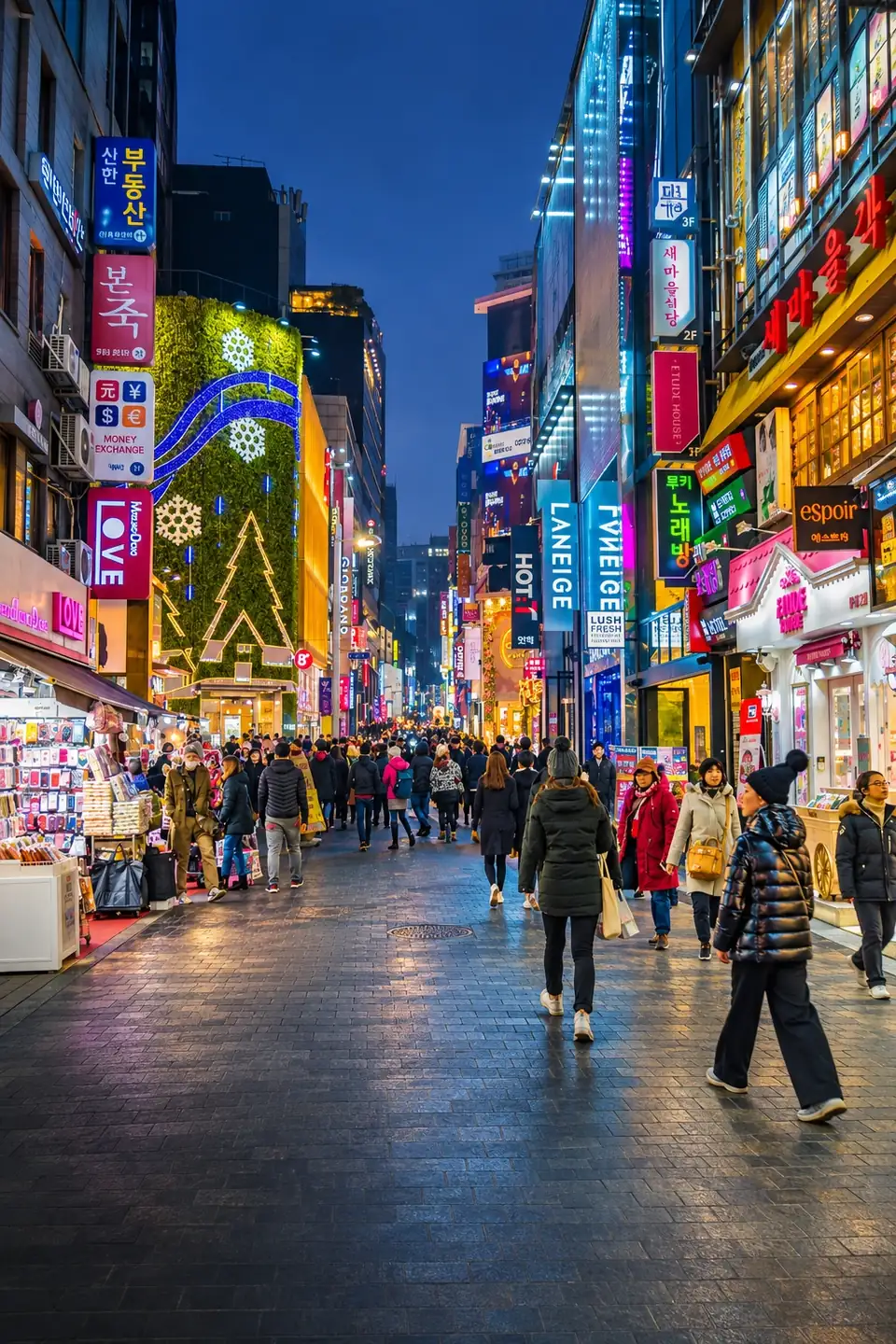
Myeongdong Night Market

Every nightfall, the neon lights dazzle brightly, the air is filled with enticing aromas of delicious food, and laughter and chatter echo around. This lively scene is just as vibrant as in days past. Whether you once missed out or want to relive fond memories, be sure to visit and fully experience the unique charm of the revived Myeongdong street food stalls.

02

Seoul → Gyeonggi Province → Chungcheongnam-do Province

After hotel breakfast, travel by private car to Suwon Hwaseong Fortress in Gyeonggi Province to explore this historic fortress blending Eastern and Western architectural styles. Then stroll to the nearby Starfield Library (Suwon branch) for a peaceful time among books. Next, continue south to Chungcheongnam-do to visit the Taean World Tulip Festival, where vast blooming tulip fields offer refreshing views. At night, enjoy the Taean Light Festival, featuring a dreamlike world of lights and art installations. Overnight at a comfortable local hotel.

AI-rendered illustration

After hotel breakfast, travel by private car to Suwon Hwaseong Fortress in Gyeonggi Province to explore this historic fortress blending Eastern and Western architectural styles. Then stroll to the nearby Starfield Library (Suwon branch) for a peaceful time among books. Next, continue south to Chungcheongnam-do to visit the Taean World Tulip Festival, where vast blooming tulip fields offer refreshing views. At night, enjoy the Taean Light Festival, featuring a dreamlike world of lights and art installations. Overnight at a comfortable local hotel.

Breakfast: at the hotel. Lunch: at your own expense. Dinner: at your own expense.
Hwaseong Fortress, Suwon

Hwaseong Fortress in Gyeonggi Province’s Suwon is a Joseon-era fortress built by King Jeongjo of Joseon to honor his father by relocating his tomb and defending the new city. The fortress walls extend 5.74 km in length and stand 4 to 6 meters high. The fortress incorporates advanced equipment and materials, showcasing East-West technological exchange. Hwaseong Fortress is a World Cultural Heritage site with stunning traditional scenery. Each spring, various cherry blossoms bloom harmoniously with the ancient architecture, creating an enchanting time-travel atmosphere.

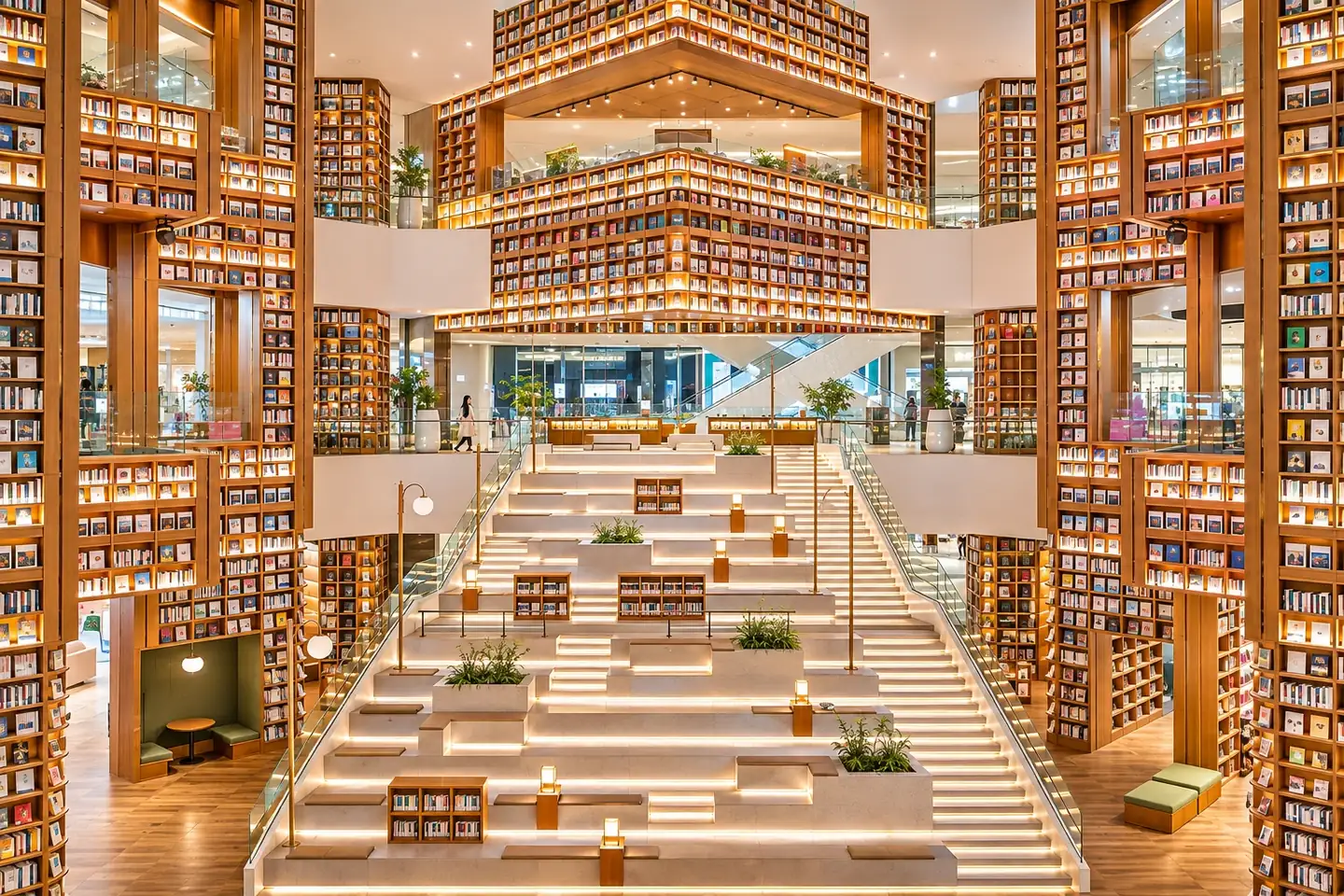
Starry Sky Library (Suwon Branch)AI-rendered illustration

Starry Sky Library (Suwon Branch)

The Suwon Starry Sky Library spans floors 4 to 7 with a design that wraps around the building. If time permits, exploring the library from different angles and floors is recommended to capture every corner of this unique space.

Taean World Tulip Festival

The Taean World Tulip Festival (WTS) was selected as one of the world’s top five tulip festivals in 2015 and 2017. This event aims to recreate the grandeur of the World Flower Expo, allowing visitors to simultaneously enjoy the vast ocean, beaches, and millions of blooming tulips.

03

Chungcheongnam-do Province → North Jeolla Province → Daejeon Metropolitan City

After hotel breakfast, head to Jeollabuk-do and visit Pungnammun Gate to feel its historical depth. Then explore the National Jeonju Museum to deepen your understanding of Korean history and culture. Next, stroll through Jeonju Hanok Village, enjoying tranquility where tradition and modernity blend. Afterwards, visit Gyeonggijeon Shrine to experience its unique charm. The day concludes in Daejeon Metropolitan City with overnight at a comfortable local hotel.

After hotel breakfast, head to Jeollabuk-do and visit Pungnammun Gate to feel its historical depth. Then explore the National Jeonju Museum to deepen your understanding of Korean history and culture. Next, stroll through Jeonju Hanok Village, enjoying tranquility where tradition and modernity blend. Afterwards, visit Gyeonggijeon Shrine to experience its unique charm. The day concludes in Daejeon Metropolitan City with overnight at a comfortable local hotel.

Breakfast: at the hotel. Lunch: at your own expense. Dinner: at your own expense.

Pungnammun Gate

Designated as Treasure No. 308, Pungnammun Gate was built during the mid-Joseon period as the southern gate of the old Jeonju Fortress and is the only remaining gate among the four cardinal gates. It was damaged during the Japanese invasions (Imjin War) between 1592 and 1598. The current structure was rebuilt in 1978. It features a multi-tiered gatehouse with the Rainbow Gate in the center and is surrounded by formidable fortress walls.

National Jeonju Museum

The National Jeonju Museum researches, preserves, and displays cultural heritage from Jeollabuk-do. It holds over 24,000 artifacts spanning prehistoric times to the Mahan and Baekje periods, including Buddhist art, ceramics, metalwork, crafts, and folklore materials. The permanent exhibition displays over 1,100 items. The first floor features ancient history and special exhibition halls, with over 400 historic artifacts grouped by eras. The second floor has art and folklore halls: the art hall showcases Buddhist sculptures, metalwork, Goryeo and Joseon ceramics, historical documents, and paintings; the folklore hall provides vivid insights into local agricultural life, food culture, and folk arts. Nearby is Jeonju University, which visitors may explore time permitting.

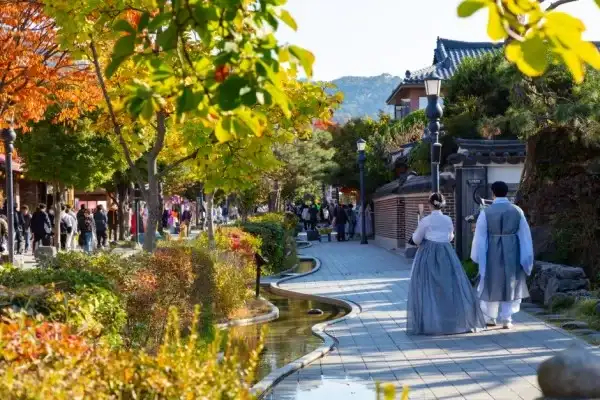
Jeonju Hanok Village

Jeonju Hanok Village

Jeonju Hanok Village, located around Pungnam-dong and Gyodong areas of Jeonju city, contains over 735 traditional Korean hanok houses. Famous for preserving traditional appearance amidst a rapidly changing modern city.

Gyeonggijeon Shrine

A shrine dedicated to the portrait of Joseon Dynasty founder King Taejo (Yi Seong-gye). In 1410, King Taejong unified the shrines housing the founder's portrait in Jeonju, Gyeongju, and Pyongyang under the name 'Uryongjeon.' Later renamed 'Taejo Jinjeon' in Taejong's 12th year, and in Sejong's 24th year (1442), the Jeonju site was called Gyeonggijeon, Gyeongju's site Jipgyeongjeon, and Pyongyang's Sungnyeongjeon. Gyeonggijeon was burned during the Imjin War and rebuilt in 1614 (Gwanghaegun 6th year), comprising the main hall, inner three gates and outer three gates.

04

Daejeon Metropolitan City → North Chungcheong Province

After breakfast, depart for Chungcheongbuk-do for a wonderful journey. First, visit Dotam Sanbong to experience nature's tranquility and grandeur; then explore the historic Guryongsa Temple to appreciate traditional Korean culture. In the afternoon, continue to the Wonda Tourist Area to enjoy more natural beauty and leisure time. In the evening, visit Danyang Nine Scenic Market, where you can freely shop for local specialties and sample street food. Overnight in a comfortable local hotel.

AI-rendered illustration

After breakfast, depart for Chungcheongbuk-do for a wonderful journey. First, visit Dotam Sanbong to experience nature's tranquility and grandeur; then explore the historic Guryongsa Temple to appreciate traditional Korean culture. In the afternoon, continue to the Wonda Tourist Area to enjoy more natural beauty and leisure time. In the evening, visit Danyang Nine Scenic Market, where you can freely shop for local specialties and sample street food. Overnight in a comfortable local hotel.

Breakfast: at the hotel. Lunch: at your own expense. Dinner: at your own expense.

Dotam Sampung

These are three stone peaks rising over the Namhan River, named General Peak, Wife Peak, and Concubine Peak. The largest, General Peak, hosts Samdojeong Pavilion, a favorite spot of ancestors for leisure. Nearby, the Dotam Sampung tourist area offers a story museum, yellow sailboats, passenger boat terminals, and rest areas—a great place to enjoy nature and recreation.

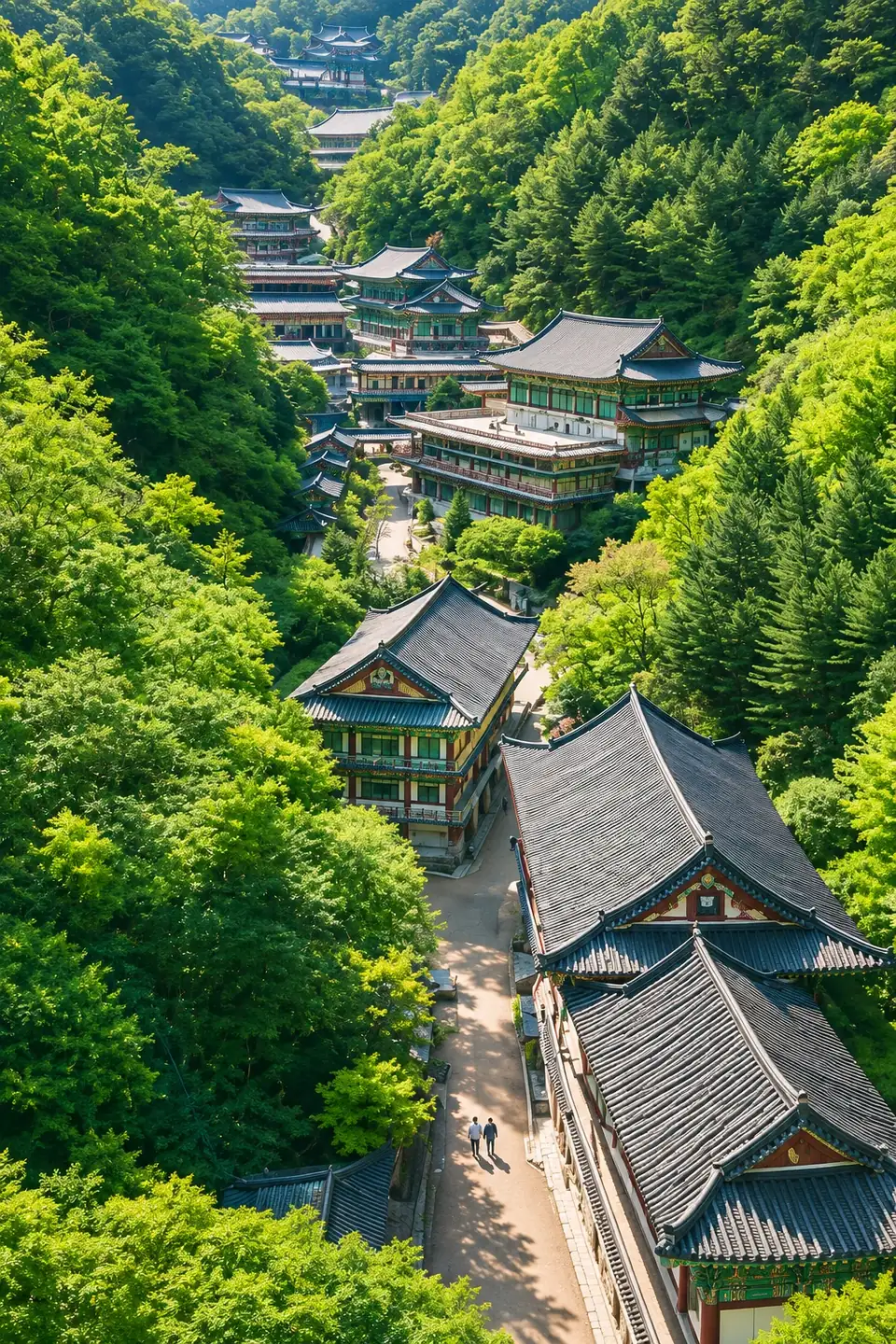
Guryongsa Temple

Founded in 1945, Guryongsa sits on Mt. Sobaek and serves as the head temple of the Korean Buddhist Cheontae Order overseeing over 140 temples nationwide. Highlights include the Great Dharma Hall and the stone monument engraved with the teachings of the monk Seongwol Eungyeok. The temple offers overnight temple stay programs for one or two days where visitors can experience Korean Buddhist history and culture, immersing themselves in the natural surroundings of Mt. Sobaek for spiritual growth.

Wonda Tourist Area

The site of a 6th-century battle between Goguryeo and Silla for control of the Han River. The area includes the Wonda Exhibition Hall, themed on the legend of Goguryeo general Wonda and Princess Pazam; a TV drama filming site; Wonda Mountain Fortress; and Wonda Caves formed from limestone dissolution in the Paleozoic era. Many Korean historical dramas were filmed here.

Danyang Nine Scenic Market

Known as the 'Eight Views of Danyang': Lower Seonam Rock, Central Seonam Rock, Upper Seonam Rock featuring brilliant azalea blooms in spring and vivid maple leaves in autumn; Seorin Rock with steep, majestic cliffs; Gutan Peak resembling a giant turtle; Yuksun Peak like a giant bamboo shoot; Dotam Sanbong, three peaks rising impressively above the South Han River; and Stone Gate, a natural stone bridge formed by dozens of stone pillars, creating a rainbow shape like a screen around Danyang. Beyond these eight is the Ninth must-visit spot—the Danyang Nine Scenic Market.

05

North Chungcheong Province → Seoul

After breakfast at the hotel, head to Seoul to experience traditional hanbok attire. Dress in elegant costumes and stroll through historic sites, immersing yourself in Korean traditional culture. Then visit Gyeongbokgung Palace, one of the Joseon Dynasty royal palaces, renowned for its grand architecture and serene gardens. Afterwards, explore Gwangjang Market, known for its variety of small goods and a wide range of street foods. Overnight at a comfortable local hotel.

AI-rendered illustration

After breakfast at the hotel, head to Seoul to experience traditional hanbok attire. Dress in elegant costumes and stroll through historic sites, immersing yourself in Korean traditional culture. Then visit Gyeongbokgung Palace, one of the Joseon Dynasty royal palaces, renowned for its grand architecture and serene gardens. Afterwards, explore Gwangjang Market, known for its variety of small goods and a wide range of street foods. Overnight at a comfortable local hotel.

Breakfast: at the hotel. Lunch: at your own expense. Dinner: at your own expense.

Gyeongbokgung PalaceAI-rendered illustration

Gyeongbokgung Palace

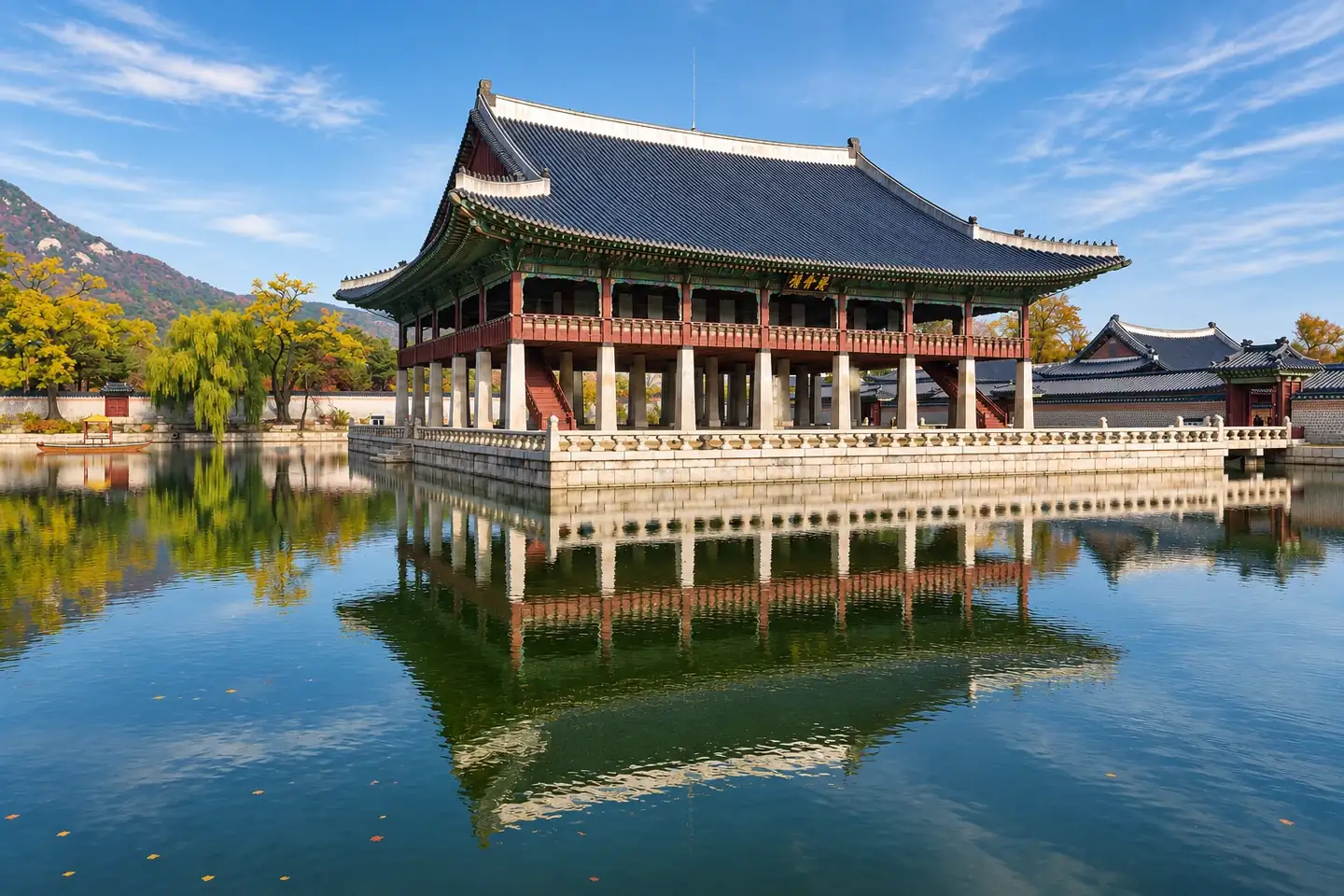
Gyeongbokgung Palace was the first palace built in the early Joseon Dynasty, with a history of over 600 years. It is the largest among the Five Grand Palaces, featuring unique architectural styles in buildings such as Geunjeongjeon Hall and Gyeonghoeru Pavilion. Additionally, it houses the National Palace Museum of Korea and the National Folk Museum, providing a rich visiting experience. Every day on the hour from 10 AM to 4 PM at the main gate, Gwanghwamun, there's a guard changing ceremony reenacting the palace gatekeepers' duties during the Joseon era, allowing visitors to witness the orderly traditional royal guard rituals.

Gwangjang Market

Established in 1905, Gwangjang Market is Seoul’s oldest permanent market. Over time, it developed into a large comprehensive market. Its busiest area is where East Gate, North Gate 2, and South Gate 1 intersect, forming a popular street food zone enjoyed by people of all ages. Now designated as a world tourist route, Gwangjang Market is a must-visit destination for foreign travelers to Korea.
06

Seoul

Planned attractions for the day: Seongsu-dong, Seoul Forest. The itinerary ends locally in Seoul; airport transfers can be arranged separately according to actual flight schedules. International return flights and arrival dates at origin are not included in this itinerary.

AI-rendered illustration

Planned attractions for the day: Seongsu-dong, Seoul Forest. The itinerary ends locally in Seoul; airport transfers can be arranged separately according to actual flight schedules. International return flights and arrival dates at origin are not included in this itinerary.

Breakfast: at the hotel. Lunch: at your own expense. Dinner: at your own expense.

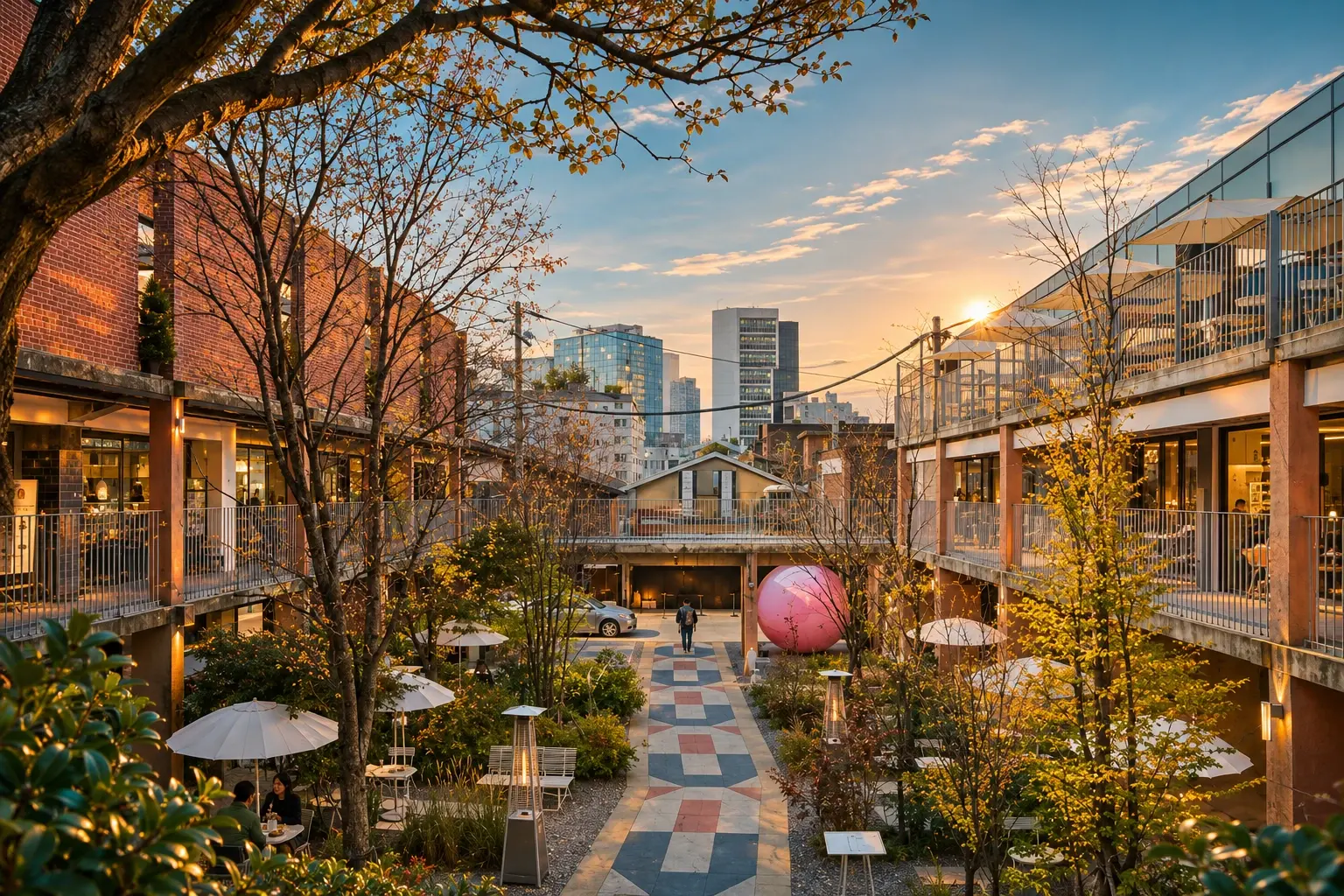
Seongsu-dongAI-rendered illustration

Seongsu-dong

In the 1990s, Seongsu-dong was an area full of shoemaking factories and small workshops. As mechanical manufacturing replaced manual labor and handicrafts declined, many factories became abandoned. In recent years, young artists and designers converted these old buildings into cafés and cultural spaces with a unique nostalgic atmosphere. Popular Korean brands, designer fashion, accessories, fragrances, cosmetics, and large multi-brand stores such as Olive Young, Human Made, ADER ERROR, and The Museum Visitor have shops in Seongsu-dong.

Seoul Forest

Seoul Forest was formerly used as a hunting and inspection ground for emperors, Korea's earliest water source, a golf course, horse racing track, and sports park. The current Seoul Forest covers 59.5 hectares and features five themed parks, serving as a large recreational space for Seoul residents.

YOUR ROUTE

Know the shape of your journey.

Starts in
Seoul
Ends in
Seoul
Local itinerary
6 days

A proposal shaped around you

Use this route as a starting point. Tell us your dates, pace and accommodation preferences.

Your quote will specify accommodation, guiding, transport, activities, meals and any optional arrangements before you book. International flights and airport transfers are discussed separately.

TRAVEL IN COMFORT

The right vehicle for your group.

Toyota Alphard

Up to 6 passengers

Toyota HiAce

Up to 9 passengers

Our main touring vehicles. We recommend a vehicle based on your group size and luggage. Maximum seating capacity does not guarantee room for all bags when every seat is occupied. Vehicle availability is confirmed for your destination.

More to discover

Hwaseong Fortress, Suwon

Hwaseong Fortress in Suwon, Gyeonggi Province, is a Joseon-era fortress built by King Jeongjo of Joseon to honor his father by moving his tomb while constructing a new city and to guard against enemies. The fortress walls span 5.74 km, standing 4 to 6 meters tall. Its construction utilized new advanced technologies and materials, showcasing East-West technological exchange. Hwaseong Fortress is a UNESCO World Cultural Heritage site with an impressively preserved ancient atmosphere. In spring, cherry blossoms bloom extensively within the fortress, perfectly blending with the historical architecture and creating a captivating time-travel sensation.

Starry Sky Library (Suwon Branch)

The Suwon Starry Sky Library spans floors 4 to 7 with a design that wraps around the building. If time permits, exploring the library from different angles and floors is recommended to capture every corner of this unique space.

Taean World Tulip Festival

The Taean World Tulip Festival (WTS) was selected as one of the world’s top five tulip festivals in 2015 and 2017. This event aims to recreate the grandeur of the World Flower Expo, allowing visitors to simultaneously enjoy the vast ocean, beaches, and millions of blooming tulips.

Jeonju Hanok Village

Jeonju Hanok Village, located around Pungnam-dong and Gyodong areas of Jeonju city, contains over 735 traditional Korean hanok houses. Famous for preserving traditional appearance amidst a rapidly changing modern city.

Dotam Sampung

These are three stone peaks rising over the Namhan River, named General Peak, Wife Peak, and Concubine Peak. The largest, General Peak, hosts Samdojeong Pavilion, a favorite spot of ancestors for leisure. Nearby, the Dotam Sampung tourist area offers a story museum, yellow sailboats, passenger boat terminals, and rest areas—a great place to enjoy nature and recreation.

Guryongsa Temple

Founded in 1945, Guryongsa sits on Mt. Sobaek and serves as the head temple of the Korean Buddhist Cheontae Order overseeing over 140 temples nationwide. Highlights include the Great Dharma Hall and the stone monument engraved with the teachings of the monk Seongwol Eungyeok. The temple offers overnight temple stay programs for one or two days where visitors can experience Korean Buddhist history and culture, immersing themselves in the natural surroundings of Mt. Sobaek for spiritual growth.

Hanbok Experience

Beauty is everywhere, but what’s missing is your ability to discover and create it. When you travel to Seoul, rent a hanbok and visit iconic architectural palaces like Gyeongbokgung, capturing exotic photos—this is a dream for anyone chasing beauty.

Gyeongbokgung Palace

Gyeongbokgung Palace was the first palace built in the early Joseon Dynasty, with a history of over 600 years. It is the largest among the Five Grand Palaces, featuring unique architectural styles in buildings such as Geunjeongjeon Hall and Gyeonghoeru Pavilion. Additionally, it houses the National Palace Museum of Korea and the National Folk Museum, providing a rich visiting experience. Every day on the hour from 10 AM to 4 PM at the main gate, Gwanghwamun, there's a guard changing ceremony reenacting the palace gatekeepers' duties during the Joseon era, allowing visitors to witness the orderly traditional royal guard rituals.

Before you go

This journey starts at the destination. Seasonal experiences, service inclusions and availability are confirmed with your personalized proposal.

Original source & photography · 6renyou ↗

Image credits and illustrations

BEFORE YOU PLAN

Travel planning, clearly explained.

OpenEast brings together Japan and South Korea itinerary ideas for travelers from North America, with China also part of our destination plans. Start with the local route, then consider flights and airport transfers around it.

When does Day 1 begin?

Day 1 begins at the destination. International departure-only and return flight days are not counted as destination days. Plan your flights around the local itinerary dates.

Are flights and airport transfers included?

International flights and airport transfers are confirmed separately. Do not assume they are included in a suggested itinerary.

Are these confirmed departures?

These routes are itinerary ideas. Dates, hotels, admissions, seasonal activities, prices and availability need confirmation in a personalized proposal before booking.

Can I book or send an inquiry here?

Use the inquiry form to contact our team. A submission confirmation appears only when the email service accepts your request. An inquiry does not reserve a service or take payment.

Explore Japan itineraries → · Explore South Korea itineraries →

1 / 5

Let’s plan your journey.

[Korean Cultural Heritage and History Exploration 6 Days] Taean Tulip Festival + Suwon Hwaseong Fortress + Jeonju Hanok Village + Dotam Sanbong + Guryongsa Temple + Gyeongbokgung Hanbok Experience + Seongsu-dong & Seoul Forest

Leave your details, and our travel specialists will get in touch by email or your preferred contact method.

Your specialist will confirm the itinerary, pricing and availability with you.

How we use your information

Your inquiry is sent to info@jasperlimo.com so our team can respond. Please do not include passport or payment details.

Start planning