South Korea · 11 DAYS

Seoul, Busan, Jeju Panoramic 11-Day Tour

Seoul → Gangwon Province → North Gyeongsang Province → Busan → Jeju Island

Comprehensive Korea Tour - Highlights of Seoul, Busan, and Jeju Sky Capsule SKYCAPSULE (4-person vehicle) + Haeundae Coastal Train

11 daysWinterItinerary idea

Request this itinerary

Leave your details, and our travel specialists will get in touch by email or your preferred contact method.

Your specialist will confirm the itinerary, pricing and availability with you.

How we use your information

Your inquiry is sent to info@jasperlimo.com so our team can respond. Please do not include passport or payment details.

JOURNEY HIGHLIGHTS

South Korea, made personal.

Panoramic 11-Day Seoul, Busan, Jeju Tour: Wolmido Sky Train + Seoraksan Cable Car + Andong Hahoe Village + 9.81 Gravity Racing Park + Water Light Shadow Water Park

Day 1 starts in Seoul. International airfare is arranged separately.

  • 01Comprehensive Korea Tour - Highlights of Seoul, Busan, and Jeju
  • 02Sky Capsule SKYCAPSULE (4-person vehicle) + Haeundae Coastal Train
  • 03Meet & Greet Spot of Heechul & Suf - Nami Island Scenic Boat Tour (ticket included) + Metasequoia Road

Your journey, day by day

01

Seoul

Day 1 starts upon arrival in Seoul. Your local activities and hotel check-in will be arranged based on actual arrival time; international departures and connecting flights are not included. Planned sites: Starfield Library, Lotte World Tower Observatory + Sky Bridge; timings adjusted per arrival. An airport transfer can be arranged separately; inclusion depends on confirmed itinerary.

AI-rendered illustration

Day 1 starts upon arrival in Seoul. Your local activities and hotel check-in will be arranged based on actual arrival time; international departures and connecting flights are not included. Planned sites: Starfield Library, Lotte World Tower Observatory + Sky Bridge; timings adjusted per arrival. An airport transfer can be arranged separately; inclusion depends on confirmed itinerary.

Breakfast: at your own expense. Lunch: at your own expense. Dinner: at your own expense.

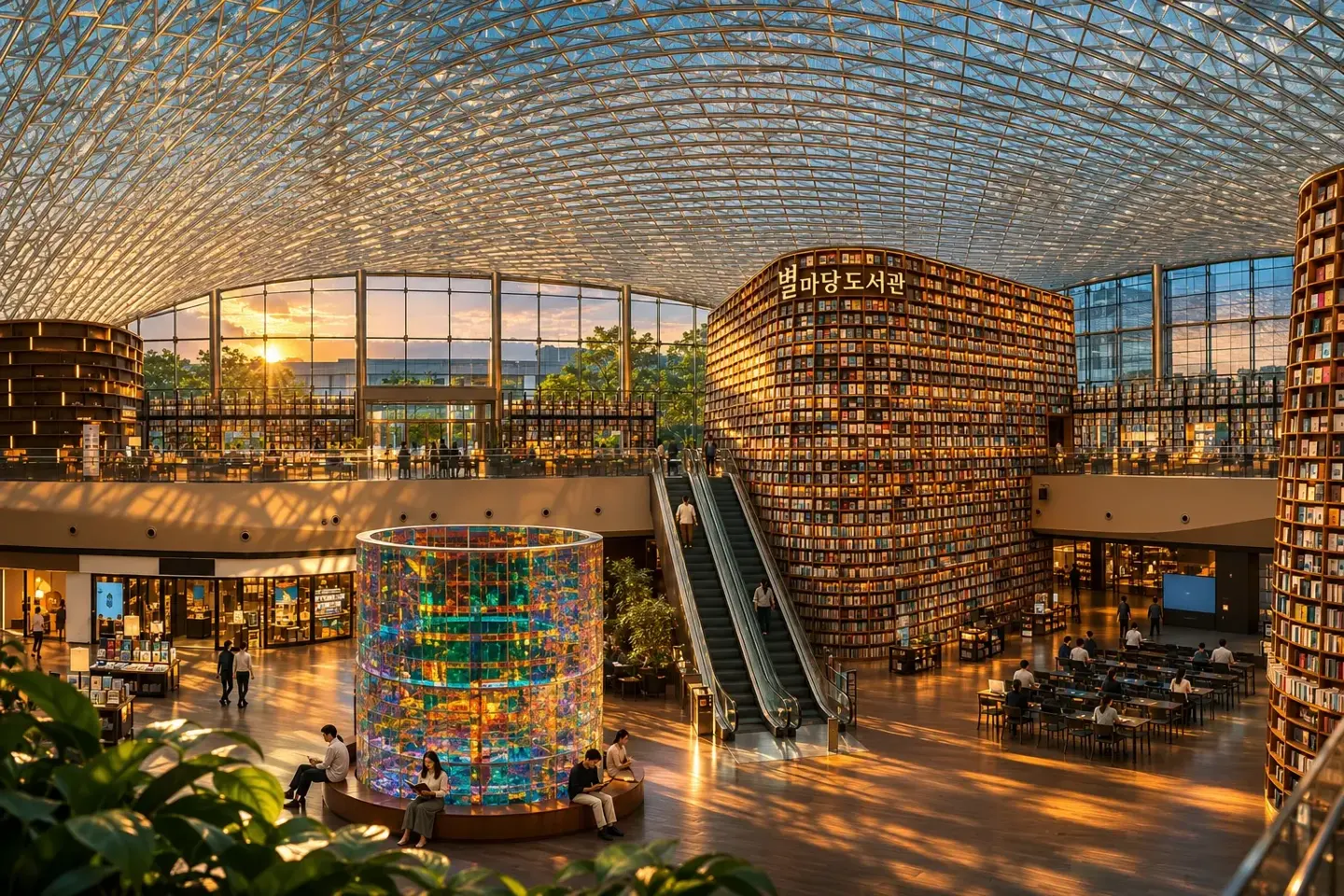
Starry Sky Library (Byulmadang Library)AI-rendered illustration

Starry Sky Library (Byulmadang Library)

Located inside COEX Mall’s central plaza in Gangnam, Starry Sky Library features soaring 13-meter-tall bookshelves reaching the ceiling and approximately 50,000 books freely accessible during operating hours. The library provides seats with power outlets for charging devices, offering great convenience to visitors. Nicknamed the ‘Garden of Stars,’ it is beautifully illuminated at night. Popular photo spots include the towering bookshelves and seasonal decorations like oversized Christmas trees, often making social media highlights.

Lotte World Tower Observatory + Sky Bridge

The Lotte World Tower's highlight is the top-floor observatory “SEOUL SKY,” the world’s fifth tallest observatory. It offers panoramic views of Seoul's day, night, and seasonal landscapes. It is a leading sightseeing spot with a 360-degree view of the cityscape and night views.

02

Seoul

Visit Wolmido Island in Incheon to experience the excitement of the Ocean Sky Train, enjoying aerial views of the sea. Then fully enjoy Wolmido Theme Park and its rides. Next, stroll on Wolmido Island to feel the refreshing sea breeze. After lunch, relax at the century-old forest-themed chapel café, MADELIM CAFE, savoring delicious coffee in a peaceful setting. Finally, return to Seoul to visit Cheongna Lake Water Park, a filming location of the popular Korean drama "The Glory."

Visit Wolmido Island in Incheon to experience the excitement of the Ocean Sky Train, enjoying aerial views of the sea. Then fully enjoy Wolmido Theme Park and its rides. Next, stroll on Wolmido Island to feel the refreshing sea breeze. After lunch, relax at the century-old forest-themed chapel café, MADELIM CAFE, savoring delicious coffee in a peaceful setting. Finally, return to Seoul to visit Cheongna Lake Water Park, a filming location of the popular Korean drama "The Glory."

Breakfast: at the hotel. Lunch: at your own expense. Dinner: at your own expense.

Wolmido Theme Park

Wolmido Theme Park is the newest comprehensive amusement park on Wolmido Island, originally opened as My Land in September 1992 and loved by many visitors since. In August 2009, most facilities were renovated within a 4,000-pyeong area. Attractions include a 70-meter Hyper Shot Drop, Tagada Disco, two-story Viking ride, 115-meter Ferris wheel, and others. It is also a filming location for popular Korean variety shows like "We Got Married," "2 Days & 1 Night," and "Running Man." The park features a 250-pyeong indoor children's play area, experience zones, water games, water boats, and 4D cinema, catering to both adults and children.

Wolmido Island

Wolmido Island

Wolmido Island is a popular tourist spot combining entertainment and dining. Wolmido Culture Street offers seaside amusement park facilities, fresh seafood restaurants along the coast, and scenic cafes. On weekends, the bustling street filled with people has become a signature place on Wolmido Island.

Century-Old Forest Chapel Cafe - MADELIM CAFE

"MADELIM Cafe" near Incheon Airport is a newly opened spot ideal for a Seoul stop. Situated in a century-old forest-themed chapel, MADELIM Cafe blends rich cultural heritage with modern style, creating an otherworldly atmosphere where visitors can enjoy delicious coffee while being soothed by nature.

Cheongna Lake Water Park - Filming Site of Korean Drama "The Glory"

Cheongna Lake Water Park, located in Incheon's Cheongna International City, is a lakeside recreational park popular among local residents for leisure and strolling.

03

Seoul

Visit one of Korea's most iconic palaces, Gyeongbokgung Palace, to experience its rich history and grand architecture. Then stroll to Cheonggyecheon Fashion Plaza to encounter Seoul's modern metropolitan vibe. Next, visit Bukchon Hanok Village, wandering traditional Korean houses as if traveling back in time. In the evening, enjoy an exciting Nanta show, blending music, dance, and drama in a unique performance. Finally, explore the vibrant Hongdae district, a hub for youth culture and artistic creativity.

AI-rendered illustration

Visit one of Korea's most iconic palaces, Gyeongbokgung Palace, to experience its rich history and grand architecture. Then stroll to Cheonggyecheon Fashion Plaza to encounter Seoul's modern metropolitan vibe. Next, visit Bukchon Hanok Village, wandering traditional Korean houses as if traveling back in time. In the evening, enjoy an exciting Nanta show, blending music, dance, and drama in a unique performance. Finally, explore the vibrant Hongdae district, a hub for youth culture and artistic creativity.

Breakfast: at the hotel. Lunch: at your own expense. Dinner: at your own expense.

Gyeongbokgung Palace

Gyeongbokgung Palace was the first palace built in the early Joseon Dynasty, with a history of over 600 years. It is the largest among the Five Grand Palaces, featuring unique architectural styles in buildings such as Geunjeongjeon Hall and Gyeonghoeru Pavilion. Additionally, it houses the National Palace Museum of Korea and the National Folk Museum, providing a rich visiting experience. Every day on the hour from 10 AM to 4 PM at the main gate, Gwanghwamun, there's a guard changing ceremony reenacting the palace gatekeepers' duties during the Joseon era, allowing visitors to witness the orderly traditional royal guard rituals.

Cheonggyecheon Fashion Plaza

“Cheonggye Fourth View—Fashion Plaza” features a stylish stage by the water and walls displaying masterpieces from five contemporary artists. Near Cheonggye’s Five-Spaced Water Bridge and close to Seoul’s main shopping area Dongdaemun, “fashion” is a perpetual theme here. Visitors can shop while enjoying views of Cheonggyecheon, making the plaza a lively hub.

Bukchon Hanok Village

Bukchon Hanok Village is the best place in Seoul to experience traditional Korean houses with an authentic feel, as residents still live here. Visitors should keep noise to a minimum out of respect. It’s an excellent spot for photography and remembrance. Don’t forget your camera and look for the "Bukchon Eight Views"; helpful photo point signs on the ground guide visitors thoughtfully.
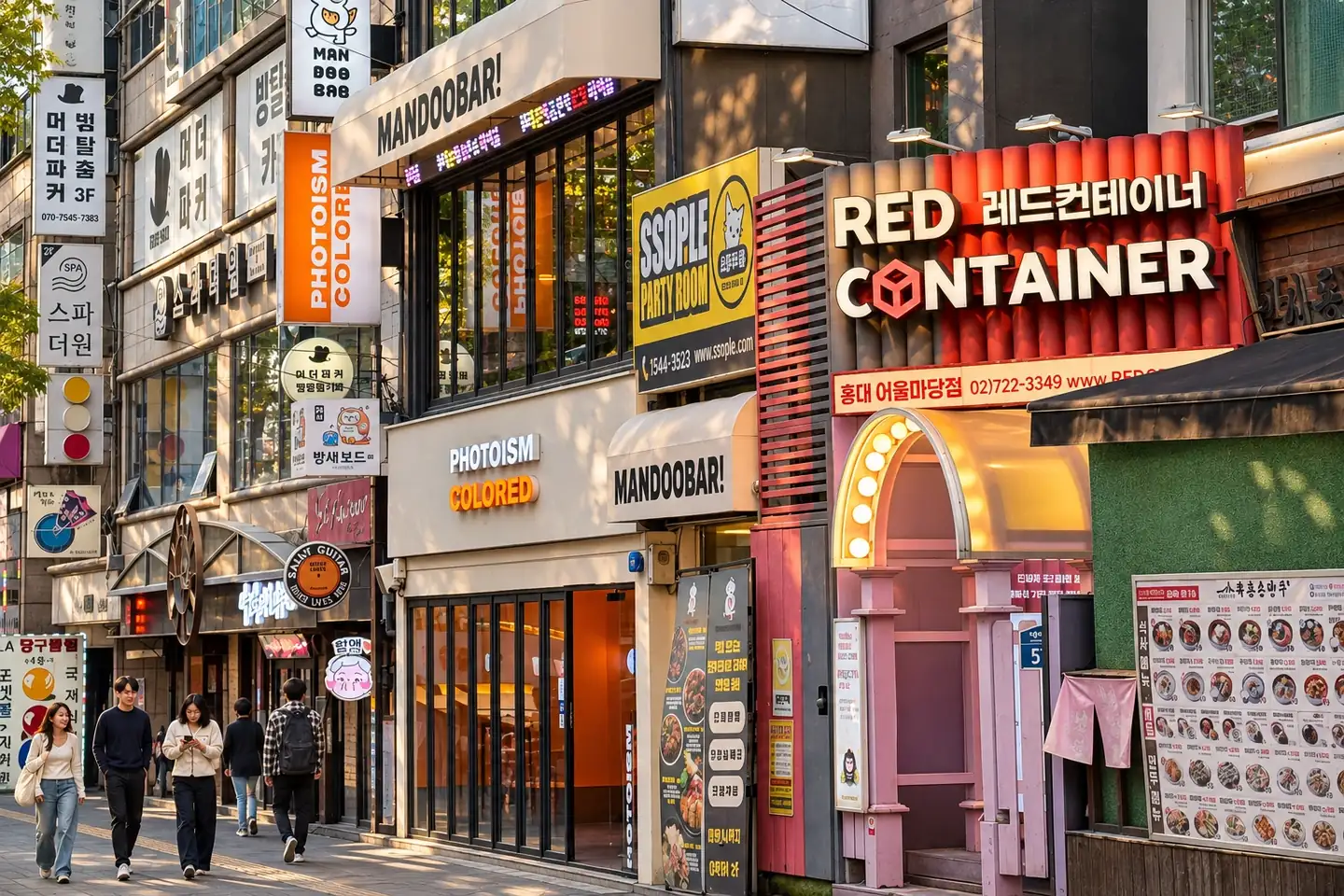
Hongdae DistrictAI-rendered illustration

Hongdae District

Hongdae, centered around Hongik University in Seoul’s Mapo District, is a cultural and arts commercial area known as the heart of Korean youth trends and indie culture. It’s artistic and lively by day, transforming into a hub of nightclubs and live music venues at night, combining art, shopping, food, K-POP, and nightlife. It’s Seoul’s best district for young people to explore and enjoy.
04

Seoul → Gangwon Province

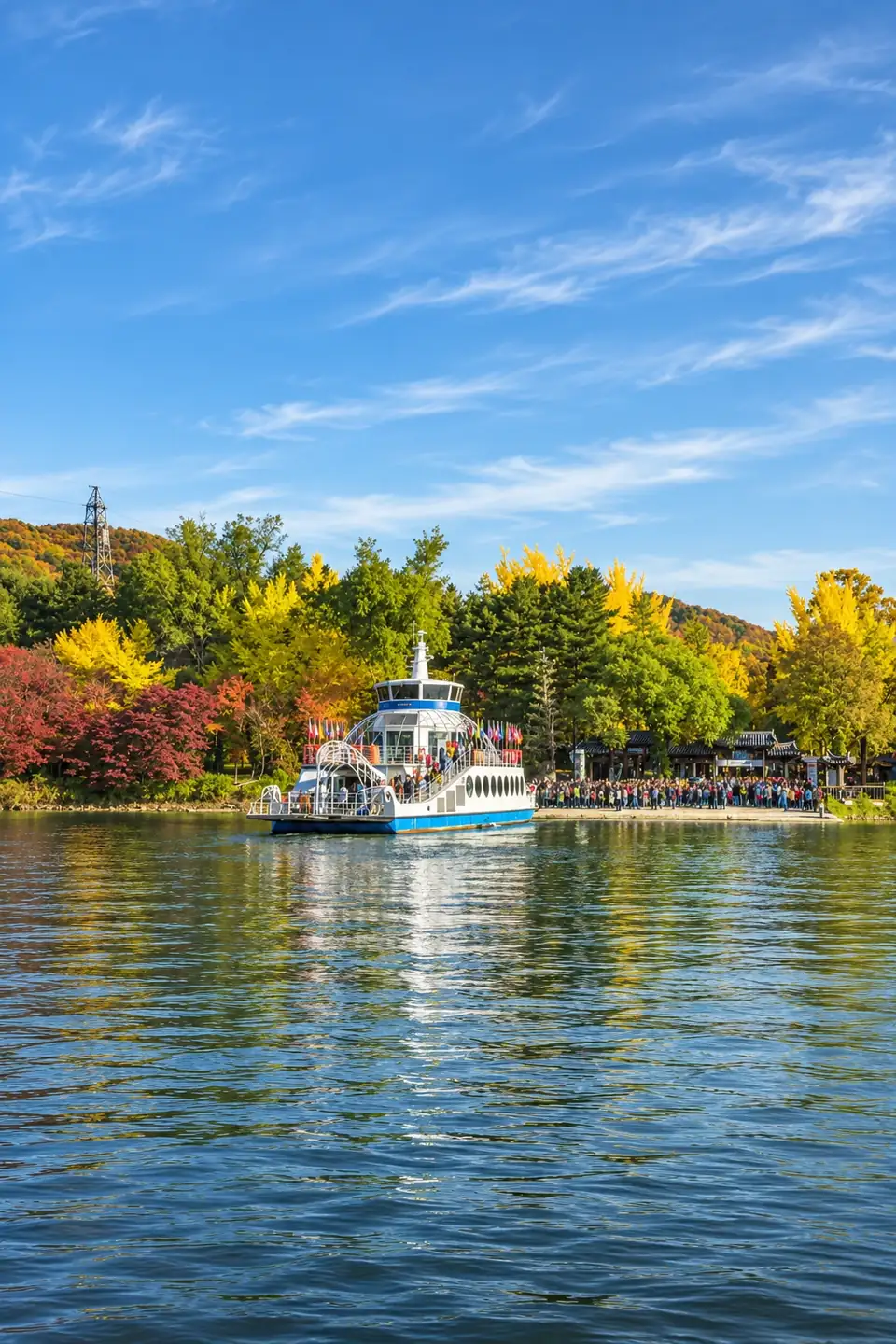
Start with Nami Island in Gangwon Province to enjoy its natural beauty and tranquil atmosphere. Then take a shuttle boat exploring the island’s waterways for a unique water excursion. Afterwards, visit the outer Seoraksan area in Seoraksan National Park to admire magnificent mountain scenery. Finally, tour the historic Sinheungsa Temple to experience its deep cultural heritage.

AI-rendered illustration

Start with Nami Island in Gangwon Province to enjoy its natural beauty and tranquil atmosphere. Then take a shuttle boat exploring the island’s waterways for a unique water excursion. Afterwards, visit the outer Seoraksan area in Seoraksan National Park to admire magnificent mountain scenery. Finally, tour the historic Sinheungsa Temple to experience its deep cultural heritage.

Breakfast: at the hotel. Lunch: at your own expense. Dinner: at your own expense.

Nami IslandAI-rendered illustration

Nami Island

Nami Island is located in the city of Chuncheon, Gangwon Province, South Korea, in Nam-myeon, Bangha-ri. Originally not an island, it was formed when the Chuncheon Dam created a reservoir on Bukhan River. Known as a filming location for dramas like "Winter Sonata," Nami Island boasts stunning natural scenery. The island is about 6 km in circumference and covers over 130,000 pyeong (approximately 429,000 square meters). The center features a grassy area spreading over 80,000 pyeong (about 263,000 square meters). Surrounding the island are lush chestnut and poplar trees resembling a screen, making it an excellent place for a walk.

Seoraksan National Park (Outer Seorak)

Seoraksan National Park is Korea's northernmost national park, with its peak Daecheongbong at 1708 meters. It offers thrilling cliff climbs and hiking. The southern foothills feature steep rocky valleys and the Seoraksan Great Waterfall, comparable to Cheonbuldong Cave.

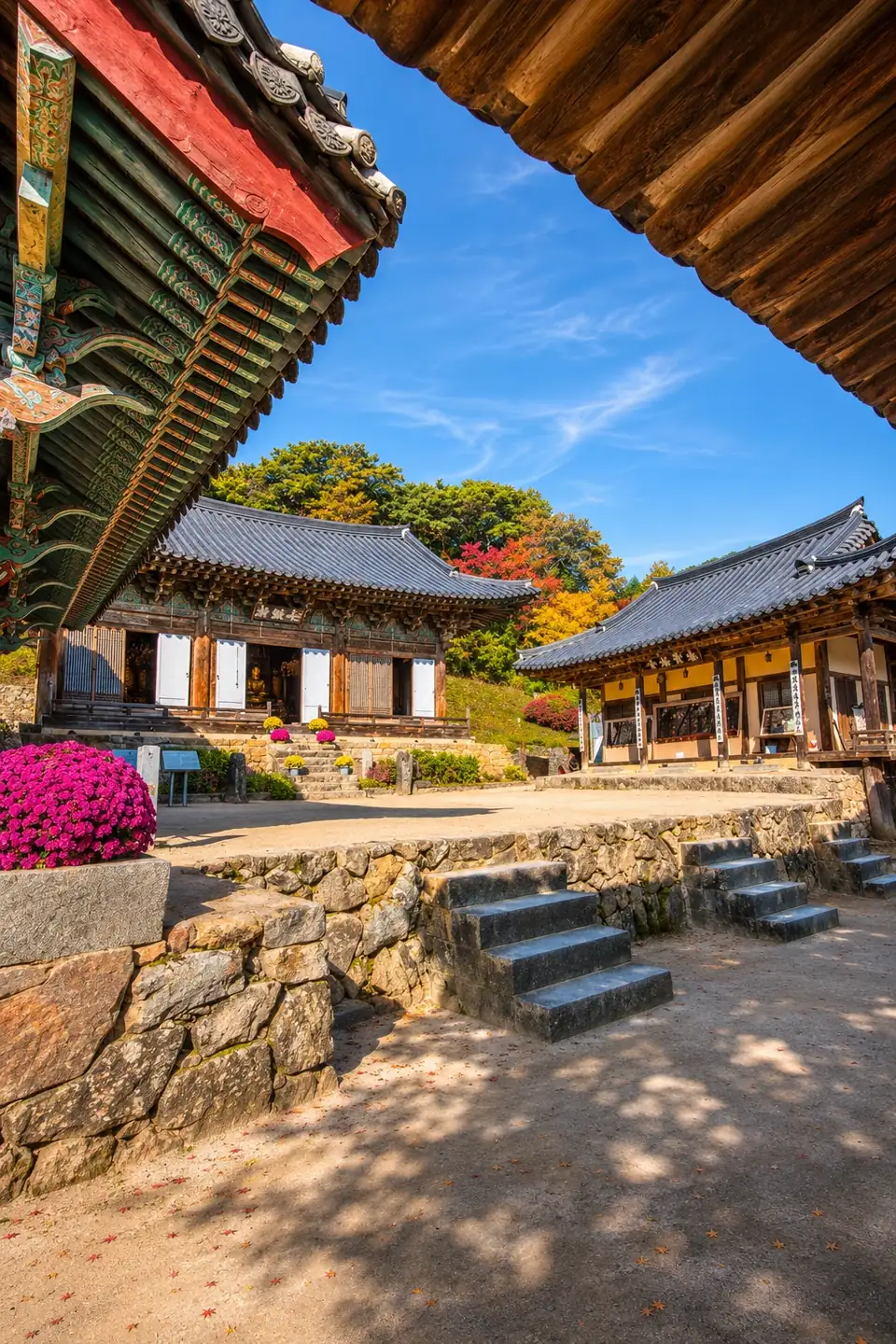
Sinheungsa Temple

Sinheungsa: Founded in 652 AD by the monk Jajang, it is the oldest temple in Seoraksan. Destroyed during the Joseon era, the current temple was rebuilt in 1847 and retains a royal bell from Joseon times and a scripture block believed to be from King Sejo's era.

05

Gangwon Province

Explore Seonjyojang in Gangneung, experiencing traditional Korean houses' charm. Next, head to Chuam Sea Suspension Bridge to enjoy both thrilling walks and scenic views, then admire the unique Chuam Candlestick Rock nearby. Afterwards, explore Ghost Valley Sky Valley with its natural beauty and various outdoor activities. Finally, stroll through Donghae Danyang Wall Alley (Lighthouse Mural Village), where colorful murals add bright highlights to your journey.

Explore Seonjyojang in Gangneung, experiencing traditional Korean houses' charm. Next, head to Chuam Sea Suspension Bridge to enjoy both thrilling walks and scenic views, then admire the unique Chuam Candlestick Rock nearby. Afterwards, explore Ghost Valley Sky Valley with its natural beauty and various outdoor activities. Finally, stroll through Donghae Danyang Wall Alley (Lighthouse Mural Village), where colorful murals add bright highlights to your journey.

Breakfast: at the hotel. Lunch: at your own expense. Dinner: at your own expense.

Seonjyojang

Seonjyojang is one of Gangwon Province’s most elegant aristocratic residences located 4 km from Gangneung toward Gyeongpo. As a nobleman’s house from the Joseon era, it is designated an important folk cultural property. Historically, Gyeongpo Lake was wider, requiring boat access to the village, hence the name Seonjyojang (meaning 'boat bridge village').

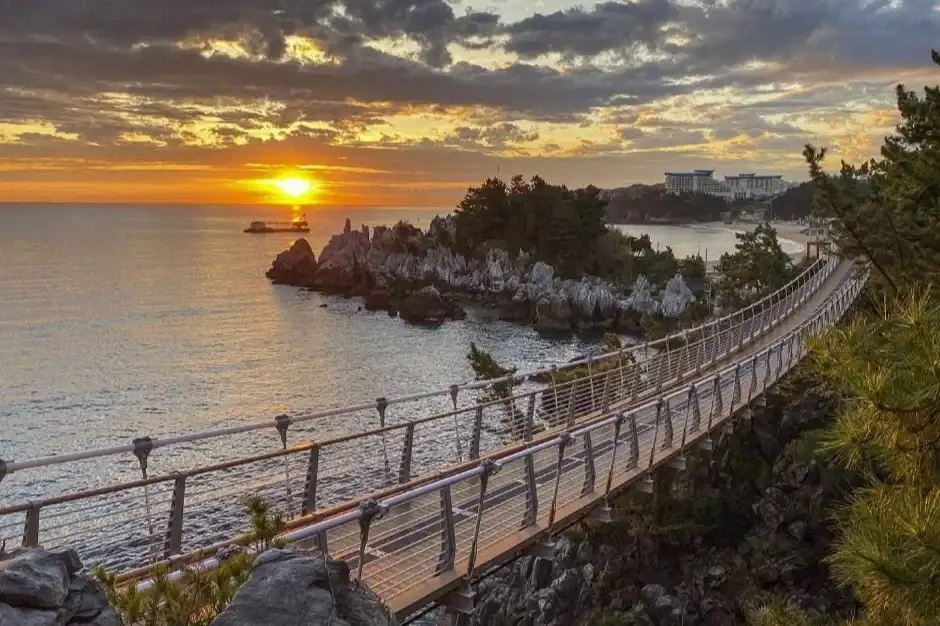
Chuam Sea Suspension Bridge

Chuam Sea Suspension Bridge

Located by the sea at Chuam, home to Candlestick Rock famous for its sunrise, a 72-meter-long suspension bridge was newly built in June 2019—the only sea suspension bridge in Korea. It offers stunning views of the port, beach, and coastal rocks. Note that the bridge may be closed during severe weather (rain, snow, strong winds) for safety.

Chuam Candlestick Rock

Chuam Candlestick Rock is a famous Donghae City landmark, named for resembling a candlestick. The towering rock soars into the sky amid surrounding strange rocks in the sea, creating a magnificent scene. The sea and rock formations change dramatically with tides: at high tide, white waves resemble flying dragons ascending; at low tide, calm water looks like a deep lake. Chuam Candlestick Rock is famed as a sunrise spot, attracting many visitors and photographers. Its sunrise image is often used on Korean TV when playing the national anthem. *Legend: A fisherman living here married a concubine; their quarrels angered the gods, who took the two women by lightning, leaving the fisherman alone gazing at the sea—forming today's Candlestick Rock.

Ghost Valley Sky Valley

Located between Meokho Lighthouse and Wolso residential area, Ghost Valley offers beautiful views of Donghae and various experience facilities. Its Korean name "Dojebi" is a dialect form of "Dokkaebi" (goblin). Opened in May 2021, Ghost Valley Sky Valley features a skywalk, sky bicycle, giant slides, an art house selling souvenirs and food, and ticketing facilities, providing comprehensive amenities.

Donghae Danyang Wall Alley (Lighthouse Mural Village)

Danyang Wall Alley is a village full of emotional stories. It witnesses the history of Meokho Port, opened in 1941, and tells stories of local residents. In 2010, under Donghae Cultural Institute’s elder lifestyle heritage project, the Meokho Lighthouse Mural Village "Danyang Wall Alley" project began. With participation from local elder residents and artists, it became today's mural village. Danyang Wall Alley features many unique and beautiful cafes, perfect for a rest during a stroll before continuing your journey.

06

Gangwon Province → North Gyeongsang Province

Depart from Gangwon Province to Gyeongsangbuk-do to begin a cultural exploration. First, visit Sosu Seowon Confucian Academy, a UNESCO World Heritage site showcasing traditional Korean education. Then explore Confucian Scholar Village to experience historical scholar life. Afterwards, tour Andong Hahoe Village, also a UNESCO World Heritage site, to stroll through well-preserved traditional village. Next, visit Bongjeongsa Temple, another UNESCO World Heritage site, to enjoy tranquil and peaceful atmosphere. Lastly, rest at the Hanok-style cafe "GURUME OFF BOOK CAFE" to taste local specialty drinks.

AI-rendered illustration

Depart from Gangwon Province to Gyeongsangbuk-do to begin a cultural exploration. First, visit Sosu Seowon Confucian Academy, a UNESCO World Heritage site showcasing traditional Korean education. Then explore Confucian Scholar Village to experience historical scholar life. Afterwards, tour Andong Hahoe Village, also a UNESCO World Heritage site, to stroll through well-preserved traditional village. Next, visit Bongjeongsa Temple, another UNESCO World Heritage site, to enjoy tranquil and peaceful atmosphere. Lastly, rest at the Hanok-style cafe "GURUME OFF BOOK CAFE" to taste local specialty drinks.

Breakfast: at your own expense. Lunch: at your own expense. Dinner: at your own expense.

Sosu Seowon Confucian Academy [UNESCO World Heritage Site]

Located on the right side en route from Bonggi-eup in Yeongju city toward Buseoksa Temple, Sosu Seowon is Korea’s earliest royal-commended private Confucian academy. It served as a private educational institution for nurturing sages during the Joseon dynasty, featuring a shrine for ancestors’ memorial rites, a lecture hall for scholarly study, and dormitories for students. Established in 1543 by Yang Se-bong, local magistrate of Bonggi-gun, it was initially named Baegundong Academy at the site of Suksu Temple. After Lee Hwang became magistrate, he sought national recognition, receiving the royal plaque inscribed “Sosu Seowon” by King Myeongjong, symbolizing the resurgence of Confucianism.

Confucian Scholar Village

Located in Yeongju, Gyeongsangbuk-do, Confucian Scholar Village promotes Yeongju culture and offers Korean traditional cultural education. Designed for foreign travelers, the village features activities like rice cake pounding, red lantern carrying, traditional weddings, board throwing, shuttlecock kicking, folk games, and a museum visit. Visitors can sample traditional food and snacks in the local food street. The village provides insight into scholarly life, traditional culture, etiquette training, and hands-on experiences, reviving Korean customs that are gradually fading. Nearby are the earliest seowon Sosu Seowon, Sosu Museum, and Buseoksa Temple.

Andong Hahoe Village (UNESCO World Cultural Heritage Site)

Hahoe Village was the residence of the Pungsan Ryu clan and offers a deep experience of traditional Korean culture. It was the birthplace of famous Joseon-era scholars Ryu Un-ryong and Ryu Seong-ryong. On April 21, 1999, Queen Elizabeth II of the United Kingdom visited, enhancing its international fame. The village's name 'Hahoe' refers to the S-shaped loop formed by the flowing Nakdong River that surrounds the village. To the east lies the Baeksan mountain ridge extending to the village, creating low hills. Houses are built facing downhill with various orientations according to terrain, so no two houses face the same direction—a unique feature of Hahoe Village. At the village center stands a well-preserved large stone-tiled house of the Ryu clan surrounded by thatched houses. In front of the village flows the gentle Nakdong River, with elegant Burungdae, wide white sandy beaches, and dense ancient pine forests offering scenic beauty. Boats can be crossed at the waterway in front. Representative foods include Andong soju, ceremonial meals, and Andong-style soup rice. Notable sites include Bongjeongsa Temple from the Silla period, Guraejeong Pavilion, Gosan Seowon Academy, Natural Recreation Forest on Gyeongmyeongsan, Crane Pavilion, and Wolong Mountain. In July 2010, Hahoe Village and Gyeongju Yangdong were designated as Korean historic villages and UNESCO World Heritage sites, attracting many visitors annually. The Andong International Mask Dance Festival is held every autumn.

Bongjeongsa Temple [UNESCO World Heritage]AI-rendered illustration

Bongjeongsa Temple [UNESCO World Heritage]

Located on Mt. Cheondeung in Andong, Bongjeongsa is a temple under the 16th district of Korea's Jogye Order. Founded in 672 AD during the Silla period, with some debate over founders, possibly the monk Uisang or his disciple Neungin. Much historical record was lost in the Korean War. In 1972, during restoration, a beam was found noting refurbishment in 1363, making the temple's Geungnakjeon Hall the oldest surviving wooden structure in Korea.

Hanok Cafe "GURUME OFF BOOK CAFE"

GURUME Traditional Hanok Village features the GURUME OFF BOOK CAFE with over 1,500 books. The complex is large, including a book cafe, a hanok dedicated to picture books, and another hanok offering various traditional experiences such as cooking and hanbok wearing.

07

North Gyeongsang Province → Busan

Visit the solemn and mysterious Bulguksa Temple, a UNESCO World Heritage Buddhist site famed for its exquisite architecture and tranquil atmosphere, perfect for spiritual rejuvenation. Then explore the equally prestigious Seokguram Grotto, home to valuable cultural heritage and showcasing ancient craftsmen's artistic mastery. Next, experience the ancient astronomers' reverence for celestial phenomena at Gyeongju Cheomseongdae Observatory. Finally, enjoy a peaceful stroll across Woljeonggyo Bridge, offering a quiet retreat from the bustle.

Visit the solemn and mysterious Bulguksa Temple, a UNESCO World Heritage Buddhist site famed for its exquisite architecture and tranquil atmosphere, perfect for spiritual rejuvenation. Then explore the equally prestigious Seokguram Grotto, home to valuable cultural heritage and showcasing ancient craftsmen's artistic mastery. Next, experience the ancient astronomers' reverence for celestial phenomena at Gyeongju Cheomseongdae Observatory. Finally, enjoy a peaceful stroll across Woljeonggyo Bridge, offering a quiet retreat from the bustle.

Breakfast: at the hotel. Lunch: at your own expense. Dinner: at your own expense.

Gyeongju Bulguksa Temple (UNESCO World Heritage Site)

Bulguksa Temple and Seokguram Grotto are nestled on the slopes of Mount Tohamsan, core centers of Silla Buddhism's flourishing culture. Bulguksa was built 1440 years ago by King Beopheung of Silla to ensure national stability and peace for the people. The temple was renovated under Prime Minister Kim Dae-seong during King Gyeongdeok’s reign. Most buildings were destroyed during the Imjin War; only parts remained until restoration efforts returned it to its current grandeur. Following a 3 km ridge walk from Bulguksa, visitors reach the famous Seokguram Grotto housing the largest East-facing Buddha statue. Bulguksa and Seokguram, along with Haeinsa Temple’s Tripitaka Koreana and Jongmyo Shrine, were inscribed as World Cultural Heritage sites on December 6, 1995, gaining great global renown.

Gyeongju Seokguram Grotto (UNESCO World Heritage Site)

Seokguram Grotto, designated as Korea's National Treasure No. 24, was built in the 10th year of King Gyeongdeok of the Silla Dynasty under the supervision of Prime Minister Kim Daeseong. It lies 3 km along a mountain path from Bulguksa Temple and then 9 km along a road. The grotto consists of 34 sculpted Buddha statues carved into rocks of various shapes including square, round, straight, curved, flat, and spherical surfaces. Each statue is considered a masterpiece blending philosophy and science. At the center, the main Buddha statue carved from white granite faces the East Sea. Seokguram was designated a UNESCO World Cultural Heritage site in 1995. The main chamber is circular housing the principal Buddha along with bodhisattvas and disciples. The grotto’s roof is semi-crescent or bow-shaped, topped with a lotus-patterned disc. The site is famous for beautiful sunrises, attracting many visitors who come early in the morning.

Gyeongju Cheomseongdae Observatory

Cheomseongdae Observatory is believed to have been built during the reign of Queen Seondeok, the 27th ruler of Silla. It is one of Gyeongju’s iconic landmarks. The base features a bottle-shaped cylindrical body topped with a 'well'-shaped structure, standing about 9 meters tall. The cylinder is built with 27 layers of fan-shaped stones. Centered on a southeast-facing window, the lower half is filled with rubble while the upper part up to the top is hollow. The top 'well' shaped stone structure interlocks, with ends of long stones extending outside. Similar structures at levels 19–20 and 25–26 likely supported an internal ladder. According to ancient records, visitors could enter from the middle, presumably climbing an external ladder through the window and ascending inside for astronomical observations. Each stone block carries symbolic meaning: the round upper and square lower shape represents heaven and earth; approximately 365 stones symbolize the days of the year; the 27 layers represent Queen Seondeok, the 27th king; and the 'well'-shaped top brings the total to 29–30 layers, representing lunar month days. The upper and lower 12 layers on either side of the window represent 12 months and 24 solar terms of the year, respectively. Cheomseongdae was used for astronomical calculations, agricultural scheduling, and national divination.

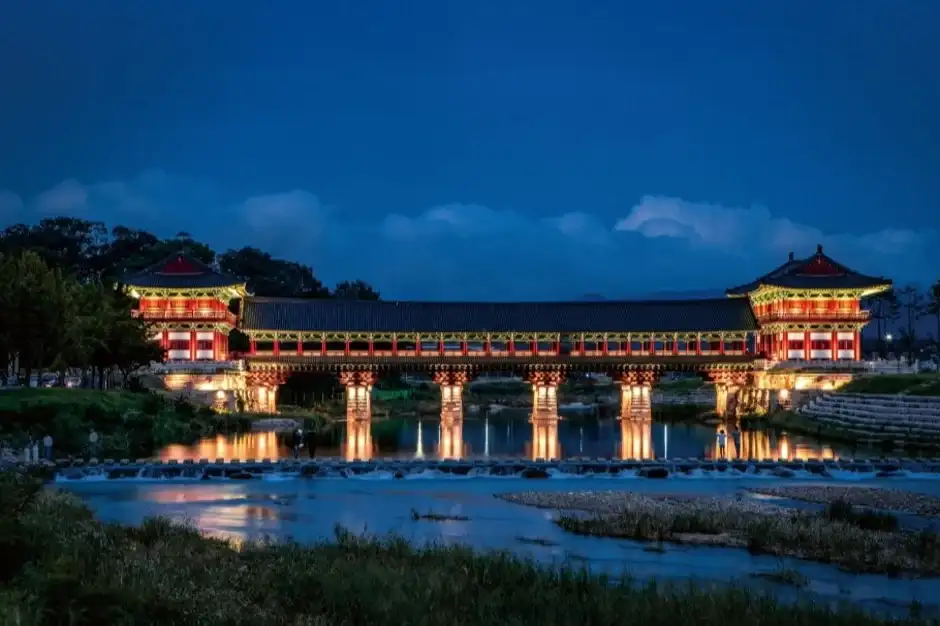
Woljeonggyo Bridge

Woljeonggyo Bridge

In Gyo-dong, Gyeongju, stands the historic wooden Woljeonggyo Bridge, originally built during the Unified Silla period (676-935 AD). It was burned down during the Joseon Dynasty but after detailed historical research, it was reconstructed in April 2018, becoming one of Korea’s largest wooden bridges.

08

Busan

Travel to Haedong Yonggungsa Temple, where stunning ocean views blend with a serene temple atmosphere. Then experience the unique Haeundae Capsule Train journey through cityscapes. In the afternoon, walk to Cheongsapo to enjoy the peaceful and charming seaside village setting. In the evening, relax completely at CLUB D Ocean View Hot Spring Sauna, soothing both body and mind.

AI-rendered illustration

Travel to Haedong Yonggungsa Temple, where stunning ocean views blend with a serene temple atmosphere. Then experience the unique Haeundae Capsule Train journey through cityscapes. In the afternoon, walk to Cheongsapo to enjoy the peaceful and charming seaside village setting. In the evening, relax completely at CLUB D Ocean View Hot Spring Sauna, soothing both body and mind.

Breakfast: at the hotel. Lunch: at your own expense. Dinner: at your own expense.

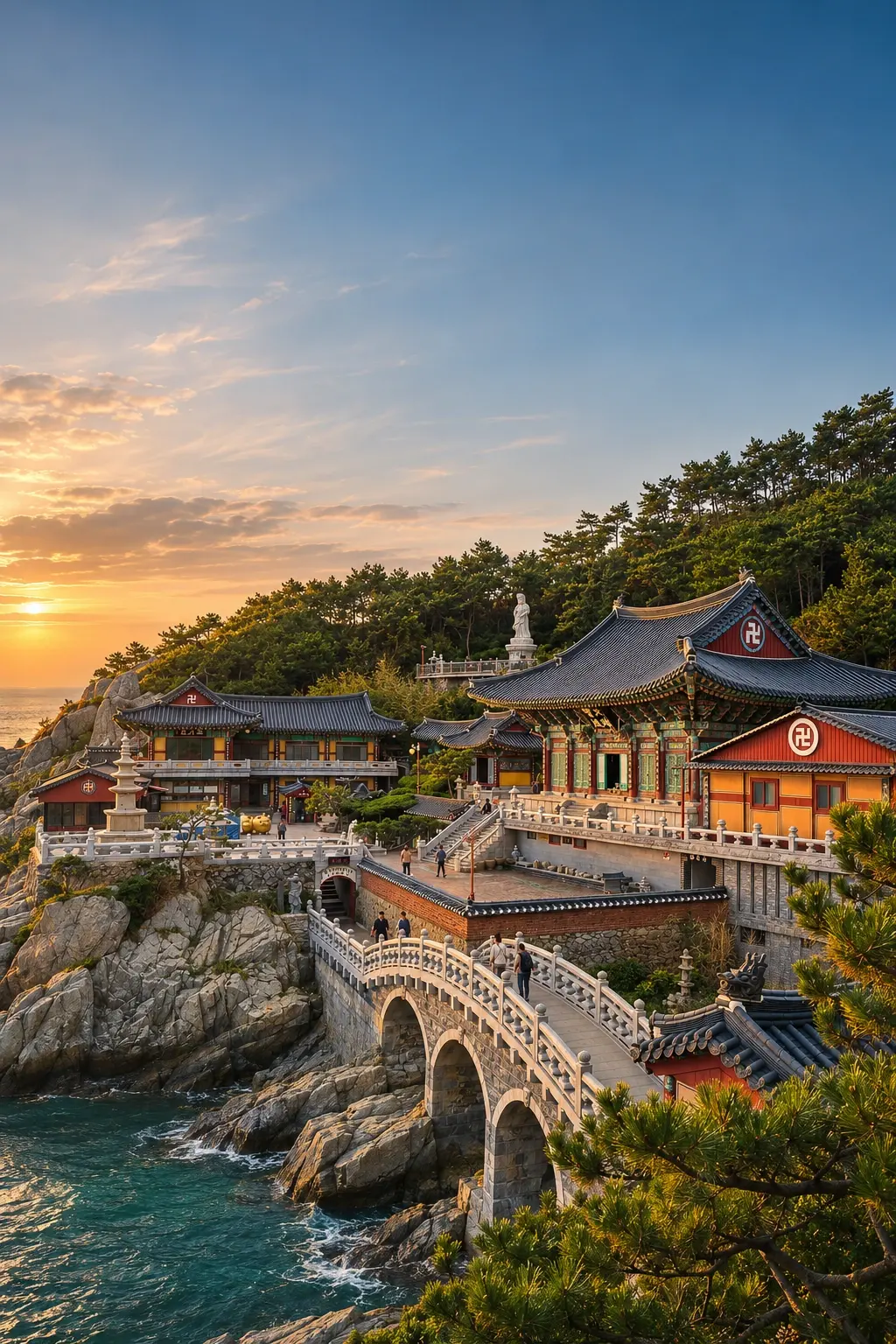
Haedong Yonggungsa TempleAI-rendered illustration

Haedong Yonggungsa Temple

Yonggungsa Temple was founded in 1376 by Master Naewong, who served King Gongmin of Goryeo. It is one of Korea’s three major Avalokitesvara pilgrimage sites and a place revered for prayer and sincere Buddhist worship. The original temple was nearly destroyed during the Imjin War; it was reconstructed in the early 1930s under Monk Wunggang of Tongdo Temple, and later renamed Haedong Yonggungsa after a monk dreamt of Avalokitesvara ascending on a dragon. Existing structures include the Daeungjeon Main Hall, Seokbuldang (also called Maitreya Hall) housing a Maitreya statue believed to bless fertility, a Three-tiered Stone Pagoda guarded by four lions containing seven Buddha relics from Sri Lanka, a 10-meter tall Seawater Avalokitesvara statue (the tallest in Korea), and the Yakshi Buddha known as the East Sea’s Stone Cap Rock Buddha. The temple entrance features a total of 108 stone steps.

Haeundae Coastal Train

Enjoy these attractions as the best way to appreciate Busan's beautiful sea views. Ride the coastal train and tour major Busan sights chosen by a local guide, ensuring a wonderful day in Busan.

Busan Cheongsapo

Cheongsapo is known for kelp and sunrise views. The coastline is popular for sea fishing, attracting many anglers, especially during autumn when mackerel season peaks. Restaurants and sashimi shops along the port serve freshly caught seafood, a special highlight of the area.

09

Busan → Jeju Island

Fly from Busan Airport to Jeju Island, then visit Seongsan Ilchulbong Peak, renowned for its beautiful natural scenery and popular sunrise viewing spot. Afterwards, enjoy a unique Haenyeo cultural walk in Saebyeol Village (advance reservation required) to learn about the local traditional lifestyle and culture. End the day exploring the Yeon-dong shopping district for shopping and authentic local food.

AI-rendered illustration

Fly from Busan Airport to Jeju Island, then visit Seongsan Ilchulbong Peak, renowned for its beautiful natural scenery and popular sunrise viewing spot. Afterwards, enjoy a unique Haenyeo cultural walk in Saebyeol Village (advance reservation required) to learn about the local traditional lifestyle and culture. End the day exploring the Yeon-dong shopping district for shopping and authentic local food.

Breakfast: at the hotel. Lunch: at your own expense. Dinner: at your own expense.

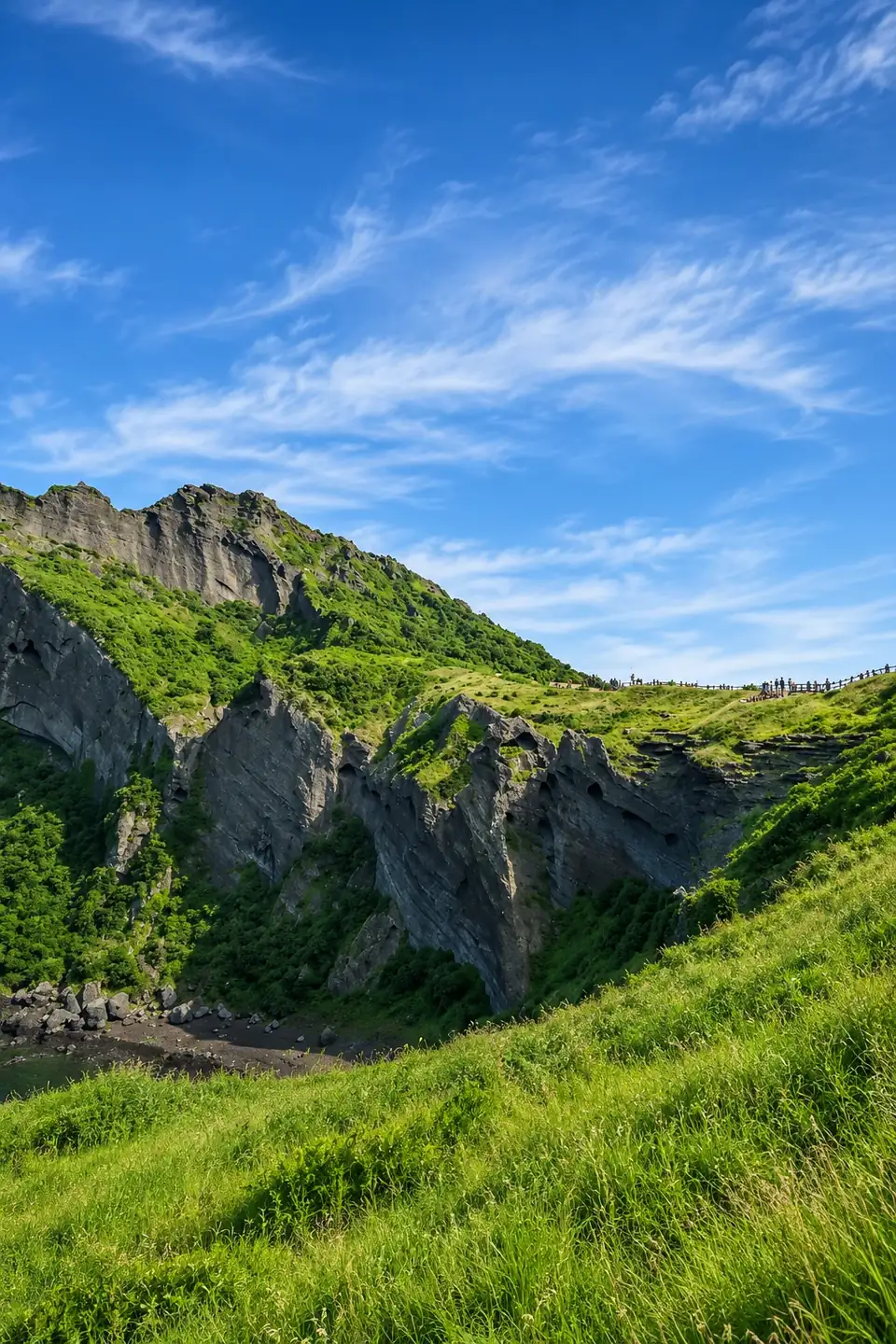
Seongsan Ilchulbong (Sunrise Peak)AI-rendered illustration

Seongsan Ilchulbong (Sunrise Peak)

Seongsan Ilchulbong is a volcanic crater located at the eastern end of Jeju Island, South Korea. It stands 182 meters high and was formed by an underwater volcanic eruption 100,000 years ago. Surrounded on three sides by the sea, it offers expansive views. The sunrise from Seongsan Ilchulbong’s summit is especially breathtaking.

Yeon-dong Shopping Area

Yeon-dong Shopping Street primarily features storefront shops with many international cosmetics and fashion brands. Unlike the crowded Central Underground Shopping Center, this area is more spacious with larger stores, including MCM. Beyond fashion, it hosts various brand boutiques and unique restaurants, alongside several bars and pubs—ideal for international travelers seeking a distinct shopping experience.

10

Jeju Island

Visit the Ark Church to appreciate its unique architecture and tranquil ambiance. Then head to Seogwipo Healing Forest for relaxation and a moment of peace in nature. Next, stroll through 9.81 Park to experience a distinctive outdoor setting. Then visit the Osulloc Tea Museum to learn about Korean tea culture and sample local specialty teas. Don’t miss Jeju Water World for exciting water activities. Finally, conclude your trip at Hueree Natural Living Park, where you can engage with nature more intimately and participate in various handicraft experiences.

AI-rendered illustration

Visit the Ark Church to appreciate its unique architecture and tranquil ambiance. Then head to Seogwipo Healing Forest for relaxation and a moment of peace in nature. Next, stroll through 9.81 Park to experience a distinctive outdoor setting. Then visit the Osulloc Tea Museum to learn about Korean tea culture and sample local specialty teas. Don’t miss Jeju Water World for exciting water activities. Finally, conclude your trip at Hueree Natural Living Park, where you can engage with nature more intimately and participate in various handicraft experiences.

Breakfast: at your own expense. Lunch: at your own expense. Dinner: at your own expense.

Ark Church

Located at 400 meters above sea level, Ark Church is the closest church to the sky on Jeju Island. Built in 2009, it is surrounded by ponds and features a sanctuary made of water, light, trees, and metal that appears to float on the water's surface. From the front, it resembles Noah’s Ark floating on water. The pentagonal shape holds religious symbolism. The metal roof uses three reflective materials, giving it a dynamic appearance from the front, while from the side, the building resembles ripples. This is one of Japan’s Jun Itami’s later works.

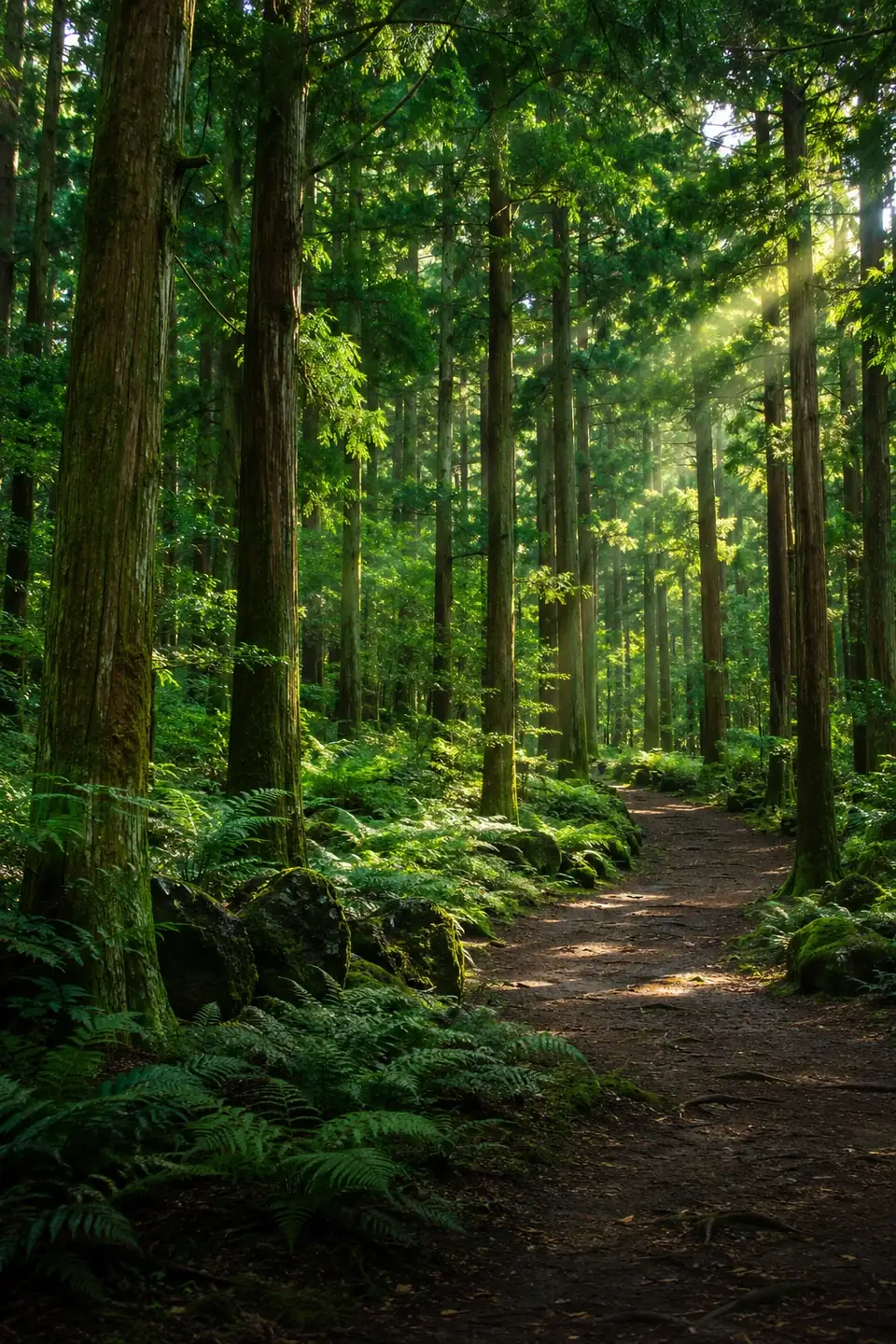
Seogwipo Healing ForestAI-rendered illustration

Seogwipo Healing Forest

Seogwipo Healing Forest is a place for quiet self-reflection amidst nature, allowing visitors to connect with the forest environment and enjoy healing moments. Located on Jeju Island between 320 to 760 meters elevation, it features a diverse range of vegetation including subtropical, temperate, and cold-zone forests. Notably, many areas preserve some of South Korea’s finest cypress forests, with average tree ages over 60 years.

9.81 Park

9.81 Park is Korea's first non-motorized gravity racing theme park featuring various activities including gravity racing. Located in Jeju's Aewol area, it uses gravity acceleration (9.81 m/s²) to convey speed. Facing Jeju's sea, there is a downhill racing track relying solely on gravity acceleration, while facing Hallasan Mountain is an uphill track with automatic reverse gear, making it easy to climb. The park has 4 routes with 10 tracks and uses self-developed Gravity Racer (GR) vehicles on specially designed banked curves and winding tracks for an exhilarating racing experience.

Jeju Osulloc Tea Museum

O'sulloc Tea Museum is a comprehensive Korean tea culture exhibition hall explaining the history of Korean tea culture, tea production processes, uses, and types. The museum's collection of rare Eurasian teacups is notably impressive. The second and third floors feature observatories offering full views of the tea plantation. The O'sulloc Tea House serves green tea cakes, green tea ice cream, and other colorful tea-based treats. The fragrant green tea ice cream is a signature delicacy here.

Jeju Water World

Water World is South Korea’s first multimedia theme park dedicated to water, offering a rich variety of water-related experiences. As one of the country’s largest and most immersive themed facilities, it features 12 themed zones, each with a clear concept and high-quality design providing a dreamlike experience. It is the only theme park in Korea truly centered on water, allowing full immersion in the themes. Additionally, it operates with heated water in autumn and winter, so visitors can enjoy all themes year-round.

Hueree Natural Living Park

Hueree Natural Living Park is considered a microcosm of Jeju’s scenery, often called 'Little Jeju.' Located at the foot of Hallasan Mountain, it is a nature experience park filled with fresh natural scents. The park includes pigsties, traditional Jeju toilets, and a Rubik’s Cube exhibit reflecting village life and culture. Visitors can admire over 1,000 wildflowers and stone towers amid pine forests, walk barefoot on volcanic pine mushrooms stones, and enjoy a perfect leisure space brought by Jeju’s nature. Popular Korean TV shows such as "Golden Miss" and "MBC Travel" have been filmed here. The Silver Grass flowers bloom from mid-September to mid-November, with the best viewing in early to mid-October.

11

Jeju Island

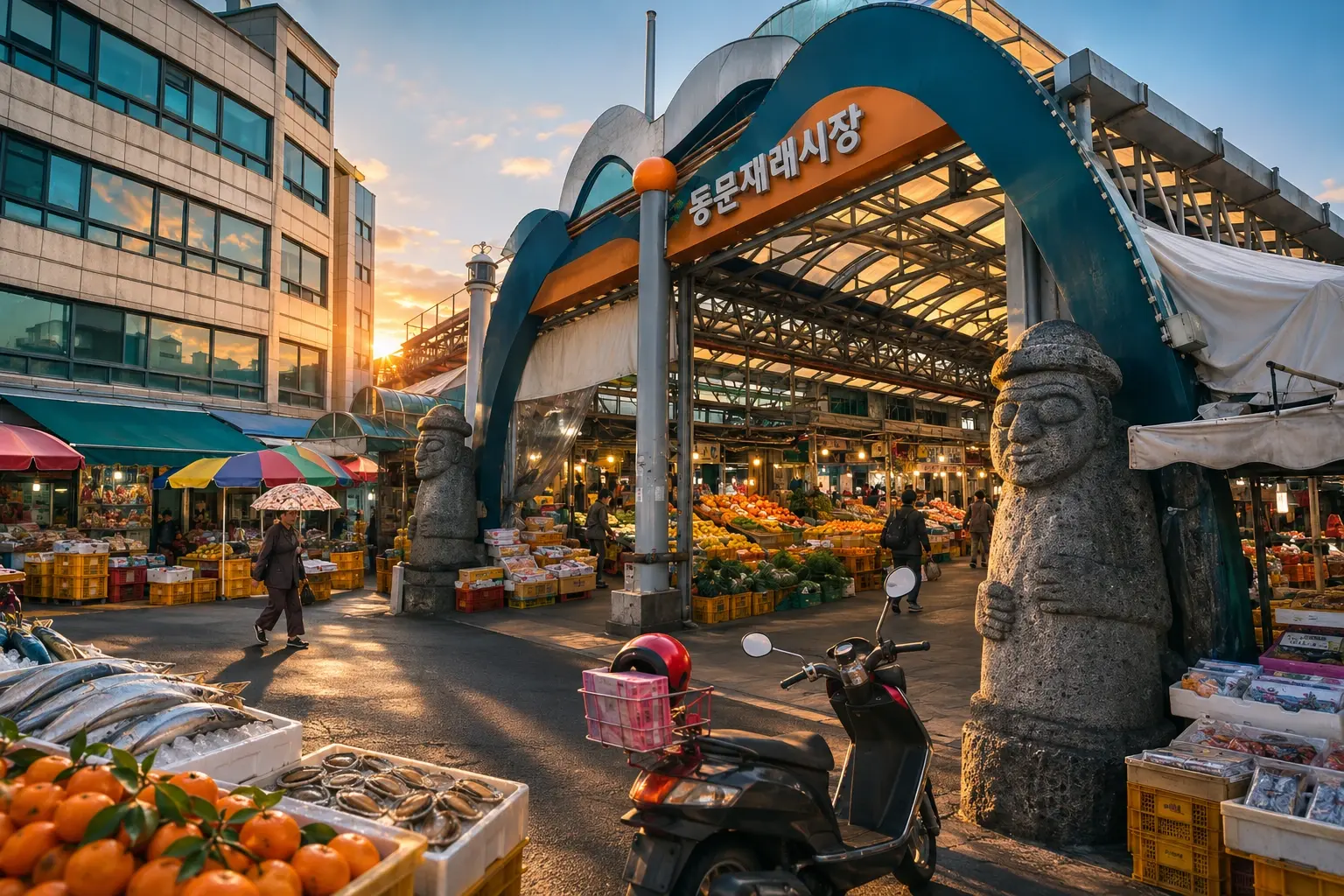
Planned sites today: Snoopy Garden, Chilseong-ro Shopping Street, and Dongmun Market. The itinerary ends locally in Jeju Island; airport transfer can be arranged separately based on actual flight times. International return flights and travel dates to the origin city are not included in this itinerary.

AI-rendered illustration

Planned sites today: Snoopy Garden, Chilseong-ro Shopping Street, and Dongmun Market. The itinerary ends locally in Jeju Island; airport transfer can be arranged separately based on actual flight times. International return flights and travel dates to the origin city are not included in this itinerary.

Breakfast: at the hotel. Lunch: at your own expense. Dinner: at your own expense.

Snoopy Garden

Snoopy Garden is a Peanuts-themed garden in Gujwa-eup, Jeju-si. Indoor displays and outdoor gardens combine character stories with Jeju landscapes. Opening hours vary by season; check the venue's current visitor information.

Chilseong-ro Shopping Street

Chilseong-ro Shopping Street, located in Jeju City’s old town, is Jeju Island's oldest and most central commercial pedestrian street, beloved by locals and tourists alike as a classic shopping and food destination.

Dongmun MarketAI-rendered illustration

Dongmun Market

Jeju’s Dongmun Permanent Market formed after liberation in 1945 and became a commercial hub. It retains traditional market characteristics, offering a wider variety of goods at cheaper prices than large supermarkets, accommodating small-quantity purchases. Products include cutlassfish, horse mackerel, porgy, mackerel, black pork, Hallasan oranges, tangerines, bracken shoots, and other local specialties.

YOUR ROUTE

Know the shape of your journey.

Starts in
Seoul
Ends in
Jeju Island
Local itinerary
11 days

A proposal shaped around you

Use this route as a starting point. Tell us your dates, pace and accommodation preferences.

Your quote will specify accommodation, guiding, transport, activities, meals and any optional arrangements before you book. International flights and airport transfers are discussed separately.

TRAVEL IN COMFORT

The right vehicle for your group.

Toyota Alphard

Up to 6 passengers

Toyota HiAce

Up to 9 passengers

Our main touring vehicles. We recommend a vehicle based on your group size and luggage. Maximum seating capacity does not guarantee room for all bags when every seat is occupied. Vehicle availability is confirmed for your destination.

More to discover

Starry Sky Library (Byulmadang Library)

Located inside COEX Mall’s central plaza in Gangnam, Starry Sky Library features soaring 13-meter-tall bookshelves reaching the ceiling and approximately 50,000 books freely accessible during operating hours. The library provides seats with power outlets for charging devices, offering great convenience to visitors. Nicknamed the ‘Garden of Stars,’ it is beautifully illuminated at night. Popular photo spots include the towering bookshelves and seasonal decorations like oversized Christmas trees, often making social media highlights.

Lotte World Tower Observatory + Sky Bridge

The Lotte World Tower's highlight is the top-floor observatory “SEOUL SKY,” the world’s fifth tallest observatory. It offers panoramic views of Seoul's day, night, and seasonal landscapes. It is a leading sightseeing spot with a 360-degree view of the cityscape and night views.

Wolmido Ocean Sky Train

The Wolmido Ocean Sky Train is a sightseeing monorail route in Incheon, connecting Incheon Station with Wolmido Island, operated by Incheon Transportation Corporation. The train passes Incheon Port, Wolmido Park, and Wolmido Culture Street, home to the famous pirate ship theme park on Wolmido Island. The area is popular with Korean couples for weekend dates and offers beautiful sunset views.

Wolmido Theme Park

Wolmido Theme Park is the newest comprehensive amusement park on Wolmido Island, originally opened as My Land in September 1992 and loved by many visitors since. In August 2009, most of its facilities were renovated over a 4,000-pyeong area. Attractions include a 70-meter Hyper Shot Drop, Tagada Disco, two-story Viking ride, 115-meter Ferris wheel, and more. It's also a filming site for popular Korean variety shows like "We Got Married," "2 Days & 1 Night," and "Running Man," making it popular among tourists. Additionally, it features a 250-pyeong indoor children's play area, experience zones, water games, water boats, and 4D cinema, catering to both adults and children.

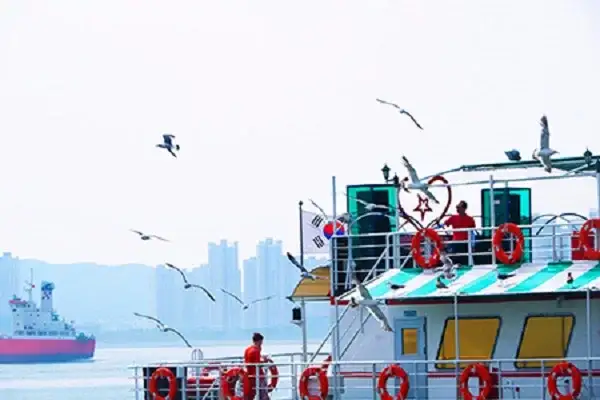
Nami Island - Shuttle Ferry

Operating Hours: 08:00–21:00 Boat Schedule: 08:00–09:00 / every 30 minutes (from Gapyeong Wharf, first departure followed by 30-minute intervals) 09:00–18:00 / every 10–20 minutes 18:00–21:00 / every 30 minutes (last boat from Gapyeong Wharf) * Operating times may vary due to seasonal events (spring blossom season, holidays, autumn foliage season).

Seoraksan National Park (Outer Seorak)

Seoraksan National Park is Korea's northernmost national park, with its peak Daecheongbong at 1708 meters. It offers thrilling cliff climbs and hiking. The southern foothills feature steep rocky valleys and the Seoraksan Great Waterfall, comparable to Cheonbuldong Cave.

Chuam Candlestick Rock

Chuam Candlestick Rock is a famous attraction in Donghae City, named for its resemblance to a candlestick. The towering rock, piercing the sky, stands among surrounding strange rocks in the sea, offering a magnificent view. The sea and rock formations change appearance with the tides: at high tide, white waves resemble dragons ascending; at low tide, calm sea resembles a deep lake. It's also a renowned sunrise viewing spot where the sun rising over the rock attracts many visitors and photographers. This sunrise image is often used as the background in Korean TV broadcasts of the national anthem's first verse. *Legend: A fisherman living here once married a concubine who quarreled with the first wife, angering the gods. The gods took the two women by thunderbolt, leaving the man alone staring out to sea, forming the shape of today's Candlestick Rock.

Chuam Sea Suspension Bridge

Located by the sea at Chuam, home to Candlestick Rock famous for its sunrise, a 72-meter-long suspension bridge was newly built in June 2019—the only sea suspension bridge in Korea. It offers stunning views of the port, beach, and coastal rocks. Note that the bridge may be closed during severe weather (rain, snow, strong winds) for safety.

Before you go

This journey starts at the destination. Seasonal experiences, service inclusions and availability are confirmed with your personalized proposal.

Original source & photography · 6renyou ↗

Image credits and illustrations

BEFORE YOU PLAN

Travel planning, clearly explained.

OpenEast brings together Japan and South Korea itinerary ideas for travelers from North America, with China also part of our destination plans. Start with the local route, then consider flights and airport transfers around it.

When does Day 1 begin?

Day 1 begins at the destination. International departure-only and return flight days are not counted as destination days. Plan your flights around the local itinerary dates.

Are flights and airport transfers included?

International flights and airport transfers are confirmed separately. Do not assume they are included in a suggested itinerary.

Are these confirmed departures?

These routes are itinerary ideas. Dates, hotels, admissions, seasonal activities, prices and availability need confirmation in a personalized proposal before booking.

Can I book or send an inquiry here?

Use the inquiry form to contact our team. A submission confirmation appears only when the email service accepts your request. An inquiry does not reserve a service or take payment.

Explore Japan itineraries → · Explore South Korea itineraries →

1 / 9

Let’s plan your journey.

Panoramic 11-Day Seoul, Busan, Jeju Tour: Wolmido Sky Train + Seoraksan Cable Car + Andong Hahoe Village + 9.81 Gravity Racing Park + Water Light Shadow Water Park

Leave your details, and our travel specialists will get in touch by email or your preferred contact method.

Your specialist will confirm the itinerary, pricing and availability with you.

How we use your information

Your inquiry is sent to info@jasperlimo.com so our team can respond. Please do not include passport or payment details.

Start planning