South Korea · 5 DAYS

A Taste of Seoul: A 5-Day Journey

Incheon → Seoul → Gangwon Province → Gyeonggi Province

Must-Try Korean Royal Meals and Barbecue Explore Gwangjang Market Snacks

5 daysCulture & natureItinerary idea

Request this itinerary

Leave your details, and our travel specialists will get in touch by email or your preferred contact method.

Your specialist will confirm the itinerary, pricing and availability with you.

How we use your information

Your inquiry is sent to info@jasperlimo.com so our team can respond. Please do not include passport or payment details.

JOURNEY HIGHLIGHTS

South Korea, made personal.

5-Day Taste of Seoul: From Royal Korean Meals to Street Snacks + Authentic Korean Flavors

Day 1 starts in Incheon → Seoul. International airfare is arranged separately.

  • 01Must-Try Korean Royal Meals and Barbecue
  • 02Explore Gwangjang Market Snacks
  • 03Instagrammable Suwon Starry Sky Library

Your journey, day by day

01

Incheon → Seoul

Day 1 counts from arrival at Incheon. Your local activities and hotel check-in will be arranged based on actual arrival time; international departure and connecting flights excluded. Local route after arrival: Incheon > Seoul. Planned attraction: Jeondeungsa Temple; schedule adjusted by arrival time. Transfer services can be arranged separately; inclusion confirmed by plan.

AI-rendered illustration

Day 1 counts from arrival at Incheon. Your local activities and hotel check-in will be arranged based on actual arrival time; international departure and connecting flights excluded. Local route after arrival: Incheon > Seoul. Planned attraction: Jeondeungsa Temple; schedule adjusted by arrival time. Transfer services can be arranged separately; inclusion confirmed by plan.

Meals: Breakfast - On your own Lunch - Local specialty Dinner - Local specialty

Jeondeungsa Temple

Located atop Dingjusan Mountain in Incheon, Jeondeungsa is a historic Buddhist temple. It is said to have been founded by the Monk Ado during the Goguryeo period. The temple's name derives from Queen Jeonghye of Goryeo’s donation of a jade lamp during King Chungnyeol’s reign (1274-1308).

02

Seoul

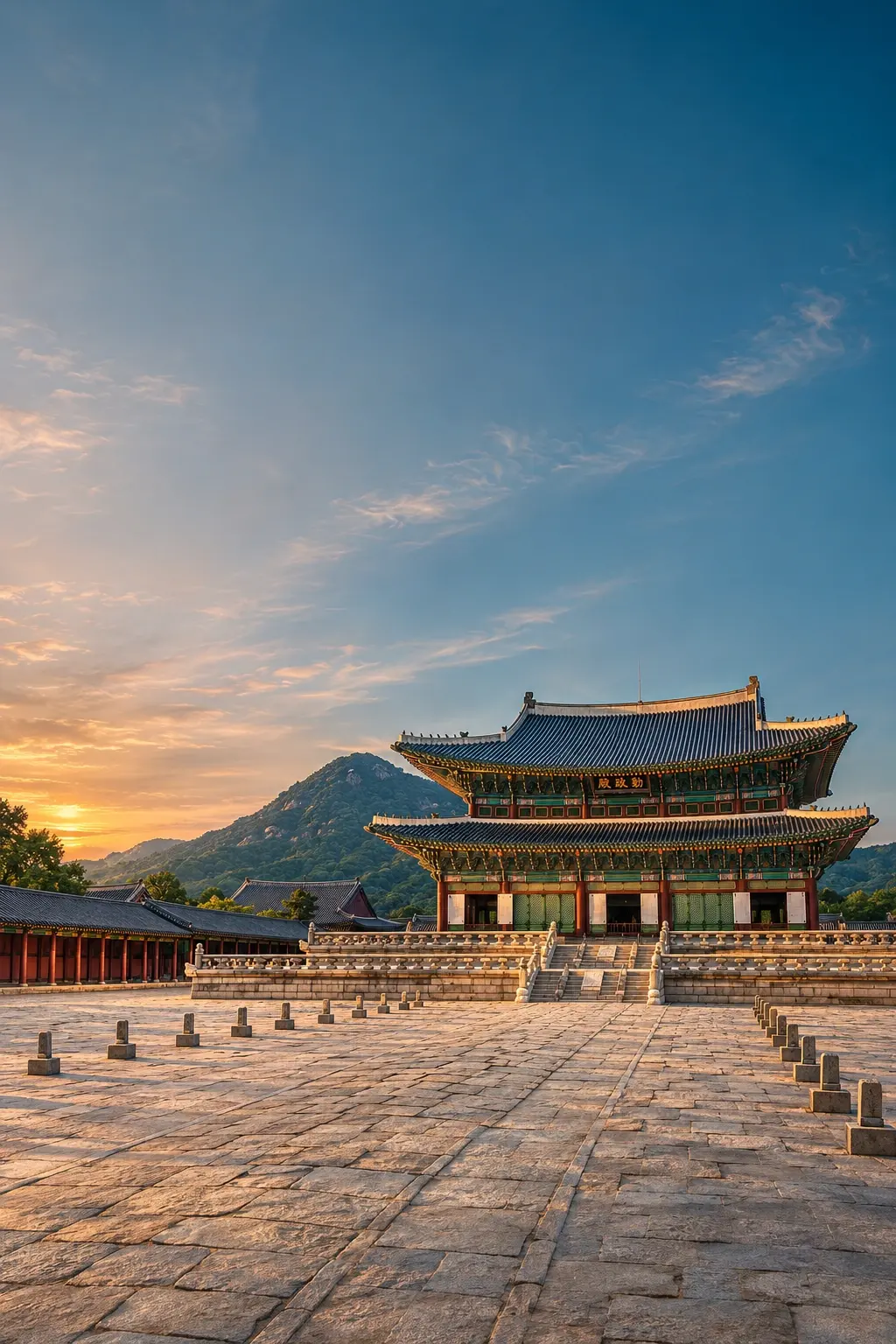
After breakfast at the hotel, visit Gyeongbokgung Palace to feel Korea's historical charm. Then enjoy a Hanbok experience, wearing beautiful traditional costumes for memorable photos in a classic setting. For lunch, try the famous Tosokchon Samgyetang near Gyeongbokgung. In the afternoon, stroll around Bukchon Hanok Village to admire well-preserved traditional houses. At dusk, ascend N Seoul Tower to overlook the city’s nightscape. Finally, explore the bustling Gwangjang Market and sample renowned local street food.

AI-rendered illustration

After breakfast at the hotel, visit Gyeongbokgung Palace to feel Korea's historical charm. Then enjoy a Hanbok experience, wearing beautiful traditional costumes for memorable photos in a classic setting. For lunch, try the famous Tosokchon Samgyetang near Gyeongbokgung. In the afternoon, stroll around Bukchon Hanok Village to admire well-preserved traditional houses. At dusk, ascend N Seoul Tower to overlook the city’s nightscape. Finally, explore the bustling Gwangjang Market and sample renowned local street food.

Breakfast: at the hotel. Lunch: local specialty meal. Dinner: at your own expense.

Gyeongbokgung Palace

Gyeongbokgung Palace was the first palace built in the early Joseon Dynasty, with a history of over 600 years. It is the largest among the Five Grand Palaces, featuring unique architectural styles in buildings such as Geunjeongjeon Hall and Gyeonghoeru Pavilion. Additionally, it houses the National Palace Museum of Korea and the National Folk Museum, providing a rich visiting experience. Every day on the hour from 10 AM to 4 PM at the main gate, Gwanghwamun, there's a guard changing ceremony reenacting the palace gatekeepers' duties during the Joseon era, allowing visitors to witness the orderly traditional royal guard rituals.

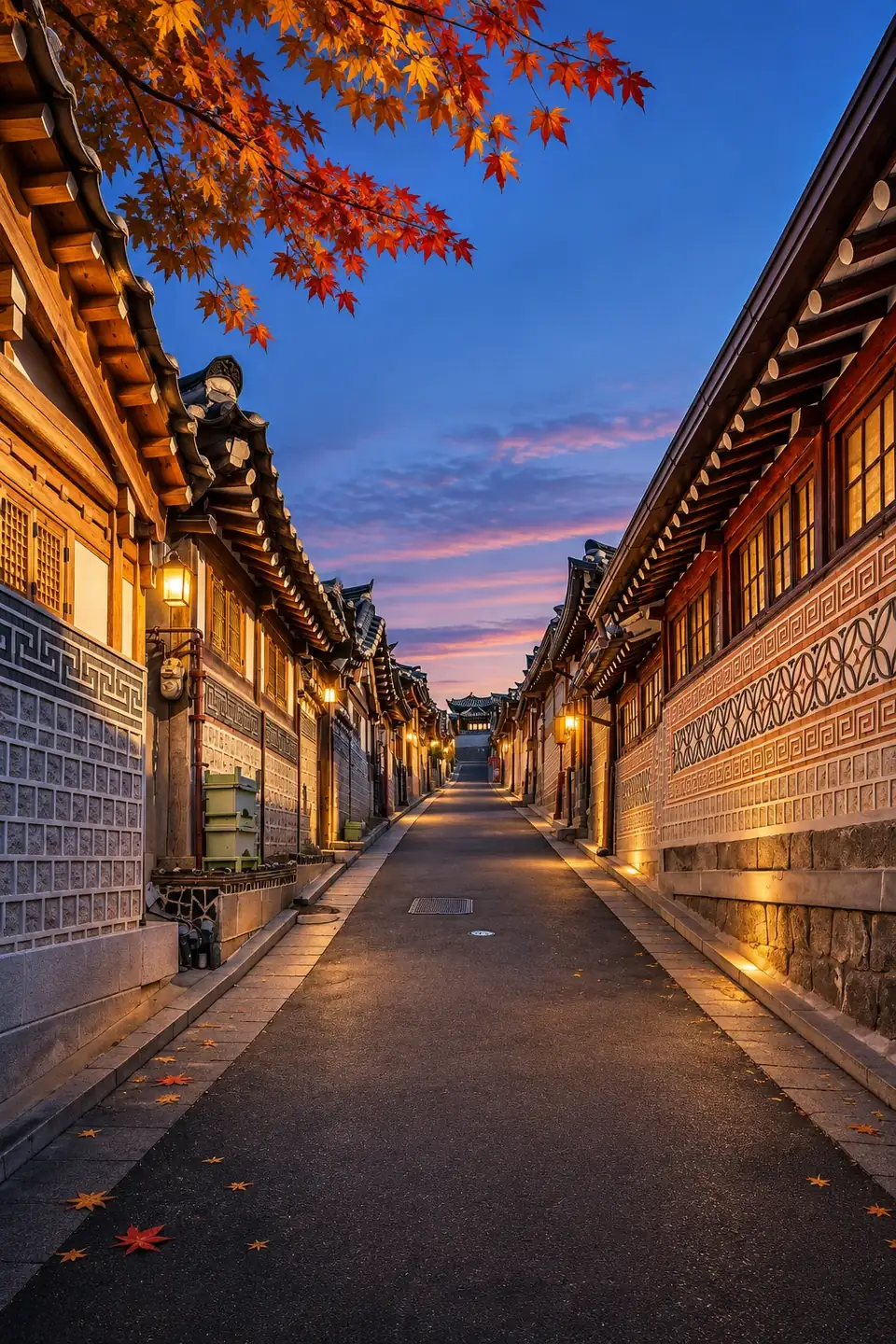
Bukchon Hanok VillageAI-rendered illustration

Bukchon Hanok Village

Bukchon Hanok Village is the best place in Seoul to experience traditional Korean houses with an authentic feel, as residents still live here. Visitors should keep noise to a minimum out of respect. It’s an excellent spot for photography and remembrance. Don’t forget your camera and look for the "Bukchon Eight Views"; helpful photo point signs on the ground guide visitors thoughtfully.

N Seoul Tower

N Seoul Tower is located on Namsan Mountain in Yongsan-gu, Seoul, South Korea. Formerly known as Seoul Tower or Hanyang Tower, it stands 236.7 meters tall and was built in 1975. It is a famous sightseeing spot in Korea. Every night from 7 pm to midnight, six spotlights create a floral pattern in the sky known as "Flower of Seoul."

Gwangjang Market

Established in 1905, Gwangjang Market is Seoul’s oldest permanent market. Over time, it developed into a large comprehensive market. Its busiest area is where East Gate, North Gate 2, and South Gate 1 intersect, forming a popular street food zone enjoyed by people of all ages. Now designated as a world tourist route, Gwangjang Market is a must-visit destination for foreign travelers to Korea.

03

Seoul → Gangwon Province → Seoul

After breakfast, drive to the beautiful Nami Island to enjoy nature and tranquility. Then head to Chuncheon to taste the famous iron plate Dakgalbi, offering a unique flavor experience. Next, enjoy the Gangchon Rail Bike tour to appreciate scenic views along the route. Return to Seoul in the evening; dinner is recommended at Wondang Potato Pork Rib Soup Gongde Mapo Branch (pay on your own). After dinner, stroll through the artsy Hongdae district to explore its vibrant street culture.

AI-rendered illustration

After breakfast, drive to the beautiful Nami Island to enjoy nature and tranquility. Then head to Chuncheon to taste the famous iron plate Dakgalbi, offering a unique flavor experience. Next, enjoy the Gangchon Rail Bike tour to appreciate scenic views along the route. Return to Seoul in the evening; dinner is recommended at Wondang Potato Pork Rib Soup Gongde Mapo Branch (pay on your own). After dinner, stroll through the artsy Hongdae district to explore its vibrant street culture.

Meals: Breakfast - hotel dining, Lunch - local specialty, Dinner - local specialty

Nami Island

Nami Island is located in the city of Chuncheon, Gangwon Province, South Korea, in Nam-myeon, Bangha-ri. Originally not an island, it was formed when the Chuncheon Dam created a reservoir on Bukhan River. Known as a filming location for dramas like "Winter Sonata," Nami Island boasts stunning natural scenery. The island is about 6 km in circumference and covers over 130,000 pyeong (approximately 429,000 square meters). The center features a grassy area spreading over 80,000 pyeong (about 263,000 square meters). Surrounding the island are lush chestnut and poplar trees resembling a screen, making it an excellent place for a walk.

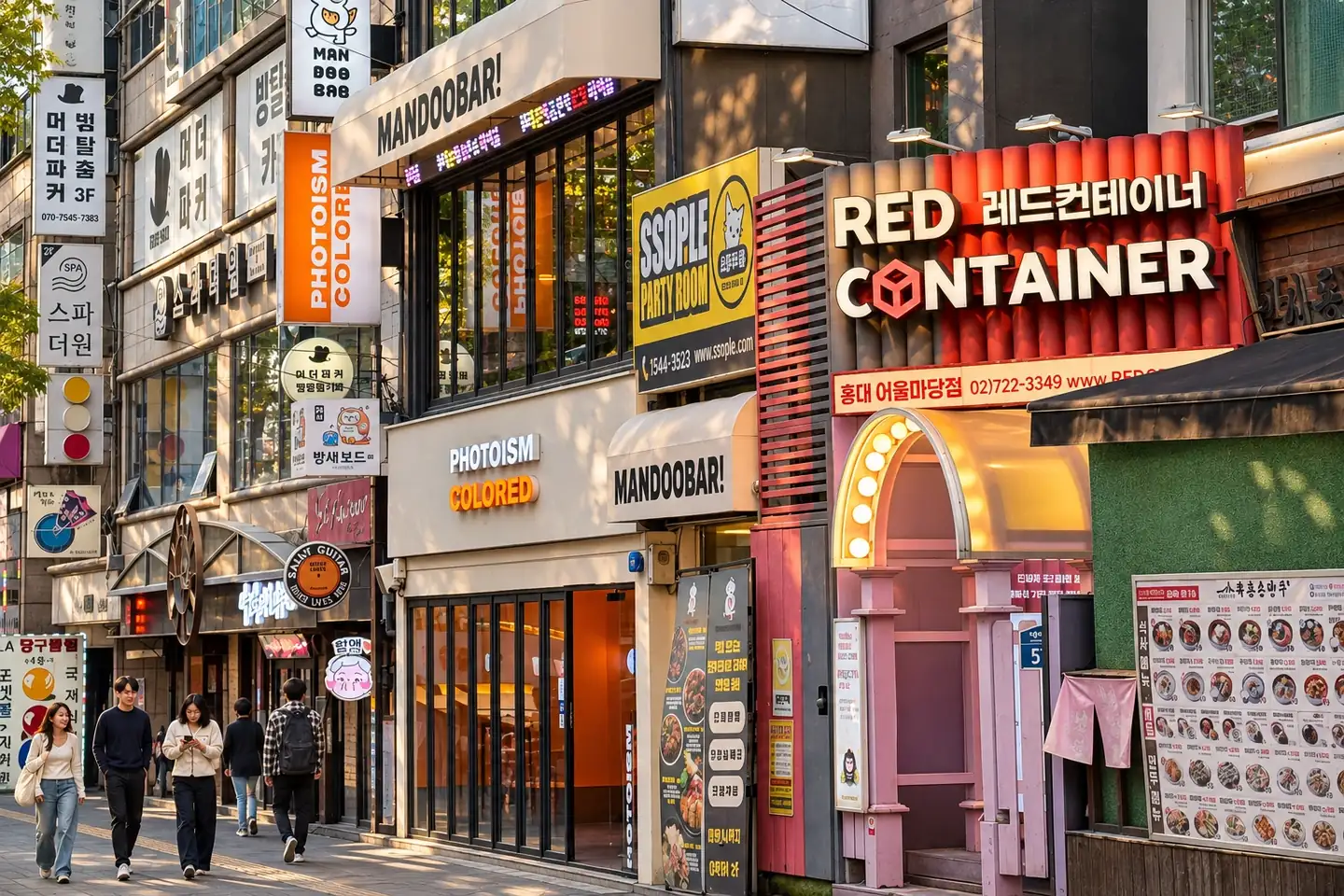
Hongdae DistrictAI-rendered illustration

Hongdae District

Hongdae, centered around Hongik University in Seoul’s Mapo District, is a cultural and arts commercial area known as the heart of Korean youth trends and indie culture. It’s artistic and lively by day, transforming into a hub of nightclubs and live music venues at night, combining art, shopping, food, K-POP, and nightlife. It’s Seoul’s best district for young people to explore and enjoy.

04

Seoul → Gyeonggi Province → Seoul

After hotel breakfast, first visit Suwon Hwaseong Fortress, a UNESCO World Heritage site in Gyeonggi Province, to experience deep historic significance. Then enjoy a Hwaseong Royal Carriage ride for a cultural journey through time. In the afternoon, return to Seoul for shopping at Yeouido Hyundai Department Store and savor authentic Korean seafood hotpot for a satisfying meal. At dusk, return to Gyeonggi-do to relax in the unique atmosphere of the Starry Sky Library. End the day with a delicious army stew dinner.

AI-rendered illustration

After hotel breakfast, first visit Suwon Hwaseong Fortress, a UNESCO World Heritage site in Gyeonggi Province, to experience deep historic significance. Then enjoy a Hwaseong Royal Carriage ride for a cultural journey through time. In the afternoon, return to Seoul for shopping at Yeouido Hyundai Department Store and savor authentic Korean seafood hotpot for a satisfying meal. At dusk, return to Gyeonggi-do to relax in the unique atmosphere of the Starry Sky Library. End the day with a delicious army stew dinner.

Meals: Breakfast - hotel dining, Lunch - local specialty, Dinner - local specialty

Hwaseong Fortress, Suwon

Hwaseong Fortress in Gyeonggi Province’s Suwon is a Joseon-era fortress built by King Jeongjo of Joseon to honor his father by relocating his tomb and defending the new city. The fortress walls extend 5.74 km in length and stand 4 to 6 meters high. The fortress incorporates advanced equipment and materials, showcasing East-West technological exchange. Hwaseong Fortress is a World Cultural Heritage site with stunning traditional scenery. Each spring, various cherry blossoms bloom harmoniously with the ancient architecture, creating an enchanting time-travel atmosphere.

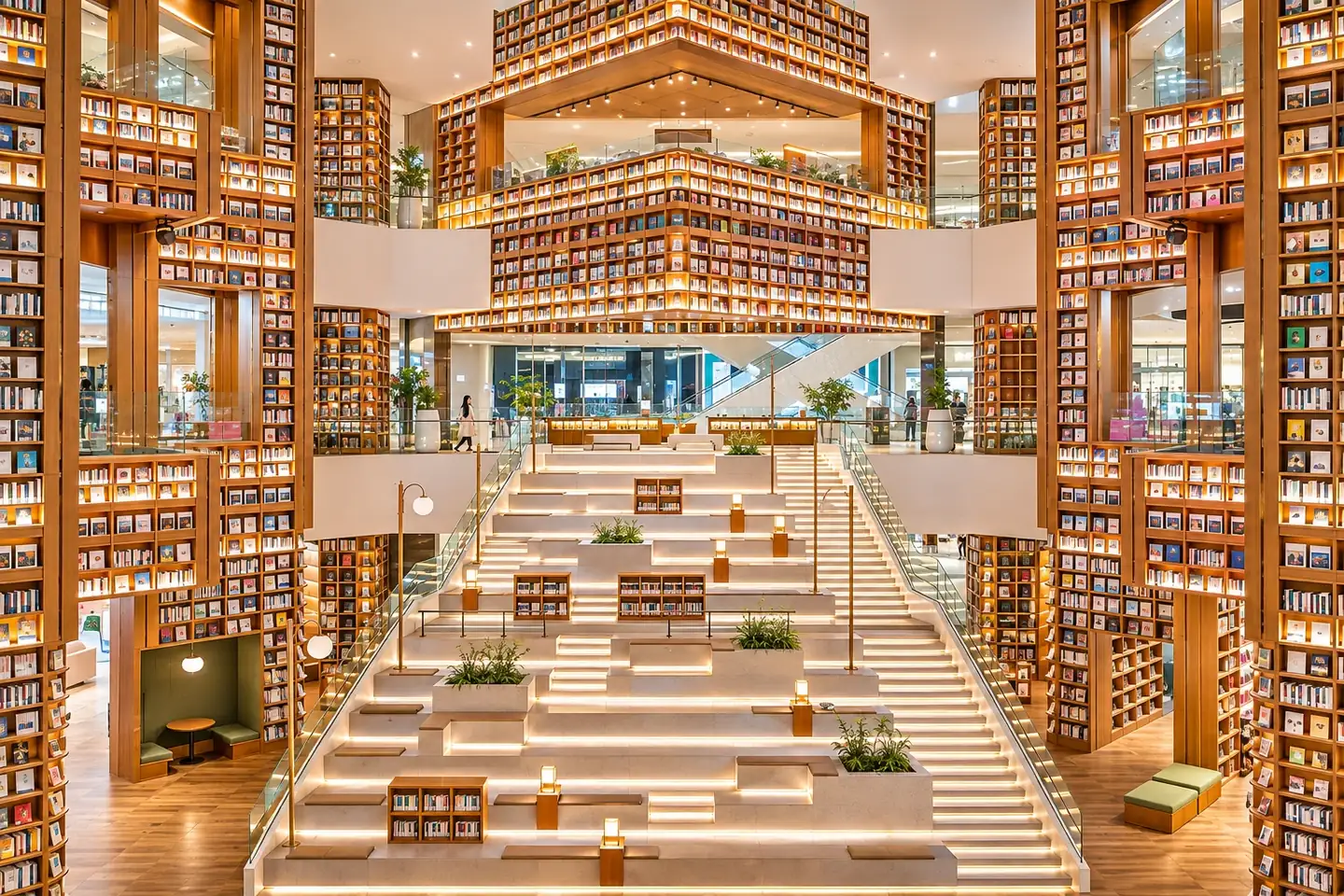
Starry Sky Library (Suwon Branch)AI-rendered illustration

Starry Sky Library (Suwon Branch)

The Suwon Starry Sky Library spans floors 4 to 7 with a design that wraps around the building. If time permits, exploring the library from different angles and floors is recommended to capture every corner of this unique space.

05

Seoul → Incheon

Planned attractions include Incheon Chinatown and Mohegan INSPIRE Integrated Entertainment Resort’s Digital Avenue (LED Digital Street). The itinerary ends locally in Incheon; airport transfer can be arranged separately according to flight. International return flights and arrival dates at origin are excluded.

Planned attractions include Incheon Chinatown and Mohegan INSPIRE Integrated Entertainment Resort’s Digital Avenue (LED Digital Street). The itinerary ends locally in Incheon; airport transfer can be arranged separately according to flight. International return flights and arrival dates at origin are excluded.

Breakfast: at the hotel. Lunch: local specialty meal. Dinner: at your own expense.

Incheon Chinatown

Incheon Chinatown developed as a Chinese community after Incheon Port opened in 1883 and the area was designated a Chinese concession in 1884. Traditionally, many shops sold Chinese products, but today most are Chinese restaurants. Current residents are mainly second or third-generation descendants of early immigrants. Over generations, traditional Chinese culture has become significantly diluted.

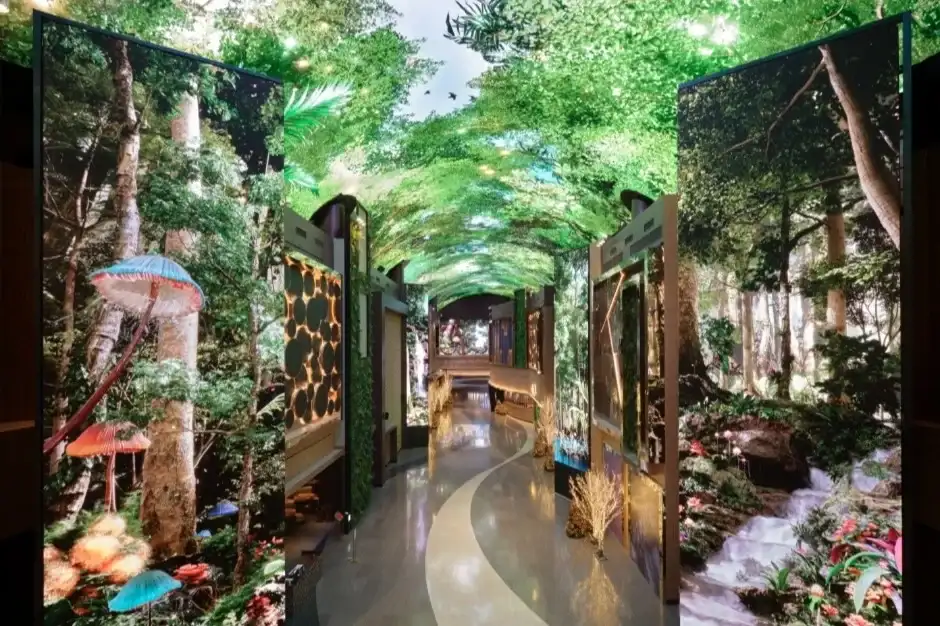
Mohegan INSPIRE Integrated Entertainment Resort Inspire Digital Avenue (LED Digital Avenue)

Mohegan INSPIRE Integrated Entertainment Resort Inspire Digital Avenue (LED Digital Avenue)

This entertainment space integrates media art with advanced IT technology, live performances, restaurants, bars, and retail shops, creating a futuristic environment. The digital avenue and the dome hall ceiling and wall LED screens present a spectacular digital technology show every hour, delivering a refreshing visual experience. The LED show on Digital Avenue is played hourly on the hour.

YOUR ROUTE

Know the shape of your journey.

Starts in
Incheon
Ends in
Incheon
Local itinerary
5 days

A proposal shaped around you

Use this route as a starting point. Tell us your dates, pace and accommodation preferences.

Your quote will specify accommodation, guiding, transport, activities, meals and any optional arrangements before you book. International flights and airport transfers are discussed separately.

TRAVEL IN COMFORT

The right vehicle for your group.

Toyota Alphard

Up to 6 passengers

Toyota HiAce

Up to 9 passengers

Our main touring vehicles. We recommend a vehicle based on your group size and luggage. Maximum seating capacity does not guarantee room for all bags when every seat is occupied. Vehicle availability is confirmed for your destination.

More to discover

Korean Royal Cuisine

Korean royal cuisine, also known as Korean formal meals or set menus, is a traditional formal dining style rooted in Joseon Dynasty palace cuisine. It evolved with aristocratic influences blending local ingredients, characterized by a variety of dishes rather than a single item. Standard setups include rice, soup, kimchi, and porcelain pots with stews like jeon or shinseonro hotpot. Accompaniments often include pancakes and sashimi. Cooking methods cover steaming, grilling, blanching, and mixing, excluding spicy chili powder except in kimchi. Dishes are arranged in sets of 3 to 12 plates including appetizers, main courses, side dishes, and desserts. Traditional restaurants often retain floor seating matched with classical wooden furnishings to evoke a historic atmosphere. Gwangju is known for authentic royal cuisine, with Jeolla Namdo and Kaesong styles as representative influences.

SKYLINE Luge at Ganghwa Island

For those seeking speed and excitement in Korea, the Ganghwa Island Luge is a top choice. This outdoor activity combines the fun of go-karts and skiing, allowing you to experience thrilling rides downhill without any motor power. Located at Ganghwa Island Coastal Resort, the 1.8 km track features both ocean and valley routes, offering 360-degree spins, tunnels, and elevation changes while enjoying Ganghwa’s natural scenery.

Jeondeungsa Temple

Located atop Dingjusan Mountain in Incheon, Jeondeungsa is a historic Buddhist temple. It is said to have been founded by the Monk Ado during the Goguryeo period. The temple's name derives from Queen Jeonghye of Goryeo’s donation of a jade lamp during King Chungnyeol’s reign (1274-1308).

Korean Barbecue

Originating from the ancient Northeast Asian kingdom Goguryeo, Korean barbecue involves grilling unmarinated skewered meat over fire. With time, iron grates and various grilling pans began to be used. Some restaurants provide table-side service, grilling the meat and cutting it into bite-sized pieces for convenience. Served with Korean side dishes, this enriches the barbecue flavor experience!

Gyeongbokgung Palace

Gyeongbokgung Palace was the first palace built in the early Joseon Dynasty, with a history of over 600 years. It is the largest among the Five Grand Palaces, featuring unique architectural styles in buildings such as Geunjeongjeon Hall and Gyeonghoeru Pavilion. Additionally, it houses the National Palace Museum of Korea and the National Folk Museum, providing a rich visiting experience. Every day on the hour from 10 AM to 4 PM at the main gate, Gwanghwamun, there's a guard changing ceremony reenacting the palace gatekeepers' duties during the Joseon era, allowing visitors to witness the orderly traditional royal guard rituals.

Tosokchon Samgyetang

Tosokchon Samgyetang is a highly popular Samgyetang (ginseng chicken soup) restaurant near Gyeongbokgung Palace, frequented by former South Korean President Roh Moo-hyun. Known as one of Seoul's top Samgyetang destinations, it is often packed daily, especially during peak summer days when long lines form. Signature Samgyetang uses a farm-supplied young chicken about one month old, paired with four-year-old ginseng, jujubes, chestnuts, and three special ingredients unique to Tosokchon, all carefully simmered.

Chuncheon Iron Plate Chicken

Chuncheon Iron Plate Chicken (Chuncheon Dakgalbi) is a representative local specialty of Chuncheon, Gangwon Province, and a hallmark of Korean cuisine. Known for its unique sweet and spicy flavor and lively dining experience, it is beloved locally and internationally through Hallyu culture. Chuncheon’s developed poultry industry uses affordable chicken marinated with sweet and spicy sauce, combined with sweet potatoes, cabbage, onions, and other vegetables, all stir-fried on an iron plate. Popular among students and soldiers, it's nicknamed "People’s Ribs" or "Student Ribs."

Wondang Potato Pork Rib Soup, Gongde Mapo Branch

Potato pork rib soup is available as a large pot or individual servings. The menu also offers Korean dumplings, lettuce wraps, bibimbap, and tofu stew among many other dishes. Multilingual menus with Chinese, English, and Japanese are provided. The signature “Wondang Potato Pork Rib Soup” comes in three sizes: large 43,000 KRW, medium 38,000 KRW, small 32,000 KRW. The small pot serves about two people.
Before you go

This journey starts at the destination. Seasonal experiences, service inclusions and availability are confirmed with your personalized proposal.

Original source & photography · 6renyou ↗

Image credits and illustrations

BEFORE YOU PLAN

Travel planning, clearly explained.

OpenEast brings together Japan and South Korea itinerary ideas for travelers from North America, with China also part of our destination plans. Start with the local route, then consider flights and airport transfers around it.

When does Day 1 begin?

Day 1 begins at the destination. International departure-only and return flight days are not counted as destination days. Plan your flights around the local itinerary dates.

Are flights and airport transfers included?

International flights and airport transfers are confirmed separately. Do not assume they are included in a suggested itinerary.

Are these confirmed departures?

These routes are itinerary ideas. Dates, hotels, admissions, seasonal activities, prices and availability need confirmation in a personalized proposal before booking.

Can I book or send an inquiry here?

Use the inquiry form to contact our team. A submission confirmation appears only when the email service accepts your request. An inquiry does not reserve a service or take payment.

Explore Japan itineraries → · Explore South Korea itineraries →

1 / 4

Let’s plan your journey.

5-Day Taste of Seoul: From Royal Korean Meals to Street Snacks + Authentic Korean Flavors

Leave your details, and our travel specialists will get in touch by email or your preferred contact method.

Your specialist will confirm the itinerary, pricing and availability with you.

How we use your information

Your inquiry is sent to info@jasperlimo.com so our team can respond. Please do not include passport or payment details.

Start planning