Begin a culturally rich journey through Gyeongju. First, visit the solemn and dignified Gyeongju Hyanggyo Confucian School to feel the profound roots and historical depth of Confucian culture. Then, head to the expansive Gyeongju Expo Park to relax amid open natural scenery and experience the blend of modernity and tradition. Finally, immerse yourself in the evolution of Korean popular music at the Korea Popular Music Museum, revisiting the stories behind classic melodies. This itinerary cleverly combines historical education, leisure sightseeing, and pop culture to fully showcase Gyeongju's unique charm.
Breakfast: at the hotel. Lunch: at your own expense. Dinner: at your own expense.
Gyeongju Hyanggyo Confucian School
Located near Gyo Village and the Choi family's mansion in Gyeongju, the area is named Gyo Village, Gyo-ri, or Gyo-dong because of the Hyanggyo. For a thousand years, this place has served as a learning center, originally dating back to 682 AD during the reign of King Sinmun of Silla, when the national academy was first established here. Today, it no longer functions as an education facility but serves as a site for ancestral rites, holding traditional Confucian ceremonies (Seokjeon Daeje) in spring and autumn annually. Additionally, Gyeongju Hyanggyo offers traditional cultural experiences such as Korean archery, rice cake pounding, tea ceremonies, and from April to October, free demonstration weddings featuring traditional marriage ceremonies at Myeongnyundang.
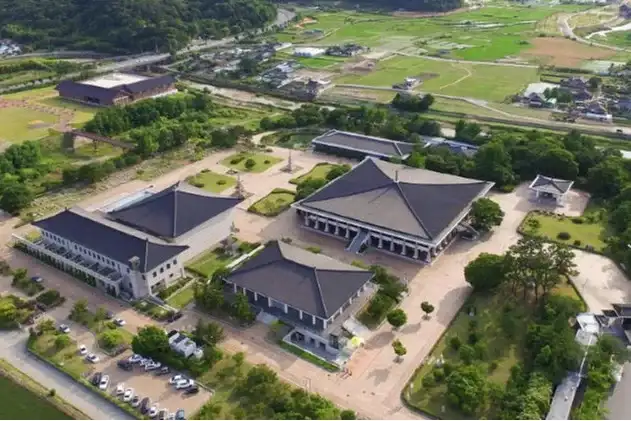
Gyeongju Expo Park
Located within the Bomun Tourist Complex in Gyeongju, this theme park offers exhibitions, performances, and experiences that showcase the culture and art of Silla (57 BC–AD 935). Attractions include the Gyeongju Tower, Radiant Light of Silla, Seokguram Art Gallery, Silla Star (LUMINA NIGHT WALK), Cheomseongdae Video Hall, and Asadal Sculpture Park.
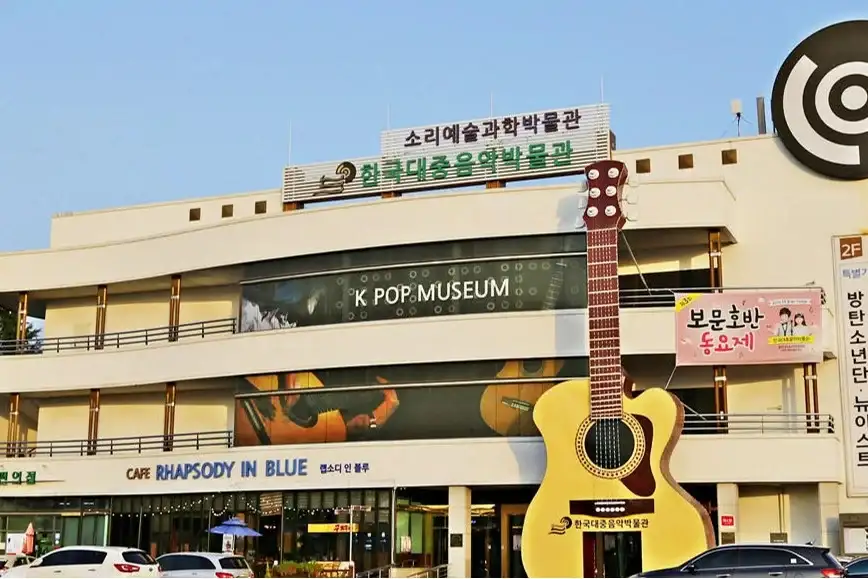
Korea Popular Music Museum
This is Korea's first specialized museum dedicated to popular music, located within the Gyeongju Bomun Tourist Complex. Founded by a private music collector with personal funding, it houses about 70,000 historical music artifacts. The museum provides a comprehensive overview of the century-long development of Korean popular music, featuring exhibits from the late Joseon Dynasty's musical origins, the Japanese occupation period, post-war ballads, 1970s-90s oldies, up to the globalization of K-POP.
 AI-rendered illustration
 AI-rendered illustration
 AI-rendered illustration